How UV-C Air Purifiers Neutralize 99% of Airborne Pathogens
The Science Behind UV-C Air Purification
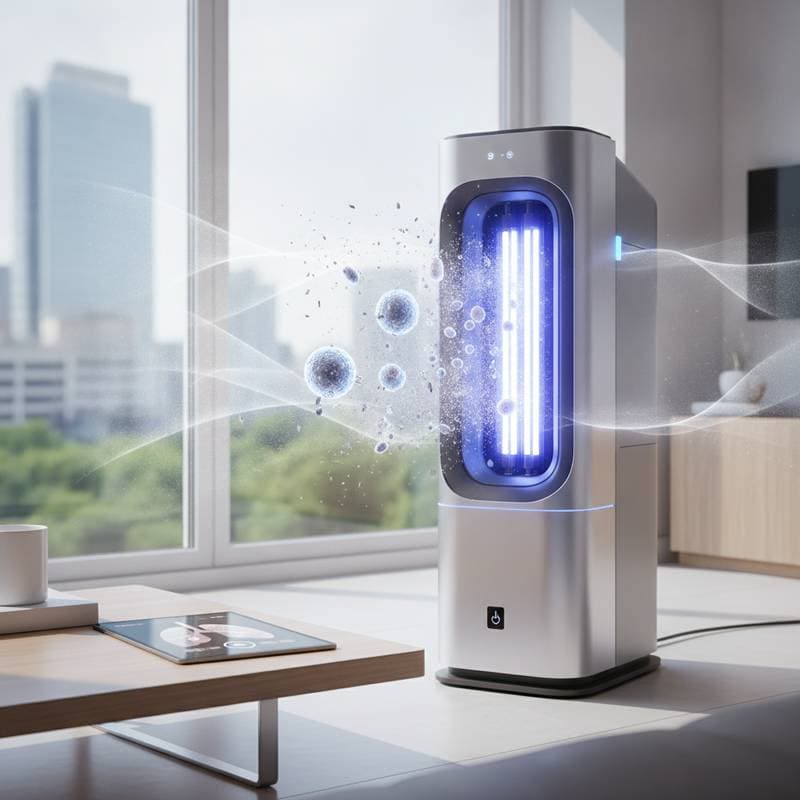
UV-C air purifiers harness ultraviolet light to eliminate up to 99% of airborne viruses, bacteria, and mold spores. These systems provide a chemical-free method to enhance indoor air quality, particularly relevant in environments where respiratory health matters. This guide explores the mechanics of UV-C technology, its advantages, installation considerations, and maintenance practices for optimal performance in residential and commercial settings.
Fundamentals of UV-C Purification Systems
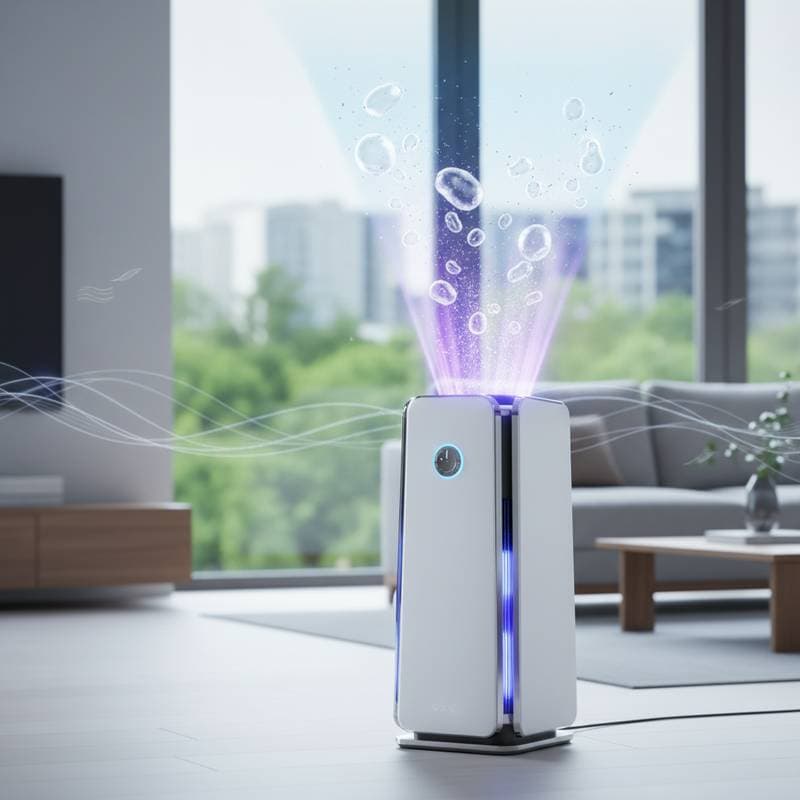
UV-C purifiers operate using ultraviolet light within the 200 to 280 nanometer wavelength range. This specific spectrum targets the DNA and RNA structures of microorganisms, rendering them incapable of replication or infection. Air passes through the purifier, where exposure to the light ensures pathogens become inert before re-entering the space.
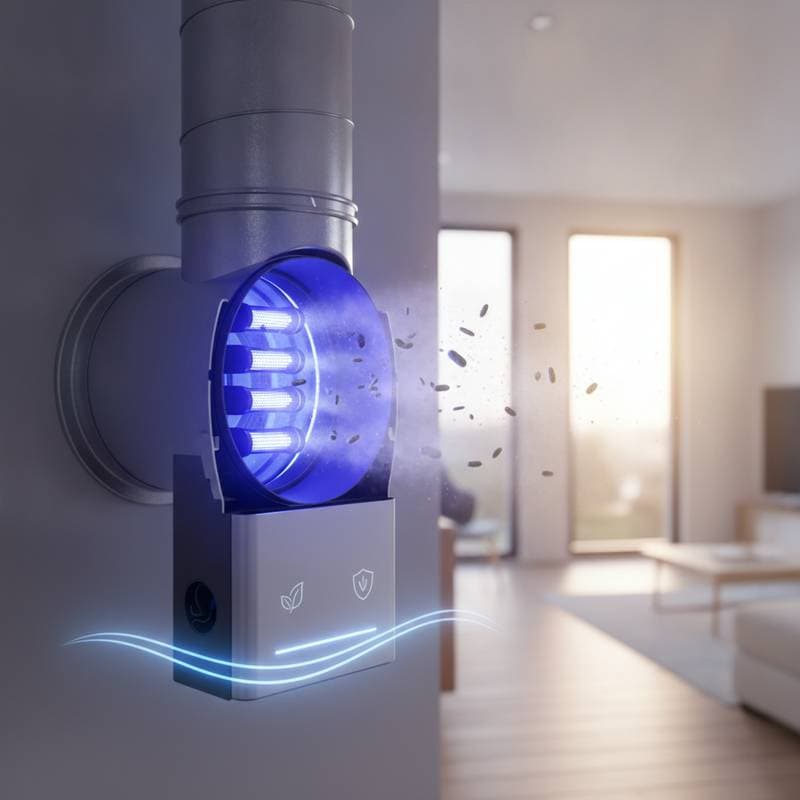
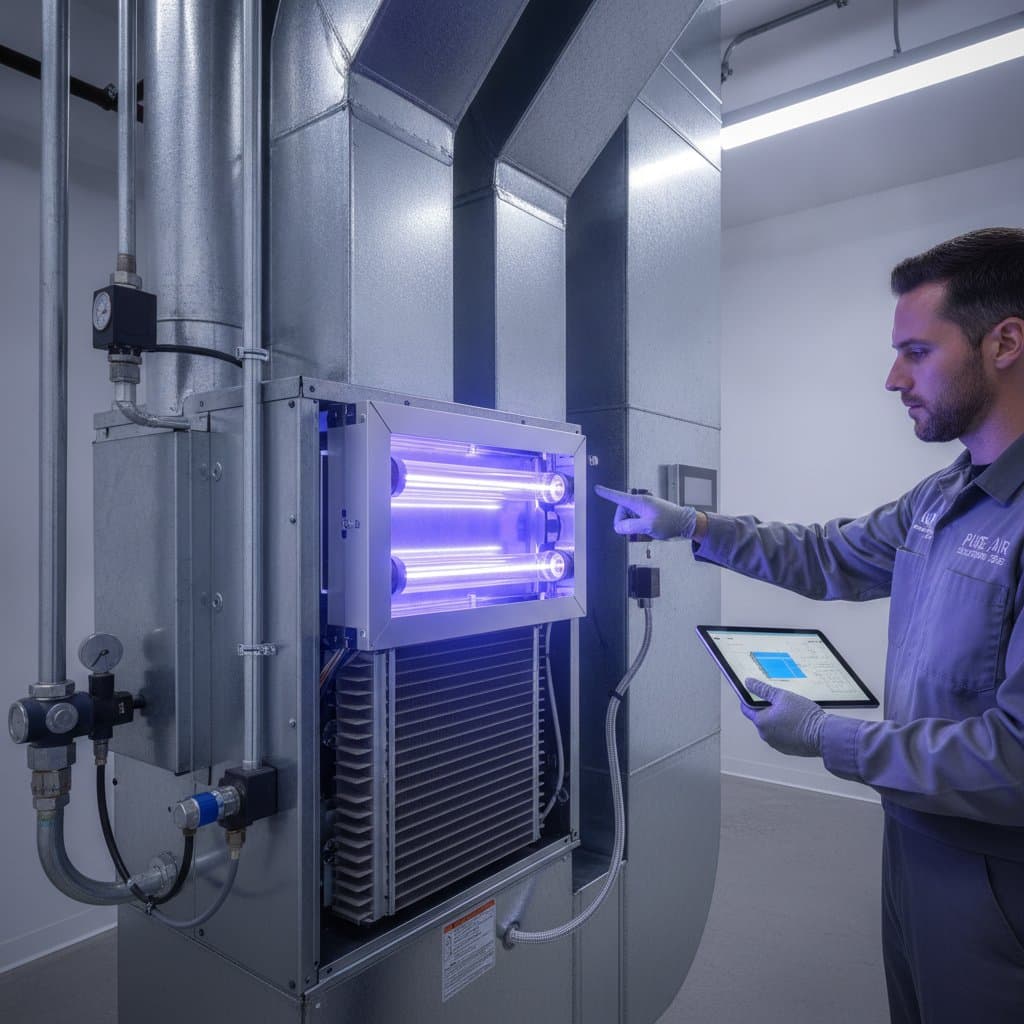
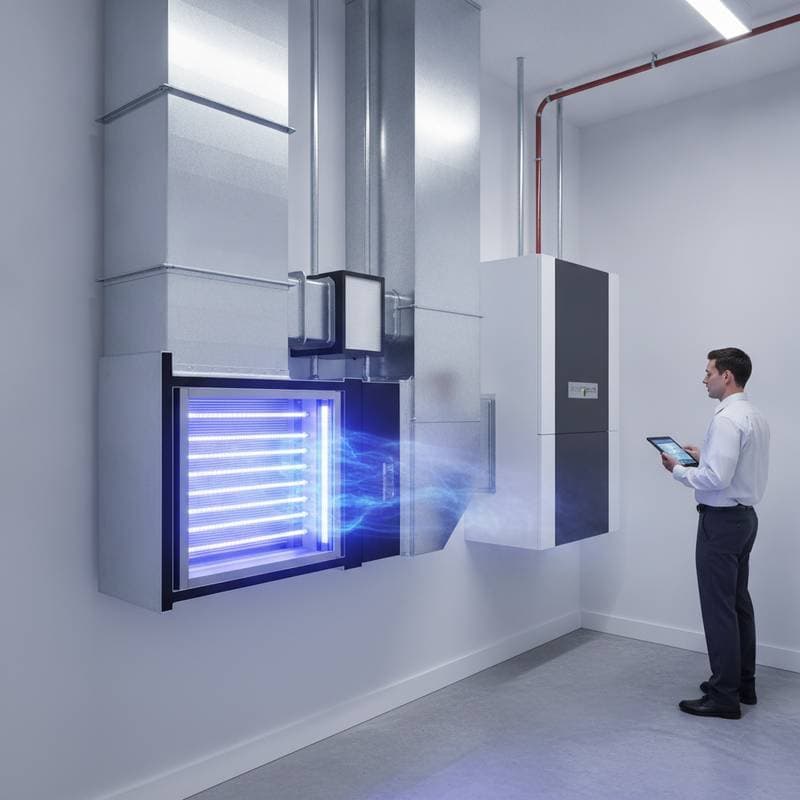
Systems integrate seamlessly as standalone devices or within HVAC frameworks. Duct-mounted options disinfect air during circulation, while coil-specific units focus on evaporator components to prevent microbial growth. Such versatility allows adaptation to various building sizes and ventilation configurations.
Mechanism of Pathogen Elimination
The core process involves germicidal irradiation, where UV-C light penetrates microbial cell walls and disrupts genetic material. Viruses lose their ability to infect hosts, bacteria fail to multiply, and mold spores cease propagation. This molecular-level neutralization surpasses mechanical filtration by addressing threats directly rather than merely capturing them.
For enhanced results, UV-C pairs effectively with particulate filters. The combination tackles both biological hazards and physical debris, fostering comprehensive air treatment.
| Contaminant | Elimination Rate | Impact |
|---|---|---|
| Viruses | Up to 99% | Disrupts viral capsids and genetic code to halt transmission |
| Bacteria | Up to 98% | Degrades cellular DNA, achieving sterilization |
| Mold Spores | Up to 97% | Inhibits spore germination on surfaces and in air |
| Odors | Moderate | Breaks down volatile organic compounds from biological sources |
Primary Advantages for Indoor Environments
UV-C systems deliver ongoing defense against airborne threats. The light activates with every airflow cycle, providing uninterrupted purification without manual intervention. Maintenance remains minimal, limited to annual bulb changes, which simplifies long-term use.
Additional gains include boosted HVAC performance through the prevention of biofilm on coils, leading to better energy efficiency and reduced repair needs. Odor mitigation occurs as the light degrades odor-producing organics, while the absence of fans ensures quiet functionality. These features prove especially beneficial for allergy sufferers, reducing irritants that exacerbate symptoms in homes with children, elderly residents, or those with chronic conditions.
In commercial spaces like offices or clinics, UV-C contributes to occupant well-being by minimizing sick days and maintaining hygienic standards. The technology supports compliance with health guidelines without relying on harsh chemicals.
Investment and Pricing Considerations
Pricing for UV-C purifiers depends on scale, integration type, and coverage area. Residential options suit smaller budgets, while enterprise-level setups address larger demands.
| Configuration | Price Range | Coverage and Features |
|---|---|---|
| Portable Unit | $150 to $400 | Ideal for individual rooms; includes timer and portability |
| Duct Integration | $400 to $900 | Whole-home air treatment via existing ventilation |
| Coil-Focused System | $700 to $1,200 | Prevents microbial buildup on HVAC components for efficiency |
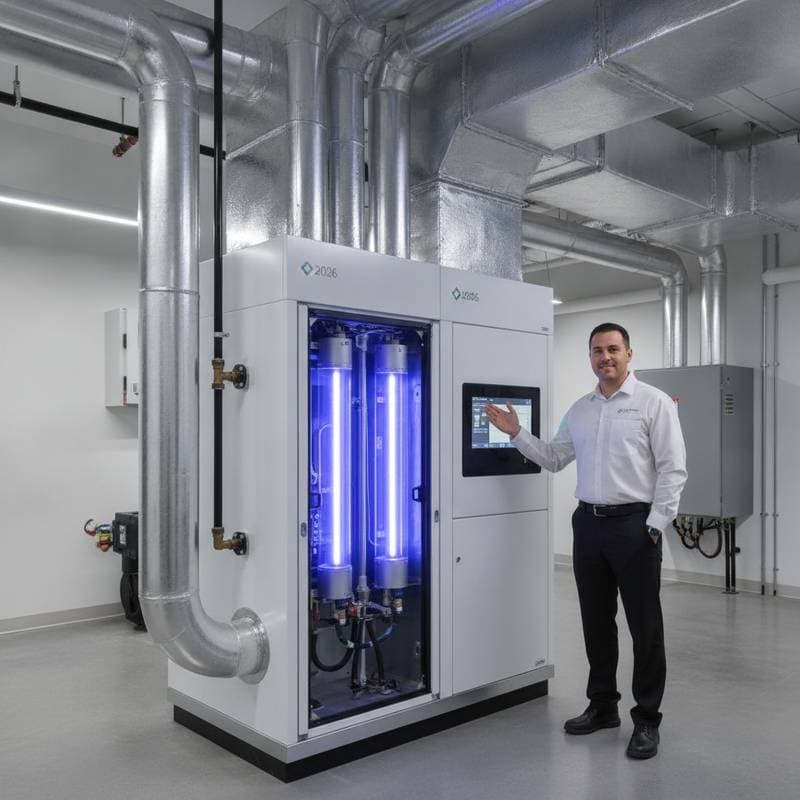
| Commercial Installation | $1,500 to $3,000 | Scalable for high-traffic areas with robust output |
Installation by certified technicians guarantees safety and efficacy, often including initial calibration for specific airflow dynamics.
Influences on System Performance
Optimal operation hinges on several variables. Air velocity demands sufficient UV dosage; higher speeds necessitate more powerful lamps. Strategic lamp positioning maximizes exposure, while aging bulbs lose intensity, requiring timely replacement every nine to twelve months.
Duct materials with reflective properties amplify light distribution, enhancing coverage. Humidity above 60% may slightly impede penetration, though most systems accommodate typical indoor conditions. Routine professional evaluations, including output testing, preserve peak functionality.
Frequently Asked Questions About UV-C Purifiers
How often does a UV-C bulb require replacement?
Bulbs maintain full germicidal strength for approximately one year under continuous operation. Visible light persistence does not indicate efficacy; schedule replacements annually to sustain 99% pathogen reduction.
Can UV-C systems handle dust or allergens like pet dander?
UV-C targets microbes exclusively and does not capture particulates. Integrate with HEPA filtration for dust, pollen, and dander removal to achieve holistic air purification.
Are UV-C purifiers safe for household installation?
Yes, when installed by professionals following safety protocols. Systems feature safeguards like shielded lamps to prevent direct exposure, ensuring no risk to occupants or pets.
Do UV-C purifiers address household odors?
They effectively neutralize odors from biological origins, such as mold or bacteria, by decomposing the compounds. Persistent chemical smells may require supplementary ventilation strategies.
Steps for Professional Installation
Selecting the right installer involves targeted inquiries to align the system with your needs.
- Which UV-C configuration best matches my home's HVAC layout?
- What intensity level suits my duct dimensions and airflow volume?
- How accessible is the bulb for routine servicing?
- What warranty terms apply to components and workmanship?
- Does the product hold relevant safety certifications?
- Is compatibility assured with current filtration setups?
- When can improvements in air quality become noticeable post-installation?
- What ongoing maintenance schedule do you suggest?
These questions guide decisions toward reliable, tailored solutions.
Sustaining Long-Term Effectiveness
Preserve your UV-C system's performance through consistent care. Monitor bulb indicators or timers for replacement, and clean accessible components quarterly to avoid dust accumulation that could block light. Annual technician visits verify alignment, intensity, and integration with HVAC elements.
Track air quality metrics, such as reduced allergy episodes or fresher scents, to gauge benefits. In variable climates, adjust for seasonal humidity fluctuations by consulting your provider. This proactive approach extends system lifespan, maximizes health protections, and optimizes energy use, yielding sustained value for cleaner indoor air.