How Humidity Control Reduces Allergy Symptoms by Up to 58%
Managing indoor humidity levels offers a powerful strategy for alleviating allergy symptoms. Research indicates that keeping humidity between 30% and 50% can decrease these symptoms by up to 58%, resulting in cleaner air and enhanced comfort for residents. Effective humidity control systems inhibit the proliferation of dust mites, mold spores, and other allergens that flourish in imbalanced moisture conditions.
This guide details the mechanisms of humidity control, available system options, associated costs, and practical installation advice. It addresses frequent inquiries regarding allergy mitigation via humidity regulation and provides guidance on selecting the optimal system for residential settings.
Mechanisms of Humidity Control in Allergy Reduction
Indoor humidity directly influences allergen concentrations. Dust mites, mold, and bacteria depend on adequate moisture for survival. Sustaining levels between 30% and 50% significantly curtails their development.
Controlling Dust Mites
Dust mites flourish in humid conditions exceeding 50%. Reducing humidity below this level eliminates substantial portions of mite populations and halts reproduction. Homeowners observe fewer allergic reactions, such as skin irritation and respiratory distress, after implementing these measures.
Preventing Mold and Mildew
Mold spores provoke intense allergic responses and breathing difficulties. Dehumidification deprives mold of necessary moisture, inhibiting growth on surfaces like walls, carpets, and upholstery. Consistent humidity management confines mold development and preserves structural integrity.
Enhancing Air Quality
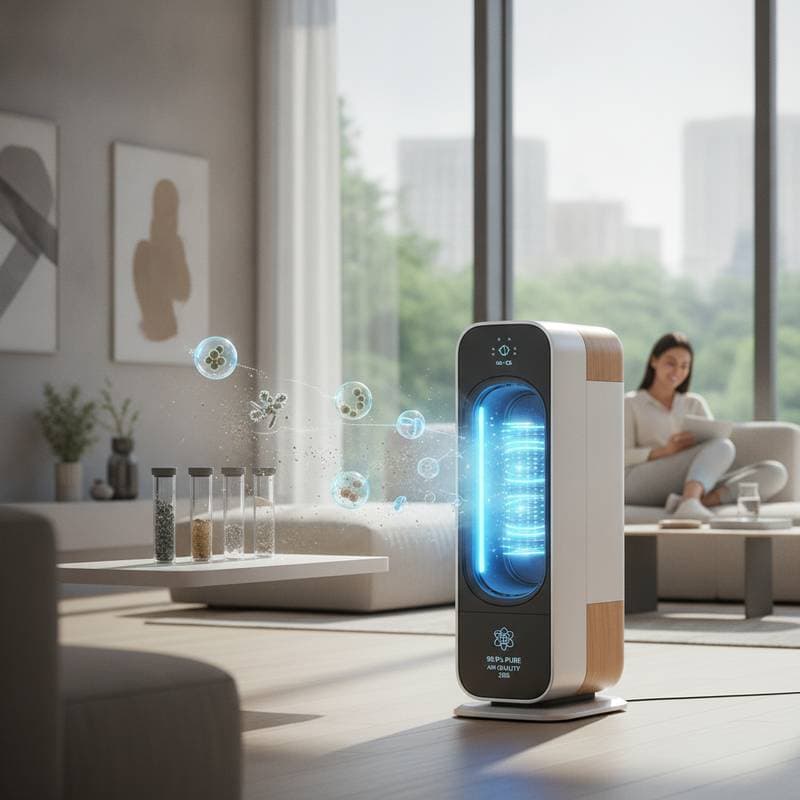
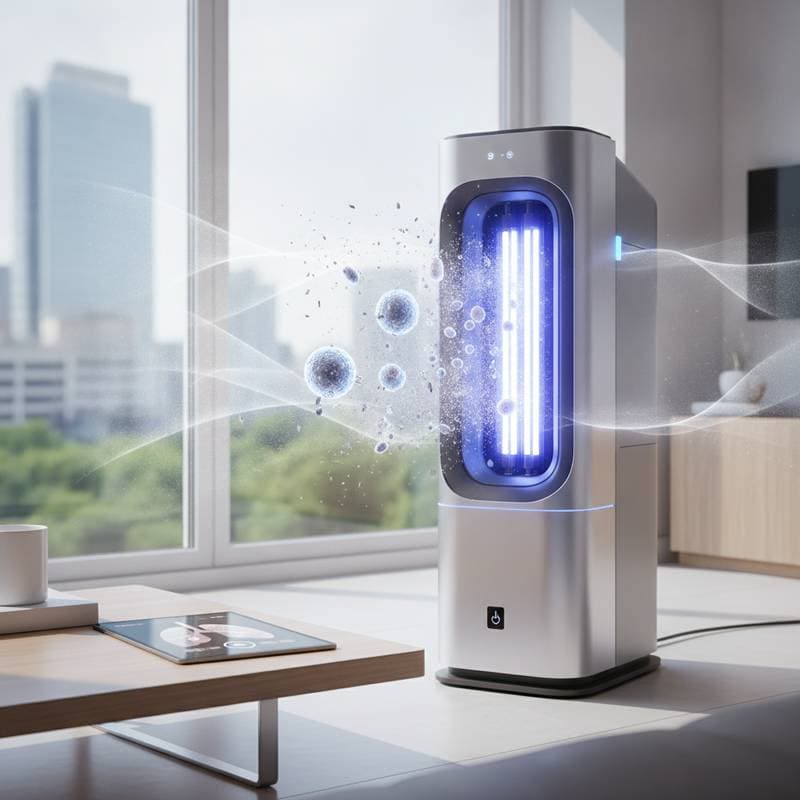
Optimal humidity improves HVAC filter efficacy. Excessively dry air permits dust and pollen to disperse freely, whereas high moisture fosters biological accumulations that obstruct filters. Balanced conditions enable filters to trap allergens more effectively, yielding purer indoor atmospheres.
Factors Influencing Humidity Control Costs
Installation and operation expenses for humidity control systems vary based on multiple elements.
System Types
Whole-home integrations demand higher initial investments yet provide comprehensive, enduring efficiency. Portable devices offer affordability for targeted areas but fall short in addressing entire residences uniformly.
Installation Labor
Professional services typically range from $300 to $1,200, influenced by system intricacy and regional rates. Incorporating units into existing HVAC setups extends labor duration and elevates costs.
Residence Dimensions and Configuration
Expansive properties necessitate robust or supplementary units. Open layouts may require zoning strategies or additional ducting to achieve uniform humidity distribution.
Efficiency and Automation Features
Models with high energy efficiency and automated sensors incur premium prices upfront. These attributes minimize long-term operational costs through precise regulation.
Upkeep and Component Replacement
Routine cleaning or substitution of filters and coils proves essential. Oversight in maintenance escalates energy consumption and compromises air purity.
Regional Climate Variations
Humid locales demand potent dehumidifiers, whereas dry regions benefit from humidifiers to sustain livable conditions.
Achieving Allergy Relief Through Humidity Management
Allergen Dynamics and Humidity
Equilibrium in humidity undermines environments conducive to allergen persistence. Elevated levels promote mold and bacterial expansion, while low levels desiccate mucous membranes, heightening vulnerability to irritants like dust and pollen.
Anticipated Outcomes
Precise adjustments can diminish airborne allergens by more than half, mitigating issues such as sneezing, nasal blockage, and ocular discomfort. Residents frequently note enhanced rest and general well-being following humidity stabilization.
Strategies for Optimal Relief
- Maintain humidity within 30% to 50% throughout the year.
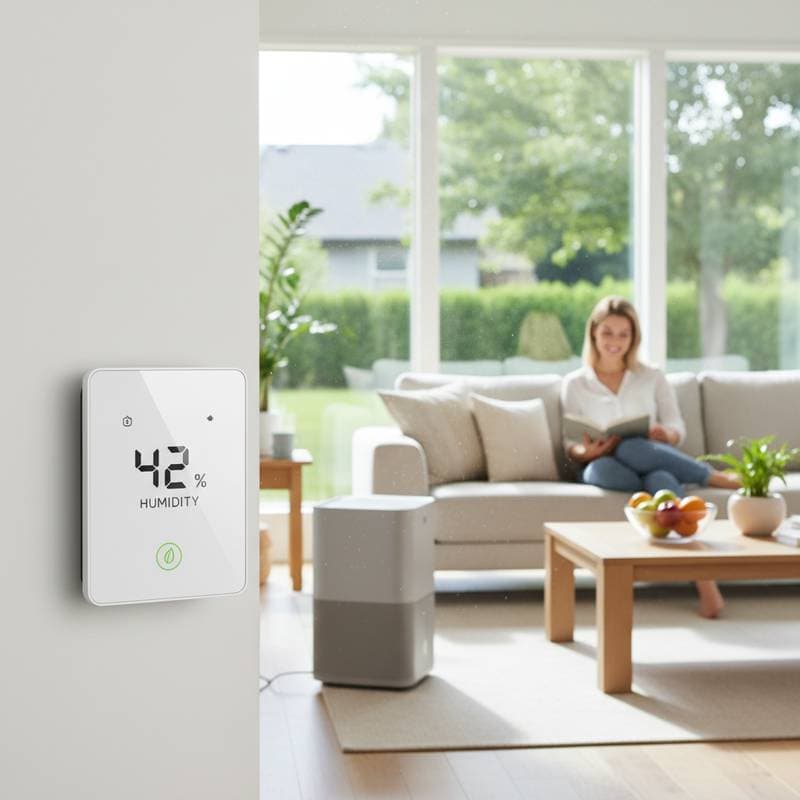
- Employ a hygrometer for ongoing monitoring.
- Renew filters at intervals of several months.
- Conduct duct and vent cleanings periodically.
- Arrange annual professional inspections.
Frequently Asked Questions on Humidity Control
What Is the Recommended Service Frequency for Dehumidifiers or Humidifiers?
Annual professional evaluations suit most systems. Filter changes occur every few months, contingent on environmental factors and utilization rates. Routine cleaning sustains uniform humidity and averts microbial proliferation.
Does Humidity Control Benefit Pet Allergy Sufferers?
Affirmative. Pet dander adheres to suspended dust. Regulated humidity restricts particle suspension, facilitating filter capture and reducing circulation.
What Constitutes the Ideal Humidity for Minimizing Allergies?
The optimal range spans 30% to 50%. Levels under 30% induce excessive dryness and sinus aggravation. Surpassing 50% accelerates mold and mite escalation. Equilibrium remains crucial for symptom alleviation.
Do Portable Units Rival Whole-Home Systems in Effectiveness?
Portable options suffice for confined spaces yet lack the breadth and reliability of centralized systems. HVAC-integrated solutions deliver sustained, pervasive results.
How Does Humidity Control Impact Energy Expenses?
It enhances HVAC efficiency. Deviations in moisture compel systems to labor excessively for thermal comfort. Equilibrium lessens energy requirements and utility expenditures.
Is Self-Installation Feasible for Humidity Control Systems?
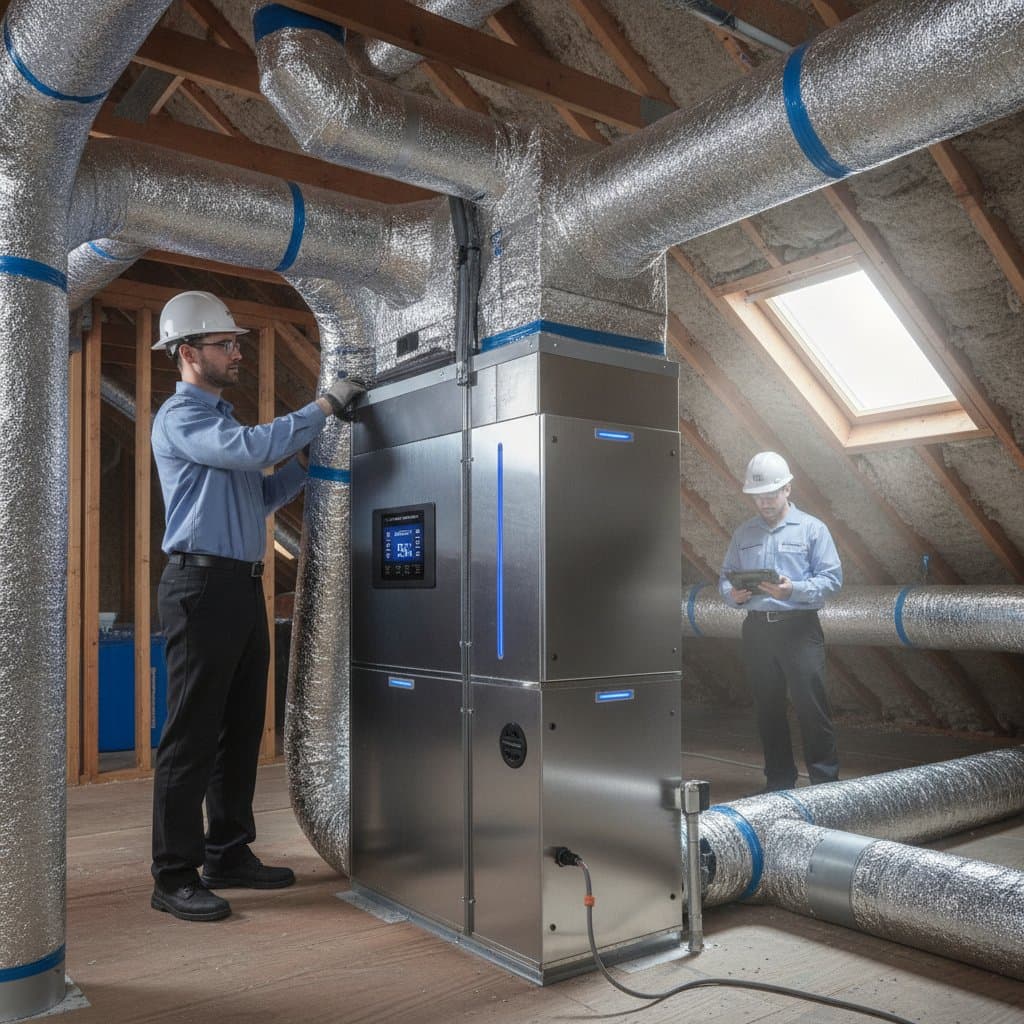
Plug-and-play portability accommodates DIY approaches. Whole-home variants necessitate expert intervention. Improper setup risks inefficiency, moisture leaks, or electrical hazards. Certified professionals guarantee secure functionality.
Securing Quotes for Humidity Control Installations
Engaging proficient HVAC specialists ensures appropriate sizing and integration. Evaluations of home structure, local weather, and air standards inform tailored recommendations.
Essential Inquiries for Prospective Contractors
- Which system suits my regional climate?
- Does it compatible with my existing HVAC?
- What maintenance and filter schedules apply?
- What warranties cover equipment and workmanship?
- Are rebates or efficiency incentives accessible locally?
- What duration does installation require?
- What target humidity supports allergy mitigation?
- What operational noise levels expect?
- Do smart controls or app integrations exist?
- What elements comprise the comprehensive quote?
Sustaining Indoor Air Quality Long-Term
Post-installation, diligent maintenance unlocks enduring advantages. Efficient operation and allergen filtration depend on regular care. Utilize digital hygrometers for level tracking, adhere to filter schedules, and ensure vent accessibility.
Humidity equilibrium fosters health and residential ease. Proper management yields up to 58% symptom reduction, superior air purity, and diminished HVAC stress. Such investments yield pristine environments and sustained comfort.