How Humidity Imbalances Are Costing You $1,800 a Year – And Proven Fixes to Reclaim Your Savings
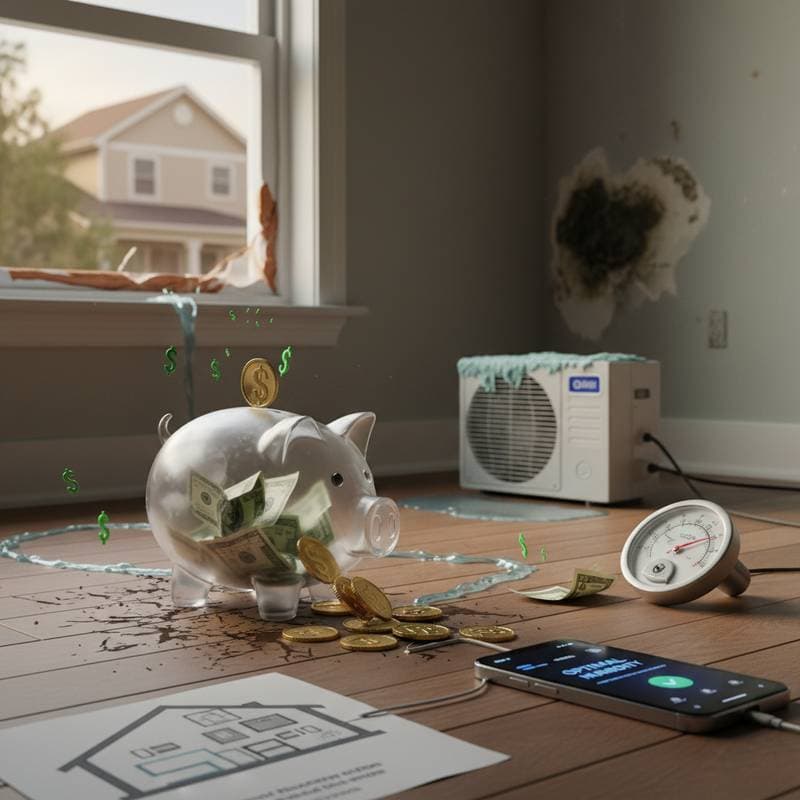
Humidity imbalances in your home operate like a stealthy expense, siphoning off roughly $1,800 annually through elevated energy demands, accelerated HVAC degradation, and moisture-induced structural harm. Homeowners often overlook these issues until bills climb or damage appears. By pinpointing common triggers and implementing targeted corrections, you can restore balance, lower costs, and foster a healthier living environment.
| Problem Area | Estimated Yearly Cost |
|---|---|
| Extra Energy Consumption | $400 - $600 |
| HVAC Repairs and Maintenance | $300 - $500 |
| Structural and Moisture Damage | $600 - $700 |
| Mold Remediation and Health Costs | $200 - $300 |
| Total Annual Impact | Up to $1,800 |
Breaking Down the True Price of Humidity Management
Effective humidity management extends beyond mere comfort; it represents a strategic investment in your home's longevity and your financial health. Costs fluctuate based on regional climate, square footage, and existing HVAC configurations. Consider these options to gauge potential returns.
| Solution | Average Installation Cost | Annual Operating Cost |
|---|---|---|
| Whole-Home Dehumidifier | $1,200 - $2,500 | $40 - $100 |
| Portable Dehumidifier | $150 - $400 | $30 - $80 |
| Whole-Home Humidifier | $500 - $1,200 | $20 - $60 |
| Smart Thermostat with Humidity Control | $200 - $500 | Minimal |
Investing upfront in a suitable system frequently recoups expenses within the first year, offsetting energy losses and averting repairs that compound over time.
Core Elements Driving Humidity Expenses
Humidity costs hinge on interconnected home features. Addressing even minor discrepancies here prevents escalation into substantial outlays.
Detecting and Sealing Indoor Air Infiltration
Gaps around windows, doors, and vents permit humid exterior air to infiltrate, compelling cooling systems to overperform and inflate utility charges. Conduct a thorough audit using a smoke pencil or thermal camera to locate leaks, then apply weatherstripping, caulk, or foam sealant for immediate efficiency gains.
Optimizing HVAC Performance for Moisture Removal
Aging or neglected HVAC units falter in dehumidification, extending runtime and amplifying wear on components like compressors. Opt for models boasting SEER2 ratings above 16, or integrate a dedicated dehumidifier to shorten cycles and extend equipment life by up to 30 percent.
Enhancing Insulation and Airflow Dynamics
Inadequate insulation retains trapped moisture, while insufficient ventilation fosters buildup in high-moisture zones such as kitchens and attics. Upgrade to R-38 attic insulation and install exhaust fans rated at 50 CFM or higher to circulate air effectively and mitigate condensation risks.
Adapting to Regional and Seasonal Variations
Humid regions rely on AC units for dual cooling and drying, whereas arid areas demand added moisture to avert material shrinkage. Tailor strategies by monitoring local dew points; for instance, activate dehumidifiers when outdoor humidity exceeds 60 percent to maintain indoor stability.
Selecting the Optimal Humidity Regulation System
Choose based on your home's moisture profile—excess or deficiency. Each system offers distinct advantages for comprehensive control.
Integrated Whole-Home Dehumidifiers
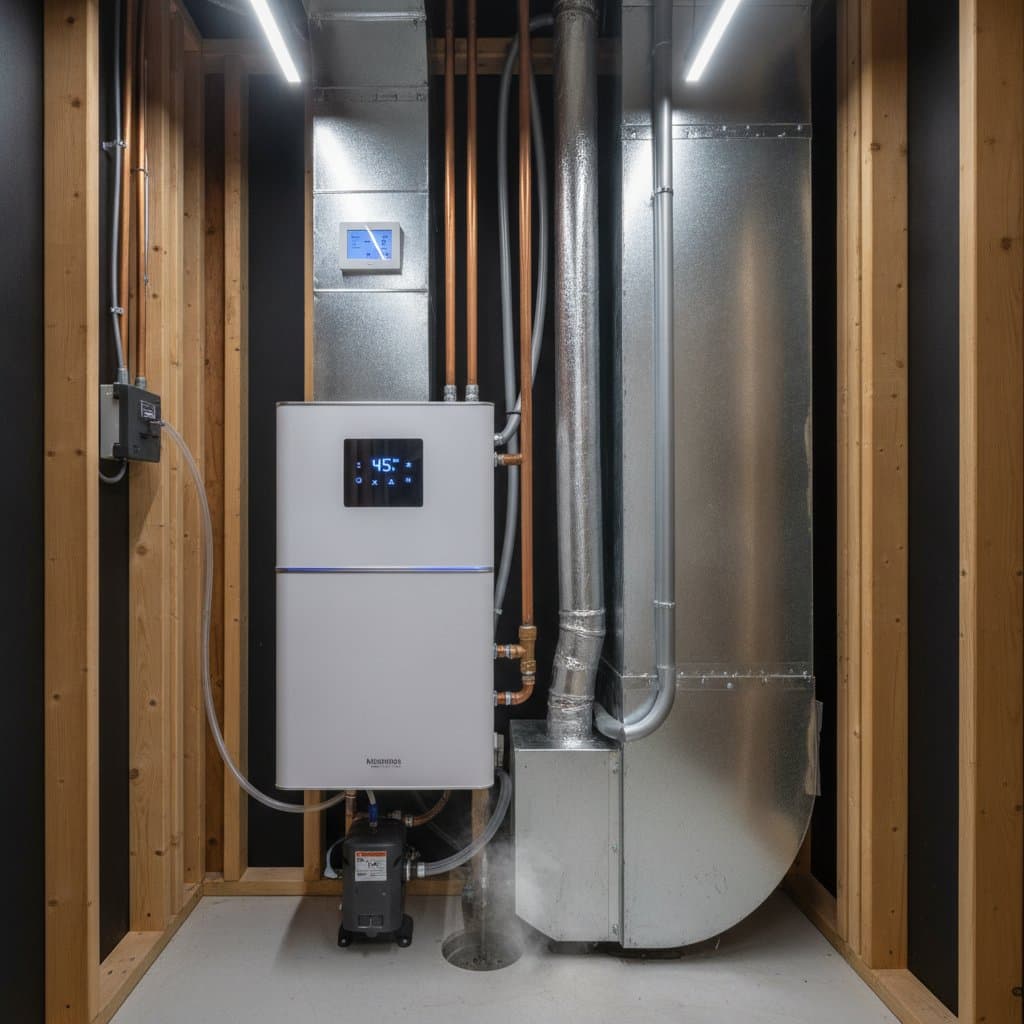
These connect directly to your central HVAC, extracting moisture across all spaces for uniform results.
Pros:
- Uniform humidity distribution
- Lowers mold proliferation
- Boosts AC efficiency by 15-20 percent
Cons:
- Elevated initial expense
- Demands skilled setup
Compact Portable Dehumidifiers
Ideal for spot treatment in damp areas like basements or laundry rooms.
Pros:
- Budget-friendly entry point
- Effortless relocation
Cons:
- Covers limited square footage
- Demands routine draining
Centralized Whole-Home Humidifiers
These infuse dry air with water vapor, shielding interiors from desiccation.
Pros:
- Preserves wood integrity
- Elevates winter comfort levels
Cons:
- Prone to bacterial growth without upkeep
- Risk of excess if not monitored
Intelligent Thermostats Equipped with Humidity Monitoring
These devices adjust settings in real time via built-in sensors.
Pros:
- Automates for peak efficiency
- Seamlessly pairs with current setups
Cons:
- Compatibility checks needed for older HVAC
Identifying Indicators of Humidity Disruption
Early detection averts major expenditures. Monitor for these telltale signs:
- Persistent window condensation
- Musty smells or mold patches
- Buckling floors or splitting moldings
- Bubbling paint or lifting wallpaper
- Heightened allergy symptoms
- Frequent static discharges in winter
- Spikes in utility statements
Multiple indicators signal an urgent need for intervention to prevent progression.
Step-by-Step Protocol for Humidity Restoration
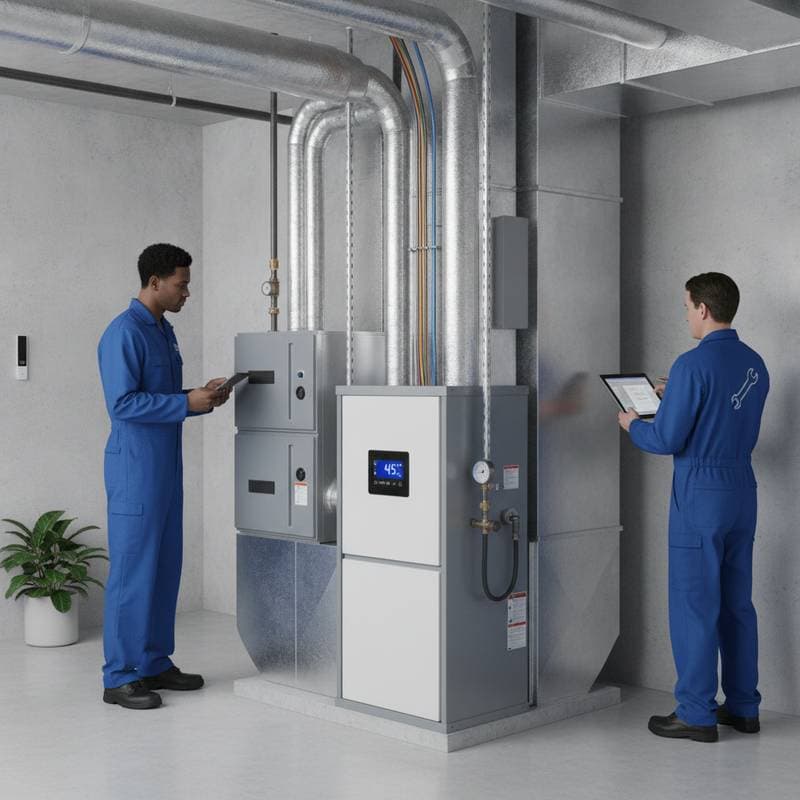
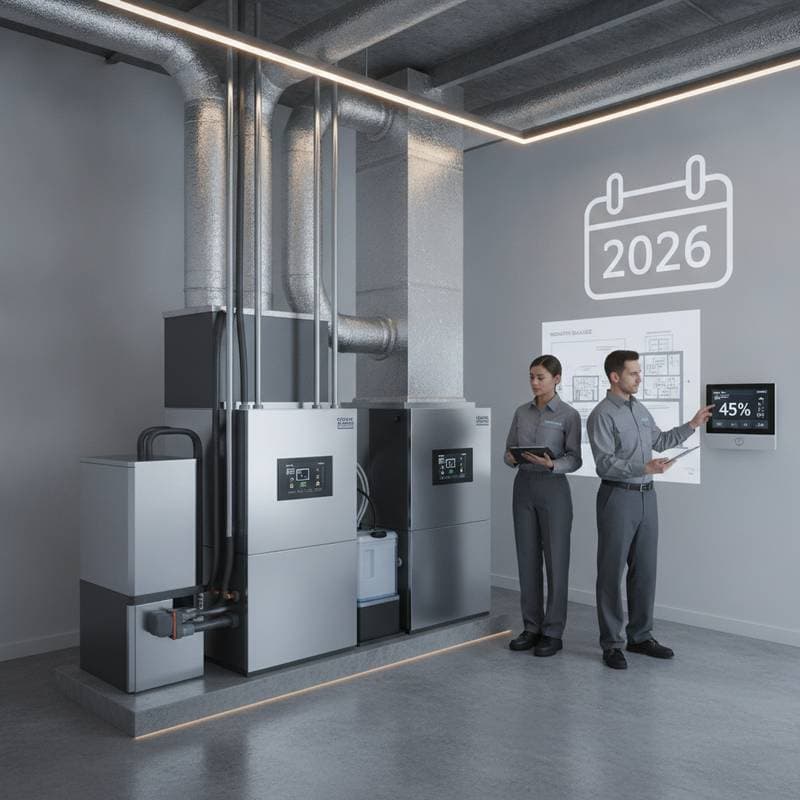
Professionals employ a systematic approach to diagnose and remedy imbalances, ensuring lasting results.
- Initial Evaluation and Quantification
Technicians deploy digital hygrometers to baseline humidity and map hotspots. - HVAC and Conduit Examination
Scrutinize coils, handlers, and ducts for obstructions or inefficiencies. - Leak Mitigation and Barrier Enhancements
Apply sealants and verify insulation integrity to block unwanted moisture transfer. - Equipment Tuning and Enhancements
Install or recalibrate devices like dehumidifiers to align with home needs. - Verification and Equilibrium Testing
Recalibrate to hold levels at 30-50 percent relative humidity. - Ongoing Upkeep Schedule
Plan biannual checks, including filter swaps and sensor calibrations.
Understanding Associated Service Expenses
Rates depend on project scope and geography, but precision pays dividends.
| Service | Average Labor Cost |
|---|---|
| Whole-Home Dehumidifier Installation | $400 - $800 |
| Whole-Home Humidifier Installation | $300 - $600 |
| Duct Sealing and Insulation | $200 - $500 |
| Diagnostic and System Calibration | $100 - $250 |
Professional execution minimizes errors, guaranteeing reliability and cost recovery.
Common Queries on Humidity Regulation
What Constitutes Optimal Indoor Humidity?
Aim for 30 to 50 percent relative humidity. This bracket curbs microbial growth, safeguards materials, and promotes respiratory ease.
Does Humidity Influence Utility Expenses?
Absolutely. High levels prolong AC operation; low levels strain heaters. Equilibrium trims waste by optimizing runtime.
Do Dehumidifiers Reduce Cooling Demands?
Yes, they enable faster cooling by preconditioning air, potentially slashing summer bills by 10 percent.
What Harms Arise from Elevated Humidity?
It fosters mold, distorts wood, erodes finishes, and undermines foundations, amassing repair bills over time.
How Frequently Require Humidity System Checks?
Twice yearly suffices for most, focusing on cleaning and adjustments to sustain efficacy.
Can Existing HVAC Handle Humidity?
Contemporary units often do; legacy systems benefit from add-ons like sensors for comparable control.
Are Portable Units a Sound Investment?
Suitable for targeted relief, yet integrated solutions outperform for holistic, economical management.
Securing Lasting Home Efficiency Through Balanced Humidity
Beyond immediate relief, precise humidity oversight fortifies health, preserves assets, and elevates living quality. Homes tuned to ideal levels consume less power, sidestep degradation, and retain higher market appeal. Arrange an assessment today to initiate these protective measures.