How Smart HVAC Humidity Control Reduces Mold Risk by 58 Percent
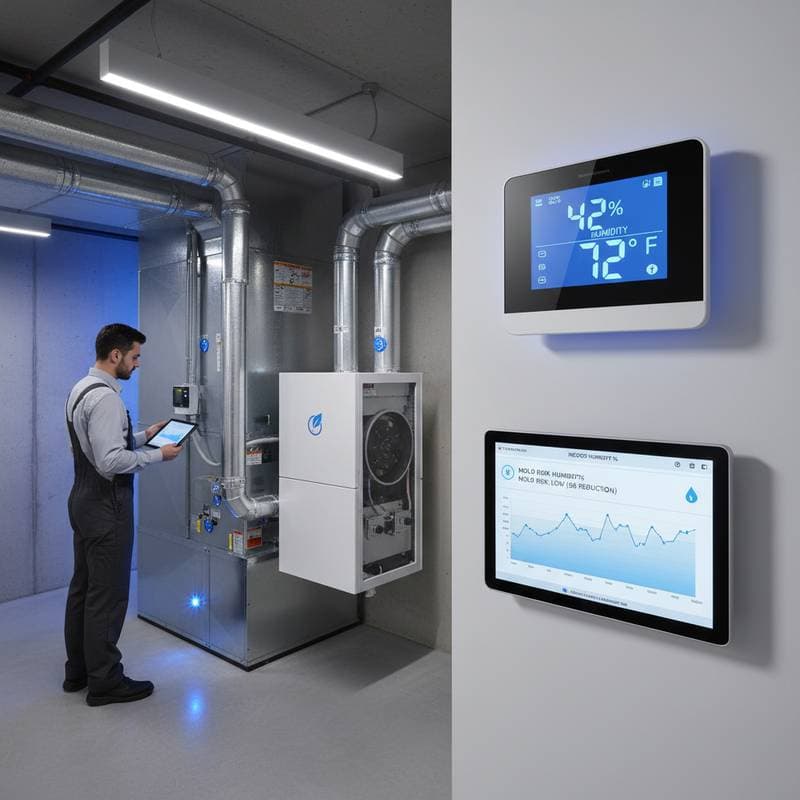
Effective management of indoor humidity stands as a primary strategy for preventing mold growth in residential settings. Research indicates that sustaining humidity levels between 30 percent and 50 percent can decrease mold risk by as much as 58 percent, thereby safeguarding property integrity and occupant health. Smart HVAC humidity control systems enable homeowners to regulate moisture automatically, fostering conditions that inhibit mold proliferation.
This article details the operational principles of smart humidity control, the relationship between HVAC functionality and mold mitigation, expenses involved in system upgrades, and actionable measures for year-round humidity equilibrium. Residents in humid coastal zones or arid inland locales alike benefit from targeted moisture oversight, which preserves building materials and elevates indoor air standards.
The Link Between Humidity Levels and Mold Development
Mold flourishes in moist settings characterized by inadequate airflow. When relative humidity surpasses 60 percent, materials like drywall, carpeting, insulation, and timber absorb sufficient moisture to support mold colony expansion. Progressive mold infestation compromises structural elements and disperses spores that compromise air purity.
Restricting humidity to under 50 percent renders survival challenging for mold organisms. Smart HVAC systems enforce this threshold through automation, eliminating reliance on manual interventions. Incremental adjustments in moisture regulation yield substantial impacts on enduring mold deterrence strategies.
Key Factors Affecting Humidity Control Expenses
Multiple variables dictate the investment required for achieving superior humidity regulation.
System Type and Integration Potential
Existing HVAC units equipped with smart capabilities incur minimal additional costs for enhancements. Legacy systems might necessitate supplementary devices or component substitutions to enable full functionality.
Residential Square Footage
Expansive properties demand robust humidification and dehumidification units, escalating procurement expenses. Accurate scaling guarantees uniform moisture distribution across all living spaces.
Regional Weather Patterns
Dwellings in high-humidity zones require intensified dehumidification measures, whereas arid environments often incorporate humidifiers to counterbalance winter dryness.
Operational Efficiency Ratings
Advanced-efficiency models command higher initial outlays yet deliver long-term savings via reduced energy demands and diminished utility expenditures.
Setup and Expertise Requirements
Engaging certified installers confirms precise sensor and controller placement. Self-directed assembly, while cost-saving in appearance, frequently results in erroneous data capture and suboptimal efficacy.
Indicators of Imbalanced Humidity in Your Residence
Identifying preliminary symptoms of humidity disequilibrium allows for prompt remediation, averting mold emergence.
- Condensation forming on windowpanes or wall surfaces
- Musty scents emanating from bathrooms, basements, or storage areas
- Distorted wooden flooring or flaking paint finishes
- Ongoing respiratory distress or allergic reactions
- Apparent mold patches on walls, ceilings, or ventilation outlets
Presence of these signals suggests moisture imbalance within the home. Implementation of a smart system facilitates real-time monitoring and automated adjustments to forestall repeated occurrences.
Frequently Asked Questions on Smart HVAC Humidity Control
How Frequently Should Humidity Levels Undergo Verification?
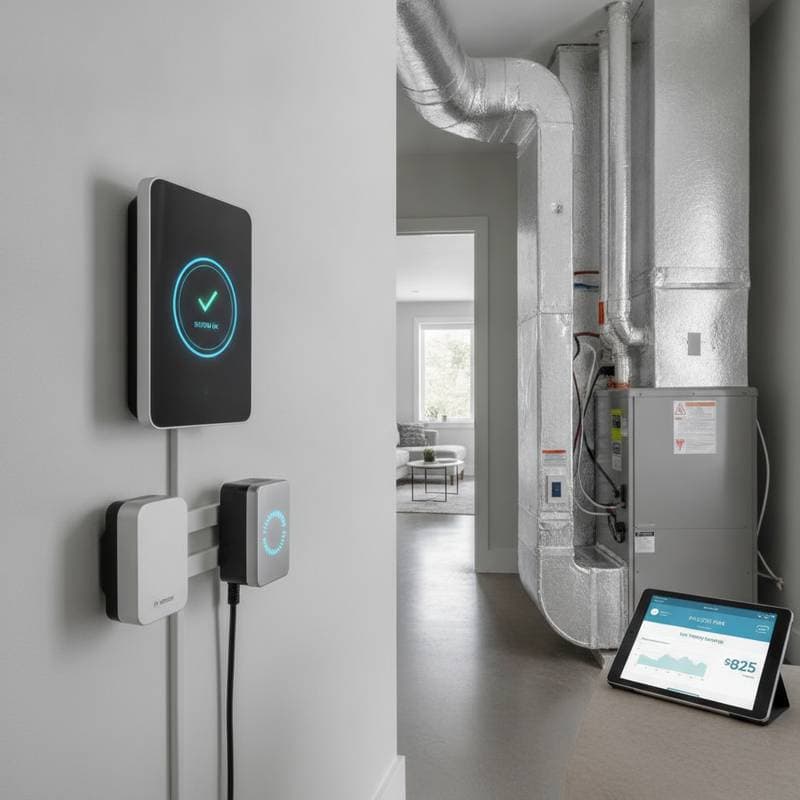
Smart systems provide perpetual monitoring via integrated sensors that relay information to thermostats or mobile applications. For non-automated setups, employ a digital hygrometer for weekly assessments to confirm adherence to the optimal range.
Is Retrofitting Possible for Current HVAC Installations?
Affirmative in numerous instances. Intelligent thermostats and independent humidity regulators compatibly interface with contemporary HVAC frameworks. For antiquated units, consult a specialist for viable upgrade pathways or substitution options supporting smart connectivity.
What Constitutes the Optimal Humidity Threshold for Mold Prevention?
The recommended interval spans 30 percent to 50 percent relative humidity. Readings below 30 percent may induce excessive aridity and unease, whereas elevations beyond 50 percent foster environments conducive to mold and microbial activity.
Do Smart Humidity Regulators Promote Energy Conservation?
Indeed. Optimization of temperature and humidity parameters lightens the operational burden on HVAC components, culminating in decreased energy usage and steady comfort levels residence-wide.
What Duration Does System Installation Typically Require?
Standard procedures span several hours, contingent upon system intricacy. Comprehensive whole-home configurations incorporating humidifiers or dehumidifiers could extend timelines, particularly with requisite ductwork alterations.
Securing Quotes for Smart HVAC Humidity Control
Selecting a proficient HVAC specialist guarantees tailored configuration for precise moisture oversight. Experts assess insulation quality, duct configurations, and environmental demands prior to proposing customized interventions.
Essential Inquiries for Your HVAC Specialist
- Which humidity control variant aligns best with my present HVAC configuration?
- What protocols govern sensor and filter upkeep to sustain precision over time?
- What guarantees or maintenance packages accompany the hardware?
- Does the system accommodate integration with my current smart thermostat or automation ecosystem?
- What frequency of calibration inspections do you advise?
- What reductions in energy costs might follow post-installation?
- Do you provide comprehensive whole-home dehumidification or humidification solutions?
- How does the system adapt to fluctuations in seasonal humidity?
- What comprise the aggregate setup and ongoing maintenance expenditures?
- In what manner can I access humidity data through smartphone interfaces or control interfaces?
Sustaining Peak Performance in Your System
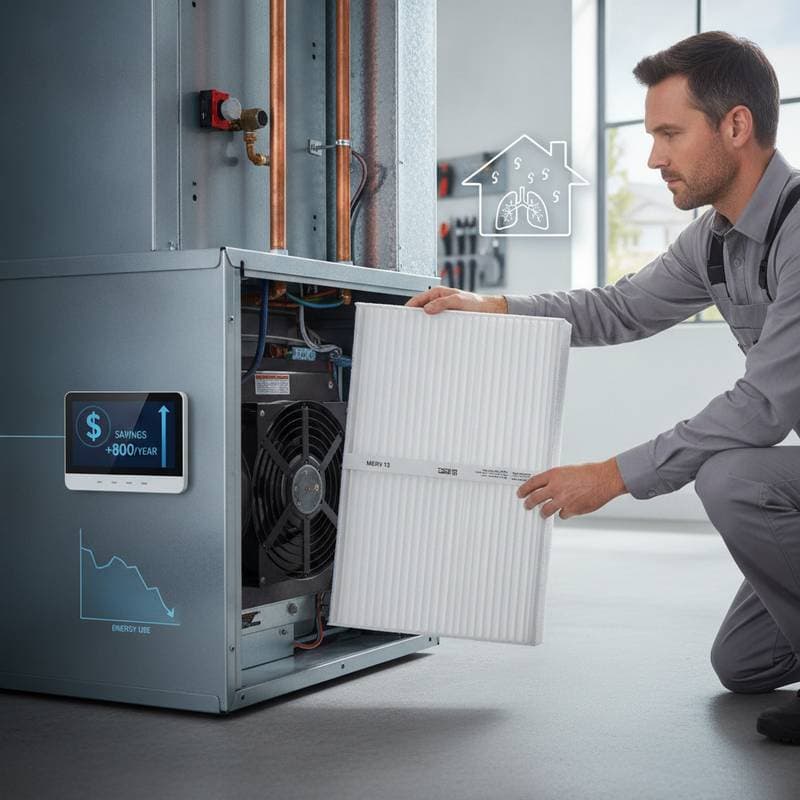
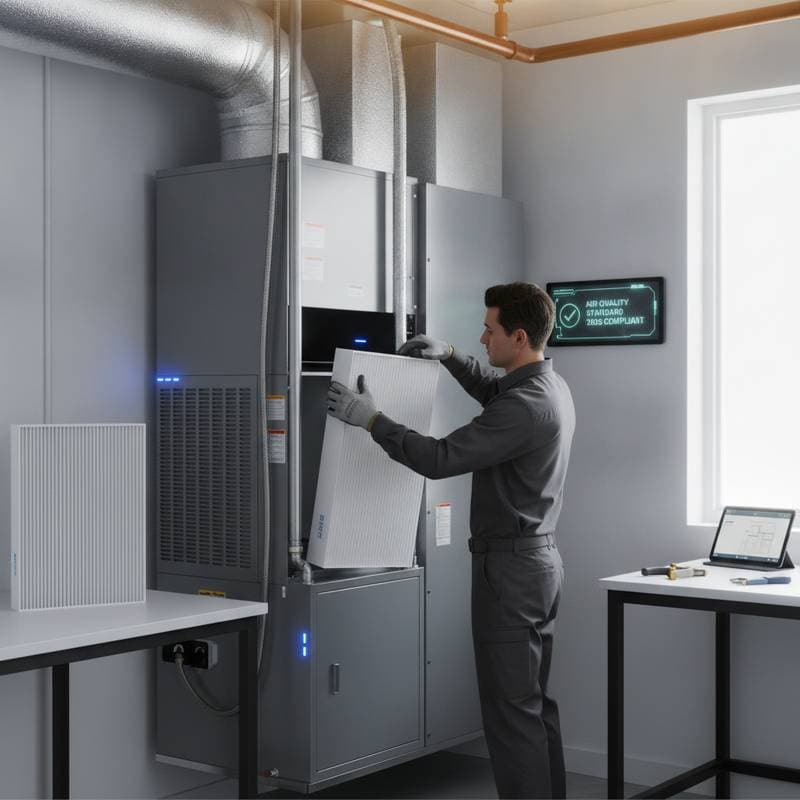
Following installation of a smart humidity control apparatus, consistent upkeep preserves operational excellence. Adhere to filter replacement schedules, execute periodic sensor cleansing, and arrange biannual evaluations to affirm functionality. Such diligence upholds healthful moisture profiles, thwarts mold formation, and secures enduring indoor livability.
Smart HVAC humidity control delivers a dependable, hands-free approach to indoor moisture governance. By upholding ideal parameters, residents diminish mold threats by up to 58 percent, prolong HVAC longevity, and cultivate purer, more agreeable atmospheres daily.