How Do UV-C Lights Eliminate 99% of Mold Growth in Modern Homes?
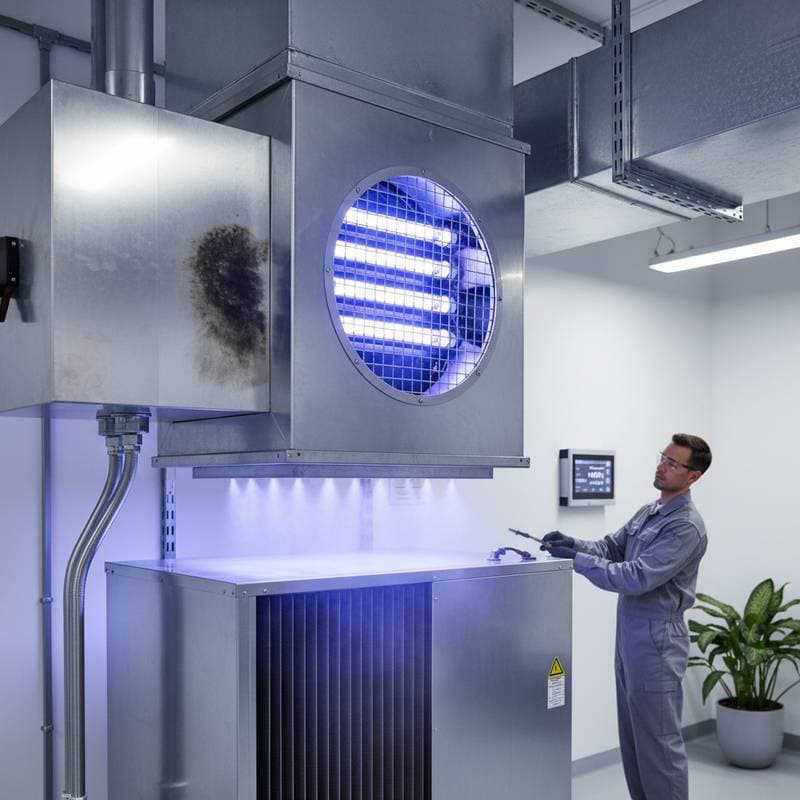
Understanding the Power of UV-C Light in HVAC Systems
Homeowners increasingly adopt UV-C light technology to achieve cleaner indoor air and minimize mold growth within HVAC systems. The typical installation cost ranges from $350 to $800, based on system size and lamp type. This investment reduces airborne contaminants and surface mold by up to 99 percent, which enhances system efficiency and indoor air quality.
This article details the mechanism of UV-C lights in preventing mold, examines installation costs, identifies pricing factors, and highlights the long-term benefits of incorporating UV-C purification into HVAC systems.
Average Cost of UV-C Light Installation for HVAC Systems
The average cost to install UV-C lights in an HVAC system ranges from $350 to $800. Pricing varies according to system type, lamp quality, and the choice between professional installation or a do-it-yourself approach.
| Type | Average Cost | Details |
|---|---|---|
| Coil Sanitizing Light | $350 – $600 | Positioned near the evaporator coil to address mold and bacterial growth on surfaces |
| Air Sanitizing Light | $500 – $800 | Placed in ductwork to treat air circulating through the home |
| Dual UV-C System | $650 – $950 | Integrates coil and air sanitizing lights for comprehensive protection |
| Replacement Bulb | $100 – $200 | Required annually or biannually, depending on usage and manufacturer guidelines |
Coil sanitizing lights suit smaller homes most effectively, while dual systems deliver superior protection in multi-zone HVAC configurations or larger properties.
Benefits of Installing UV-C Lights in HVAC Systems
UV-C lights provide immediate and sustained advantages for homeowners focused on indoor air quality and HVAC performance.
- Mold and Mildew Prevention: Continuous UV-C exposure prevents organic buildup on evaporator coils, which otherwise fosters mold and generates odors.
- Improved Air Quality: The technology neutralizes bacteria, viruses, and spores to deliver cleaner air, benefiting individuals with allergies or respiratory conditions.
- Energy Efficiency: Clean coils enable the HVAC system to function with less effort, easing the load on the compressor and blower motor.
- Reduced Maintenance Costs: Minimal biological accumulation decreases the need for frequent coil cleanings or duct disinfections.
- Extended Equipment Life: Unobstructed coils and ducts promote steady airflow and lessen component wear.
UV-C Light Maintenance Tips
Effective performance of UV-C systems requires consistent upkeep.
- Clean the Bulb Regularly: Dust accumulation diminishes light output, so gently wipe the bulb with a soft, dry cloth at least twice annually.
- Replace Bulbs on Schedule: Adhere to the manufacturer’s timeline to preserve full germicidal efficacy.
- Inspect for Moisture: Examine the coil vicinity for condensation leaks that might corrode the fixture.
- Monitor Air Quality: Persistent musty odors or visible mold signal the need for an HVAC inspection to verify operational status.
UV-C Light and Mold Prevention FAQs
How long do UV-C bulbs last?
Most UV-C bulbs endure 9 to 12 months of continuous operation. Beyond this duration, the bulb may illuminate but loses significant germicidal power. Timely replacement sustains disinfection effectiveness.
Can UV-C lights eliminate existing mold?
UV-C light neutralizes mold on surfaces exposed directly to its rays. For mold embedded deeply in insulation or duct linings, professional cleaning or material replacement becomes necessary.
Are UV-C lights safe for home use?
Proper installation within an HVAC system renders UV-C lights safe. The enclosure in the air handler or ductwork shields occupants from exposure.
Do UV-C lights help with allergies?
Reduction of bacteria, mold spores, and allergens in the air stream alleviates symptoms for those affected by suboptimal indoor environments.
How much energy do UV-C lights use?
Typical systems consume 10 to 40 watts, comparable to a modest incandescent bulb. Energy expenses remain low relative to maintenance savings and efficiency gains.
Can I install UV-C lights myself?
Certain homeowners manage installation of coil-mounted units independently. Professional service, however, guarantees secure electrical integration and precise positioning for optimal results.
Do UV-C lights work without the HVAC running?
Coil sanitizing lights function continuously to combat surface accumulation. Air sanitizing lights engage primarily during blower operation to process moving air.
Getting UV-C Light Installation Quotes
Engaging a qualified HVAC contractor secures proper and safe UV-C system installation. Technicians assess home configuration, suggest appropriate lamp varieties, and confirm seamless integration with current equipment.
Questions to Ask Your HVAC Contractor
- What type of UV-C light system suits my HVAC configuration?
- Where should the light position for optimal mold control?
- What are the costs for installation and annual maintenance?
- What lifespan do the bulbs and fixtures offer?
- Are replacement bulbs accessible from the manufacturer?
- Does the system come with a warranty or service agreement?
- How frequently should inspections occur?
- Will the lights conflict with filters, humidifiers, or other components?
- Can you share references from previous projects?
- When can installation commence?
Ensuring Long-Term Performance of Your UV-C System
Incorporating UV-C lights into an HVAC setup represents a proven strategy for mold management and air purification. Routine maintenance, bulb replacements on schedule, and regular inspections sustain efficiency throughout the year, yielding cleaner air and reliable system operation.