The HVAC Upgrade That Eliminates 99.9% of Mold and Viruses
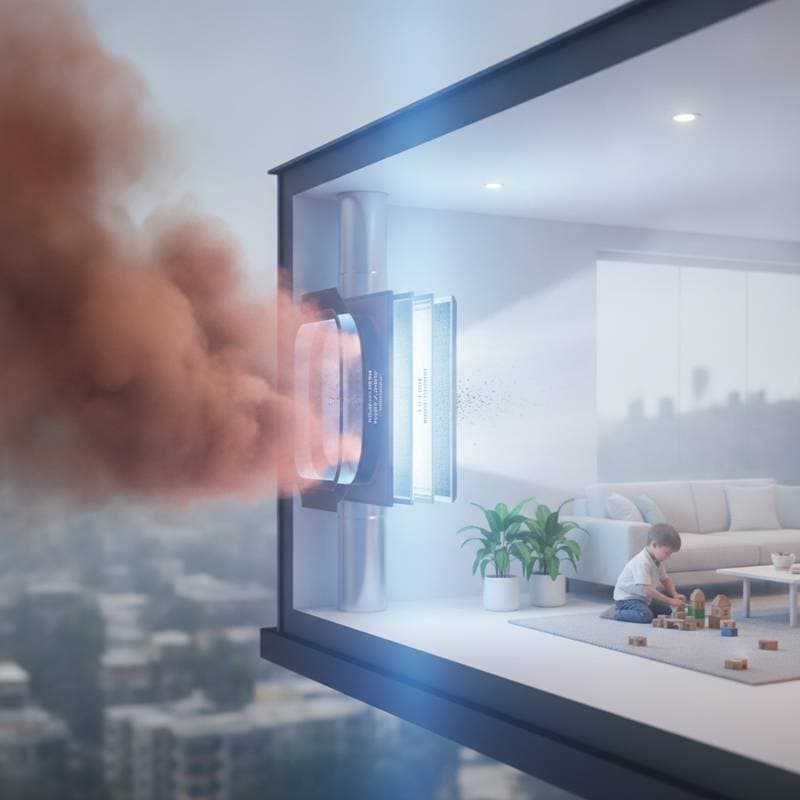
Indoor air quality influences health, comfort, and energy use in profound ways. Homeowners often encounter musty odors, allergy symptoms, or doubts about air cleanliness. A targeted HVAC upgrade addresses these issues effectively. Ultraviolet-C (UV-C) light systems for HVAC units destroy mold, bacteria, and viruses before they spread through vents. This guide explains the technology, its benefits, and practical steps for implementation.
Understanding UV-C Light in HVAC Systems
UV-C light operates at a specific ultraviolet wavelength designed for disinfection purposes. Professionals have applied it in hospitals and labs for years to sterilize surfaces and equipment. In residential HVAC setups, installers position UV-C lights within the system to treat passing air and moisture-prone internal components.
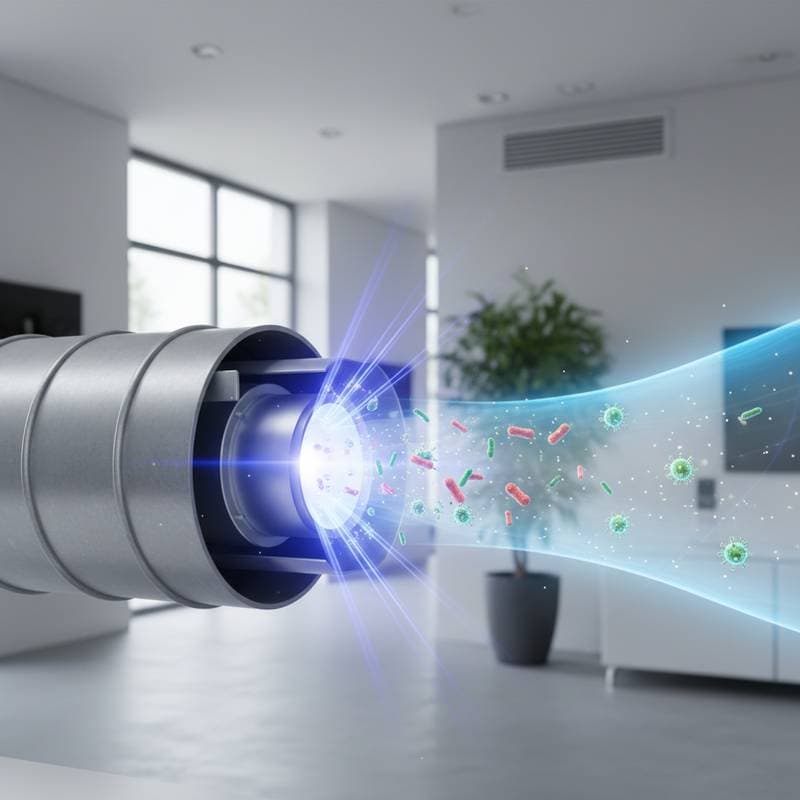
The light remains invisible to humans yet penetrates microorganisms at a cellular level. It disrupts the DNA or RNA in mold spores, viruses, and bacteria, halting reproduction and rendering them harmless. This process maintains cleaner air and prevents contaminant buildup on system surfaces.
Mechanism of UV-C Light Within HVAC Units
Technicians mount UV-C lights adjacent to the evaporator coil or within the air handler. Condensation in these zones creates damp environments favorable to mold development. The light exposes both the coil and airflow to continuous germicidal rays.
The disinfection sequence unfolds as follows:
-
Air enters via return vents, laden with dust, allergens, and microbes.
-
Within the coil area, exposure to UV-C light occurs.
-
Genetic material in mold and viruses degrades, inhibiting growth.
-
Treated air returns to living spaces, minimizing health threats and odors.
This ongoing treatment activates whenever the HVAC system operates, providing reliable purification.
Indicators That Suggest UV-C Light Installation
Assess your home for signs of poor air quality to determine suitability. Persistent damp smells from vents signal potential mold presence. Indoor allergy or asthma episodes may stem from circulating contaminants.
Inspect for visible mold on coils or pans, excessive vent dust accumulation, or family respiratory issues. These cues indicate microbial proliferation in ducts. UV-C systems target root causes, offering prevention over temporary fixes.
Primary Advantages of UV-C Light Integration
UV-C enhancements deliver health and operational gains for HVAC systems.
Enhanced Air Purity
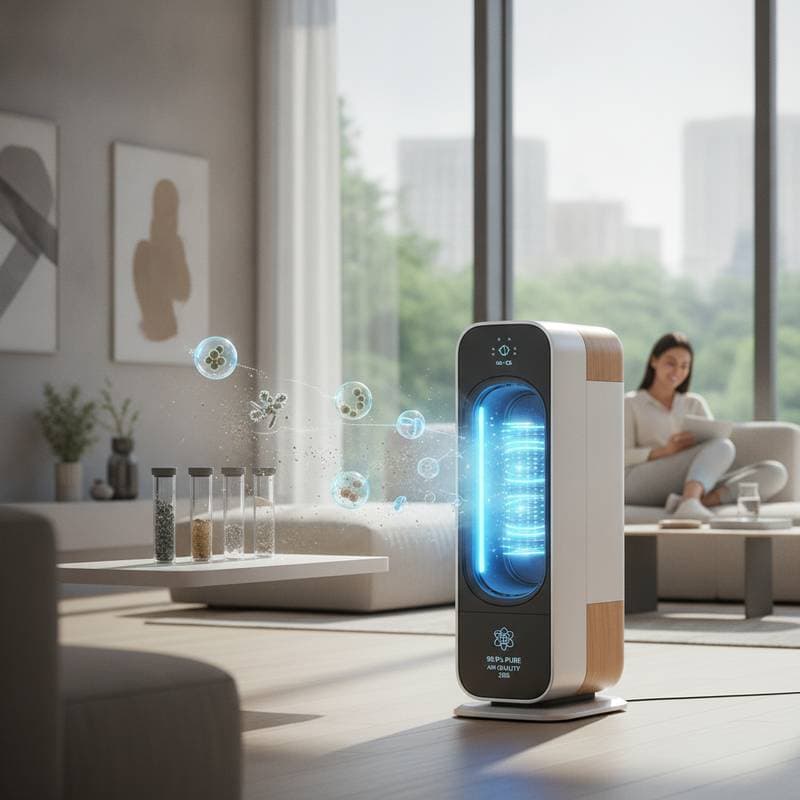
UV-C eradicates 99.9% of airborne bacteria, viruses, and mold, curtailing harmful particle distribution. Residents experience fewer irritants, supporting overall well-being. This hospital-grade method elevates indoor environments to safer standards.
Elimination of Odors
Musty scents upon system startup often trace to coil mold. UV-C inhibits growth, neutralizing odor sources at their origin. Homes maintain fresh air without reliance on masking agents.
Boosted System Performance
Microbial films on coils impede heat exchange, mimicking insulation barriers. Clean coils facilitated by UV-C improve efficiency, potentially reducing utility bills. Systems operate at optimal capacity with less strain.
Reduced Upkeep Expenses
Fewer cleanings and filter changes result from sustained cleanliness. UV-C prevents corrosion and clogs, prolonging equipment lifespan. Long-term savings offset initial outlays.
Uninterrupted Safeguarding
UV-C functions continuously, unlike replaceable filters requiring frequent attention. It delivers steady protection with minimal homeowner involvement. Reliability ensures consistent air quality year-round.
Elements Influencing UV-C Installation Expenses
Costs fluctuate based on system specifics and choices. Larger HVAC configurations demand multiple units for comprehensive treatment. Coil-focused models cost less than those purifying dynamic air streams.
Installation site accessibility affects labor fees; confined spaces increase time requirements. Premium brands feature durable bulbs and robust casings, justifying higher prices. Engage certified technicians for secure electrical integration.
Typical expenditures range from several hundred to one thousand dollars, inclusive of labor. Regional variations and provider rates apply; obtain itemized estimates. Investments yield returns through health improvements and efficiency gains.
Weighing DIY Against Professional Installation
Some UV-C kits appeal to DIY enthusiasts, yet professional involvement remains advisable. Homeowners can perform basic maintenance like filter checks and vent clearing. Research aids in selecting appropriate models and discussing configurations.
Professionals handle electrical connections, precise alignments, and seals to contain UV exposure. Errors compromise efficacy or introduce hazards like shocks or fires. Expertise guarantees optimal placement and safety compliance.
Steps in the UV-C Light Installation Procedure
Familiarity with the process eases concerns. Technicians begin with a thorough system evaluation to identify ideal positions. They secure the UV-C assembly within the designated chamber or duct.
Wiring integrates with existing power, adhering to codes. Post-installation tests confirm functionality and containment of rays. Guidance on bulb replacement, typically annual or biennial, follows completion.
The procedure concludes swiftly, preserving HVAC operations. Homes benefit from immediate enhancements in air treatment.
Frequently Addressed Queries
Bulb Replacement Frequency for UV-C Lights?
Bulbs endure 9 to 24 months, varying by model and operation hours. Output diminishes gradually, necessitating timely swaps for sustained disinfection. Schedule based on manufacturer recommendations.
Capability of UV-C to Address Dust or Pet Allergens?
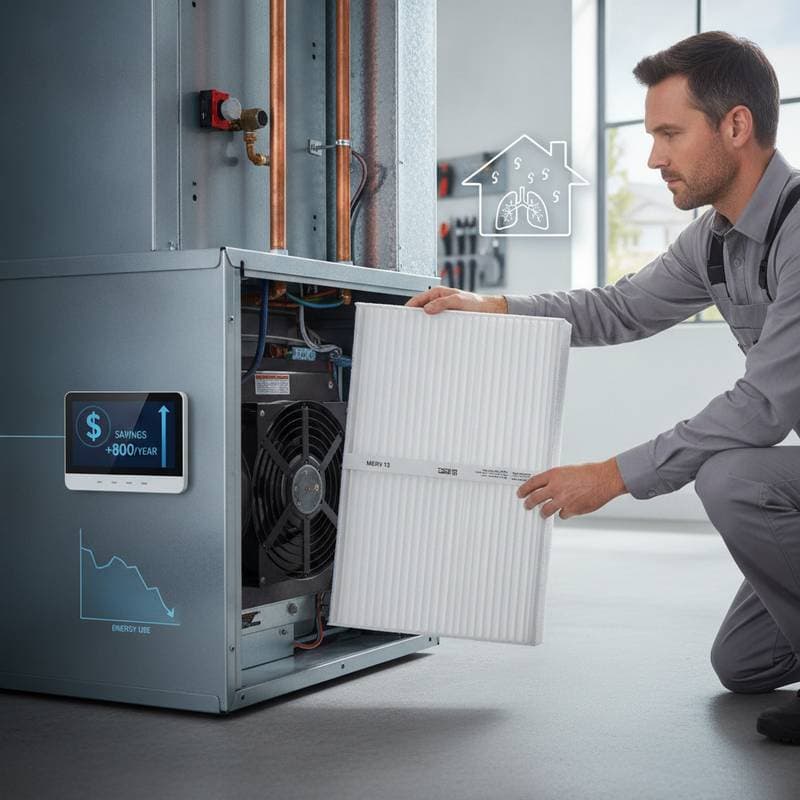
UV-C targets microbes exclusively, leaving particulate matter untouched. Pair with efficient filters to trap dust, pollen, and dander. Complementary strategies maximize air quality.
Sustaining Optimal Indoor Environments
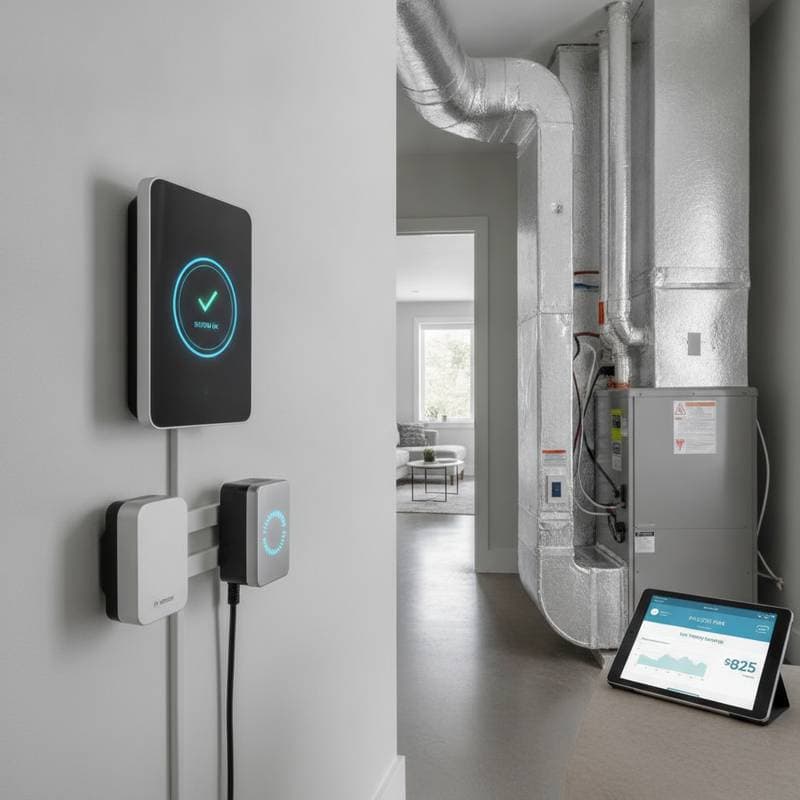
Integrate UV-C with routine HVAC care for lasting results. Regular filter changes and duct inspections complement the technology. Monitor air quality indicators to adjust as needed.
Professional servicing ensures peak performance. Homes achieve healthier atmospheres through proactive measures. This approach fosters comfort, efficiency, and peace of mind.