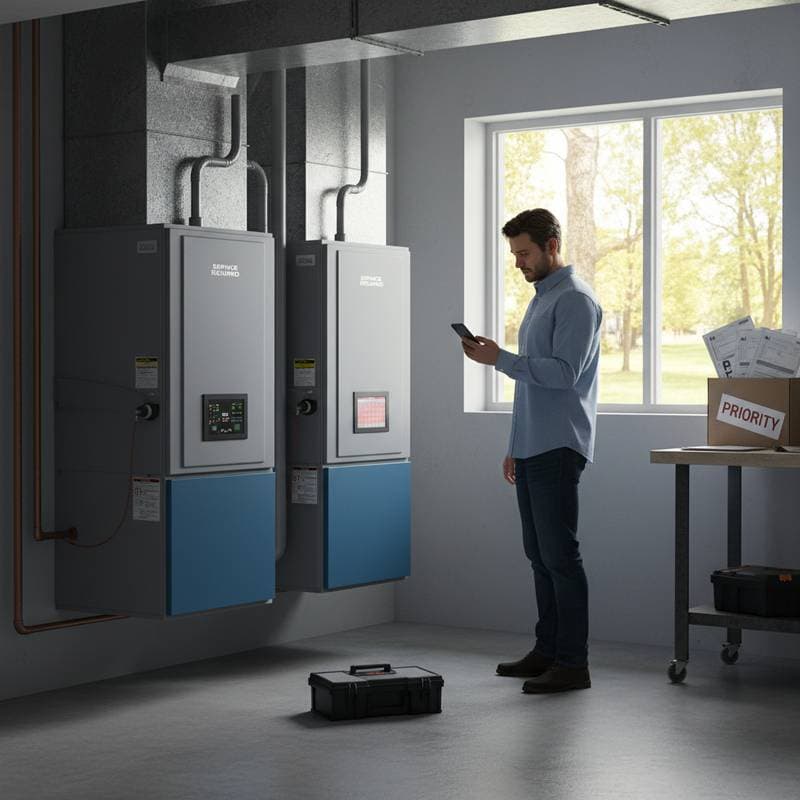
Spring HVAC Crunch: Technician Shortage Revealed
HVAC companies across the country prepare for a seasonal crunch as a growing technician shortage meets a surge in spring maintenance calls. Homeowners already experience longer wait times, delayed repairs, and higher service costs. Understanding the reasons behind this situation and learning how to prepare can help avoid discomfort and frustration when temperatures rise.
| Issue | Key Insight |
|---|---|
| Main Cause | Nationwide shortage of qualified HVAC technicians |
| Typical Wait Time | 1 to 3 weeks for non-emergency service |
| Common Effects | Delayed spring tune-ups, longer repair times |
| Best Solution | Schedule maintenance early and use certified technicians |
Why HVAC Technicians Are in Short Supply
The HVAC trade faces a perfect storm of challenges. Many experienced technicians retire, while fewer new workers enter the field. Training programs struggle to keep up with demand, and the work demands both technical skill and physical stamina that not everyone possesses. As a result, every region competes for the same limited pool of qualified professionals.
The Impact on Homeowners
When fewer technicians are available, service delays become inevitable. Emergency calls, such as complete system failures, receive priority. Routine maintenance visits and minor repairs often shift to later dates. This shortage also drives up labor rates, as companies offer higher pay to attract and retain skilled workers.
How the Shortage Affects Spring Maintenance
Spring marks a busy season for HVAC companies, as homeowners prepare for warm weather. With fewer technicians available, the spring workload proves harder to manage. Homeowners might encounter longer wait times for maintenance appointments, delays in parts availability if supply chains stretch thin, higher service costs due to labor shortages, and reduced flexibility for rescheduling or same-day calls.
Planning ahead makes all the difference in maintaining cool and comfortable indoor environments when the weather shifts.
Signs You Should Schedule Early
Homeowners do not need to wait for problems to emerge before calling for service. Watch for these indicators that the system requires attention:
- Rising energy bills despite consistent usage patterns
- Uneven temperatures across different rooms
- Unusual noises or odors emanating from vents
- Weak airflow or frequent short cycling of the unit
- Visible dust accumulation around air registers
If any of these signs appear, arrange for an inspection before the busy season intensifies.
What to Expect During a Spring HVAC Service Visit
A typical spring service visit includes several key steps to ensure optimal performance:
- System inspection to evaluate refrigerant levels, electrical connections, and overall condition.
- Filter replacement to enhance airflow and improve indoor air quality.
- Cleaning of coils and drain lines to prevent clogs and maintain efficiency.
- System testing to confirm accurate temperature control and performance metrics.
- Recommendations for necessary repairs or upgrades based on findings.
These steps help identify potential issues early and extend the lifespan of the equipment.
Labor Costs During the HVAC Crunch
As technician demand increases, homeowners can anticipate moderate rises in labor costs. Routine maintenance sessions may incur slightly higher fees, while emergency repairs could command a premium. The precise rate varies by location, system type, and job complexity.
Frequently Asked Questions About the HVAC Technician Shortage
Why are there fewer HVAC technicians available?
Fewer young workers enter the HVAC trade as older technicians retire, creating a gap between demand and supply. Training programs and apprenticeships expand, but producing fully certified professionals requires time.
Will this shortage affect emergency repairs?
Emergency calls always receive top priority, yet limited staffing can still lead to delays. Homeowners reduce the risk through consistent year-round maintenance of their systems.
Are service costs likely to rise?
Service costs may increase slightly as companies compete for skilled labor. Regular maintenance prevents the need for costly emergency repairs during periods of high demand.
How can homeowners avoid long wait times?
Book maintenance appointments well in advance of peak season. Early scheduling secures preferred time slots and allows technicians to address small issues before they escalate into major failures.
Are all regions affected equally?
Urban areas often have more technicians available, while rural or rapidly growing regions experience sharper shortages. Regardless of location, proactive planning provides the best opportunity for timely service.
Steps to Secure Your Spring HVAC Service
To sidestep springtime service delays, schedule HVAC maintenance without delay. Maintain the system through regular filter replacements and collaborate with certified professionals who guarantee their work. These actions ensure reliable performance and peace of mind as warmer days approach.