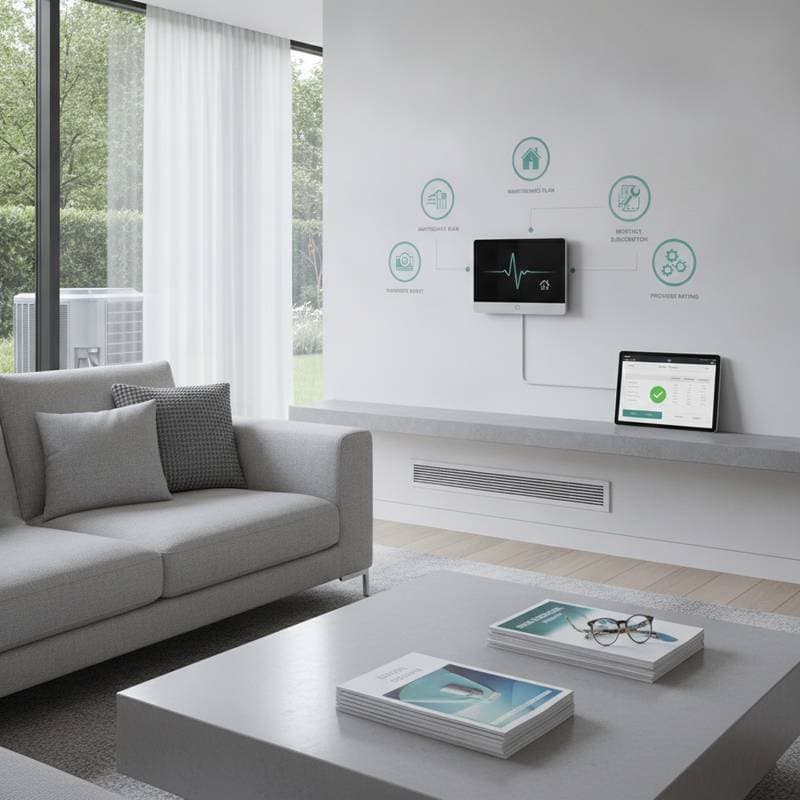

Predictable Costs: HVAC Subscriptions for 2026
HVAC subscription plans provide homeowners with stable heating and cooling expenses by converting substantial, unforeseen repair charges into steady monthly installments. Rather than facing costs of hundreds or thousands of dollars for urgent repairs, subscribers pay a fixed amount that encompasses inspections, tune-ups, and priority assistance. This article details the mechanics of HVAC subscription services, their inclusions, and the ways they deliver savings alongside optimal system performance.
| Plan Type | Average Monthly Cost | Typical Coverage |
|---|---|---|
| Basic Maintenance Plan | $15 - $25 | Seasonal tune-ups, filter changes, priority scheduling |
| Standard Protection Plan | $25 - $45 | Adds parts discounts, repair labor coverage |
| Premium All-Inclusive Plan | $45 - $75 | Includes most repairs, full system maintenance, emergency response |
| Commercial or Whole-Property Plan | Custom | Tailored to large or multi-unit systems |
Average HVAC Subscription Costs
Homeowners typically invest between $180 and $900 annually in an HVAC subscription, based on the extent of protection selected. Basic options generally feature two annual visits for cleaning and evaluations, whereas premium selections extend to comprehensive parts and labor safeguards. These arrangements aim to minimize unexpected expenditures and prolong equipment durability.
Cost by Coverage Level
- Basic Maintenance Plans: Approximately $15 to $25 monthly. Coverage includes cleaning, safety inspections, and filter replacements.
- Standard Protection Plans: Approximately $25 to $45 monthly. Additional benefits encompass minor parts protection, repair discounts, and same-day service commitments.
- Premium Plans: Approximately $45 to $75 monthly. Provisions cover most repairs, refrigerant replenishments, and complete priority assistance.
In contrast to the typical $350 to $700 per repair visit, a subscription recoups its value with a single annual repair, often preventing further issues through proactive care.
Key Factors That Affect HVAC Subscription Price
Multiple elements determine the expense of an HVAC subscription. Grasping these aspects assists in selecting an appropriate plan aligned with specific requirements.
System Size and Type
Expansive systems or configurations with multiple zones demand greater maintenance effort and resources. Maintaining a solitary heat pump or furnace proves less costly than servicing an integrated heating and cooling array across various spaces.
Frequency of Visits
Subscriptions incorporating two or more maintenance sessions annually carry higher fees yet yield superior performance and dependability. Consistent servicing averts costly malfunctions amid severe weather conditions.
Age and Condition of Equipment
Aging units frequently require enhanced oversight, resulting in marginally elevated subscription rates for older installations. Certain providers mandate an preliminary evaluation to verify equipment suitability prior to enrollment.
Coverage Options
Subscriptions offering parts and labor safeguards or urgent repair inclusions command premium pricing, though they eradicate virtually all unanticipated costs. Fundamental plans emphasize preventive measures exclusively.
Geographic Location
Service fees fluctuate according to local labor rates and climatic necessities. Regions enduring extended heating or cooling periods often encounter elevated plan costs owing to heightened service demands.
Types of HVAC Subscription Services
Homeowners select from diverse maintenance and safeguard plans, each striking a distinct equilibrium between expense and protection.
-
Preventive Maintenance Plans
Tailored for individuals seeking routine evaluations absent repair inclusions.
Pros: Minimal expense, aids in averting significant disruptions.
Cons: Excludes repair components or labor charges. -
Full Coverage Plans
Merge preventive maintenance with repair safeguards.
Pros: Stable expenses, assurance of reliability, expedited service.
Cons: Elevated monthly obligation. -
Seasonal Tune-Up Packages
Concentrate on preseason assessments and cleanings.
Pros: Sustains efficiency for impending seasons.
Cons: Lacks repair safeguards or urgent support. -
Commercial or Multi-System Plans
Developed for properties featuring numerous HVAC units.
Pros: Personalized pricing, centralized service coordination.
Cons: Necessitates expert evaluation for implementation.
Signs You Need an HVAC Subscription Plan
Consider a subscription plan if these scenarios apply:
- Annual heating or cooling repair expenses remain erratic.
- The HVAC system exceeds a few years in age.
- Annual maintenance scheduling often slips from attention.
- Recurrent efficiency or operational challenges arise.
- Emergency service surcharges represent a concern.
- Monthly budgeting preferences surpass large, sporadic outlays.
The HVAC Subscription Setup Process
Initiating a subscription plan proceeds straightforwardly through these phases:
-
Initial System Inspection
A technician examines the HVAC setup to confirm eligibility and evaluate its status. -
Plan Selection
Select the coverage tier matching requirements and financial parameters. -
Agreement and Setup
The provider delineates terms, payment cadence, and encompassed services. -
First Maintenance Visit
The technician executes an initial tune-up, substitutes filters, and records baseline functionality. -
Ongoing Service and Monitoring
Scheduled maintenance occurs regularly, accompanied by appointment notifications. -
Repair and Support
System service triggers priority booking and diminished or waived repair fees, contingent on plan specifications.
HVAC Subscription Labor Costs
Labor constitutes a primary component of HVAC service valuation. Subscriptions integrate most or all labor fees, varying by coverage tier.
- Basic Plans: Labor applies solely to maintenance sessions. Separate repair billing occurs at reduced rates.
- Standard Plans: Partial labor reimbursement applies to repairs.
- Premium Plans: Comprehensive labor inclusion extends to emergency responses.
Absent a subscription, labor rates span $75 to $150 hourly. Subscription frameworks distribute these costs uniformly throughout the year, fostering expense predictability.
Frequently Asked Questions About HVAC Subscriptions
How do HVAC subscriptions save money?
These plans diminish the likelihood of costly urgent repairs by identifying problems early via routine maintenance. Subscribers evade full labor and parts pricing, while systems achieve reduced energy consumption through consistent tune-ups.
Can I cancel my subscription anytime?
Providers generally permit cancellation upon notice, although certain arrangements stipulate a minimum term. Examine agreement particulars prior to commitment.
Do subscription plans cover parts and refrigerant?
Fundamental plans address maintenance exclusively, whereas advanced tiers incorporate parts, refrigerant, and extensive repairs. Verify the inclusions list for specifics.
Are HVAC subscriptions worth it for new equipment?
Affirmative. Professional maintenance preserves warranties and optimizes long-term efficiency for new installations.
How often will a technician visit under a subscription plan?
Standard plans schedule two annual visits, one preparing for cooling and another for heating seasons. Select premium options may provide quarterly evaluations.
What happens if I move or replace my system?
Upon relocation, subscriptions typically terminate without penalty, though prorated refunds may apply. System replacement often requires plan adjustment or renewal to accommodate new equipment specifications.
Can I combine multiple systems under one plan?
Yes, many providers accommodate multi-system coverage through customized plans, streamlining management and potentially reducing per-unit costs for properties with several units.
Securing Comfort Through Structured Maintenance
An HVAC subscription redefines equipment care as a dependable, economical endeavor rather than an erratic burden. Homeowners gain freedom from abrupt repair notifications and overlooked servicing. Consistent comfort, diminished energy expenditures, and preferential support become standard benefits. Opting for a thoughtfully designed subscription stands as a straightforward strategy to safeguard both well-being and fiscal stability.