How HVAC Zoning Delivers 38 Percent Energy Savings in Multi-Story Homes
Living in a multi-story home often presents challenges with temperature control. One level might overheat while another remains too cool, leading to discomfort and inefficiency. HVAC zoning addresses these issues by allowing independent temperature management in different areas of the home. This approach minimizes energy waste, stabilizes indoor climates, and typically results in energy cost reductions of up to 38 percent for well-implemented systems.
Understanding the mechanics of zoning, its energy-saving benefits, and installation considerations equips homeowners to make informed decisions. The following sections explore these elements in detail.
Indicators That Your Home Requires Zoning
Uneven temperatures and escalating utility expenses signal the potential need for zoning. Homeowners frequently encounter these problems in multi-level structures. Recognizing the signs enables proactive improvements in comfort and efficiency.
- Persistent hot or cold spots across rooms or floors
- Utility bills that rise despite consistent usage patterns
- Conditioning of infrequently occupied spaces, such as guest rooms or basements
- Conflicts among household members regarding thermostat adjustments
- Noticeable temperature differences between upper and lower levels
Addressing these concerns through zoning provides precise climate control, enhancing overall living conditions while curbing expenses.
Elements Influencing the Expense of HVAC Zoning
The investment in HVAC zoning varies based on multiple considerations. Factors such as home configuration and equipment compatibility play significant roles. Grasping these aspects aids in accurate financial planning.
- Zone Quantity: Each additional zone necessitates extra thermostats, dampers, and control mechanisms. Systems with two zones prove simpler and more economical than those with four or more.
- Ductwork Condition: Readily accessible and well-maintained ducts facilitate straightforward integration. In contrast, aging or inefficient designs may demand alterations, elevating costs.
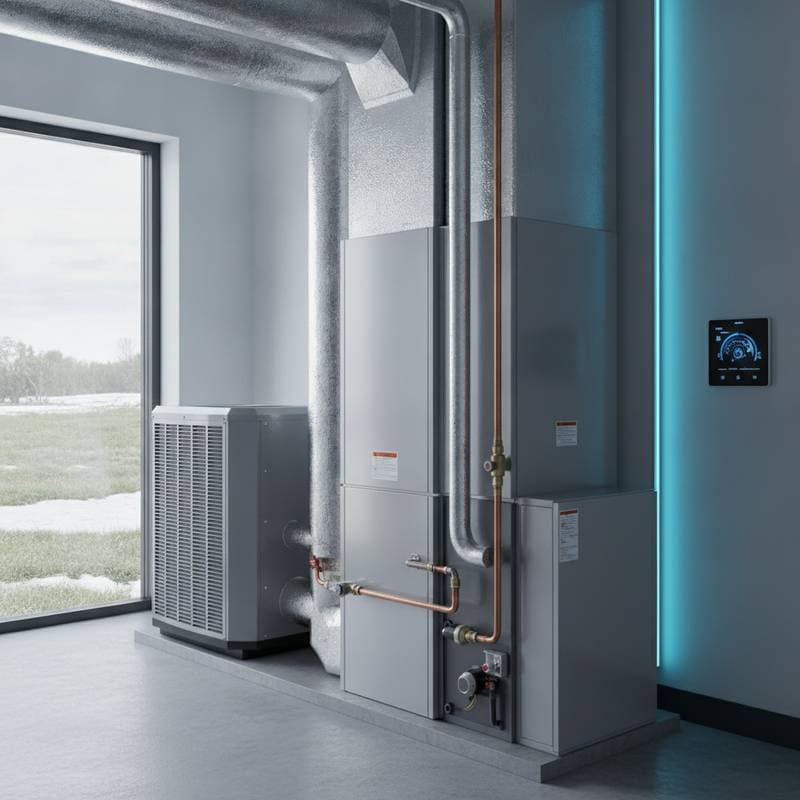
- HVAC System Compatibility: Variable-speed units like furnaces or heat pumps pair seamlessly with zoning controls. Traditional systems might require supplementary panels or enhancements for optimal performance.
- Property Dimensions and Configuration: Expansive or intricate layouts require increased numbers of dampers and thermostats. Multi-level designs often extend installation duration and complexity.
- Thermostat Capabilities: Basic programmable models offer affordability, whereas advanced smart versions with wireless connectivity and adaptive algorithms provide superior functionality at a premium price.
Typical installations range from a few hundred dollars per zone to several thousand for comprehensive setups. An HVAC specialist delivers a tailored quote following a thorough property evaluation.
Comparing HVAC Zoning to Separate Unit Installations
Prospective upgrades prompt questions about zoning versus independent HVAC units per floor. Each option suits specific scenarios, yet zoning generally presents a more economical path for most residences.
Benefits of Zoning Systems:
- Reliance on a single central HVAC unit simplifies operations
- Reduced upfront and ongoing maintenance expenditures
- Centralized management for streamlined user experience
- Optimized energy usage through targeted distribution
Benefits of Multiple Systems:
- Full autonomy for distinct home sections
- Suitability for expansive or divided properties
In standard multi-story homes, zoning strikes an optimal combination of performance, savings, and simplicity.
Steps in the HVAC Zoning Installation Procedure
Familiarity with the installation sequence builds confidence in the process. Projects adapt to individual homes, but standard phases include the following.
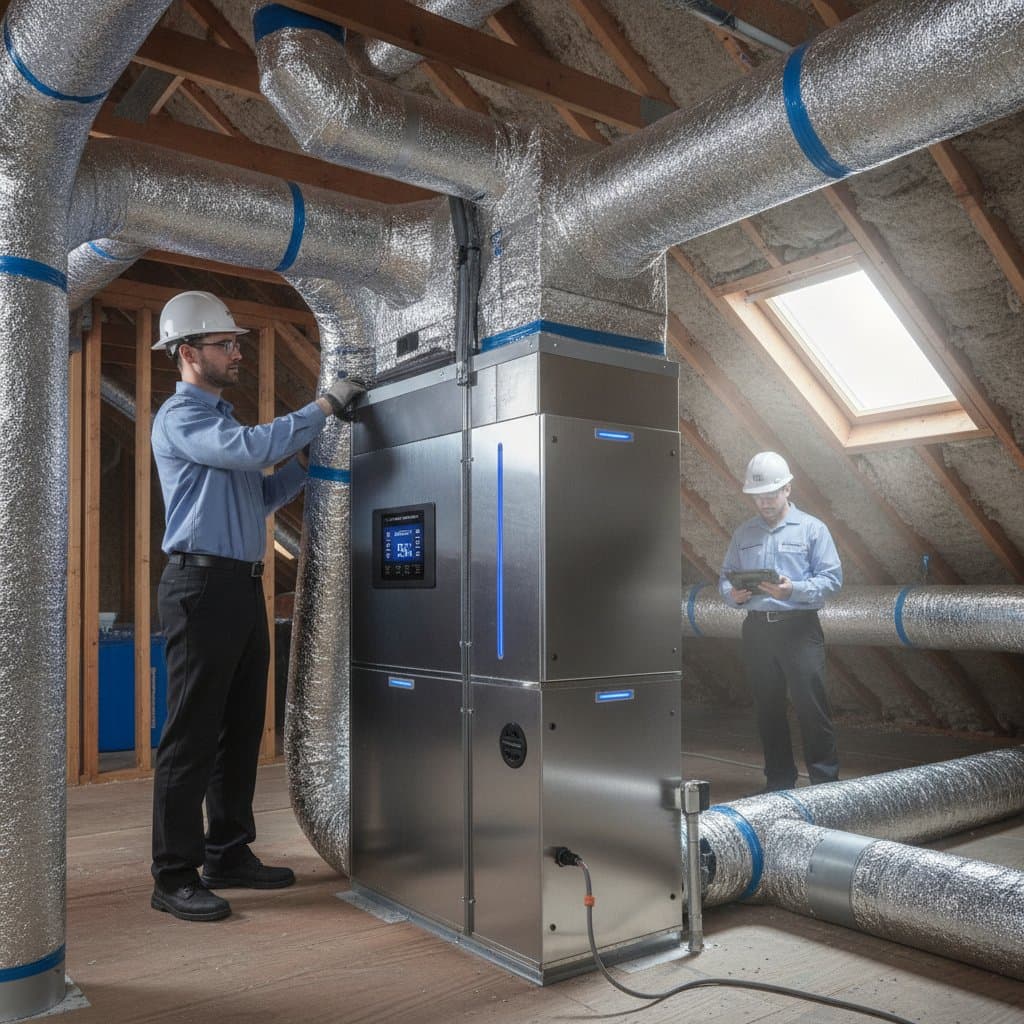
- Property Evaluation: Technicians examine layout, ducts, and insulation to recommend zone configurations that align with usage patterns.
- Customized Planning: Designs incorporate thermostat positions, damper placements, and airflow specifications tailored to resident requirements.
- Component Integration: Dampers fit within duct lines, thermostats mount in designated zones, and the master control links to the primary HVAC apparatus.
- Verification and Calibration: Each zone undergoes testing to validate damper functionality and uniform air delivery across the structure.
- User Orientation: Instructions cover thermostat operations, scheduling options, and remote monitoring features, empowering effective daily management.
Post-installation, residents experience steadier temperatures and diminished HVAC runtime, yielding prompt efficiency gains.
Common Inquiries About HVAC Zoning
Optimal Number of Zones for a Residence
Two zones typically suffice for multi-story homes, dedicating one to each level. Expansive properties might incorporate three or more to isolate living spaces, sleeping quarters, and utility areas. Final decisions hinge on architectural details and lifestyle needs.
Retrofitting Zoning to Current Systems
Compatibility exists for numerous existing setups with sound ducts and units. Technicians retrofit dampers and thermostats as needed. Antiquated equipment occasionally requires modernization to support zoning demands.
Financial Returns from Zoning
Proper implementation yields energy reductions up to 38 percent. Efficiency arises from selective conditioning of active areas, alleviating system strain and operational hours.
Impact on Existing Thermostats
Zoning supplants a solitary thermostat with zone-dedicated units overseen by a coordinating panel. This setup simplifies multi-area temperature oversight.
Duration of Installation Projects
Residential efforts span one to three days, influenced by scope and duct access. Contractors furnish precise schedules after initial assessments.
Steps to Achieve Enhanced Comfort and Savings
Persistent temperature inconsistencies warrant consultation with an HVAC expert regarding zoning integration. This upgrade translates initial costs into sustained reductions in energy use, superior air distribution, and extended system durability. Schedule an evaluation to explore tailored solutions for your home.