3 Signs Your DIY Air Filter Change Is Failing
Homeowners often handle air filter replacements as a basic maintenance task for their HVAC systems. A properly installed filter ensures optimal airflow, enhances indoor air quality, and lowers energy consumption. However, errors during the process can lead to inefficiencies or damage. If performance seems suboptimal after the swap, consider these indicators that the change did not succeed.
This article outlines three primary signs of a failing DIY air filter change. Each section covers the symptoms, underlying causes, and corrective actions. Addressing these promptly helps maintain system reliability and prevents expensive professional interventions.
1. Reduced Airflow from Vents
One of the most noticeable indicators involves diminished air movement throughout your home. Rooms may feel stuffy, and the system appears to struggle during operation. This reduction in airflow signals that the filter restricts air passage more than intended.
Possible Causes
- Incorrect Filter Size: A filter that does not match the unit's dimensions creates gaps or blocks flow. Measure the slot precisely and select a filter with exact specifications, typically listed in the HVAC manual or on the old filter.
- Improper Installation Direction: Filters have an arrow indicating airflow direction. Installing it backward forces air through the wrong side, increasing resistance. Always align the arrow with the system's air path, usually toward the furnace or air handler.
- Clogged or Dirty Filter: If the new filter arrived damaged or partially obstructed, it mimics a dirty one. Inspect for tears, folds, or debris before insertion.
How to Fix It
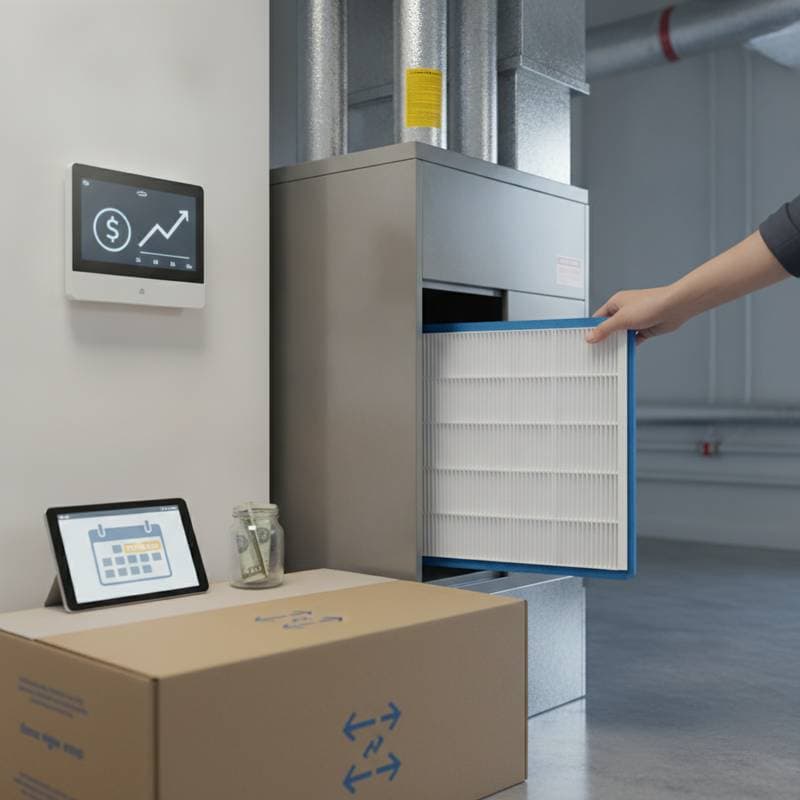
Turn off the HVAC system at the thermostat and power source. Remove the filter and verify its fit and orientation. Replace with a compatible unit if necessary, then test the system by running the fan on high speed. Monitor vents for consistent air output; if issues persist, examine nearby ducts for additional blockages.
Reduced airflow strains the blower motor, raising energy bills and risking overheating. Early correction preserves component life and restores balanced heating or cooling.
2. Strange Noises or Whistling Sounds
Unusual auditory cues emerge shortly after a filter change, such as high-pitched whistles or low rumbles from the HVAC unit. These noises disrupt normal quiet operation and point to airflow disruptions. Ignoring them can escalate to mechanical strain.
Possible Causes
- Filter Too Restrictive: Filters with high MERV ratings capture fine particles but limit air volume if the system lacks capacity for them. Consult the manufacturer's guidelines for the appropriate MERV level, often between 8 and 13 for residential units.
- Poor Seal in the Slot: An ill-fitting filter allows air to bypass edges, creating turbulence and sound. Press the filter firmly into place and use foam seals if the slot permits to ensure a tight fit.
- Obstructed Return Vents: Items like furniture or drapes near return air paths exacerbate noise by restricting intake. Clear at least six inches of space around all returns to facilitate smooth air draw.
How to Fix It
Power down the system and access the filter compartment. Reinstall the filter, checking for secure seating without gaps. Clear any vent obstructions and restart the unit. Listen during operation; persistent sounds may require a less restrictive filter or professional duct inspection.
These noises often stem from pressure imbalances that fatigue system parts over time. Resolving them promptly maintains operational smoothness and extends equipment longevity.
3. Persistent Dust or Allergens in the Home
Dust accumulation on surfaces or worsened allergy symptoms after a filter swap suggests inadequate filtration. Clean air should improve post-replacement, but lingering particles indicate a breach. This issue compromises health and cleanliness benefits.
Possible Causes
- Low-Quality or Wrong Filter Type: Pleated filters outperform fiberglass ones in trapping dust, yet selecting the incorrect type reduces effectiveness. Opt for filters suited to your system's needs, balancing filtration with airflow.
- Leaks Around the Filter Housing: Cracks or loose panels in the compartment let unfiltered air escape. Inspect the housing for damage and secure all latches or screws.
- Upstream Debris: Accumulated dirt in ducts or coils bypasses the filter if not addressed. A visual check of accessible areas can reveal buildup requiring cleaning.
How to Fix It
Shut off power and remove the filter for examination. Clean the surrounding area with a vacuum to eliminate loose particles. Install a higher-quality filter if the current one underperforms, and seal any housing gaps with appropriate materials. Run the system and observe dust levels over a few days; consider duct cleaning if symptoms continue.
Inadequate filtration circulates contaminants, undermining air quality goals. Proper resolution ensures the system delivers the expected purification.
Strategies to Avoid Common Filter Errors
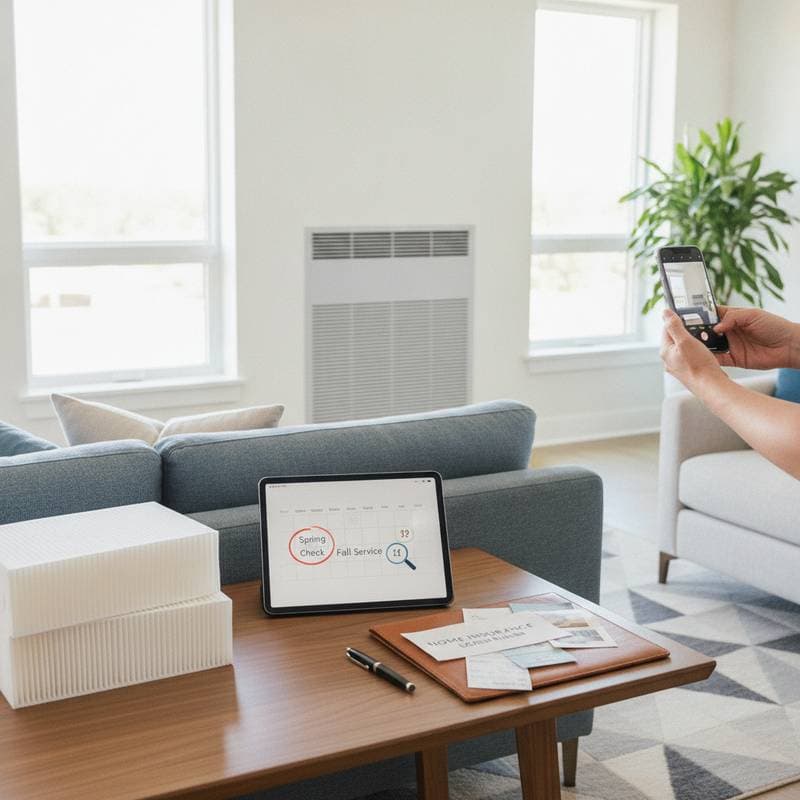
Preventing issues starts with preparation and routine habits. Note the precise dimensions and recommended MERV rating from your HVAC documentation. Schedule replacements every one to three months, depending on household factors like pets or occupancy.
Always deactivate the system before handling the filter to avoid drawing in loose debris. Examine the installation slot for accumulated grime or wear, cleaning as needed. Select filters from reputable sources to guarantee quality and compatibility.
These practices minimize risks and promote consistent performance. Track changes in a maintenance log to identify patterns over time.
Steps to Ensure Effective Air Filter Management
A well-executed filter change yields reliable airflow, silent function, and purified air. Persistent problems after replacement warrant immediate review of the installation and specifications. Simple adjustments often suffice, but ongoing concerns signal the need for expert evaluation.
Contact a certified HVAC professional if basic fixes do not resolve symptoms. Regular attention to filter maintenance safeguards your system's efficiency and your home's comfort. Invest this effort to avoid disruptions and sustain long-term savings.