
Why HVAC Technicians Now Recommend MERV 13 Filters as Standard
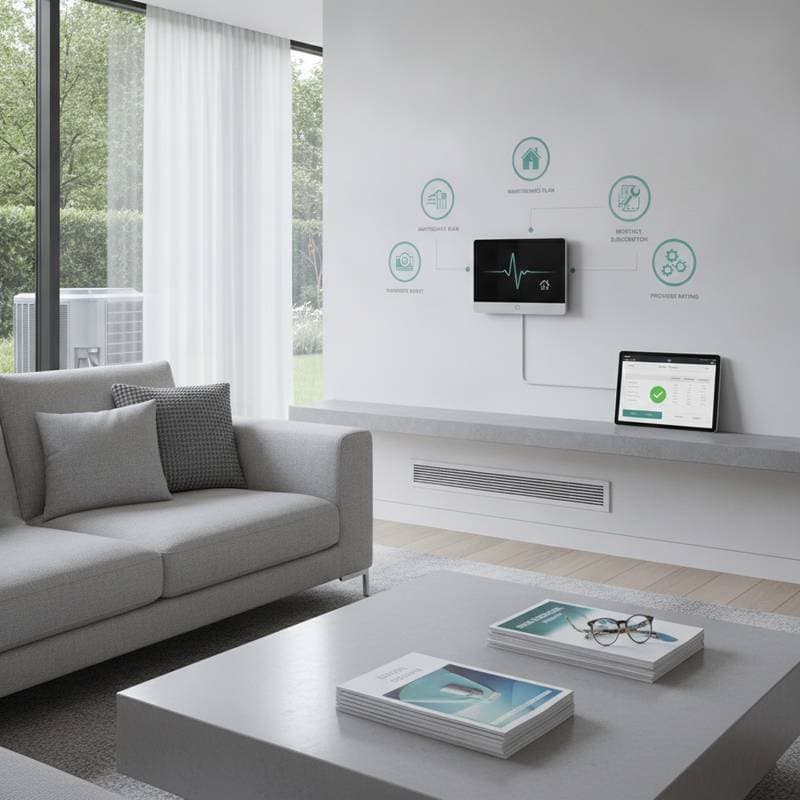
Indoor air quality has become a priority for homeowners and businesses alike, especially in light of recent health concerns. HVAC technicians play a crucial role in advising on filtration solutions that balance performance and system health. Among these, MERV 13 filters have emerged as a standard recommendation, offering advanced particle capture without compromising airflow in most modern systems.
The Minimum Efficiency Reporting Value (MERV) scale measures a filter's ability to remove particles from the air, with ratings ranging from 1 to 20. Higher numbers indicate greater efficiency in trapping smaller contaminants. MERV 13 filters excel at capturing particles as small as 0.3 to 1.0 microns, including dust, pollen, mold spores, and certain bacteria. This level of filtration surpasses basic MERV 8 filters commonly used in older setups, providing a noticeable upgrade in air purity.
Technicians specify MERV 13 because it aligns with guidelines from organizations like ASHRAE, which emphasize improved ventilation standards. In residential and commercial settings, these filters reduce the spread of allergens and irritants, fostering healthier environments. Moreover, they protect HVAC components from buildup, extending equipment life and reducing repair frequency.
Key Benefits of Upgrading to MERV 13 Filters
Adopting MERV 13 filters yields multiple advantages beyond basic air cleaning. First, they enhance system efficiency by preventing dust accumulation on coils and blowers, which can otherwise lead to higher energy consumption. Homeowners often report lower utility bills after the switch, as cleaner operation demands less power to maintain temperature.
Second, these filters contribute to occupant well-being. By removing a higher percentage of fine particulates, they alleviate symptoms for allergy sufferers and those with respiratory conditions. In homes with children or elderly residents, this filtration level supports overall health by minimizing exposure to airborne pollutants.
Finally, MERV 13 filters offer long-term value. While initial costs exceed those of lower-rated options, the reduction in maintenance calls and replacement parts offsets expenses. Technicians note that systems with proper filtration run more reliably, avoiding costly breakdowns during peak seasons.
Factors Influencing the Cost of MERV 13 Filters
Understanding pricing helps homeowners budget effectively for this upgrade. Several elements determine the expense of MERV 13 filters.
- Filter Size: Larger dimensions, such as 20x25x5 inches, accommodate bigger systems and cost more than compact 16x25x1 inch versions due to increased material use.
- Brand and Material: Filters from reputable manufacturers using high-quality pleated media or electrostatic enhancements command premium prices, yet deliver superior durability and performance.
- System Compatibility: Older HVAC units might require adapter kits or modifications to accommodate thicker filters, adding to the total investment.
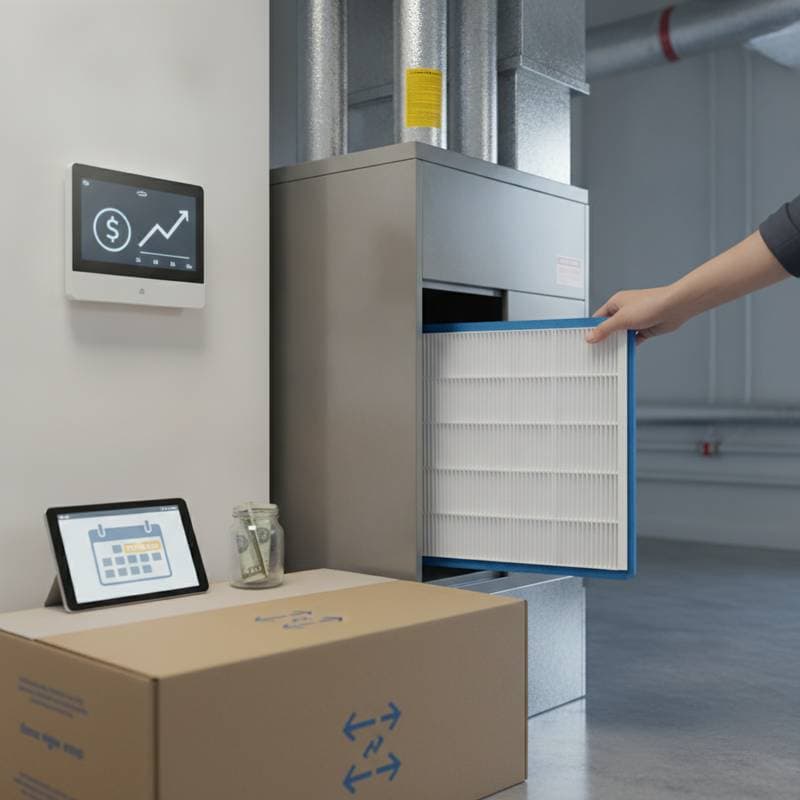
- Replacement Frequency: These filters typically last three to six months, influenced by usage; high-traffic households or those in polluted areas may need changes every two months.
- Environmental Conditions: Residences in dusty regions, with construction nearby, or housing multiple pets face accelerated filter loading, necessitating more frequent and thus costlier replacements.
Technicians advise reviewing the system's static pressure ratings before installation. A professional assessment ensures the filter integrates seamlessly, avoiding strain on the blower motor.
Installation and Maintenance Tips for Optimal Performance
Proper setup maximizes the benefits of MERV 13 filters. Begin by confirming compatibility with your HVAC model; consult the owner's manual or a certified technician for guidance. Install the filter with the airflow arrow pointing toward the furnace or air handler to maintain correct direction.
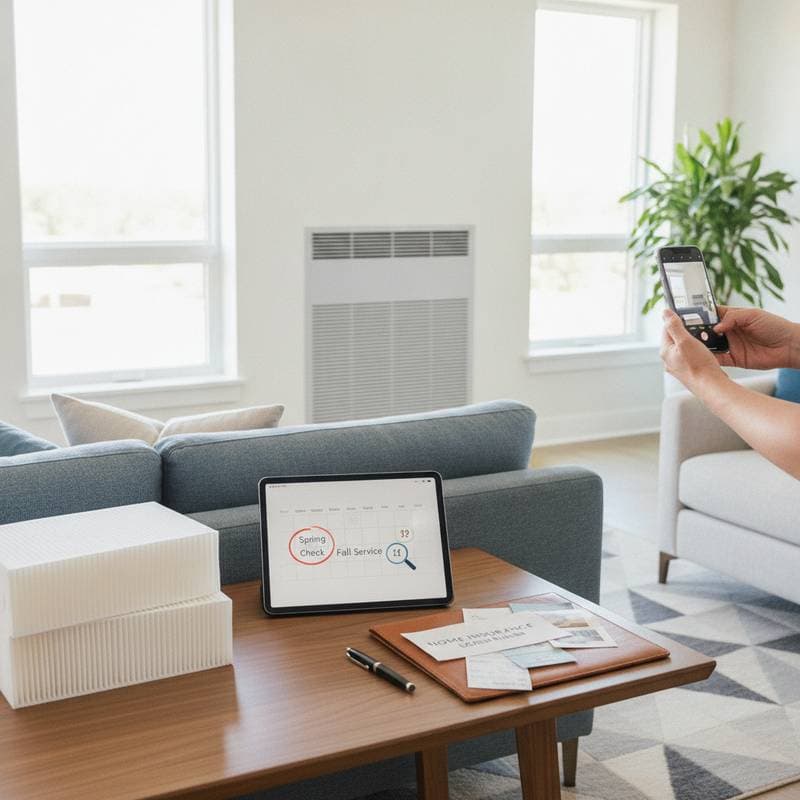
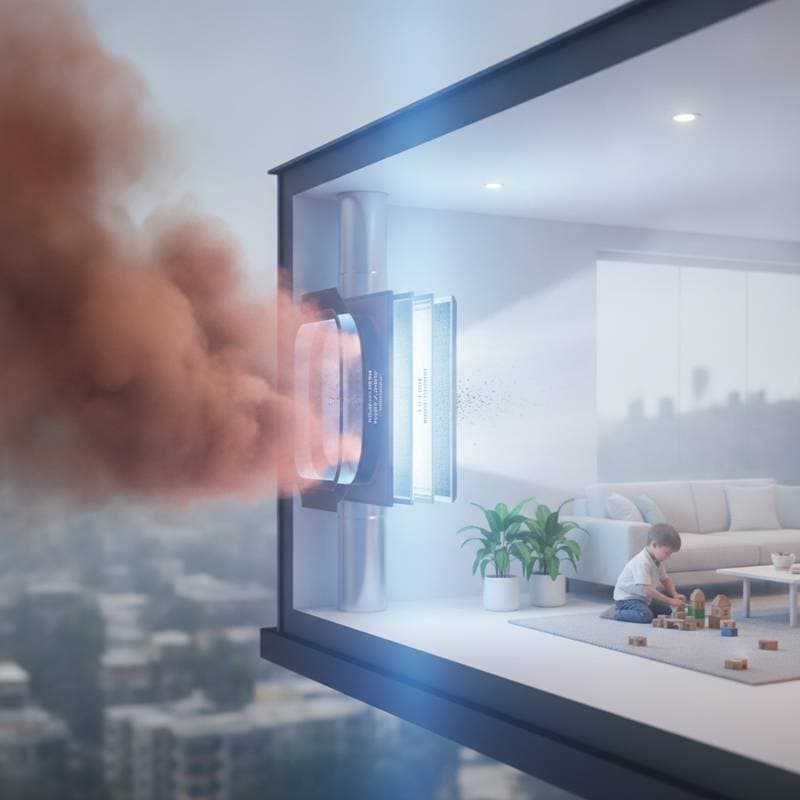
Regular checks form the cornerstone of maintenance. Inspect the filter monthly, especially during allergy seasons or after events like wildfires that increase outdoor pollutants. Replace it promptly if dirt buildup restricts airflow, as indicated by reduced cooling or heating output.
To extend filter life, address household sources of debris. Vacuum regularly, use doormats to trap outdoor dirt, and consider air purifiers for high-particle areas like kitchens. These practices complement MERV 13 filtration, ensuring consistent air quality.
MERV 13 Filter FAQs
How Often Should MERV 13 Filters Be Replaced?
HVAC professionals recommend replacement every three to six months. Factors such as pet ownership, smoking indoors, or heavy foot traffic accelerate dirt accumulation. Monthly visual inspections help gauge condition; a clogged filter appears discolored and may cause uneven temperatures.
Do MERV 13 Filters Reduce Airflow?
These filters feature denser media to trap finer particles, which can slightly increase resistance. However, contemporary HVAC systems include robust blowers designed for such loads. Proper installation and clean ductwork preserve airflow; technicians can measure static pressure to confirm balance.
Are MERV 13 Filters Worth the Cost?
The investment pays dividends through enhanced air quality and system longevity. Health improvements, particularly in allergen-prone environments, provide intangible yet significant returns. Businesses benefit from fewer sick days, while homeowners enjoy reliable comfort year-round.
Can MERV 13 Filters Remove Viruses?
MERV 13 captures particles down to 0.3 microns, encompassing many viruses and bacteria carried in droplets. This filtration reduces viral load in circulated air, though it does not replace specialized HEPA systems or vaccines. In homes, it serves as a valuable layer of defense against common pathogens.
What Happens If a System Uses a Filter with Too High a Rating?
Excessive restriction from an overrated filter strains the blower, leading to inefficiency, higher energy use, or component failure. Symptoms include short cycling or inadequate heating/cooling. Always match the filter to system specifications; professional consultation prevents these issues.
Achieving Sustained Indoor Air Quality with MERV 13
Transitioning to MERV 13 filters represents a proactive step toward cleaner, healthier air. These filters not only elevate filtration standards but also safeguard your HVAC investment. With routine care, they deliver enduring performance, ensuring your space remains comfortable and pure throughout the seasons.