Why Spring Coil Cleaning Protects Your HVAC System
As temperatures rise, the HVAC system operates under greater demand to maintain indoor comfort. Cleaning the coils prior to the cooling season ensures optimal performance. Accumulated dirt on coils compels the system to consume excess energy, accelerates component degradation, and invites substantial repair costs. This guide explains the importance of spring coil cleaning as a key element of proactive HVAC maintenance.
Understanding HVAC Coils
HVAC systems rely on two essential coils for heat transfer: the evaporator coil and the condenser coil.
- The evaporator coil resides indoors, typically within the air handler or furnace enclosure. Refrigerant flows through it to draw heat from the interior air.
- The condenser coil sits in the outdoor unit. It expels absorbed heat to the external environment.
Clean coils facilitate efficient heat exchange. Dirt, dust, or debris accumulation impairs this process, forcing the system to exert more effort and compromising overall effectiveness.
The Impact of Coil Buildup
Airflow transports dust, pollen, and particulates that adhere to coils over time. Outdoor units attract grass, leaves, and soil, while indoor coils accumulate pet dander, household dust, and potential mold from moisture. Such deposits hinder heat transfer efficiency.
Consequences of dirty coils include:
- Diminished cooling or heating output
- Extended operational cycles and elevated energy consumption
- Frost accumulation on the evaporator coil
- Compressor overheating
- Accelerated deterioration of vital components
Clean coils promote sustained efficiency, dependability, and durability in the HVAC system.
Advantages of Annual Spring Coil Cleaning
Performing coil cleaning in spring yields enduring benefits for both the home environment and financial savings.
Enhanced Energy Efficiency
Pristine coils allow refrigerant to absorb and dissipate heat with minimal resistance. The system achieves setpoint temperatures with reduced effort. Even minimal dirt layers can diminish efficiency significantly, thereby raising operational costs.
Prolonged System Durability
A well-maintained system operates at lower temperatures and under less stress. This approach mitigates early failure of the compressor and associated elements. Consistent cleaning defers the need for full system replacement.
Superior Indoor Comfort
Buildup on coils disrupts uniform temperature distribution, resulting in hot or cold spots across rooms. Thorough cleaning restores balanced airflow and precise climate control.
Reduced Maintenance Expenses
Routine cleaning averts issues such as refrigerant imbalances, compressor strain, and coil freezing. Addressing these proactively prevents escalation into major failures that demand high repair fees.
Healthier Indoor Air
Dust and moisture on indoor coils foster mold and bacterial growth. Regular cleaning eliminates these contaminants, benefiting air quality and supporting residents with sensitivities or breathing difficulties.
Professional Coil Cleaning Procedure
Effective coil cleaning requires specialized techniques beyond basic washing. Trained technicians employ methods tailored to HVAC components. The service typically unfolds as follows:
- Initial Assessment: Technicians examine coils for dirt, corrosion, or structural issues.
- Power Isolation: The system deactivates to prioritize safety during the procedure.
- Preparation for Access: Enclosures open, and adjacent electrical parts shield from liquids.
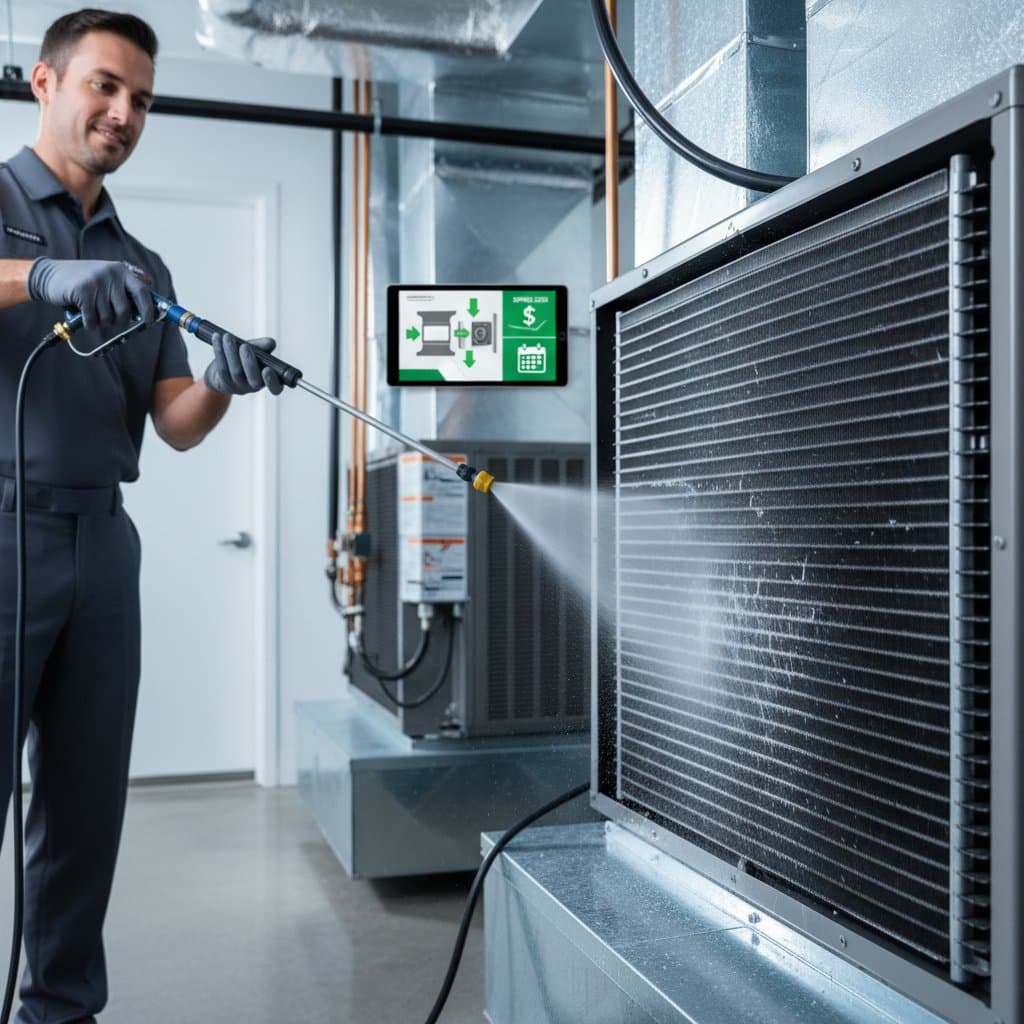
- Thorough Cleaning: Approved cleaners apply, followed by controlled rinsing to dislodge residues without fin damage.
- Fin Alignment: Distorted fins receive gentle straightening to optimize airflow.
- Performance Verification: The system reactivates for testing to verify functionality.
This methodical process guarantees comprehensive results while preserving system integrity.
Evaluating DIY Options Against Professional Service
Basic upkeep falls within homeowner capabilities, yet coil cleaning demands caution to avoid complications.
Safe Homeowner Tasks
- Disconnect power supply before evaluating the outdoor unit.
- Clear substantial debris, such as foliage or twigs, from the condenser vicinity.
- Apply low-pressure water from a hose, directing flow inward to outward on exterior coils.
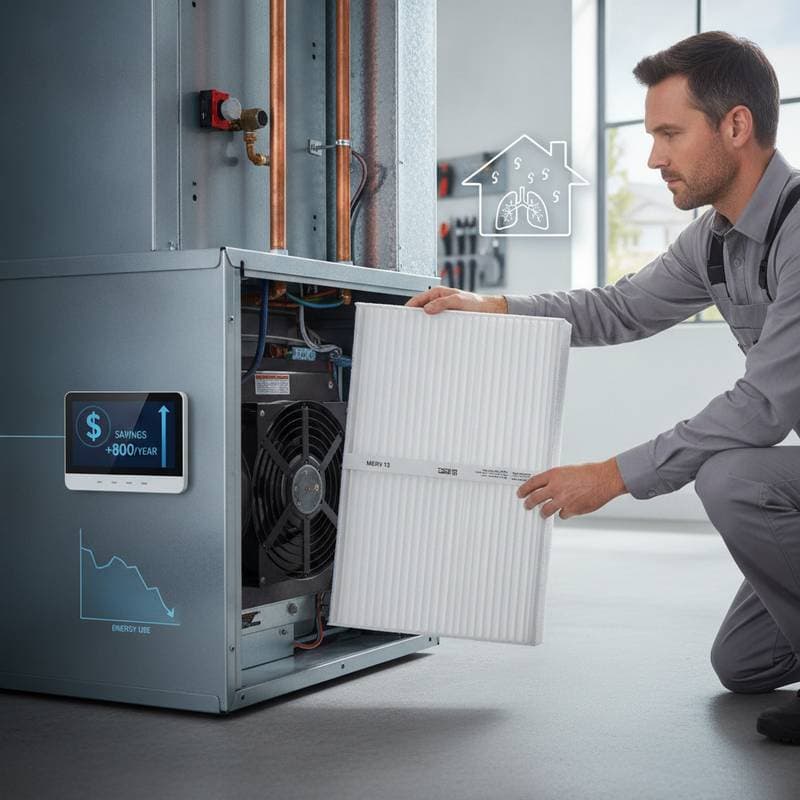
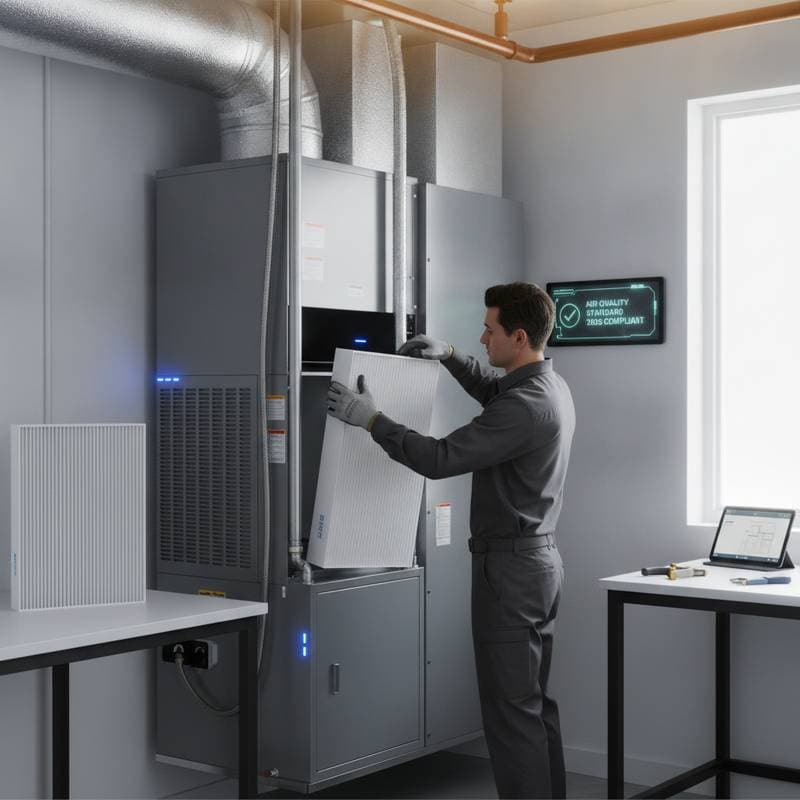
- Maintain air filters through cleaning or replacement to limit indoor coil contamination.
Tasks Requiring Expert Intervention
- In-depth evaporator coil treatment within the air handler.
- Elimination of persistent residues or microbial accumulations.
- Refrigerant charge evaluation and pressure diagnostics.
- Correction of bent fins or sealing of coil perforations.
Indicators of Required Coil Maintenance
- Reduced air output from supply registers
- Cooled air absent from the air conditioning vents
- Unexpected spikes in utility statements
- Visible icing on the indoor equipment
- Prolonged system cycles beyond typical durations
Frequently Asked Questions
How frequently do HVAC coils require cleaning?
Annual cleaning during spring suffices for most residences. Environments with high dust levels or multiple pets may necessitate additional sessions.
Do dirty coils harm the HVAC system?
Affirmative. Excessive workload from buildup induces overheating, coil icing, or compressor malfunction. Scheduled cleaning mitigates these risks.
What costs are associated with coil cleaning?
Expenses depend on unit dimensions, access ease, and regional pricing. This service remains economical compared to potential savings in energy and repairs.
Are household cleaners suitable for coils?
Negative. Such products risk eroding protective coatings or depositing attractants for further soiling. Opt for HVAC-specific solutions or professional assistance.
Does coil cleaning enhance air quality?
Yes. It removes accumulated particulates and growths, reducing airborne irritants throughout the living spaces.
Steps to Sustain HVAC Performance Year-Round
Investing in spring coil cleaning yields substantial gains in operational smoothness, energy conservation, and equipment longevity. Clean coils enable the system to function optimally with minimal resource use. Arrange a professional evaluation if recent maintenance history remains unclear, ensuring readiness for impending warm weather.