Why UV-C Purifiers Excel at Allergy Relief
How UV-C Air Purifiers Combat Allergens
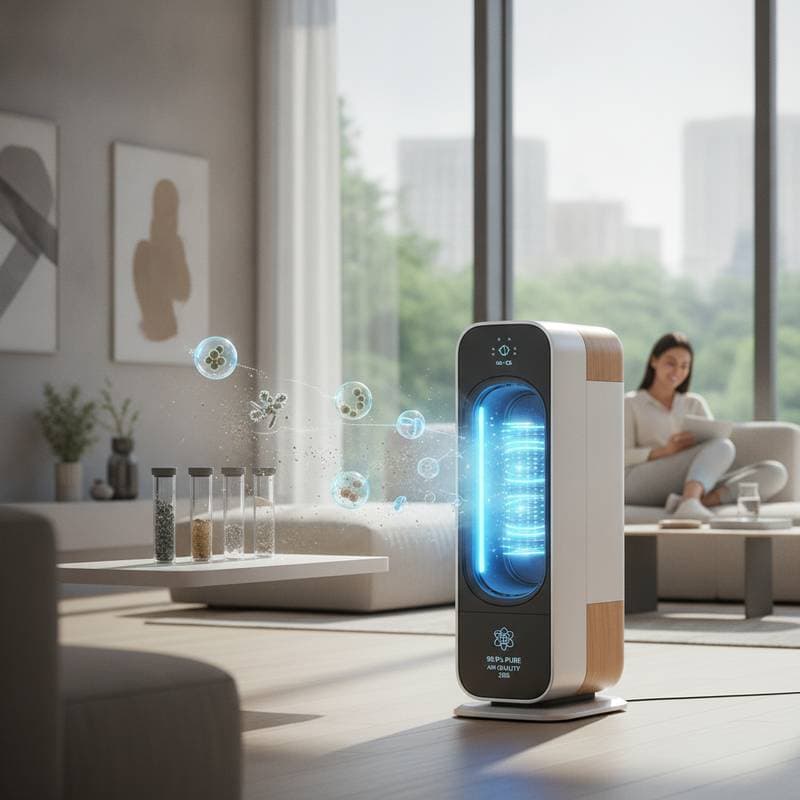
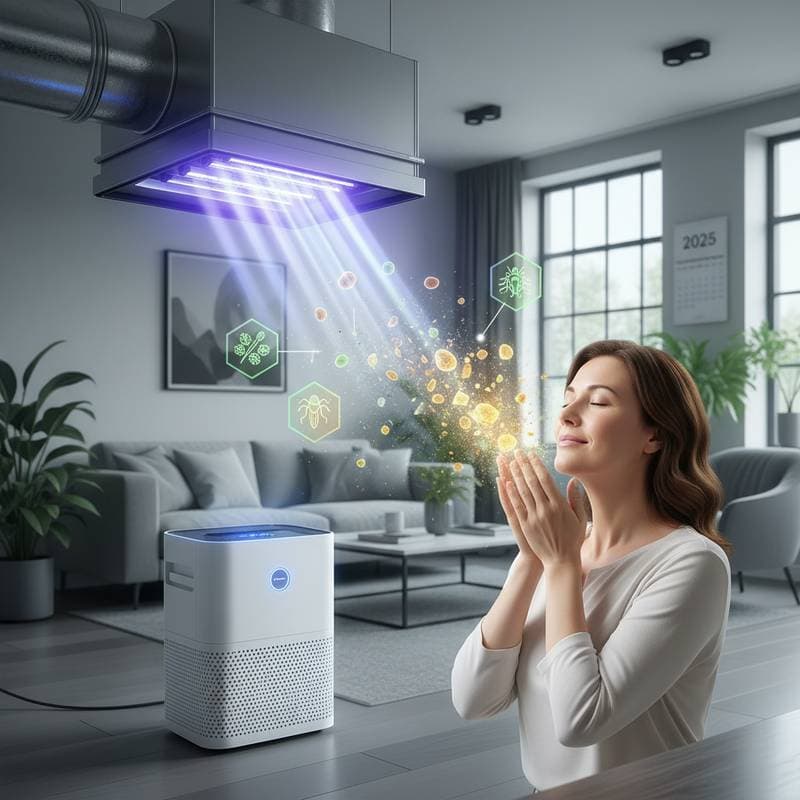
Indoor allergens such as dust mites, pollen, mold spores, and pet dander often evade capture by standard filters, leading to persistent discomfort for sensitive individuals. UV-C air purifiers address this gap by employing ultraviolet light to disrupt the genetic structure of these particles, rendering them harmless and unable to reproduce. Homeowners typically invest between $150 and $700 in these systems, with costs varying by unit size and HVAC compatibility.
This guide details the mechanics of UV-C purification, its role in alleviating allergies, and practical considerations for selecting the ideal system to foster a healthier home environment.
Mechanisms for Reducing Allergens with UV-C
Disrupting Biological Triggers
Allergic reactions frequently arise from organic invaders like mold spores, bacteria, and dust mite waste that flourish in humid or stagnant conditions. UV-C light effectively eradicates these by damaging their cellular components, thereby minimizing the triggers that provoke symptoms such as sneezing, itching, and congestion.
Controlling Mold in HVAC Components
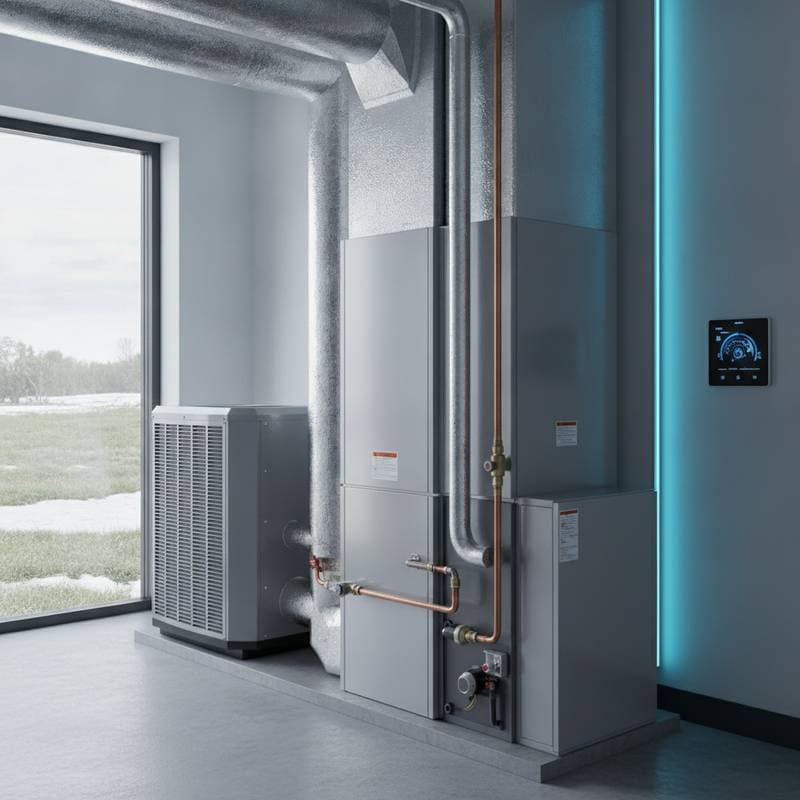
Mold often accumulates on evaporator coils and within ducts, releasing spores into the airflow and exacerbating allergies. Positioning UV-C lamps adjacent to these coils provides ongoing sterilization, inhibiting growth and preventing the dispersal of mold particles throughout the home.
Enhancing Existing Filtration
Standard filters excel at capturing larger debris like dust and pollen, yet they struggle with microscopic biological agents. UV-C purifiers augment these filters by eliminating viable pathogens that pass through, forming a robust defense that elevates the effectiveness of your entire air cleaning strategy.
Factors Influencing UV-C Purifier Expenses
The price of a UV-C system depends on several practical elements that affect both initial outlay and ongoing use.
1. System Scale and Configuration
Homes with extensive square footage or complex layouts demand larger units or additional lamps for thorough coverage. Opt for portable models in smaller settings to keep expenses low, or choose in-duct options for broad, efficient treatment.
2. Installation Demands
Incorporating a system into existing HVAC infrastructure often involves professional labor, particularly if wiring adjustments or duct modifications prove necessary. Budget an extra $100 to $300 for such services to avoid performance issues.
3. Brand Reliability and Features
Reputable manufacturers provide durable bulbs, extended warranties up to five years, and built-in safety mechanisms like automatic shutoffs. These higher-end choices, though pricier upfront, deliver greater reliability and reduced replacement frequency.
4. Upkeep and Bulb Lifespan
UV-C bulbs degrade after 9,000 to 14,000 hours of use, roughly equating to one year of continuous operation. Schedule annual replacements to sustain efficacy, with costs ranging from $50 to $150 per bulb.
5. Power Consumption
These systems draw about 20 to 50 watts, contributing minimally to energy bills—often less than $10 annually for 24-hour use. Select models certified for low energy use to further optimize costs.
Common Questions About UV-C Air Purifiers
Is UV-C Light Safe for Home Use?
Yes, when confined to enclosed HVAC ducts or sealed portable housings, UV-C light poses no risk to occupants. It remains contained within the unit, and adherence to installation protocols, including ozone-free models, ensures safety.
Should UV-C Replace HEPA Filters?
UV-C cannot substitute for HEPA filtration, which physically removes particulates. The two technologies synergize best: UV-C handles sterilization while HEPA traps solids, yielding thorough air purification.
When Can Allergy Improvements Appear?
Users often report relief within 48 to 72 hours of consistent operation, though results depend on factors like home ventilation rates and baseline allergen concentrations. Run the system nonstop initially for fastest outcomes.
Does UV-C Handle Dust Particles?
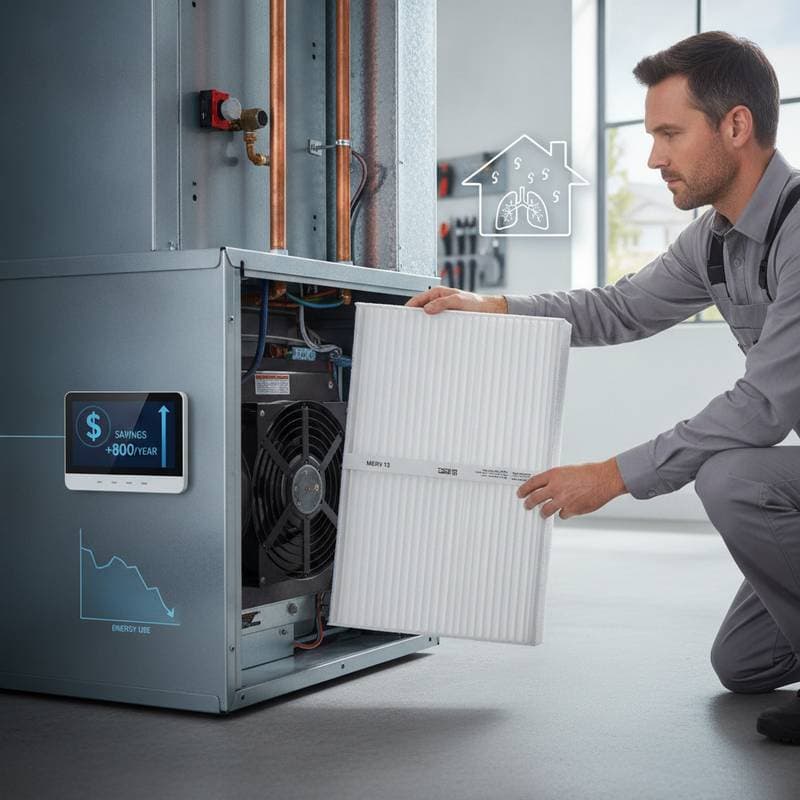
UV-C targets biological elements but does not capture non-living dust. Pair it with a MERV 13 or higher filter to address both sterilization and particle removal effectively.
What Is the Replacement Schedule for Bulbs?
Expect one year of service from quality bulbs under normal conditions. Monitor for reduced intensity through visible dimming or via optional UV meters, and replace promptly to avoid lapses in protection.
Securing Quotes for UV-C Installation
Engage certified HVAC technicians to evaluate your setup and recommend tailored UV-C solutions. Proper integration maximizes benefits while adhering to safety standards.
Essential Questions for Your Installer
- Which UV-C configuration aligns with my home's size and current HVAC configuration?
- What warranties cover components and workmanship?
- How frequently do maintenance visits occur?
- What durability can I expect from the bulbs?
- Does the system run full-time or sync with the fan cycle?
- Will it integrate seamlessly with my existing filters?
- How might this impact my energy usage?
- Are rebates available for energy-efficient air quality upgrades?
- What operating noise levels are typical?
- How do I confirm post-installation functionality?
Sustaining Optimal Air Quality Over Time
Pair UV-C purification with routine HVAC care, such as quarterly filter changes and annual duct inspections, to lock in allergy reductions. This proactive routine not only curbs allergen resurgence but also safeguards system performance across seasons.
For those battling chronic allergies, UV-C purifiers represent a proven, targeted intervention. Adopting this technology empowers homeowners to cultivate allergen-resistant spaces, yielding enduring health gains and enhanced living quality.