How Can a Spring Tune-Up Help You Skip $800 HVAC Repair Bills?
Prevent Costly HVAC Repairs with Simple Spring Maintenance
A spring HVAC tune-up marks the boundary between a seamless cooling period and a sudden $800 repair expense or higher. As warmer weather arrives, the heating and cooling system transitions from heating to cooling functions, which strains aging parts. Neglected maintenance allows minor problems, such as frayed belts, obstructed filters, or refrigerant escapes, to escalate into system failures.
This guide outlines how a spring HVAC tune-up averts expensive fixes, describes standard service elements, provides average pricing information, and advises on selecting a trustworthy technician. It also includes self-managed maintenance practices to sustain system efficiency and dependability throughout the year.
What Happens During a Spring HVAC Tune-Up?
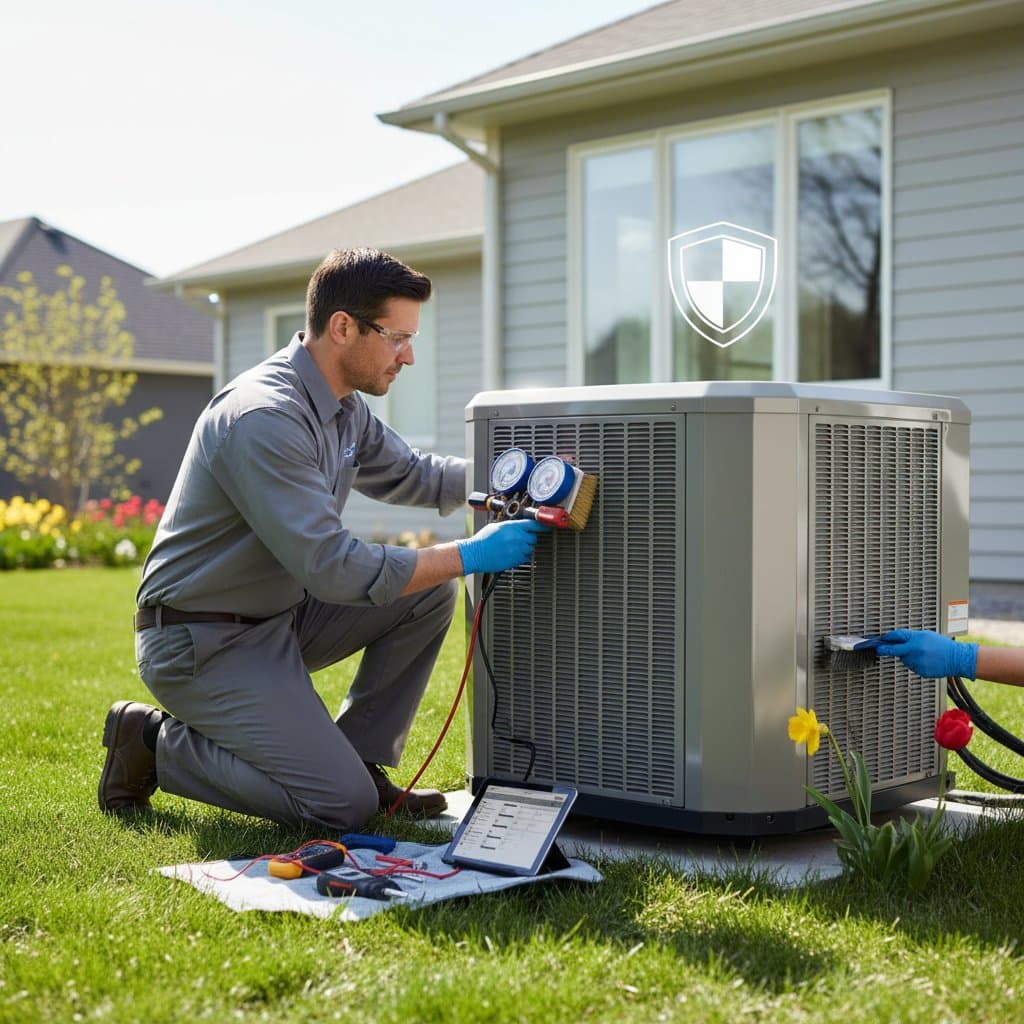
Professional tune-ups involve thorough examinations and cleanings to confirm that all heating and cooling components function at peak performance. Technicians typically perform the following during a spring service:
- Inspect electrical connections and secure any loose wires.
- Verify refrigerant levels and detect potential leaks.
- Clean condenser and evaporator coils to optimize cooling output.
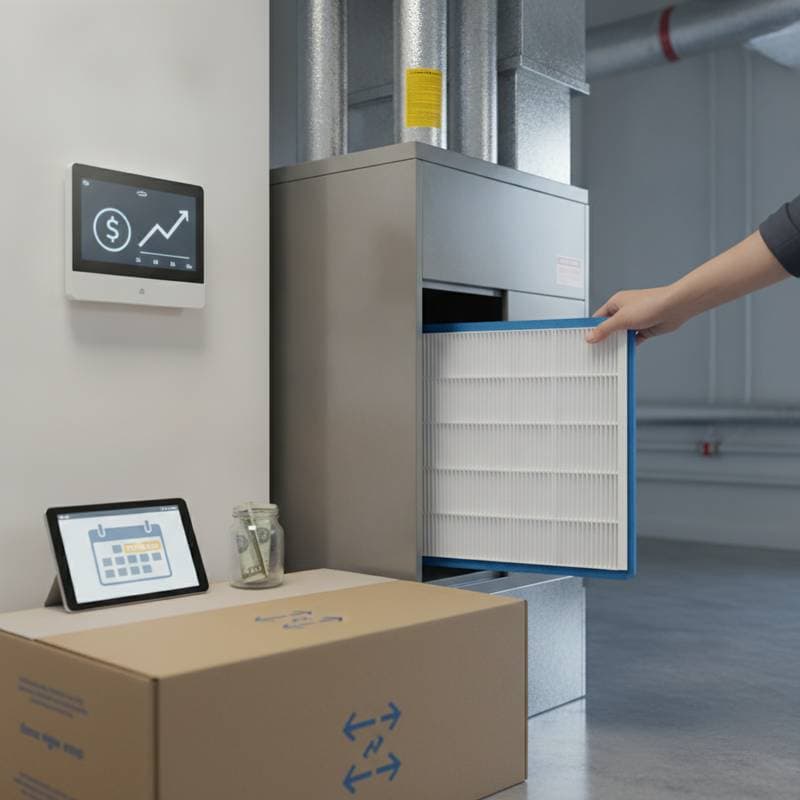
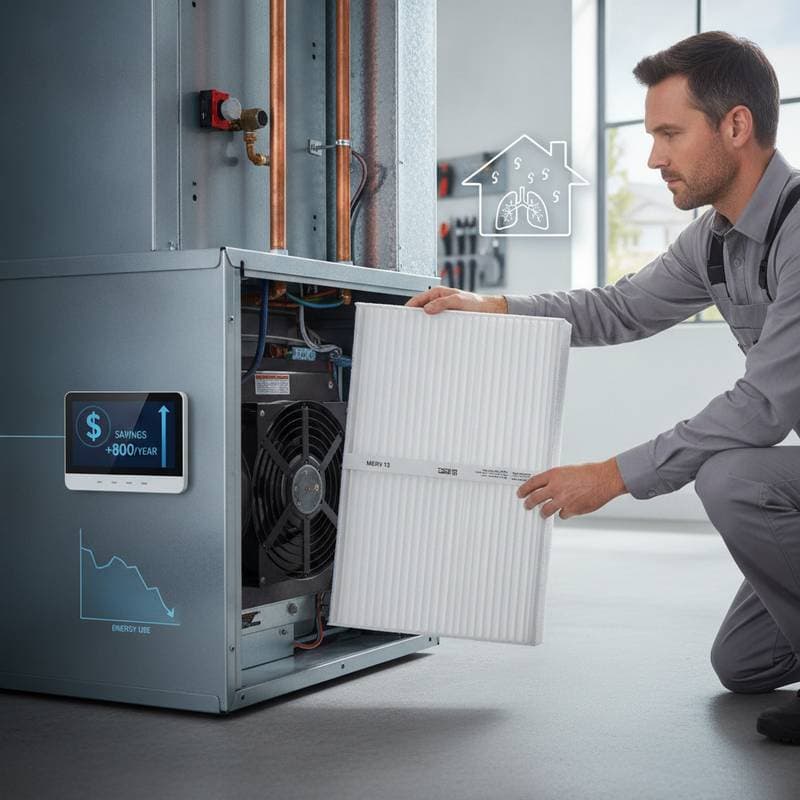
- Replace or clean air filters to enhance airflow and indoor air quality.
- Lubricate moving components, including fan motors and bearings.
- Test thermostat precision and adjust calibration as required.
- Review the condensate drain line to avoid obstructions and moisture issues.
- Evaluate blower elements for equilibrium and appropriate velocity.
These procedures minimize operational stress on the HVAC system. For instance, accumulated dirt on coils compels the unit to operate extended periods to achieve desired temperatures, which elevates energy consumption and accelerates compressor deterioration. Compressor replacement often surpasses $1,000, whereas coil cleaning in a tune-up incurs minimal expense.
Common HVAC Repairs and Their Costs
Neglected upkeep frequently leads to recurring, high-cost HVAC failures. Awareness of these repair expenses underscores the value of proactive spring tune-ups.
| Repair Type | Typical Cost | Description |
|---|---|---|
| Capacitor Replacement | $150 – $350 | Initiates motors and stabilizes voltage levels |
| Blower Motor Replacement | $400 – $700 | Circulates conditioned air via ductwork |
| Refrigerant Leak Repair | $300 – $800 | Seals leaks and replenishes refrigerant supply |
| Compressor Replacement | $1,000 – $2,500 | Drives the complete cooling process |
| Thermostat Replacement | $100 – $300 | Regulates temperature and system functions |
Many repairs originate from avoidable concerns, including soiled filters or restricted airflow. Tune-ups identify these early and remove failure triggers.
Factors That Influence HVAC Tune-Up Costs
Spring tune-up expenses fluctuate due to multiple considerations. Homeowners benefit from recognizing these to budget maintenance accurately.
System Size and Type
Larger installations demand extended inspection and cleaning durations. Servicing central air units generally exceeds costs for compact ductless mini-split systems.
Accessibility
Units positioned in confined areas, such as attics or crawl spaces, prompt additional charges for technicians' increased labor and access challenges.
Service Plan or Membership
Numerous HVAC providers extend annual maintenance agreements that deliver two seasonal tune-ups, repair discounts, and expedited appointments. Such plans range from $150 to $300 yearly and offset hundreds in urgent service fees.
Location
Regional labor variations affect pricing. Metropolitan zones typically impose modest premiums over rural settings because of elevated operational expenses.
Add-On Services
Supplemental options like intensive cleaning, duct evaluations, or specialized diagnostics increment the bill. Inquire about inclusions prior to booking.
DIY Steps to Support Professional Maintenance
Although expert service remains crucial, homeowners can implement routine actions to preserve system performance between professional visits.
- Swap air filters every one to three months, adjusted for household activity and local air conditions.
- Clear the outdoor condenser of foliage, soil, and refuse to maintain unobstructed operation.
- Monitor thermostat configurations for optimal energy use.
- Examine vents and registers for obstructions or sediment accumulation.
- Note atypical sounds, such as rattling, humming, or scraping, and summon a professional upon detection.
These practices lessen component fatigue, preserve circulation, and deter excessive system workload.
Spring HVAC Tune-Up FAQs
How often should I schedule an HVAC tune-up?
Experts advise two annual tune-ups: one in spring to prepare cooling capabilities and one in fall for heating readiness. Consistent servicing guarantees safe, effective operation ahead of severe weather.
How long does a tune-up take?
Routine tune-ups span one to two hours, influenced by system intricacy and access ease. Extensive evaluations or coil treatments may extend time, yet completion occurs in one session.
What are the signs my HVAC system needs maintenance?
Indicators encompass inconsistent room temperatures, diminished airflow, prolonged cooling durations, or rising utility statements. Peculiar scents or sounds likewise signal the need for expert review.
Does a tune-up include refrigerant recharge?
Recharges occur selectively. Technicians assess levels routinely, but replenishment follows only confirmed shortages, often tied to underlying leaks requiring correction.
Can I skip tune-ups if my system is new?
Newer units require upkeep to optimize efficiency and satisfy warranty terms. Initial services build records that sustain manufacturer protections.
Getting HVAC Tune-Up Quotes
For spring preparations, obtain several estimates to evaluate rates, service breadth, and client feedback. Established contractors furnish explicit service outlines and formal bids prior to commencing work.
Questions to Ask Your HVAC Technician
- Which tasks comprise your tune-up package?
- Do you examine refrigerant pressures and electrical features?
- Are replacement parts covered in the fee?
- Do maintenance agreements or discounts apply?
- What duration does the visit require?
- Could unforeseen issues incur extra fees?
- Are technicians certified and covered by insurance?
- Do you supply warranty documentation?
- Can you provide client references?
- What payment options exist?
Protect Your System Through Consistent Care
Annual spring tune-ups represent an efficient method to safeguard HVAC investments and sidestep avoidable expenses. Modest maintenance investments forestall major disruptions, elevate home comfort, and prolong unit longevity.
Arrange a spring HVAC tune-up to eliminate $800 repair threats, secure reliable operation, trim energy expenditures, and ensure cooling reliability during peak demand.