DIY Filter Subscriptions Reduce HVAC Breakdowns by 58 Percent
Timely replacement of HVAC filters reduces system breakdowns by approximately 58 percent. Research on homeowner maintenance practices highlights consistent filter changes as a straightforward and economical method to safeguard heating and cooling systems. Automated filter subscription services simplify this process by delivering appropriate filters directly to the doorstep at optimal intervals. This article details the operation of DIY filter subscriptions, their advantages, and their role in averting expensive HVAC repairs.
| Item | Key Benefit |
|---|---|
| Average Breakdown Reduction | 58 percent fewer HVAC failures |
| Typical Subscription Cost | $10 to $30 per month |
| Filter Replacement Frequency | Every 1 to 3 months |
| Average HVAC Repair Savings | $300 to $1,200 annually |
| Ease of Use | Delivered filters with automatic schedule reminders |
Importance of Regular Filter Replacement
HVAC systems circulate thousands of cubic feet of air daily. Dust, pet dander, pollen, and similar particles accumulate on the filter, compelling the system to operate under increased strain. A clogged filter impedes airflow, causing the blower motor to labor longer and the evaporator coil to freeze or overheat. This ongoing stress may result in compressor malfunctions or total system failures.
Regular filter changes preserve optimal airflow, shield essential components, and enhance energy efficiency. Subscription services eliminate the risk of oversight by automating the replacement schedule.
Operation of DIY Filter Subscription Services
These services prioritize user convenience. Users register, specify their HVAC filter dimensions, and select delivery intervals. The provider then dispatches fresh filters on a recurring basis. Replacement involves simply installing the new filter upon arrival.
Step-by-Step Guide
-
Select Filter Specifications
Choose the filter size and MERV rating, such as MERV 8, MERV 11, or MERV 13. Higher ratings trap finer particles, though they may limit airflow in systems not equipped for them. -
Determine Delivery Schedule
Most households require a new filter every 1 to 3 months. Residences with pets or allergy concerns often necessitate more frequent updates. -
Install Upon Delivery
The shipment arrival prompts the swap of the old filter for the new one. -
Modify Preferences
Options exist to pause, skip, or alter the schedule as circumstances change, ensuring alignment with household requirements.
Costs Associated with Filter Subscriptions
Such services prove economical.
| Filter Type | Average Monthly Cost | Primary Function |
|---|---|---|
| MERV 8 | $10 to $15 | Basic filtration of dust and pollen |
| MERV 11 | $15 to $25 | Enhanced air quality for pet hair and smoke |
| MERV 13 | $20 to $30 | Superior removal of fine particles for allergies |
Subscriptions remain far cheaper than individual repair bills. Routine replacements prolong system longevity by years, while sustaining steady comfort and air purity.
Elements Affecting Subscription Effectiveness
Multiple factors determine the overall benefits of a DIY filter subscription.
Filter Dimensions and Specifications
Oversized filters or advanced efficiency models incur higher expenses. Options like carbon-activated or electrostatic variants further elevate costs.
Household Conditions
Environments with pets, tobacco use, or elevated dust demand monthly replacements. Less demanding settings permit quarterly intervals.
System Utilization Patterns
Residences in harsh climates engage HVAC units more intensively, accelerating filter clogging. Subscriptions adapt deliveries to match usage intensity.
Air Quality Objectives
Some prioritize operational efficiency, others indoor purity. Appropriate MERV selection harmonizes filtration with airflow needs.
HVAC Filter Varieties for Subscriptions
Subscription-compatible filters vary to suit diverse air quality aims.
Fiberglass Filters
Advantages:
- Inexpensive acquisition
- Straightforward installation
- Safeguards equipment against substantial debris
Disadvantages:
- Limited capture of microscopic particles
- Demands frequent exchanges
Pleated Filters (MERV 8 to 11)
Advantages:
- Equilibrium between airflow and particle trapping
- Effective against dust, pet dander, and pollen
- Compatible with most HVAC configurations
Disadvantages:
- Marginally pricier than fiberglass
- Replacement typically every 1 to 2 months
High-Efficiency Filters (MERV 13 and Above)
Advantages:
- Ideal for managing allergies
- Captures bacteria, smoke, and ultrafine dust
- Markedly elevates indoor air standards
**Disadvantages:**n- Potential airflow reduction in aging systems
- Elevated pricing relative to basic types
Washable Filters
Advantages:
- Reusable and environmentally sound
- Extended durability when cleaned properly
Disadvantages:
- Necessitates regular upkeep
- Risk of mold growth if incompletely dried
Indicators of Required Filter Replacement
Subscriptions notwithstanding, vigilance for premature needs remains essential. Monitor these symptoms:
- Noticeable dust on vents or furnishings
- Diminished airflow from outlets
- Elevated utility statements absent usage spikes
- Aberrant sounds from the HVAC apparatus
- Worsening indoor allergy or asthma effects
- Filter appears discolored upon examination
Immediate replacement upon detection prevents escalation over awaiting the next delivery.
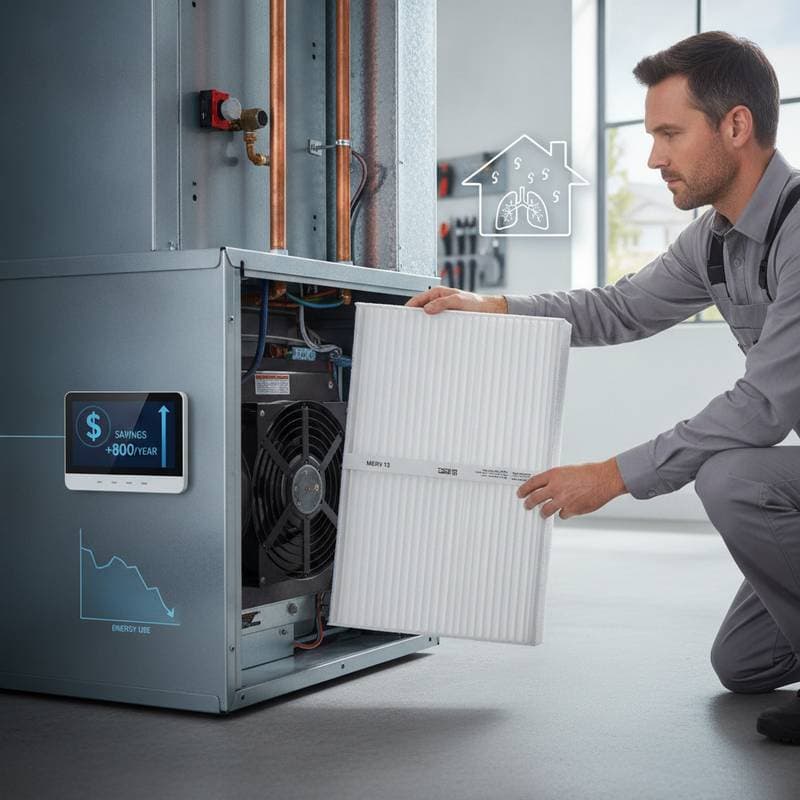
Procedure for Filter Replacement
The task requires mere minutes.
-
Deactivate the System
Power down the HVAC to block debris entry into ducts. -
Identify the Filter Compartment
Common locations include behind return grilles or within the air handler. -
Extract the Used Filter
Remove it gingerly to minimize dust dispersal. -
Verify Airflow Orientation
Align the directional arrow toward the blower or furnace. -
Position the Fresh Filter
Insert until securely seated. -
Reactivate the System
Resume operation for prompt benefits in air quality and flow.
Maintenance Expenses Absent Subscriptions
Neglected filters precipitate substantial repair outlays. Clogging induces overheating, coil icing, or motor breakdowns.
| Service Type | Typical Cost | Trigger |
|---|---|---|
| Blower Motor Exchange | $400 to $700 | Strain from airflow limitations |
| Evaporator Coil Service | $250 to $500 | Debris buildup from obstructions |
| Compressor Fix | $1,200 to $2,500 | Stress from inadequate circulation |
| Urgent Callout | $150 to $300 | Abrupt operational halt |
Subscription-driven maintenance circumvents these costs, ranking among premier preventive strategies.
Common Queries on DIY Filter Subscriptions
In What Ways Do Subscriptions Yield Financial Savings?
They avert lapses in filter changes that precipitate repairs. Consistent upkeep optimizes efficiency, curbing energy costs and sidestepping urgent interventions.
Do Subscription Filters Match Retail Quality?
Affirmative. Providers supply equivalent high-grade options, frequently with superior sizing precision and consistency.
Is Support Available for Multiple Units?
Numerous services accommodate customization for several systems, permitting varied sizes and timings per unit.
What Occurs If Installation Is Overlooked Upon Arrival?
Delivery functions as the cue. Delayed fitting remains viable, yet regularity maximizes system safeguards.
Might Elevated MERV Ratings Damage Equipment?
Only if mismatched. Consult manufacturer guidelines; suitable selections enhance air quality sans compromising flow.
What Interval Suits Pet-Owning Homes?
Every 1 to 2 months. Fur and dander accelerate clogging, impairing performance.
Do Subscriptions Alleviate Allergies?
Yes. Higher MERV filters effectively snare allergens like pollen and dander, fostering healthier indoor environments.
Implement Preventive HVAC Strategies Today
DIY filter subscriptions offer a seamless, budget-friendly approach to HVAC protection and home comfort. Automation addresses a primary failure source, minimizing energy loss and repair risks. Initiate a subscription to secure reliable operation year-round.