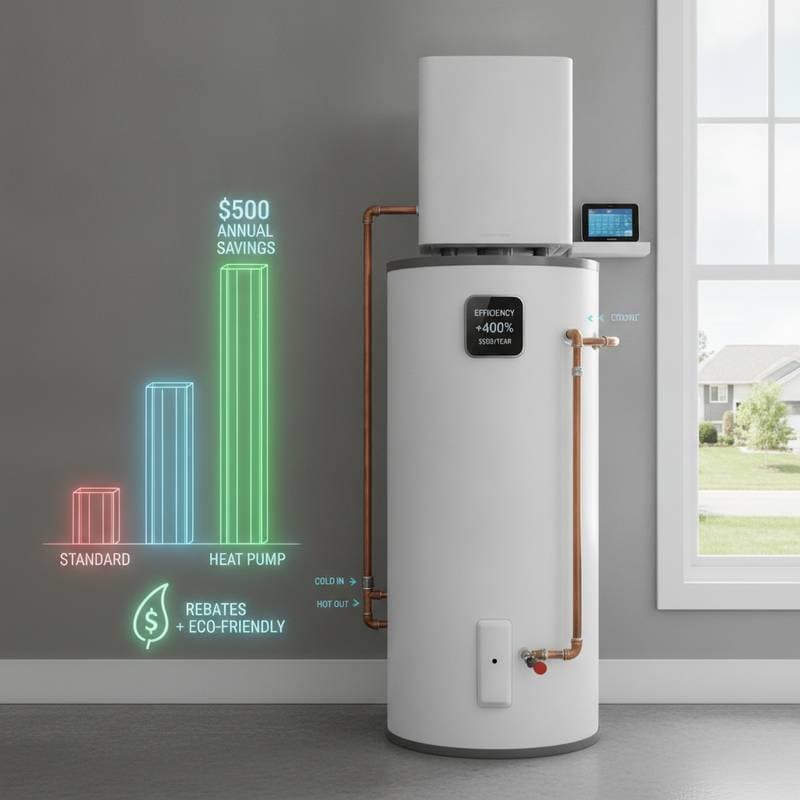
Heat Pumps Deliver $500 in Annual Savings with Triple Efficiency
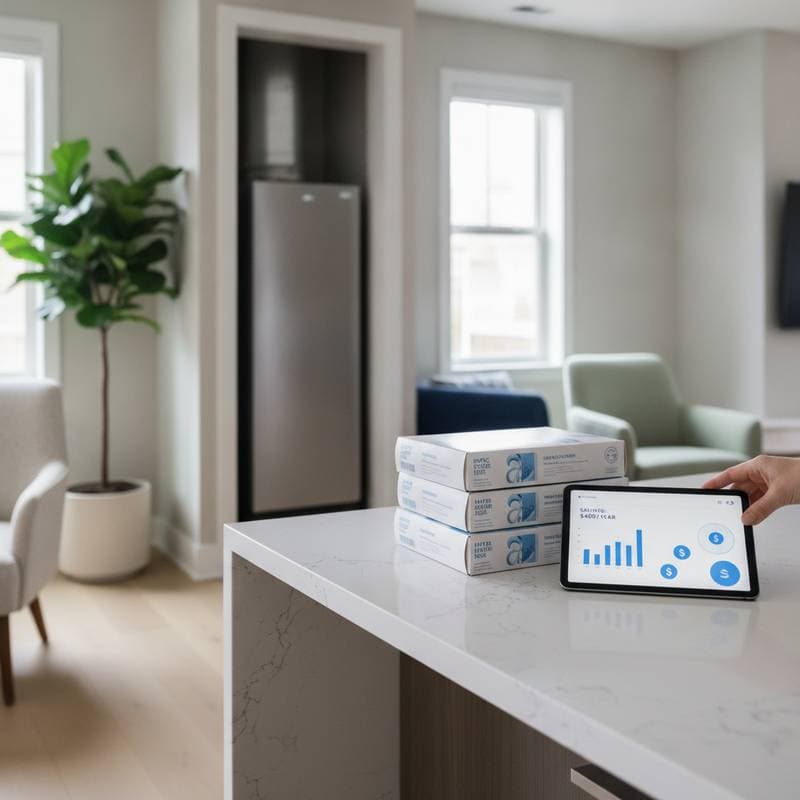
Homeowners seeking to lower energy expenses while maintaining comfort find heat pumps provide substantial benefits. These systems enable average annual savings of about $500 when compared to traditional electric or gas heating options. Heat pumps achieve up to three times the efficiency of standard resistance heating, positioning them as a strategic choice for enduring energy cost reductions. This article details heat pump operations, cost influences, and strategies for maximizing financial returns.
| Item | Average Estimate |
|---|---|
| Annual Energy Savings | Approximately $500 |
| Energy Efficiency | Up to 3 times higher than standard systems |
| Average Heat Pump Cost | $4,000 - $9,000 (including installation) |
| Lifespan | 12 - 15 years |
| Payback Period | 5 - 7 years |
Understanding Heat Pump Costs
Installation expenses for a heat pump depend on the system variety, home dimensions, and regional labor charges. Most installations range from $4,000 to $9,000, encompassing equipment and expert setup.
| Type | Average Installed Cost |
|---|---|
| Air-Source Heat Pump | $4,000 - $7,500 |
| Ductless Mini-Split Heat Pump | $3,000 - $8,000 |
| Geothermal Heat Pump | $10,000 - $25,000 |
| Heat Pump Water Heater | $1,800 - $3,500 |
Although initial investments appear significant, the ongoing savings and minimal upkeep requirements render heat pumps a sound financial decision.
Factors Influencing Heat Pump Expenses
Capacity and Unit Size
Heat pumps receive sizing in tons or BTUs. Residences of greater size demand higher capacity for steady temperature regulation. A standard household typically requires a 2- to 5-ton unit. Proper sizing through professional assessment prevents energy loss or discomfort from mismatched equipment.
Efficiency Metrics
Performance levels appear as SEER2 for cooling and HSPF2 for heating. Elevated ratings indicate superior operation and reduced electricity consumption. Models with advanced SEER2 and HSPF2 values involve higher initial outlays yet yield the most considerable yearly reductions in costs through optimized energy use.
Configuration Options
Air-source units represent the prevalent choice, whereas geothermal variants offer peak performance via subsurface integration. Ductless configurations suit properties lacking central air distribution or those needing targeted zone control.
Setup Demands
Properties with existing, functional ducting incur lower setup fees. Structures requiring fresh ducting, electrical enhancements, or structural adjustments face elevated charges for workforce and supplies.
Manufacturer and Coverage
Leading producers provide extended guarantees and innovative elements like variable-speed mechanisms or intelligent interfaces. Selecting established brands enhances dependability and diminishes future repair expenditures.
Exploring Heat Pump Varieties
Air-Source Heat Pumps
These prevalent and economical units facilitate heat exchange between indoor spaces and exterior atmosphere.
Advantages:
- Reduced upfront expense
- Suitable for diverse weather conditions
- Straightforward setup process
Disadvantages:
- Moderately reduced performance in subzero conditions
Ductless Mini-Split Heat Pumps
Such setups feature indoor wall units linked to an external compressor for flexible operation.
Advantages:
- Ideal for duct-free homes
- Enables precise zoning for temperature management
- Operates with minimal noise
Disadvantages:
- Increased expense per zone
- Indoor components remain visible
Geothermal Heat Pumps
These advanced systems employ buried loops to leverage the earth's consistent thermal properties.
Advantages:
- Superior efficiency and durability
- Minimal runtime expenses
- Silent and dependable function
Disadvantages:
- Substantial setup investment
- Necessitates adequate property space for loops
Heat Pump Water Heaters
This specialized application applies heat pump principles to water warming tasks.
Advantages:
- Lowers water heating expenses by as much as 70 percent
- Diminishes ambient moisture in installation zones
Disadvantages:
- Performs optimally in temperate environments
- Exhibits slower recovery compared to standard electric units
Indicators for Heat Pump Replacement
Consider upgrading if these conditions apply:
- Existing HVAC or water heating equipment exceeds ten years in age
- Utility statements show persistent increases despite routine servicing
- Temperature distribution feels inconsistent across rooms
- Current setup operates continuously or fails to attain desired levels
- Transition to fully electric heating appeals for environmental or efficiency reasons
Multiple matching signs suggest that a heat pump installation enhances immediate comfort and operational effectiveness.
Step-by-Step Heat Pump Installation
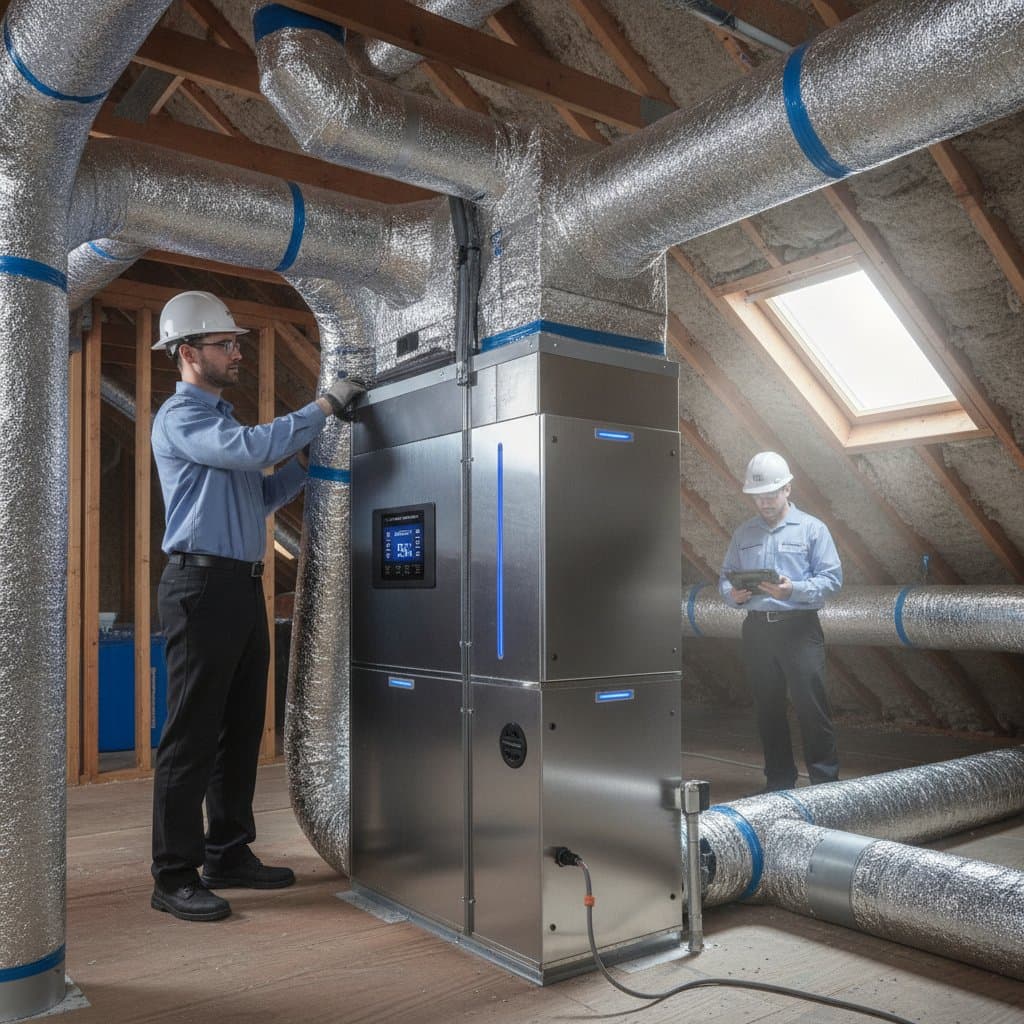
Professional installation follows a structured sequence to guarantee safety and peak functionality.
- Evaluation and Sizing: Specialists assess home dimensions, insulation quality, and configuration to specify appropriate capacity.
- Equipment Choice: Select the variant and producer aligning with comfort preferences and financial parameters.
- Site Preparation: Remove outdated components and ready electrical and ductwork interfaces.
- Unit Placement: Position indoor and outdoor elements, establish connections, and apply seals.
- Performance Verification: Conduct checks on air circulation, refrigerant levels, and control precision.
- Owner Orientation: Receive guidance on usage and care practices to sustain optimal results.
Labor Expenses for Heat Pump Projects
Labor constitutes 30 to 50 percent of total installation costs, typically ranging from $1,500 to $4,000 based on project scope. Simple air-source replacements in accessible locations fall at the lower end, while geothermal setups or extensive modifications push fees higher due to specialized skills and equipment needs. Regional variations in hourly rates, from $75 to $150, further influence these figures. Opting for certified technicians ensures compliance with codes and preserves warranty validity.
Common Questions on Heat Pump Benefits
In what manner does a heat pump achieve $500 in yearly savings?
Heat pumps transfer thermal energy rather than produce it, consuming substantially less power. This approach yields up to three times the efficiency of conventional setups, allowing typical households to decrease energy expenditures by around $500 each year.
Do heat pumps function reliably in cold climates?
Contemporary designs incorporate inverter technology for strong performance in low temperatures. These units extract ambient heat from outdoor air even during freezes, maintaining effective operation.
What duration defines a heat pump's service life?
Systems generally endure 12 to 15 years. Adhering to maintenance schedules, ensuring correct sizing, and employing skilled installation extend operational longevity.
What upkeep does a heat pump demand?
Routine tasks prove simple. Replace or clean filters periodically, clear debris from exterior components, and arrange biannual expert reviews to uphold efficiency.
Can one heat pump handle both heating and cooling?
Yes. A unified system delivers heating and cooling capabilities, obviating separate equipment. This integration simplifies management and curtails overall upkeep demands.
Does investing in a heat pump water heater pay off?
Yes. These devices harness surrounding air for water heating, reducing energy demands by up to two-thirds relative to conventional electric alternatives.
Strategies to Optimize Heat Pump Returns
To maximize investment value, integrate smart thermostats for automated adjustments based on occupancy and weather data. Seal home envelopes against drafts and enhance insulation to amplify system efficiency. Schedule annual tune-ups to preempt issues and sustain peak performance. Pair heat pumps with renewable energy sources like solar panels for further bill reductions. These practices not only accelerate payback but also elevate home comfort and environmental impact over the system's lifespan.