How Dual-Fuel HVAC Systems Reduce Winter Heating Costs by 38 Percent in 2025
Dual-fuel HVAC systems integrate a gas furnace with an electric heat pump to deliver substantial savings on heating bills. Homeowners can expect reductions of up to 38 percent during the coldest months. These systems switch automatically between energy sources based on outdoor conditions, ensuring optimal efficiency throughout the heating season.
This guide details the mechanics of dual-fuel systems, installation costs, influencing factors, and strategies for maximizing savings. Suitable for various climates, these hybrid setups provide reliable comfort while minimizing energy expenses.
Energy Savings from Dual-Fuel HVAC Systems
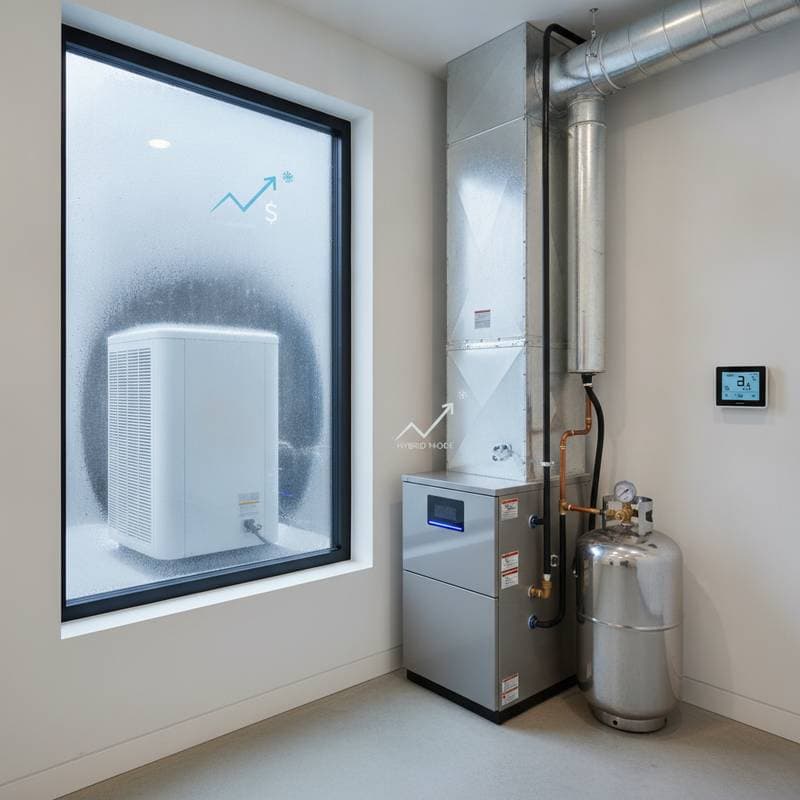
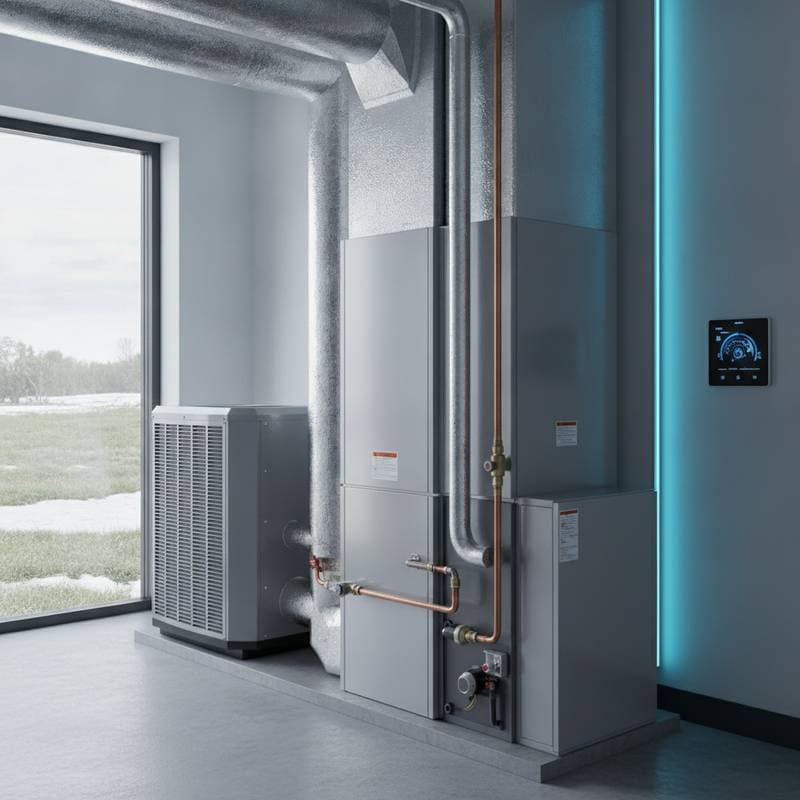
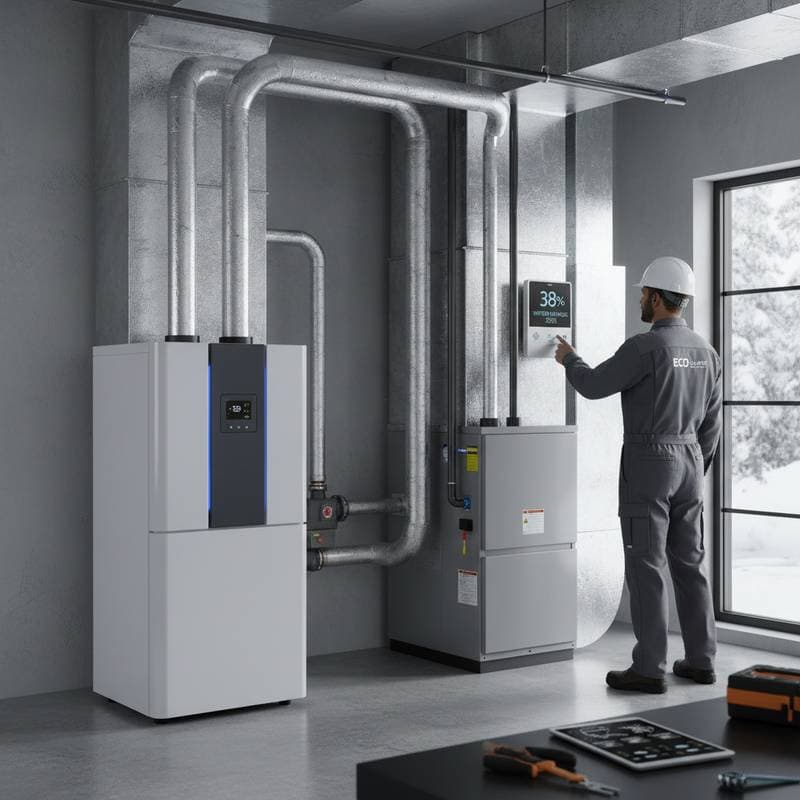
Dual-fuel systems employ a heat pump for moderate temperatures and activate the gas furnace during extreme cold. A control board monitors conditions and selects the more economical option, avoiding inefficient electric resistance heating.
This setup delivers the reliability of gas heating when necessary and the cost savings of electric heating otherwise. Homeowners benefit from balanced operation that enhances overall system performance.
Primary Efficiency Advantages
- Precise energy selection: The system chooses the optimal fuel based on real-time temperature and cost data.
- Lower emissions profile: Increased reliance on electricity reduces reliance on fossil fuels.
- Prolonged component durability: Workload distribution between units minimizes wear and tear.
- Stable indoor climate: Even heating prevents temperature fluctuations in harsh weather.
Factors Affecting Dual-Fuel HVAC Costs
Multiple variables determine the expense and effectiveness of dual-fuel installations. Awareness of these elements enables informed decisions aligned with home requirements and financial plans.
1. Unit Capacity and Home Size
Homes with greater square footage demand larger systems, which elevate installation expenses. Professionals perform Manual J load calculations to specify the exact capacity needed for peak efficiency without excess capacity.
2. Efficiency Specifications
Units boasting elevated SEER and AFUE ratings incur higher initial costs yet yield greater long-term savings through reduced energy consumption. Select models certified by Energy Star for verified performance.
3. Installation Requirements
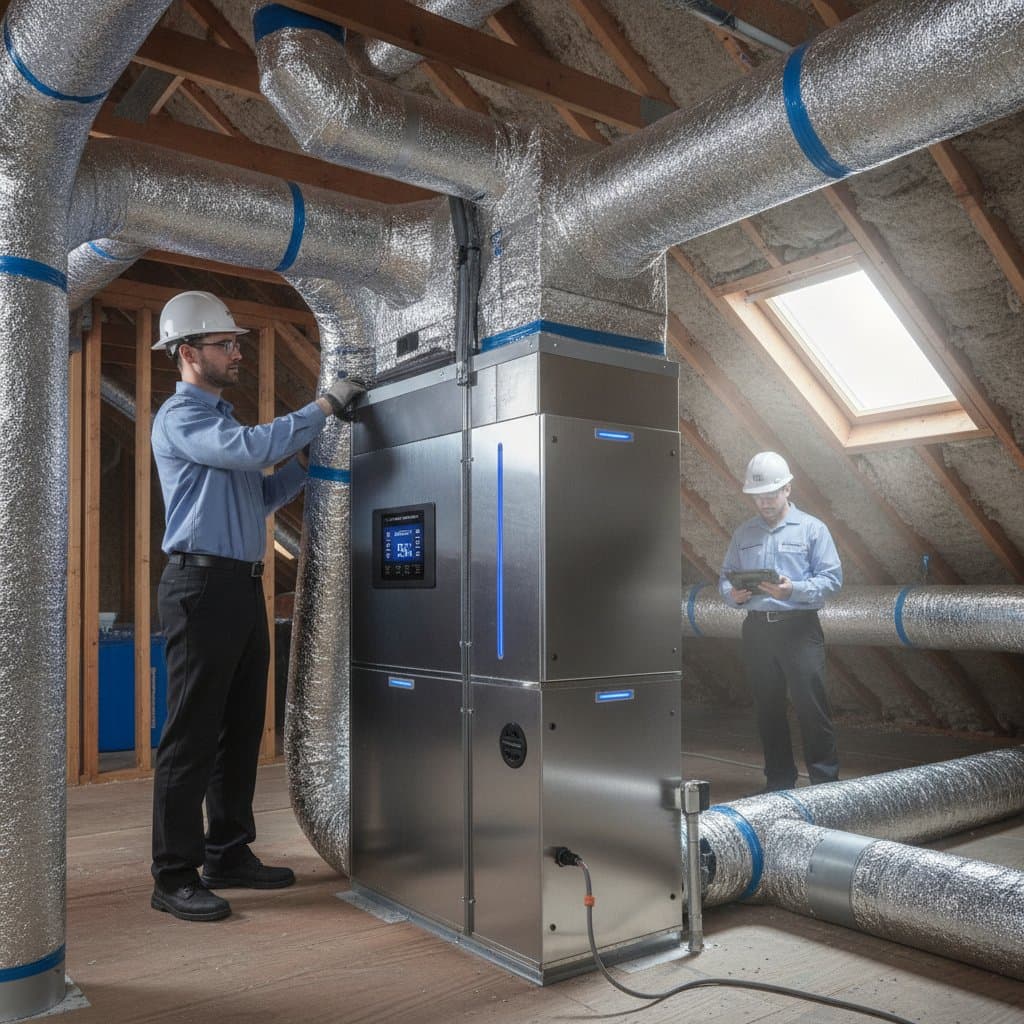
Projects involving duct modifications, electrical enhancements, or gas piping adjustments increase labor charges. Existing infrastructure assessments help predict these additional needs.
4. Regional Weather Patterns
In temperate zones, heat pumps dominate operation, amplifying cost reductions. Colder areas see more furnace use, yet hybrid systems outperform traditional setups by integrating efficient switching.
5. Financial Incentives
Rebates from utilities and federal programs, such as those under the Inflation Reduction Act, offset expenses. Research local offerings through the Database of State Incentives for Renewables and Efficiency to claim applicable credits.
Frequently Asked Questions About Dual-Fuel HVAC Systems
How Does a Dual-Fuel System Operate?
The system pairs an electric heat pump with a gas furnace managed by a unified controller. The heat pump manages both heating and cooling in milder conditions. Below a predefined temperature, typically 30 degrees Fahrenheit, the furnace engages for robust heat output.
What Is the Expected Lifespan of a Dual-Fuel System?
Proper care extends service to 15 through 20 years. Schedule annual professional inspections and replace air filters quarterly to sustain efficiency and prevent breakdowns.
Is Retrofitting Possible with Existing Equipment?
Many installations pair a new heat pump with a compatible furnace. Technicians evaluate control compatibility and furnace condition to confirm feasibility, often requiring minimal modifications.
What Maintenance Does a Dual-Fuel System Need?
Routine checks cover heat pump refrigerant, furnace burners, and electrical connections. Biannual servicing by certified technicians ensures seamless operation across both components.
Do the Benefits Justify the Cost?
In regions with variable winters, payback occurs within five to seven years via bill reductions. Long-term gains include lower utility payments and enhanced home value.
Securing Quotes for Dual-Fuel HVAC Installations
Multiple bids from licensed contractors provide competitive pricing and tailored solutions. Emphasize technicians experienced in hybrid systems for accurate assessments.
Home-specific factors like insulation and layout influence design, so insist on detailed load analyses during consultations.
Essential Questions for Contractors
- Which dual-fuel brands and models suit my property?
- What method do you use for sizing the system?
- Does the quote cover all materials and labor?
- Can you identify applicable rebates?
- What warranties apply to equipment and workmanship?
- How many days will the project require?
- Do you offer ongoing maintenance contracts?
- What are the system's SEER and AFUE ratings?
- Is integration with smart thermostats possible?
- What payment plans exist for the investment?
Achieving Year-Round Efficiency with Dual-Fuel Systems
Dual-fuel HVAC installations lower heating expenses while upholding superior comfort levels. The automated fuel selection responds to weather shifts and fluctuating energy rates, simplifying home management.
Homeowners gain from decreased utility costs, environmental benefits, and reliable performance. Pair the system with programmable thermostats and improved insulation for amplified results across seasons.