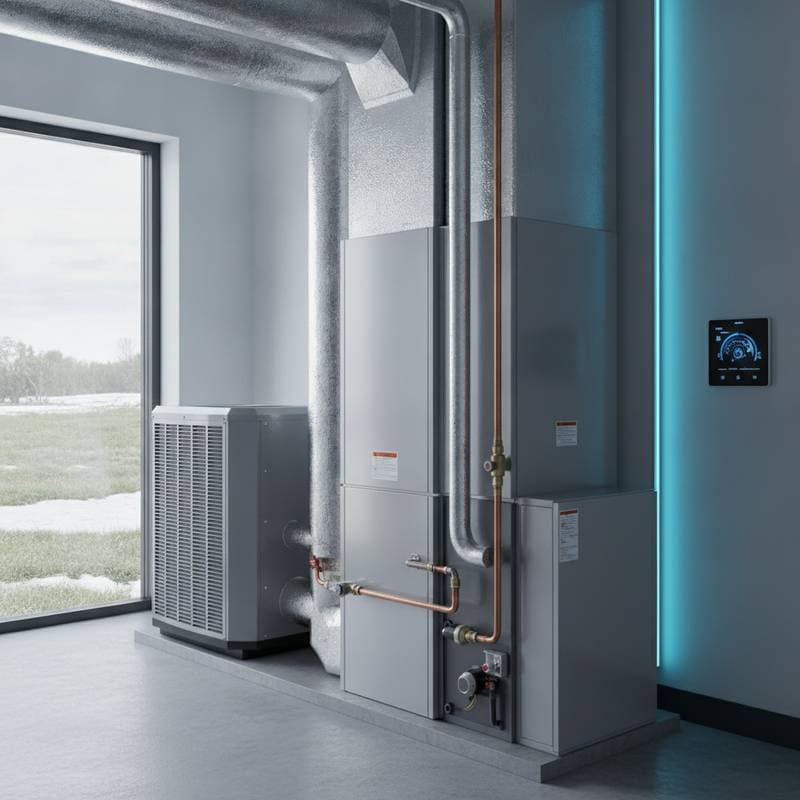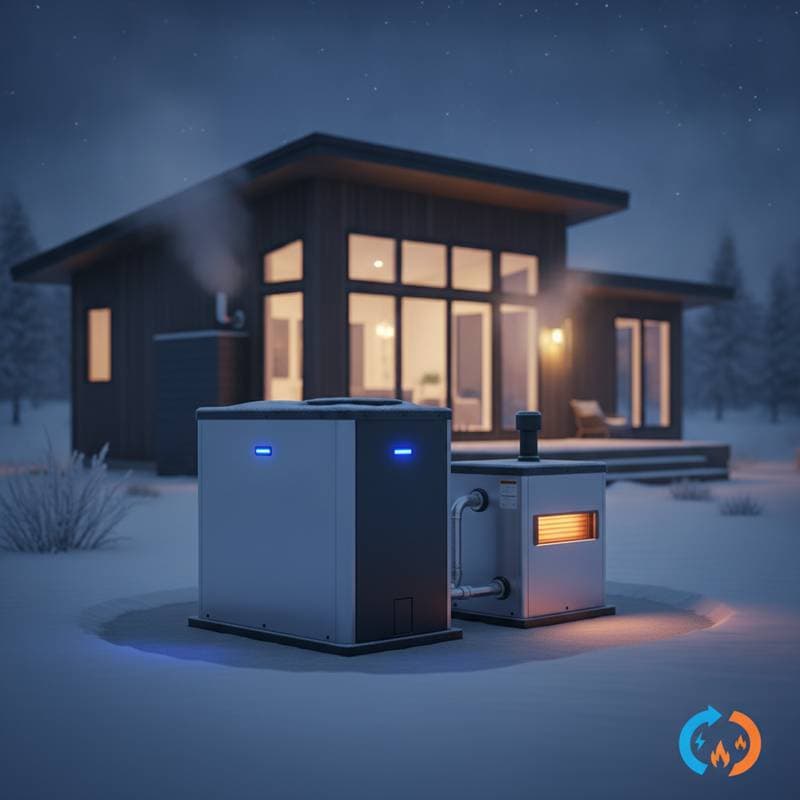

- Regional climate conditions: In temperate areas, heat pumps excel without supplements; in harsher winters, hybrid configurations with auxiliary electric or gas heating ensure reliability.
- Incentive variations: Rebate amounts and additional federal tax credits, such as those under the Inflation Reduction Act, differ by state, utility, and equipment specifications.
Conducting an energy audit before purchase helps tailor the system to specific home needs, maximizing both rebate eligibility and operational savings.
Professional Installation Versus DIY Approaches
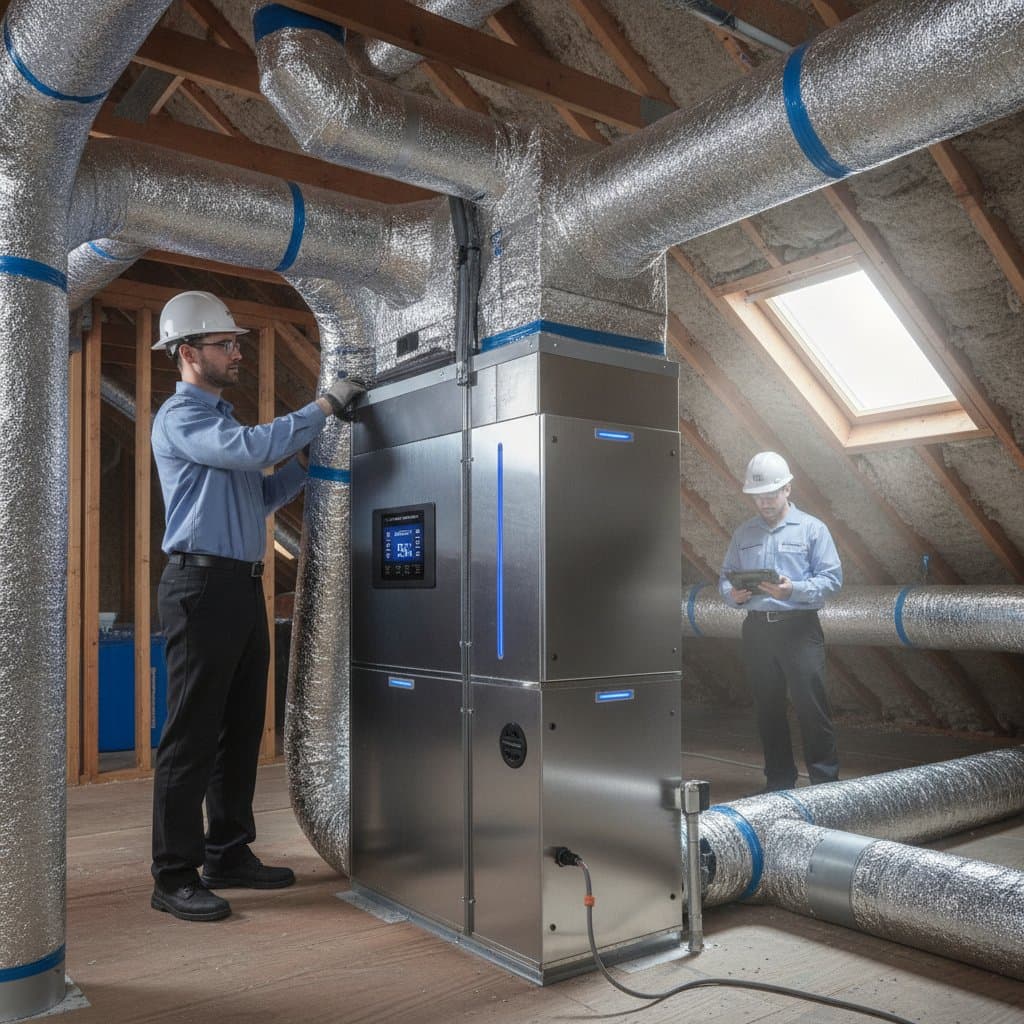
Professional installation stands as the recommended path for heat pumps due to the technical complexities involved. Certified technicians handle refrigerant charging, electrical connections, and system calibration to meet manufacturer warranties and safety codes. Improper setup risks reduced efficiency, higher energy use, and potential voiding of rebates, which often mandate licensed installers.
Attempting a DIY installation proves unwise for most homeowners, given the specialized tools and knowledge required. Electrical hazards, refrigerant handling regulations, and structural modifications demand expertise to avoid costly errors. Instead, select contractors through reputable networks like the North American Technician Excellence (NATE) certification program.
The installation process typically spans one to three days, depending on system scope. Post-installation, professionals perform load calculations and testing to verify optimal performance, providing homeowners with peace of mind and documentation for rebate claims.
Frequently Asked Questions
How Do I Qualify for the $600 Heat Pump Rebate?
Qualification generally involves purchasing an ENERGY STAR-certified heat pump and engaging a licensed professional for installation. Programs may require pre-approval or proof of residency within the service area. Contact your utility provider or state energy office to review precise criteria and submission deadlines.
Do Heat Pumps Perform Well in Cold Climates?
Contemporary heat pumps operate efficiently down to temperatures as low as 5 degrees Fahrenheit, extracting available heat from outdoor air. In severe cold, auxiliary heating modes activate automatically. For optimal results in extreme winters, consider dual-fuel systems that switch to gas furnaces when needed.
What Is the Expected Lifespan of a Heat Pump?
With proper maintenance, heat pumps endure 10 to 15 years, and some models last longer in favorable conditions. Annual professional inspections, along with routine tasks like cleaning filters and coils, prevent wear and sustain efficiency. Adhering to manufacturer guidelines extends operational life and preserves warranty coverage.
Can Rebates Apply to Both Heat Pumps and Water Heaters?
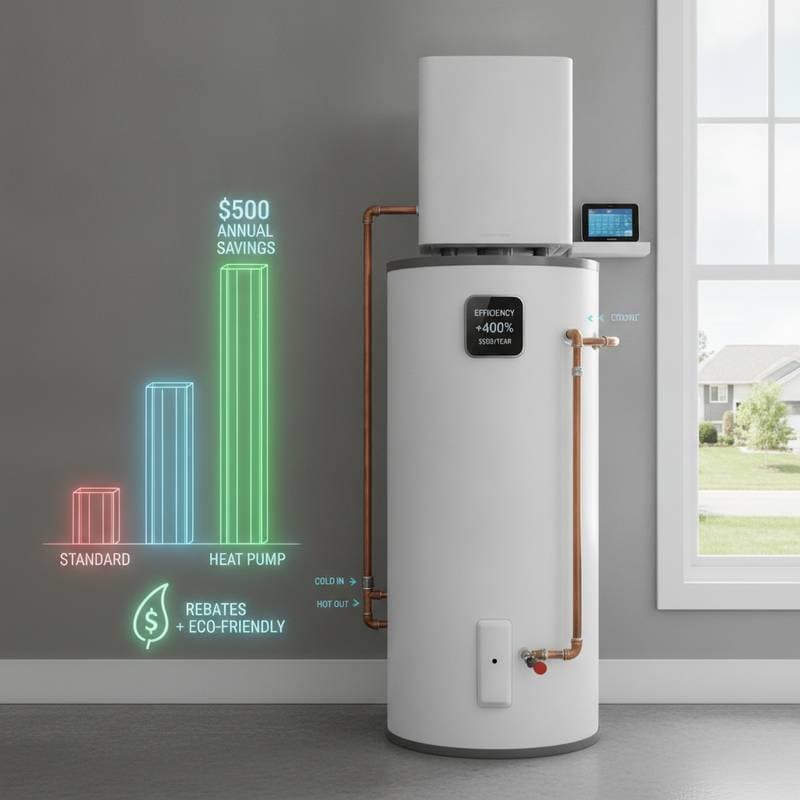
Many programs offer distinct rebates for heating systems and water heaters, allowing cumulative savings on multiple upgrades. Eligibility depends on local rules, but bundling installations often qualifies for streamlined processing. Verify with administrators to stack incentives effectively.
Steps to Upgrade Your Home Efficiently
Begin the upgrade process by assessing your current HVAC setup through a professional energy audit, which identifies inefficiencies and rebate opportunities. Research certified models that align with your home size and climate, then obtain quotes from multiple vetted installers to compare total costs after rebates.
Apply for incentives early in the planning phase to avoid delays. After installation, monitor energy bills to track savings and schedule maintenance to protect your investment. These steps not only lower costs but also enhance home value and comfort for years ahead.