The Importance of April Filter Replacement for HVAC Protection
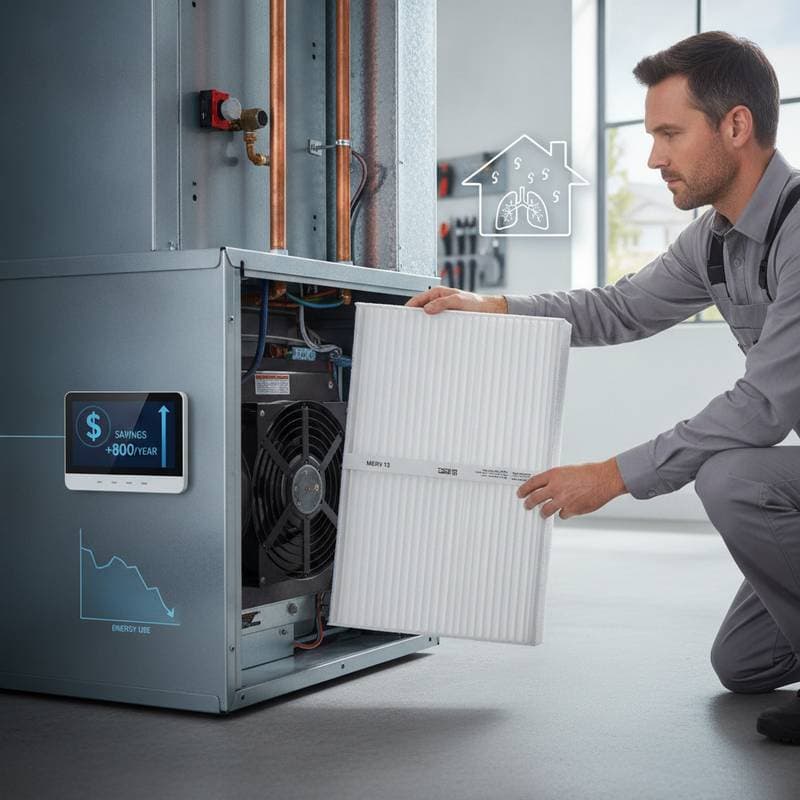
Spring introduces milder temperatures, yet it demands proactive care for your heating, ventilation, and air conditioning system. The primary maintenance action involves installing a new air filter. This step safeguards the equipment, elevates indoor air purity, and curbs energy expenditures. Understand the rationale behind this timing and the methods to sustain optimal HVAC function.
Understanding the Role of an HVAC Filter
An HVAC filter serves as a fundamental barrier that preserves the cleanliness of your heating and cooling apparatus. It captures dust particles, pollen grains, pet dander, and additional airborne contaminants prior to their infiltration into the core components. This process sustains unobstructed airflow and inhibits accumulation of grime on elements such as evaporator coils and blower fans.
As usage continues, filters accumulate debris and become obstructed. Restricted airflow compels the system to exert greater effort, diminishing operational efficiency and potentially necessitating substantial repairs. Regular replacement, particularly at the onset of spring, proves indispensable for sustained performance.
Reasons to Replace Filters in April
The transition to spring provides an ideal opportunity for HVAC filter renewal due to multiple environmental and operational factors. Your system shifts from heating dominance to cooling preparation, heightening exposure to circulating dust and particulates. An April replacement equips the unit for effective summer operation.
Key factors include:
-
Elevated Pollen and Allergen Levels. Spring atmospheres abound with pollen and irritants that rapidly saturate filters. A renewed filter intercepts these elements, preventing their dissemination throughout living spaces.
-
Mode Transition in System Operation. Following intensive winter activity, the HVAC requires recalibration. Filter renewal prior to peak cooling demand facilitates seamless functionality.
-
Optimization of Energy Efficiency. Obstructed filters compel increased energy draw to maintain airflow. April replacement minimizes consumption during intensive air conditioning periods, yielding reduced utility statements.
-
Proactive Prevention of Failures. Unimpeded filters alleviate stress on motors and fans, thereby extending the overall lifespan of the HVAC assembly.
Indicators Requiring Immediate Filter Replacement
Disregard of replacement schedules manifests in observable symptoms. Recognize these cues to address issues promptly:
- Accumulation of dust near air vents or on household surfaces
- Diminished airflow from supply registers
- Abnormal sounds emanating from the HVAC unit
- Escalation in energy bills despite stable usage patterns
- Intensified allergy or asthma symptoms within the home
Upon detection of these signs, prioritize filter renewal as the initial remedial measure.
Advantages of Springtime Filter Renewal
April filter replacement transcends basic upkeep; it enhances habitability, wellness, and mechanical reliability through accessible actions.
Enhancement of Indoor Air Purity
Seasonal pollen, pet fur, and dust mites compromise breathability indoors. A pristine filter eliminates a significant portion of these pollutants, fostering a salubrious atmosphere. Individuals prone to allergies or respiratory conditions benefit markedly from this improvement.
Reduction in Energy Expenditures
Unrestricted airflow enabled by a clean filter lessens the workload on fan motors and compressors. Consequently, the system operates with diminished energy requirements. Consistent renewals translate to sustained savings on monthly bills.
Extension of Equipment Durability
Reduced operational strain preserves component integrity over time. Contaminated filters accelerate deterioration, inviting premature part failures and repair costs. Routine maintenance through filter changes upholds long-term system vitality.
Achievement of Uniform Comfort
Blockages in filters disrupt air distribution, resulting in temperature inconsistencies across rooms. A fresh filter promotes balanced circulation, ensuring even temperatures and reliable comfort throughout the residence.
Selecting an Appropriate HVAC Filter
Filter selection hinges on home-specific variables to maximize efficacy.
Determining Filter Dimensions
Consult the existing filter or equipment documentation to confirm dimensions. Incorrect sizing permits leakage of air and contaminants, undermining filtration capabilities.
Evaluating MERV Ratings
The Minimum Efficiency Reporting Value scale quantifies particle capture proficiency. Ratings from 8 to 13 suit typical residences, offering robust filtration without impeding airflow excessively.
Considering Filter Composition
Options encompass fiberglass, pleated fabrics, and electrostatic variants. Pleated designs endure longer and seize finer particulates with greater success.
Weighing Reusable Against Disposable Options
Reusable filters permit washing and reuse, demanding diligent cleaning routines. Disposable units simplify management and warrant replacement every one to three months.
Performing Filter Replacement: DIY or Professional Assistance
Filter exchange qualifies as a homeowner-accessible task in most instances. Evaluate circumstances to determine the suitable approach.
Scenarios for Self-Management
Proceed independently when:
- The HVAC unit presents straightforward access.
- Filter dimensions are verified accurately.
- Installation avoids interference with electrical or mechanical elements.
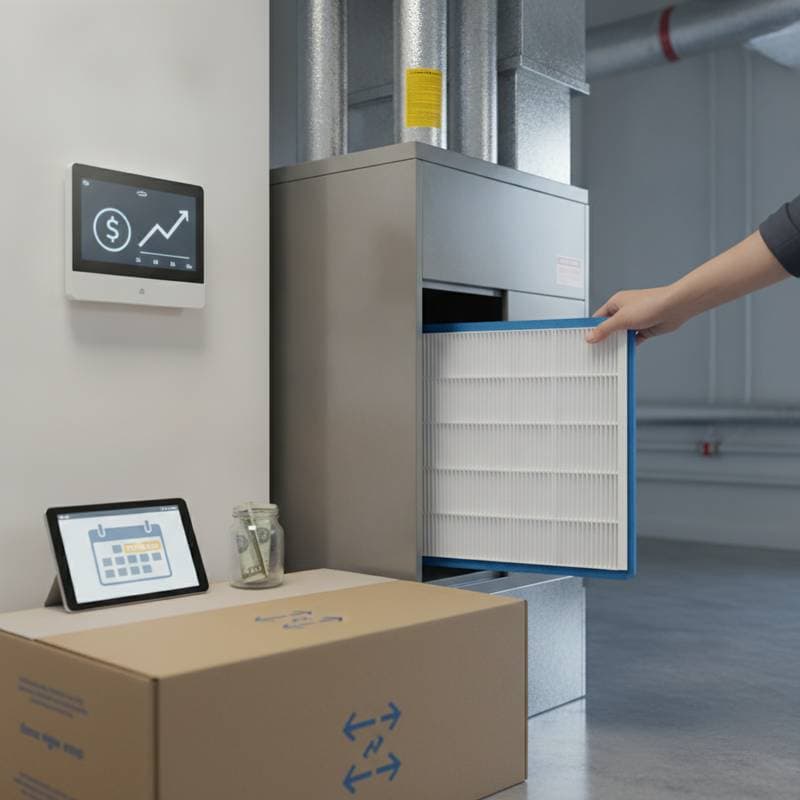
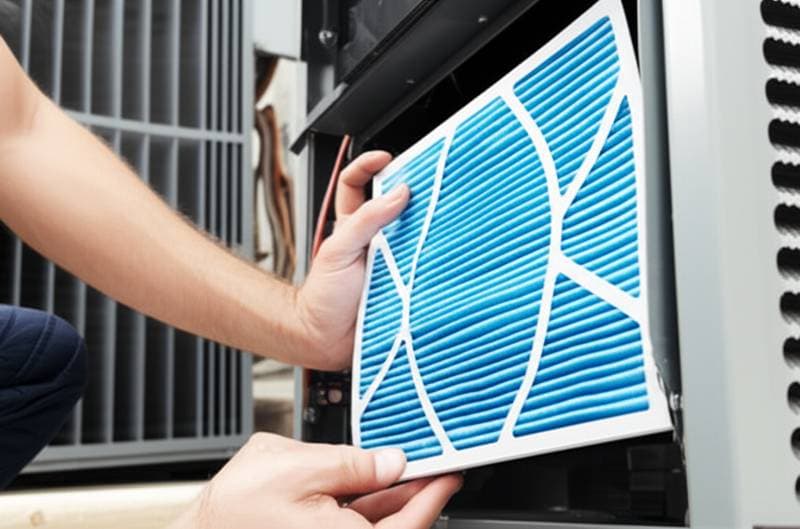
Deactivate the system, extract the worn filter, and position the replacement aligned with airflow indicators.
Instances Necessitating Expert Intervention
Engage a specialist if accessibility proves challenging or if symptoms like irregular airflow, peculiar scents, or operational sounds arise. Certified technicians diagnose underlying concerns and execute comprehensive servicing, including coil and duct purification.
Professional Approaches to Filter Upkeep
Expert evaluations extend beyond mere replacement, encompassing thorough diagnostics. Anticipate these procedures during a service appointment:
-
Comprehensive Examination. Technicians assess for deterioration, refrigerant leaks, or contaminant deposits.
-
Filter Installation. Appropriate sizing and rating ensure compatibility and performance.
-
Operational Verification. Tests confirm airflow adequacy, thermostat precision, and refrigerant equilibrium.
-
Thorough Cleansing. Removal of residues from coils, blowers, and drainage pathways enhances overall efficiency.
-
Tailored Advice. Suggestions address potential enhancements or customized maintenance timelines.
Integration of professional oversight with personal filter diligence guarantees year-round dependability.
Common Queries on HVAC Filter Maintenance
What Frequency Dictates Filter Replacement?
Replacement intervals range from one to three months, influenced by household activity and environmental factors. Residences with pets, allergy sufferers, or high dust exposure benefit from monthly intervals.
Does Filter Contamination Inflict System Damage?
Affirmative. Airflow limitations induce overheating in components such as blower motors and compressors, culminating in breakdowns and repair expenses.
Consequences of Overlooking Replacement?
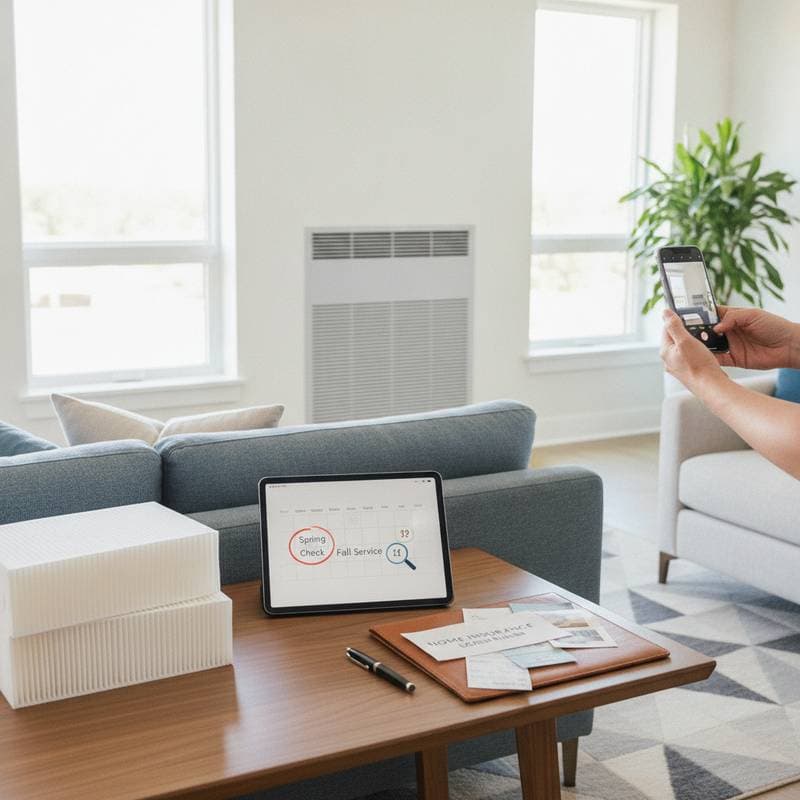
Brief delays impair efficiency and air standards without immediate catastrophe. Prompt renewal upon recollection, coupled with calendar notations, mitigates risks.
Value of High-Efficiency Filters?
These variants excel at finer particle retention, bolstering air quality. Compatibility with system design prevents airflow restrictions; consult professionals for optimal selection.
Feasibility of Cleaning Disposable Filters?
Negative. Such attempts compromise structural integrity and filtration efficacy. Opt for complete replacement.
Sustaining HVAC Readiness Across Seasons
April filter renewal stands as a pivotal strategy for residential well-being. It readies the system for cooling demands, purifies ambient air, and moderates energy use. Complement this with annual professional assessments to foster enduring reliability.
Initiate the practice immediately, irrespective of prior oversights. Schedule recurring checks to embed the routine. This commitment preserves your HVAC investment, elevates living standards, and ensures resilient indoor environments year-round.