Why HVAC Professionals Recommend Changing Filters Every 45 Days
Homeowners often hear from HVAC technicians that filter changes should occur more frequently than in the past. Professionals now suggest replacing air filters every 45 days, moving away from the conventional 90-day interval. This adjustment prompts questions about the underlying reasons and its necessity. The following sections explain the rationale for this updated schedule and its benefits for system protection, indoor air quality, and energy savings.
What Is an HVAC Filter?
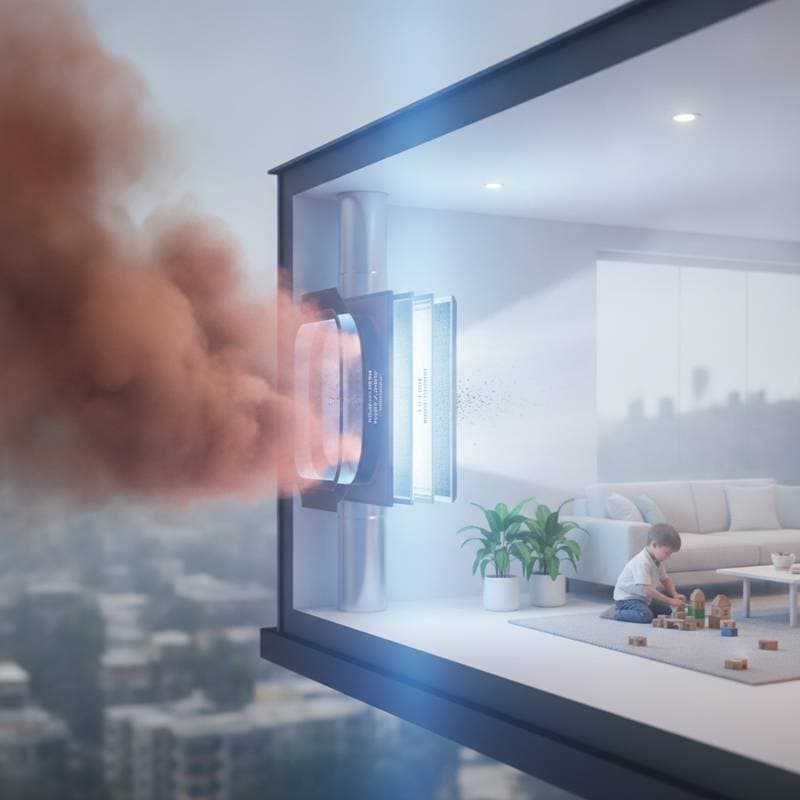
An HVAC filter serves as a vital part of the heating and cooling system. It captures dust, dirt, pollen, pet hair, and other airborne contaminants before they circulate through the unit. This function shields components such as coils and blowers from debris accumulation and enhances the quality of air within the living space.
Filters vary in construction, including fiberglass, pleated paper, and electrostatic types. Each option differs in particle-trapping ability and durability. Although compact, a neglected filter can cause significant issues, such as diminished airflow, elevated energy expenses, and complete system failure.
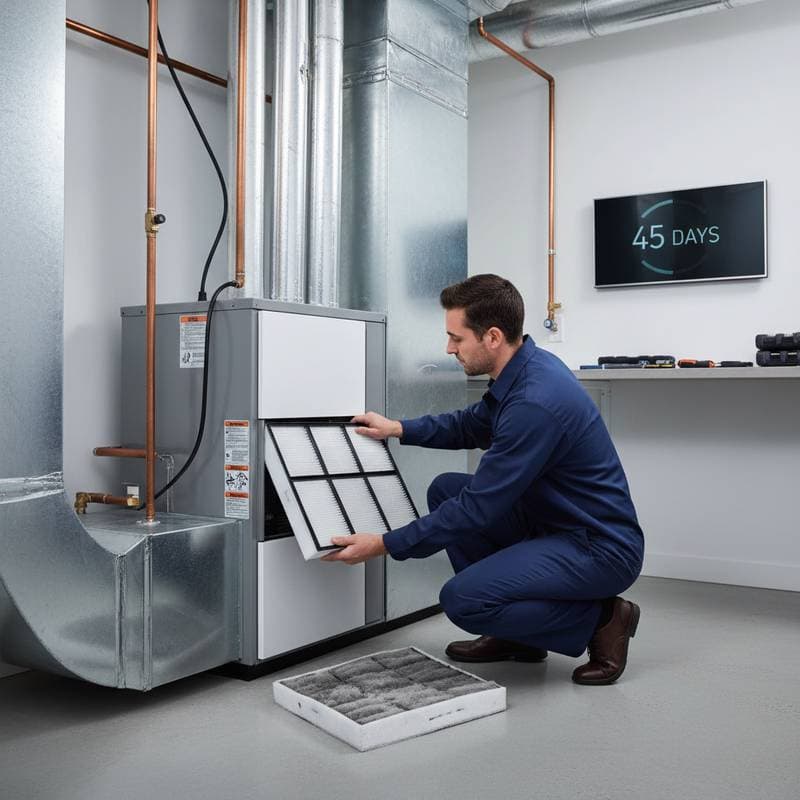
Why the 45-Day Replacement Schedule Has Become Standard
HVAC experts have adopted a 45-day replacement guideline based on evolving home and system dynamics. This change addresses practical realities rather than following a passing fad. The primary drivers include the factors outlined below.
1. Tighter Home Construction
Contemporary homes feature superior insulation and airtight windows to maximize energy conservation. These designs retain conditioned air effectively but also confine dust, odors, and allergens indoors. With reduced fresh air infiltration, the filter bears greater responsibility for air purification. More frequent replacements sustain airflow and avoid rapid clogging.
2. Higher Efficiency Filters
Homeowners increasingly select filters with elevated MERV ratings to snare finer particles. Such filters enhance air cleanliness yet saturate more quickly from increased debris capture. A 45-day cycle guarantees these advanced filters maintain peak performance without impeding air movement.
3. Pets and Lifestyle Factors
Households with pets, regular cooking, or exposure to dust experience accelerated filter loading. Pet dander and hair, along with cooking vapors and smoke, adhere swiftly to the filter media. Technicians observe that a 90-day period proves inadequate in these environments, making 45 days a more appropriate benchmark.
4. More Continuous HVAC Operation
Systems operate longer hours to meet heightened comfort demands and provide consistent climate control throughout the year. Extended runtime draws more air across the filter, accelerating dust accumulation. Regular 45-day changes preserve consistent airflow and optimize energy consumption.
5. Improved Indoor Air Quality Awareness
Greater public focus on allergies, respiratory conditions, and overall air health influences maintenance advice. Experts promote the shorter interval as a preventive measure to foster cleaner indoor environments.
Signs You Need to Replace Your Air Filter
A predetermined schedule provides structure, yet recognizing indicators of filter wear remains valuable. Observe these common signals in your home:
- Reduced airflow from vents or diminished air pressure.
- Increased dust accumulation on furniture soon after dusting.
- Musty or stagnant smells during system operation.
- Rising energy bills despite stable usage patterns.
- Worsened allergy or asthma symptoms among occupants.
Upon detecting any of these, inspect the filter without delay. A soiled filter compels the HVAC unit to labor excessively, resulting in elevated expenses and repair risks.
How a Dirty Filter Affects Your HVAC System
Beyond airflow obstruction, a clogged filter inflicts broader damage over time. Consider these performance impacts:
- Reduced Efficiency: Restricted air passage strains the fan motor, consuming additional power.
- Uneven Heating or Cooling: Limited circulation creates temperature inconsistencies across rooms.
- Shorter Equipment Lifespan: Added stress accelerates component deterioration and premature failures.
- Poor Indoor Air Quality: Overloaded filters permit dust and allergens to redistribute.
- Possible System Freeze: During cooling cycles, inadequate airflow may ice over coils, necessitating expensive fixes.
Adopting 45-day replacements mitigates these problems and promotes reliable operation.
How to Check and Replace an HVAC Filter
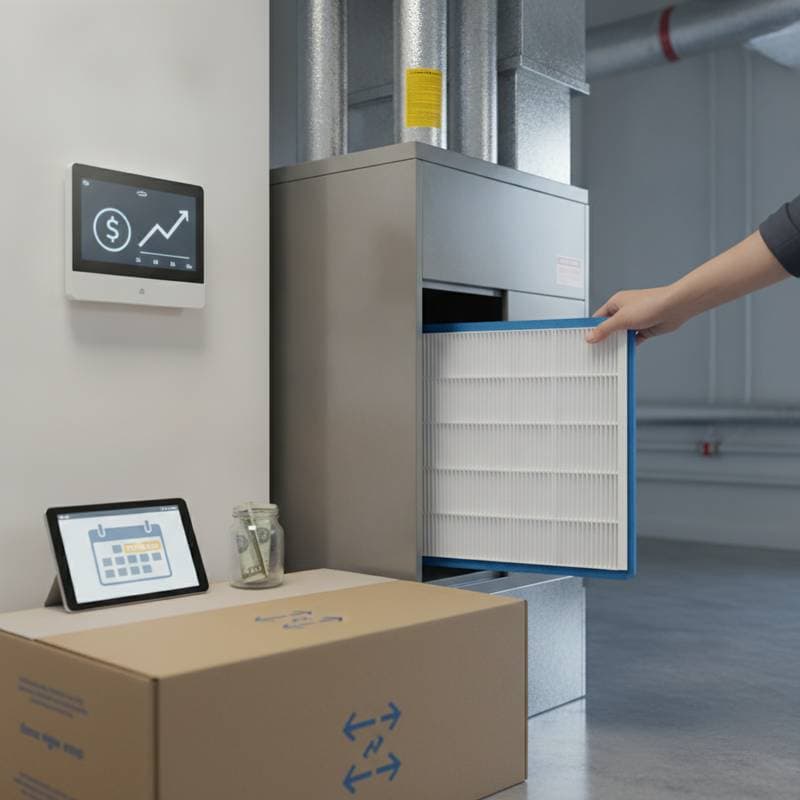
Most residential filters allow for straightforward self-inspection and swapping. Follow this step-by-step process:
- Turn off your HVAC system. Shutting it down avoids drawing dust into the unit mid-process.
- Locate the filter. Access occurs typically via a return air grille or within the furnace or air handler cabinet.
- Remove the old filter. Observe the airflow direction indicated by arrows on the frame.
- Assess the filter’s condition. Gray discoloration, visible dust, or blockage signals immediate need for replacement.
- Insert the new filter. Ensure a secure fit with arrows directing toward the furnace or air handler.
- Turn the system back on.
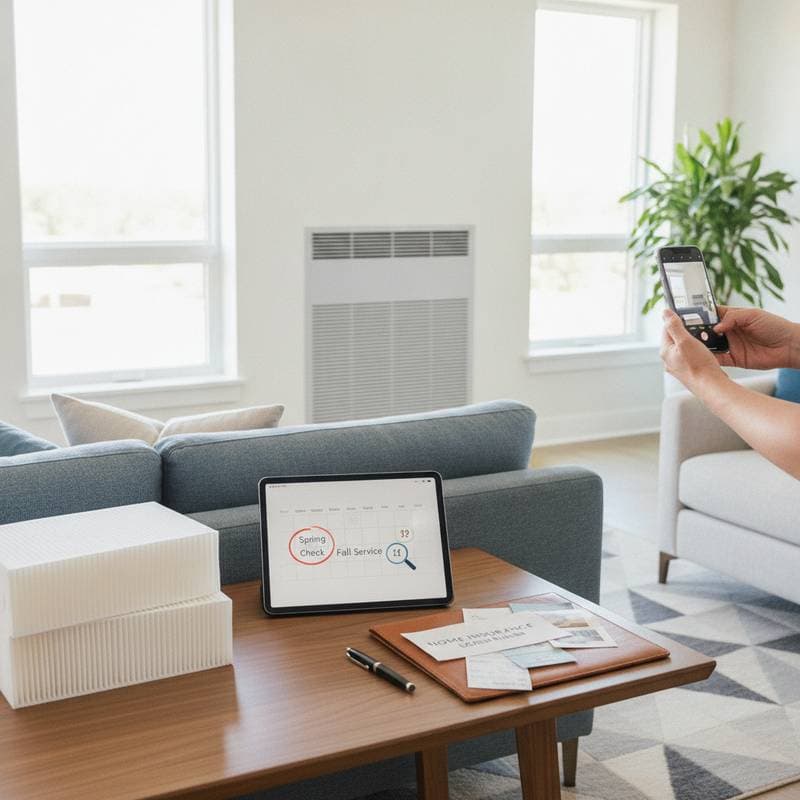
Mark the installation date on the filter frame for tracking purposes. Use calendar alerts or phone reminders to maintain regularity.
DIY Filter Replacement vs. Hiring a Professional
Filter changes rank among the simplest HVAC maintenance tasks for homeowners. The process demands no specialized equipment and yields immediate efficiency gains. Certain situations, however, warrant professional involvement for safety and accuracy.
When You Can Handle It Yourself
- The filter slot offers straightforward access.
- Size and type specifications appear clearly on the unit.
- No evidence of damage, dampness, or mold exists nearby.
When to Call a Professional
- The filter resides in a confined or sealed area.
- Uncertainty persists regarding the appropriate filter specifications.
- Leaks, odd sounds, or internal grime appear present.
- A full system evaluation or cleaning accompanies the task.
Experts can assess air quality and recommend optimal filter selections tailored to your residence.
Key Factors That Affect Filter Lifespan
The 45-day recommendation serves as a baseline, yet individual circumstances vary. Adjustments to the schedule depend on these elements:
- Filter Type: Fiberglass models may endure only 30 days, whereas pleated or electrostatic variants extend to 60 days.
- System Usage: Continuous daily operation shortens filter life.
- Number of Occupants: Larger households generate more airborne particles.
- Pets: A single shedding animal can halve the filter's effective duration.
- Air Quality: Proximity to urban smog, construction sites, or smoke events hastens saturation.
Regular monitoring of these variables enables customized scheduling for superior results.
Frequently Asked Questions
How do I know what filter my HVAC system needs?
Examine the dimensions and specifications on your current filter's frame, then select a matching replacement. Refer to the equipment manual or consult an HVAC specialist to confirm the ideal MERV rating for your setup.
Can I reuse or clean my air filter?
Avoid washing or reusing standard disposable filters, as this compromises their integrity. Select washable models explicitly designed for cleaning, rinse them thoroughly, and allow full drying prior to reinstallation.
What happens if I forget to change my filter?
Prolonged neglect leads to restricted airflow, heightened energy use, and accelerated wear on system parts. Over time, this results in uneven temperatures, poor air quality, and potential breakdowns requiring professional intervention.
Are expensive filters worth it?
Higher-cost filters with superior MERV ratings provide enhanced particle capture and air purification, justifying the investment for allergy sufferers or those prioritizing health. They also protect the HVAC system more effectively, potentially offsetting costs through longevity and efficiency gains.
Should I change my filter more often if I have allergies?
Yes, individuals with allergies benefit from intervals as short as 30 days to minimize allergen recirculation. Pair this with high-MERV filters and consider air purifiers for comprehensive relief.
Steps to Optimize Your HVAC Filter Maintenance
Implement a consistent 45-day replacement routine to unlock the full advantages of proper filtration. Track changes meticulously and adapt based on your home's unique conditions. This proactive strategy not only extends equipment life but also cultivates a healthier living environment with lower operational costs.