
Why 14 Million Homes Switched to HVAC Subscriptions
Homeowners often encounter the frustration of a malfunctioning air conditioner during peak summer heat or a furnace failure in the depths of winter. These disruptions highlight the need for reliable heating and cooling systems. In response, millions have adopted HVAC subscription services, which provide preventive maintenance to ensure consistent performance. This article explores the reasons behind this widespread shift and offers guidance on determining if such a plan suits your needs.
What Is an HVAC Subscription Service?
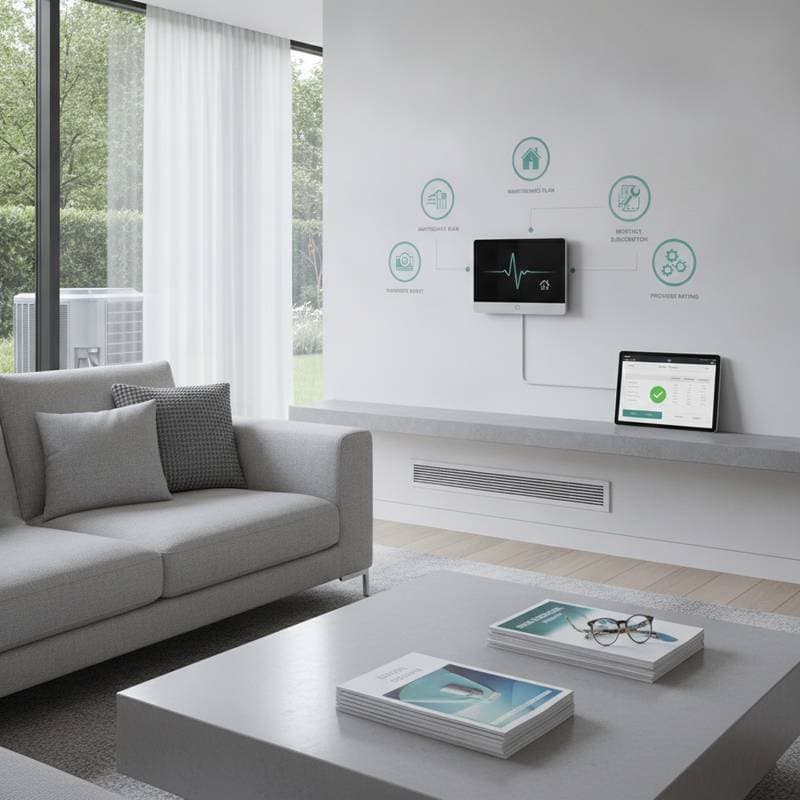
An HVAC subscription service functions as a preventive maintenance agreement with a professional HVAC provider. Participants pay a fixed monthly or annual fee in return for scheduled inspections, tune-ups, repair discounts, and expedited service. This approach emphasizes proactive care over reactive repairs, much like routine medical checkups for vital equipment.
The service prevents minor issues from escalating into major failures, maintaining optimal system efficiency. Homeowners benefit from professional oversight that extends equipment durability and reduces unexpected expenses.
What Is Typically Included in a Subscription
Plans vary by provider, but standard inclusions encompass:
- Two annual maintenance visits, one focused on heating and one on cooling systems
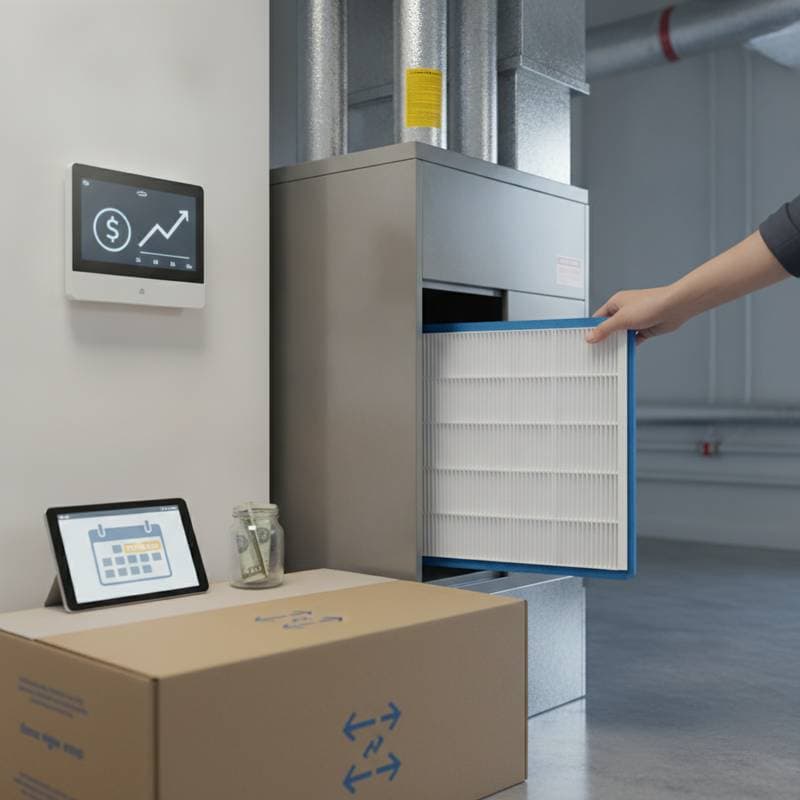
- Replacement or cleaning of air filters to sustain airflow
- Priority access to service during high-demand periods
- Waived or reduced fees for initial diagnostics
- Discounts on parts, repairs, or full system replacements
- Comprehensive inspection reports with tailored recommendations
These elements foster reliability, allowing homeowners to focus on daily life without constant concern for system health.
Why Millions of Homeowners Are Making the Switch
The popularity of HVAC subscriptions stems from a broader recognition of preventive care's value in home management. Homeowners increasingly prioritize long-term reliability over short-term fixes. The following factors drive this transition.
1. Predictable Costs and Simplified Budgeting
HVAC repairs often arrive without warning and carry high price tags. A subscription distributes maintenance expenses across regular payments, enabling precise financial planning. For many, the annual fee proves lower than a single emergency repair, eliminating budget shocks.
2. Extended Equipment Lifespan
Consistent tune-ups remove debris, lubricate components, and calibrate settings, minimizing operational strain. Technicians identify subtle problems, such as refrigerant imbalances or frayed belts, during routine visits. Addressing these promptly prevents premature system replacement, often adding years to equipment life.
3. Enhanced Efficiency and Reduced Utility Bills
Inefficient systems consume excess energy due to blockages or imbalances. Scheduled maintenance cleans coils, replaces filters, and verifies airflow, optimizing performance. Homeowners typically notice lower monthly energy costs as a result of these improvements.
4. Priority Service and Quicker Resolutions
Breakdowns during extreme weather can lead to extended waits for non-subscribers. Plan members receive preferential scheduling, often with same-day responses. This rapid support restores comfort swiftly, reducing inconvenience during critical times.
5. Reduced Breakdowns and Associated Stress
Proactive interventions detect and resolve issues before they disrupt daily routines. Homeowners experience fewer urgent calls to technicians, leading to greater overall tranquility. Reliable operation becomes the norm rather than the exception.
6. Superior Indoor Air Quality
Subscriptions frequently incorporate filter management and duct assessments, which trap contaminants effectively. Cleaner components diminish allergens, dust, and irritants circulating through the home. Individuals with sensitivities benefit from healthier living environments.
The Shift Toward Preventive Maintenance
Modern homeowners treat HVAC systems as enduring assets requiring ongoing investment. Subscriptions safeguard these investments by fulfilling manufacturer service requirements, which preserve warranty protections. Documented maintenance records provide essential proof of compliance.
Advancements in technology further support this model. Providers utilize digital tracking for service history, automated appointment reminders, and online portals for easy management. Homeowners receive proactive notifications, streamlining the entire process.
Types of HVAC Subscription Plans
Providers offer tiered options to match diverse household requirements. Selecting the appropriate level involves assessing home size, system complexity, and personal priorities.
Basic Plans
Entry-level options deliver core essentials, including biannual inspections and modest repair discounts. These suit smaller homes or simpler setups where fundamental upkeep suffices.
Standard Plans
Mid-tier plans build on basics with priority access, eliminated diagnostic charges, and substantial repair savings. This balance appeals to most families seeking comprehensive yet affordable protection.
Premium or Comprehensive Plans
Top-tier offerings encompass all prior benefits alongside advanced features like air quality evaluations and included filter supplies. Larger properties or high-performance units benefit most from this extensive coverage.
HVAC Subscription Service vs. Paying Per Visit
Comparing subscription models to on-demand services reveals distinct advantages in cost and convenience.
Paying Per Visit
Occasional tune-ups may appear economical initially, yet irregular scheduling risks oversight. Neglected maintenance elevates energy use, invites breakdowns, and potentially invalidates warranties. Peak-season emergencies amplify expenses significantly.
Subscribing to a Plan
Automated scheduling ensures timely care without personal effort. Additional perks, such as discounts and swift service, compound savings over time. The fixed fee establishes a stable, forward-thinking strategy for system longevity.
Key Factors That Affect Subscription Costs
Pricing reflects individual circumstances and provider policies. Understanding these elements aids in selecting a cost-effective plan.
-
System Size and Type
Homes with expansive layouts or multiple units demand extended service durations. -
Level of Coverage
Enhanced features, including specialized testing or supplies, increase fees beyond basic inspections. -
Frequency of Visits
Quarterly checks, rather than biannual ones, elevate costs while promoting superior upkeep. -
Equipment Age and Condition
Aging systems necessitate more intensive evaluations, influencing premium adjustments. -
Local Labor and Material Costs
Regional variations in rates and provider expertise shape overall pricing. Request itemized breakdowns for transparency.
How the Subscription Process Works
Enrollment follows a structured sequence to integrate seamlessly into home routines.
-
Assessment and Enrollment
A specialist evaluates your system, outlines plan options, and recommends a suitable match based on needs and finances. -
Initial Maintenance Visit
This comprehensive check includes cleaning, testing, and issue resolution, establishing a baseline for future care. -
Scheduled Tune-Ups
Biannual appointments occur automatically, with flexible rescheduling and advance notifications provided. -
Ongoing Benefits
Access to discounts and priority support persists throughout the agreement term. -
Annual Renewal
Plans renew yearly, allowing modifications to align with evolving system conditions or household changes.
Frequently Asked Questions
How much does an HVAC subscription cost?
Annual fees generally range from $150 to $600, influenced by plan scope, system specifications, and geographic location. Obtain a personalized estimate from providers for accuracy.
Are HVAC subscriptions really worth it?
For the majority of homeowners, the benefits justify the investment. Savings on repairs, energy efficiency gains, and extended system life provide tangible returns, alongside reduced daily concerns.
Can I cancel my HVAC subscription anytime?
Cancellation terms differ by provider; many permit exits with advance notice and prorated refunds for unused services. Examine contract details prior to commitment.
What happens if my system breaks while I am on a plan?
Members gain expedited appointments and repair discounts. Certain plans waive service call fees for qualifying problems, per the outlined terms.
Do subscription plans cover parts and labor for repairs?
Maintenance-focused plans handle inspections and tune-ups primarily. Advanced tiers may offset repair expenses partially or fully; clarify inclusions with the provider.
Steps to Secure Reliable Home Comfort
Evaluate your current HVAC performance and budget to identify subscription potential. Contact reputable providers for assessments and quotes tailored to your setup. Implement a plan to transition from reactive fixes to sustained efficiency, ensuring comfort endures through every season.