Avoid $800 Summer Repairs with 7 Spring HVAC Maintenance Steps
Summer air conditioner breakdowns often result in repair bills ranging from $300 to $800, with complete system failures costing thousands more. Spring maintenance serves as the primary safeguard against these expenses. The seven steps outlined below maintain HVAC efficiency, extend equipment lifespan, and ensure reliable cooling without unexpected costs.
| Step | Estimated Cost | Potential Savings |
|---|---|---|
| Replace Air Filters | $10 - $30 | Up to $100 in energy savings |
| Clean Outdoor Unit | Free (DIY) | Prevents $500+ compressor damage |
| Inspect Thermostat | Free | Lowers cooling costs by 10% |
| Check Ductwork | $150 - $400 | Prevents up to 30% air loss |
| Clear Condensate Drain | Free (DIY) | Avoids $250+ water damage |
| Schedule Professional Tune-Up | $75 - $200 | Prevents $800+ breakdowns |
| Test System Operation | Free | Confirms system readiness |
These measures require minimal time and expense yet provide substantial protection. The following sections detail each step, including execution methods and benefits.
1. Replace Air Filters
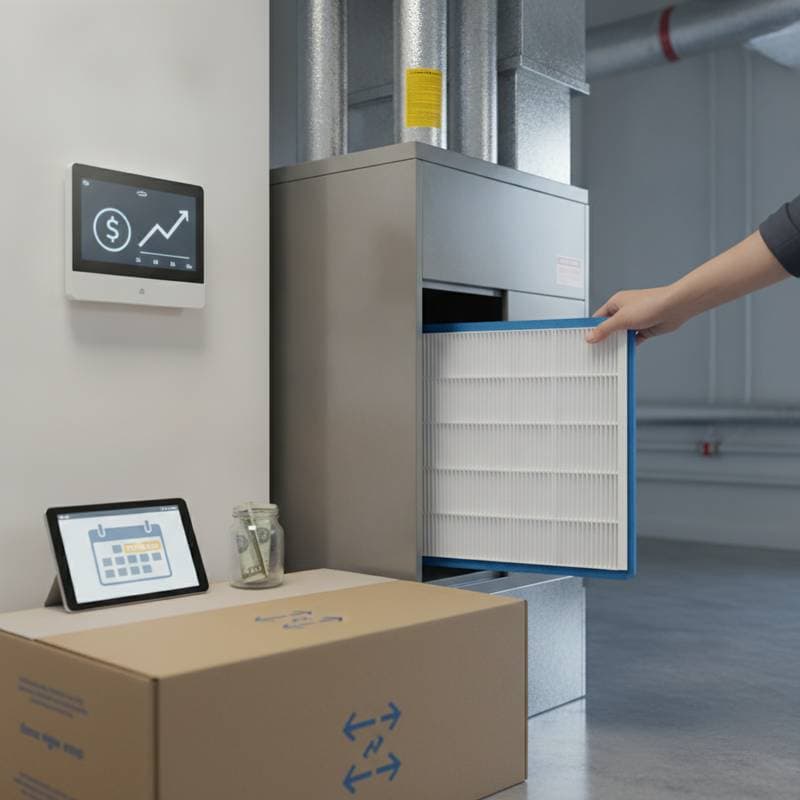
Clogged air filters impede airflow, compelling the HVAC system to operate under increased strain. This condition elevates energy consumption and accelerates wear on components such as the blower motor and compressor. In severe cases, restricted airflow causes the evaporator coil to freeze, resulting in repair costs of $300 to $600.
Pro Tip: For disposable filters, perform replacement every one to three months. Clean washable filters on a monthly basis. A fresh filter enhances airflow, reduces utility expenses, and supports steady indoor comfort levels.
2. Clean the Outdoor Condenser Unit
Throughout winter, the outdoor condenser accumulates leaves, dirt, and other debris. Blockages hinder effective heat dissipation, leading to overheating and potential compressor failure. Replacing a compressor exceeds $1,000 in cost, making this maintenance task essential.
How to Clean It:
- Disconnect power to the unit at the breaker.
- Clear leaves and debris from the base area.
- Rinse the fins gently using a garden hose on low pressure.
- Trim surrounding plants and shrubs to maintain at least two feet of clearance.
Regular cleaning optimizes heat transfer and promotes consistent summer performance.
3. Inspect and Test the Thermostat
The thermostat regulates HVAC operations. Inaccurate calibration or depleted batteries prompt short cycling or inefficient runtime, which raise energy costs and hasten component degradation.
What to Do:
- Replace batteries in non-wired models.
- Verify the thermostat display against an independent thermometer.
- Set programmed schedules to optimize temperature during unoccupied periods.
Upgrading to a smart thermostat yields up to 10 percent savings on cooling expenses through automated adjustments.
4. Check and Seal Ductwork
Leaks in ductwork permit cooled air to escape into unconditioned areas like attics or crawl spaces. The U.S. Department of Energy indicates that leaks can waste up to 30 percent of conditioned air, increasing bills and causing inconsistent temperatures.
DIY Check:
- Run hands along accessible ducts to detect escaping air.
- Examine for gaps or loose joints.
- Apply mastic sealant or UL-rated foil tape to minor leaks.
For extensive issues, arrange a professional inspection, which costs $150 to $400 but recovers value through reduced energy loss and system stress.
5. Clear the Condensate Drain Line
Air conditioners extract humidity from indoor air, which exits via the condensate line. Clogs in this line cause water backups, leading to leaks, structural damage, or mold proliferation. Annual clearing prevents these complications and associated cleanup expenses.
How to Clear It:
- Identify the drain line adjacent to the indoor unit.
- Attach a wet-dry vacuum to suction out obstructions.
- Flush the line with one cup of white vinegar to eliminate algae and bacteria.
This procedure, completed once per spring, preserves dryness and system integrity.
6. Schedule a Professional HVAC Tune-Up
Subtle problems may remain undetected until peak heat arrives. Trained technicians detect issues like worn parts, insufficient refrigerant, or faulty wiring during a tune-up, averting major failures.
What a Tune-Up Includes:
- Evaluation of refrigerant levels and pressures
- Examination of electrical connections
- Cleaning of coils and blower elements
- Verification of safety controls and thermostat function
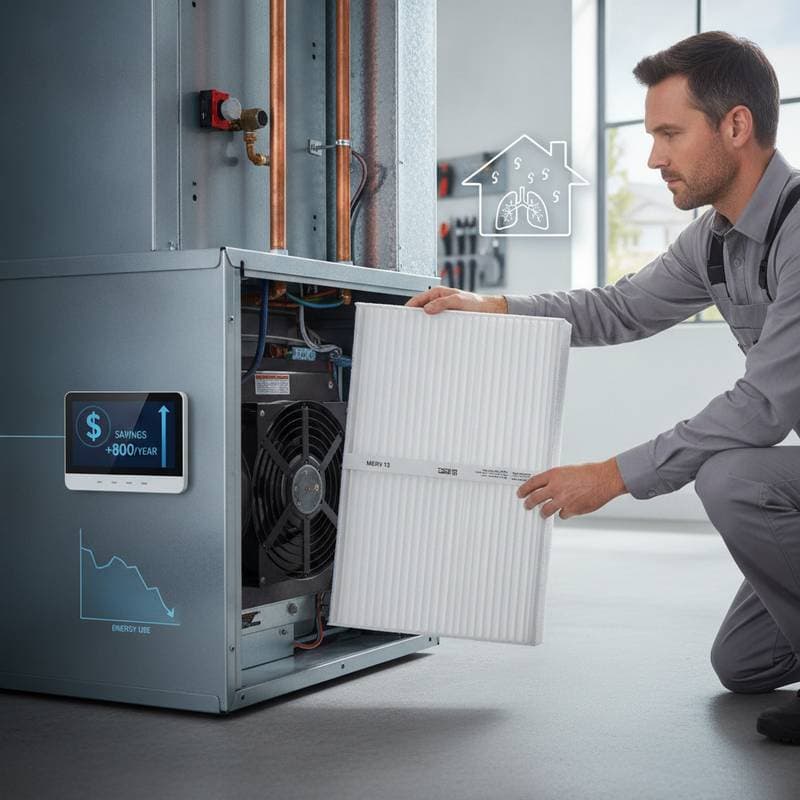
Tune-ups range from $75 to $200, far less than the $800-plus for emergency interventions. Annual professional service upholds warranty conditions and maximizes operational efficiency.
7. Test the Full System Before the First Heatwave
After addressing prior steps, conduct a comprehensive system test. Set the thermostat to cooling mode and allow operation for a minimum of fifteen minutes. Monitor for irregularities in performance.
Check for:
- Warm air from supply vents
- Unusual sounds or vibrations
- Erratic cycling or extended run times
- Odd smells emanating from vents
This evaluation identifies concerns early, facilitating timely repairs before service demands peak.
Factors Influencing HVAC Repair Costs
Repair expenses vary based on several elements, underscoring the importance of proactive care. Common summer failures stem from preventable conditions.
System Age and Maintenance History
Equipment over ten years old or lacking consistent upkeep faces higher failure risks. Routine servicing prolongs the functionality of aging components.
System Size and Efficiency
Advanced, high-efficiency units incorporate specialized parts that command premium repair prices. Maintenance minimizes wear, thereby extending service life.
Labor and Service Availability
Summer peaks elevate technician demand and hourly rates. Spring interventions secure prompt attention at standard pricing.
Benefits of Spring HVAC Preparation
Initiating maintenance in spring equips the system for seasonal demands. These actions not only avert repairs but also enhance energy efficiency and indoor air quality. Homeowners who invest time now experience fewer disruptions and lower long-term costs.
Frequently Asked Questions About Spring HVAC Maintenance
How often should professional HVAC maintenance occur?
Systems perform best with twice-yearly service: once prior to cooling season and once before heating. This schedule sustains efficiency across seasons.
Is it safe to clean the outdoor unit independently?
Individuals may remove debris and hose the coils at low pressure. High-pressure washing risks fin damage; consult professionals for thorough cleanings.
What risks arise from neglecting spring maintenance?
Overlooked issues like soiled coils, blocked filters, or refrigerant shortages degrade performance, inflate bills, and precipitate summer failures.
Does a professional tune-up justify its expense?
Affirmative. At under $200, it contrasts sharply with $800-plus repair bills by resolving minor faults preemptively.
How to detect declining system efficiency?
Signs include rising utility statements, prolonged cooling periods, and temperature inconsistencies. These indicate needs in filters, coils, or ducts.
Should the outdoor unit receive winter covering?
Breathable covers deter debris accumulation. Avoid airtight options that retain moisture; remove covers prior to spring activation.
Implement These Steps for Summer Reliability
Spring offers an ideal window to fortify HVAC performance against rising temperatures. Complete filter replacements, unit cleanings, thermostat checks, and a professional tune-up promptly. These efforts ensure comfort, efficiency, and financial savings throughout the season.