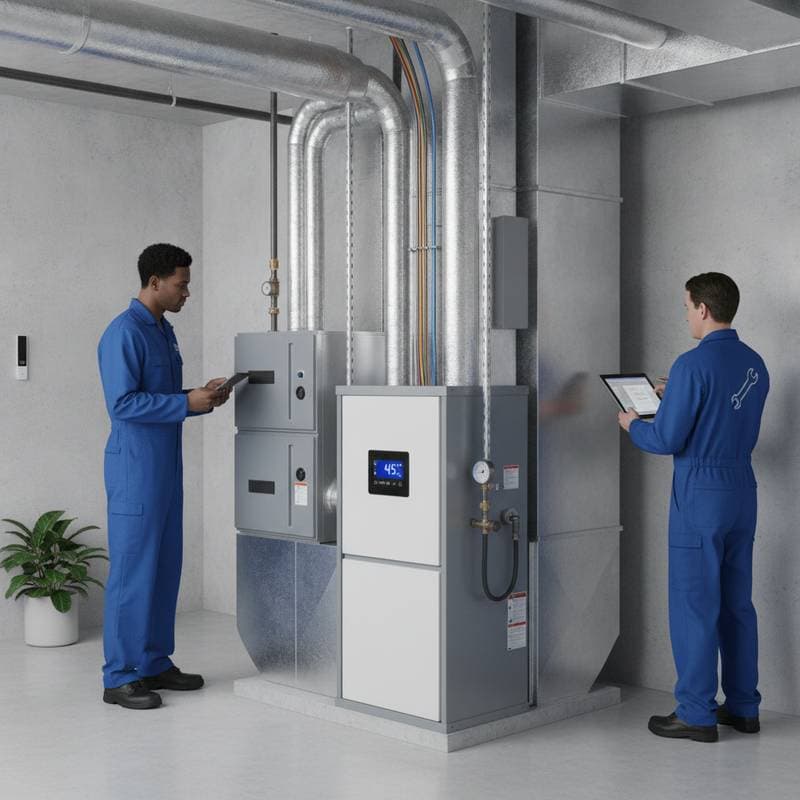
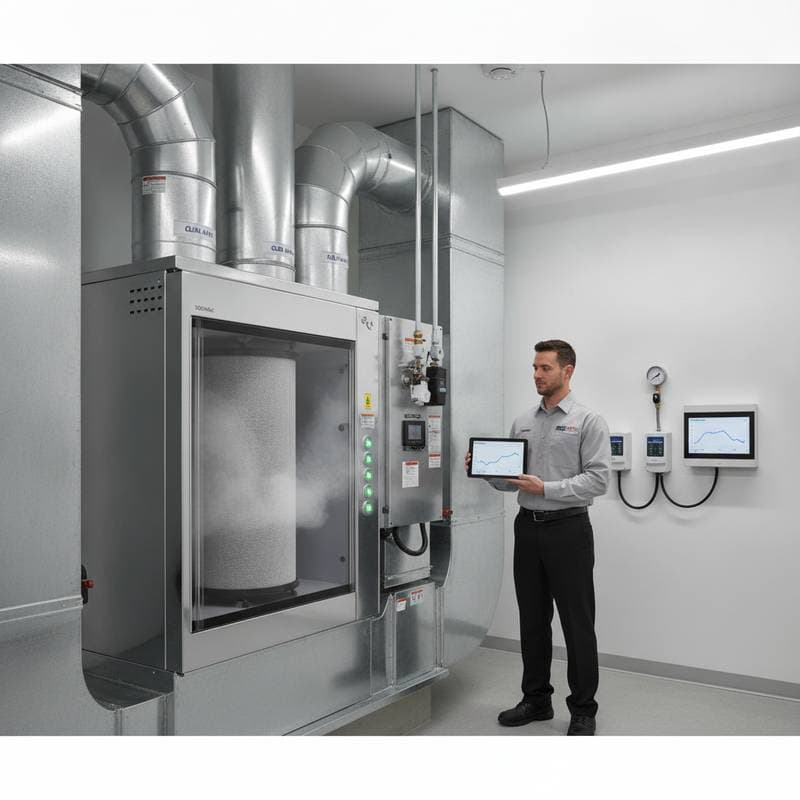
Whole-home humidity control added to an HVAC system maintains ideal moisture levels, reduces allergens and mold, improves comfort, and extends equipment life while lowering long-term energy costs.
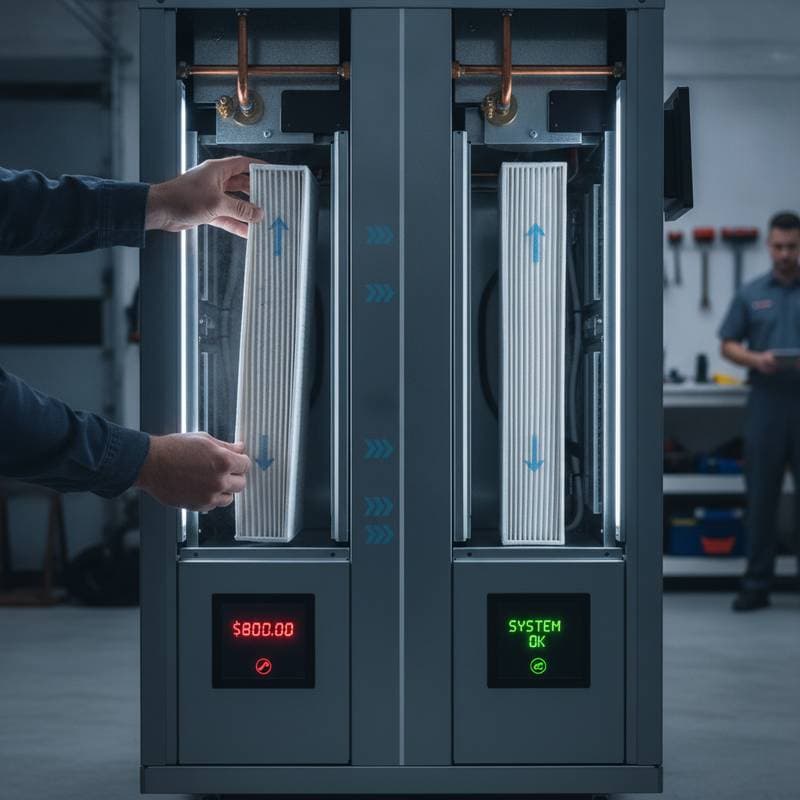
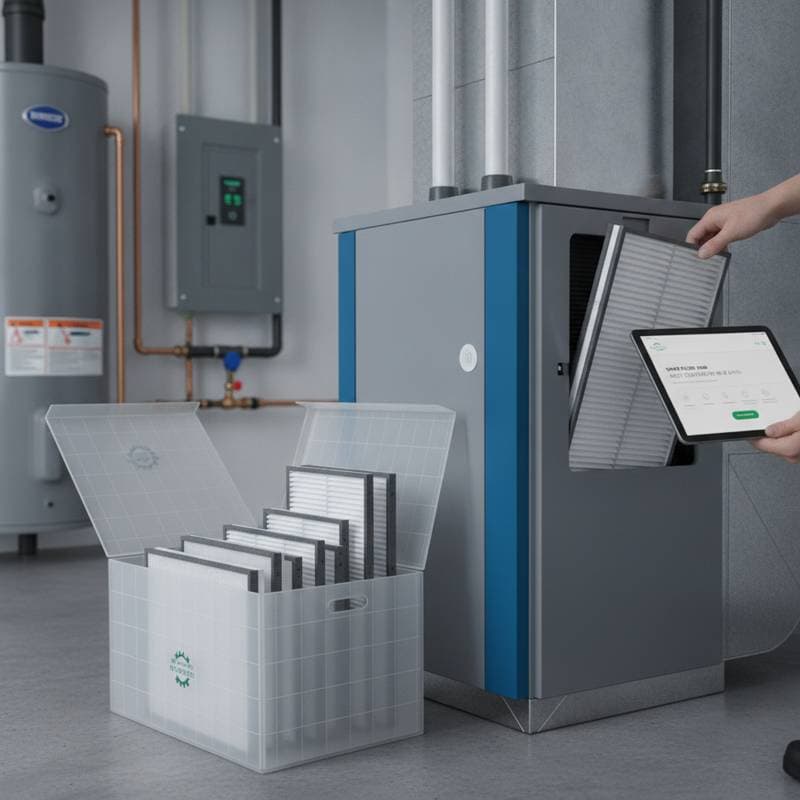
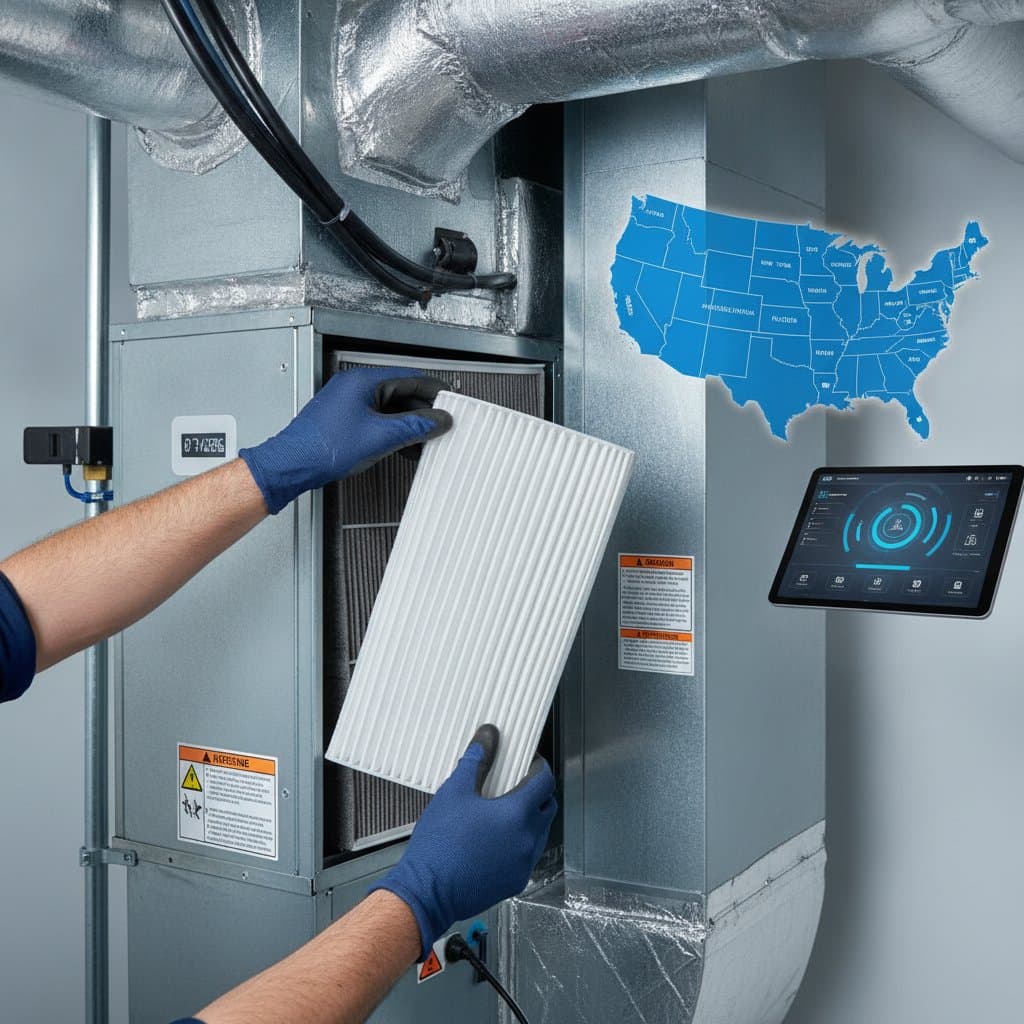
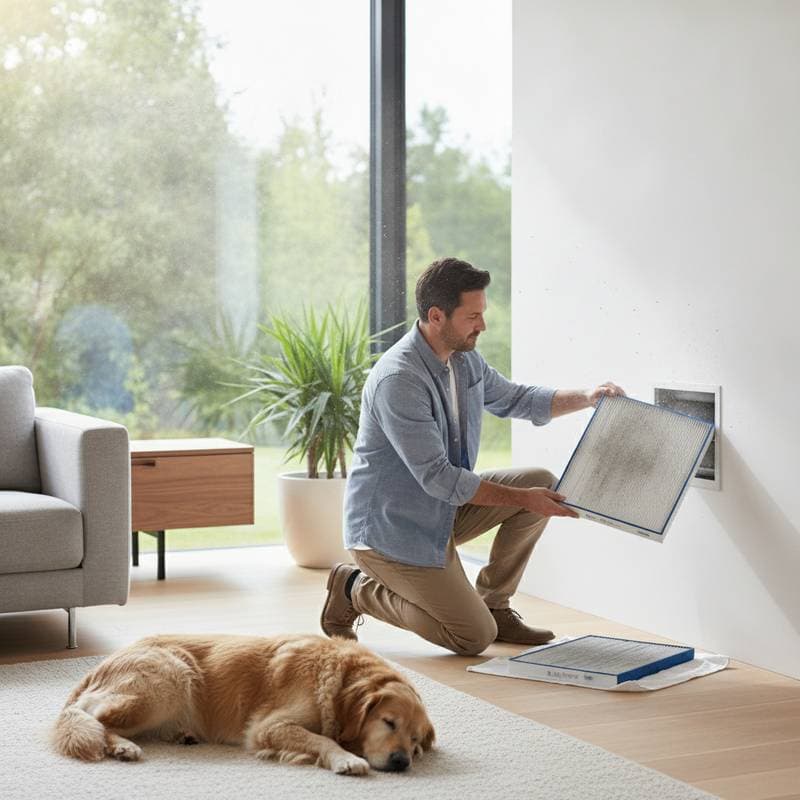
Think changing your HVAC filter is foolproof? Small DIY mistakes such as the wrong size, backward installation, or skipped replacements can quietly strain your system and rack up $800 in repairs. Learn how to avoid airflow issues, wasted energy, and costly breakdowns with expert guidance on proper filter care and maintenance.
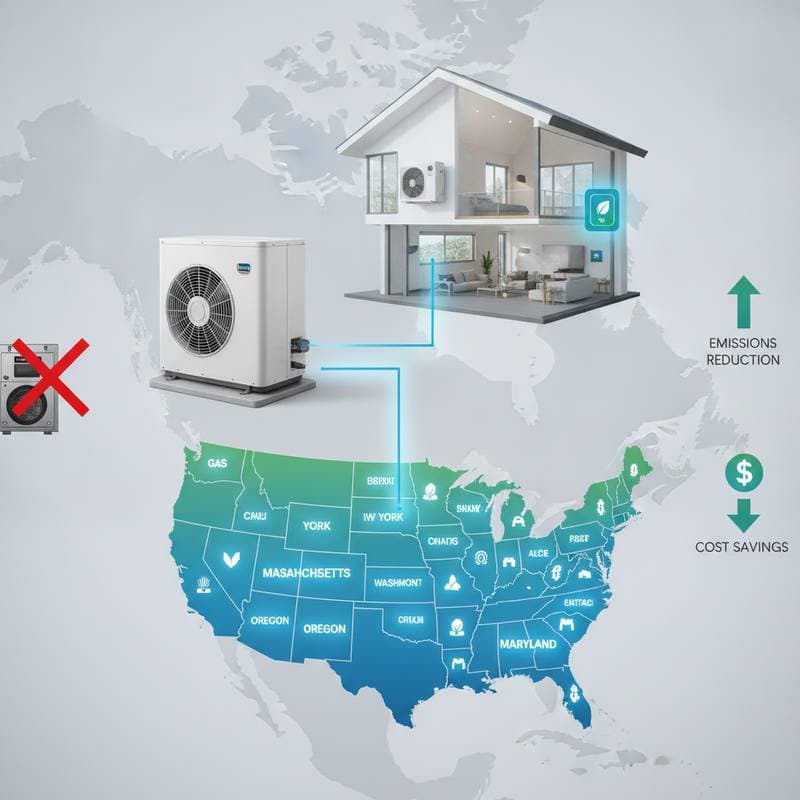
Eight states are preparing HVAC electrification mandates by 2026 that require electric heating and cooling in new homes and renovations. This shift supports emission reductions and efficiency gains. Homeowners can review affected states, available incentives, and practical preparation steps.
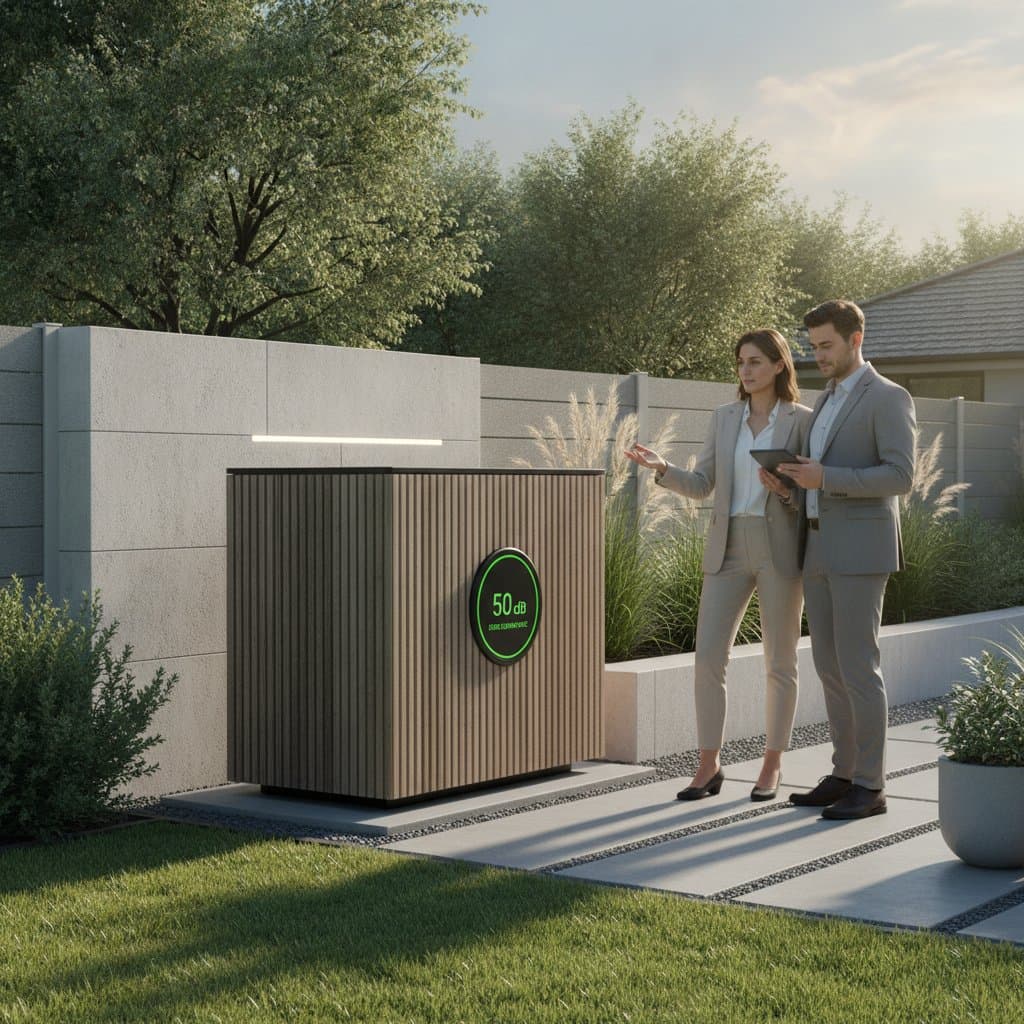
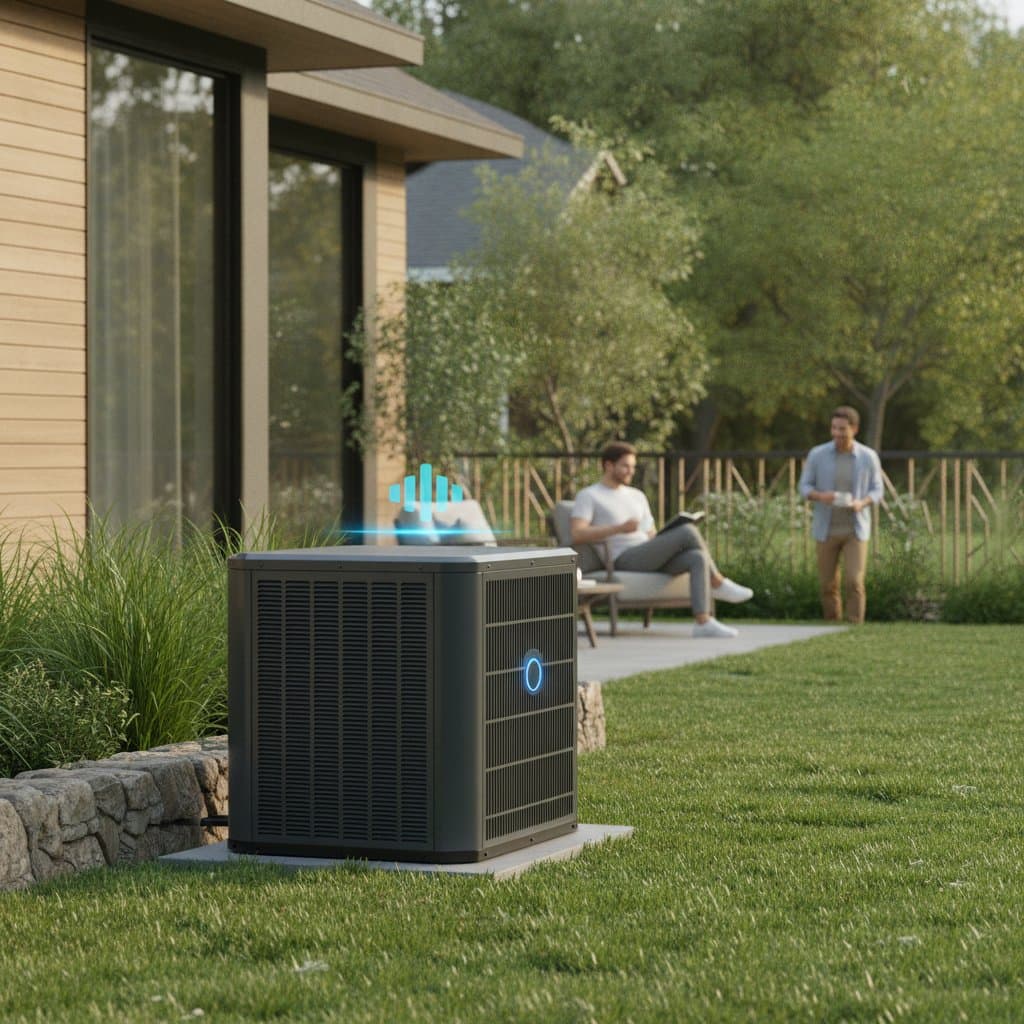
New 2026 decibel limits require quieter heat pumps. Discover noise sources, measurement methods, reduction techniques, and equipment choices that support compliance and comfort.
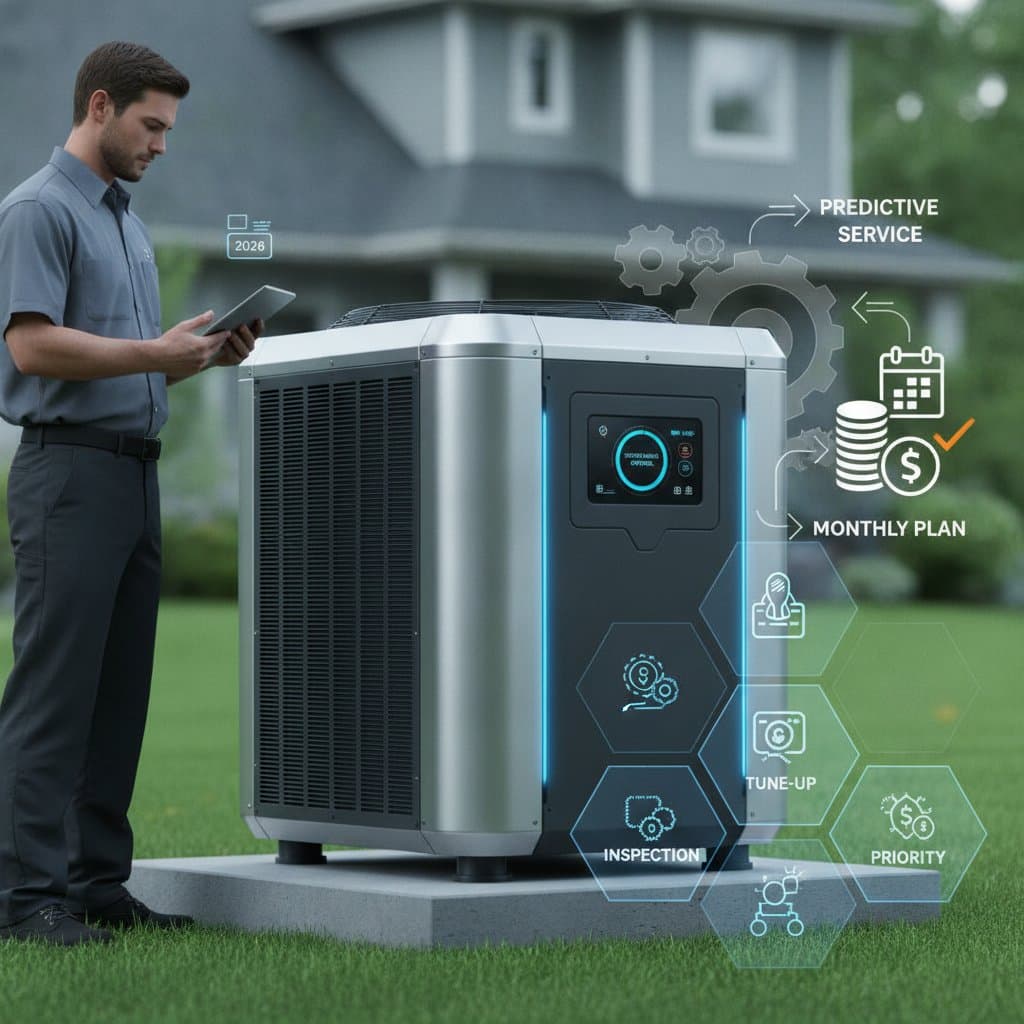
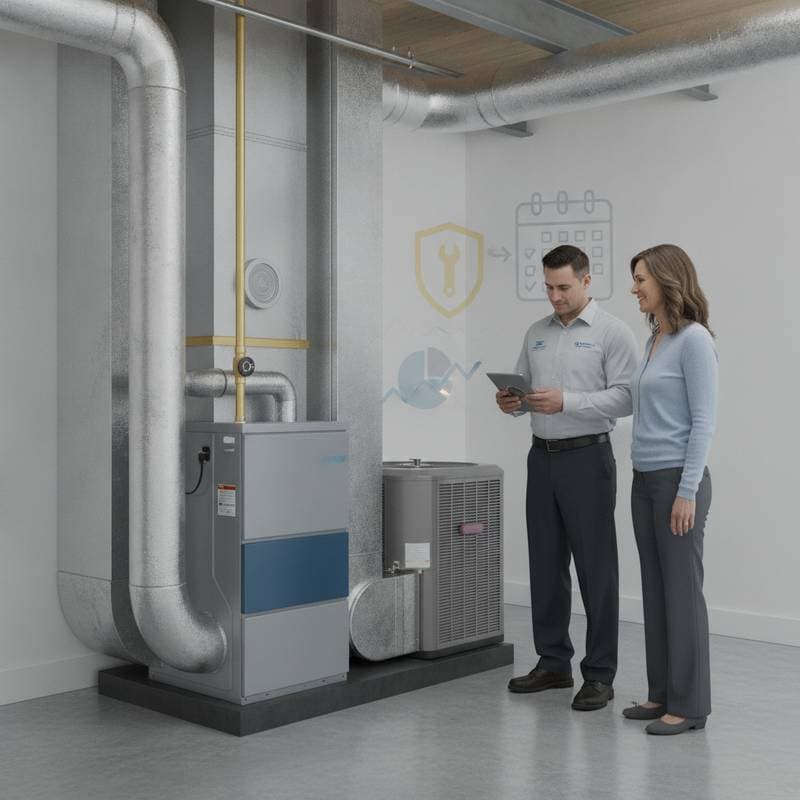
Monthly HVAC maintenance plans provide scheduled inspections, priority service, and discounted repairs for a fixed monthly fee. These subscriptions improve efficiency, extend system lifespan, and reduce emergency expenses through proactive care.
Eight states now restrict new gas boiler installations. This guide compares air source, geothermal, and ductless heat pump systems by cost, efficiency, and suitability so homeowners can plan an effective transition.
Modern HVAC purifiers with true HEPA filters remove 99.97 percent of wildfire smoke particles. This guide covers system types, costs, installation steps, and maintenance for homes in smoke prone areas.
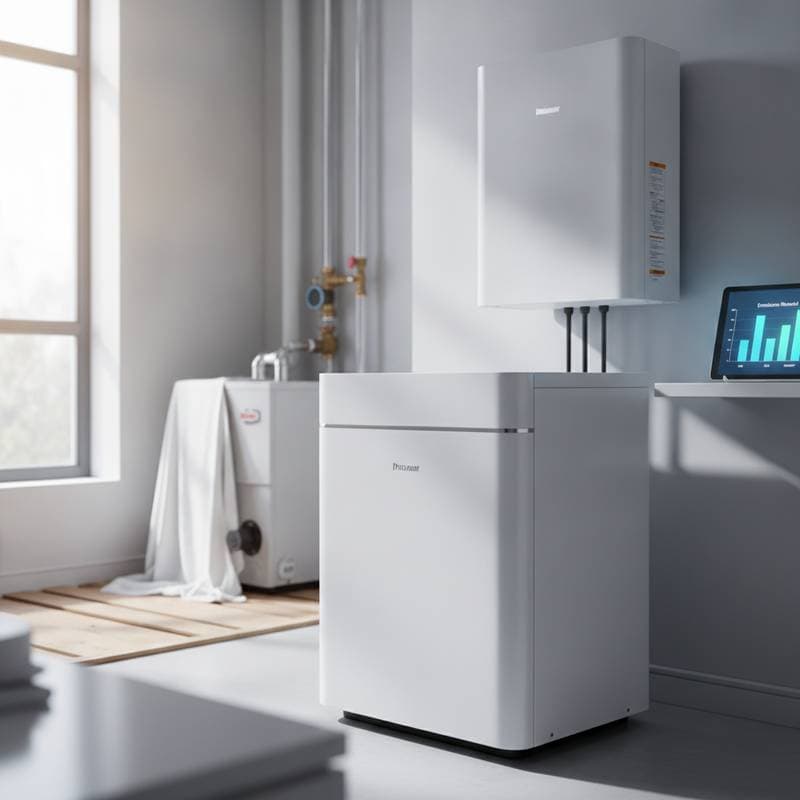
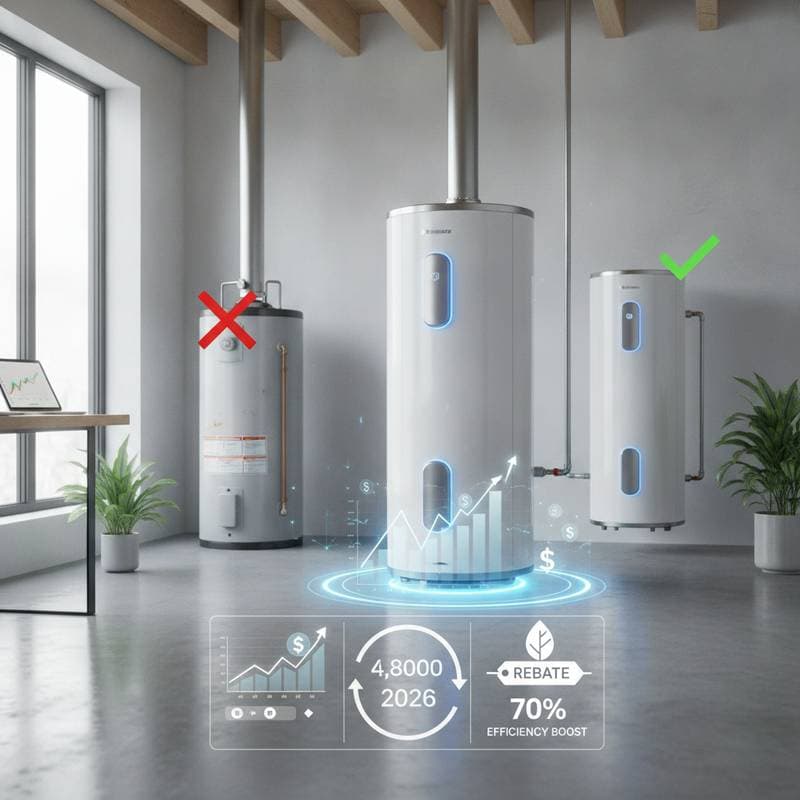
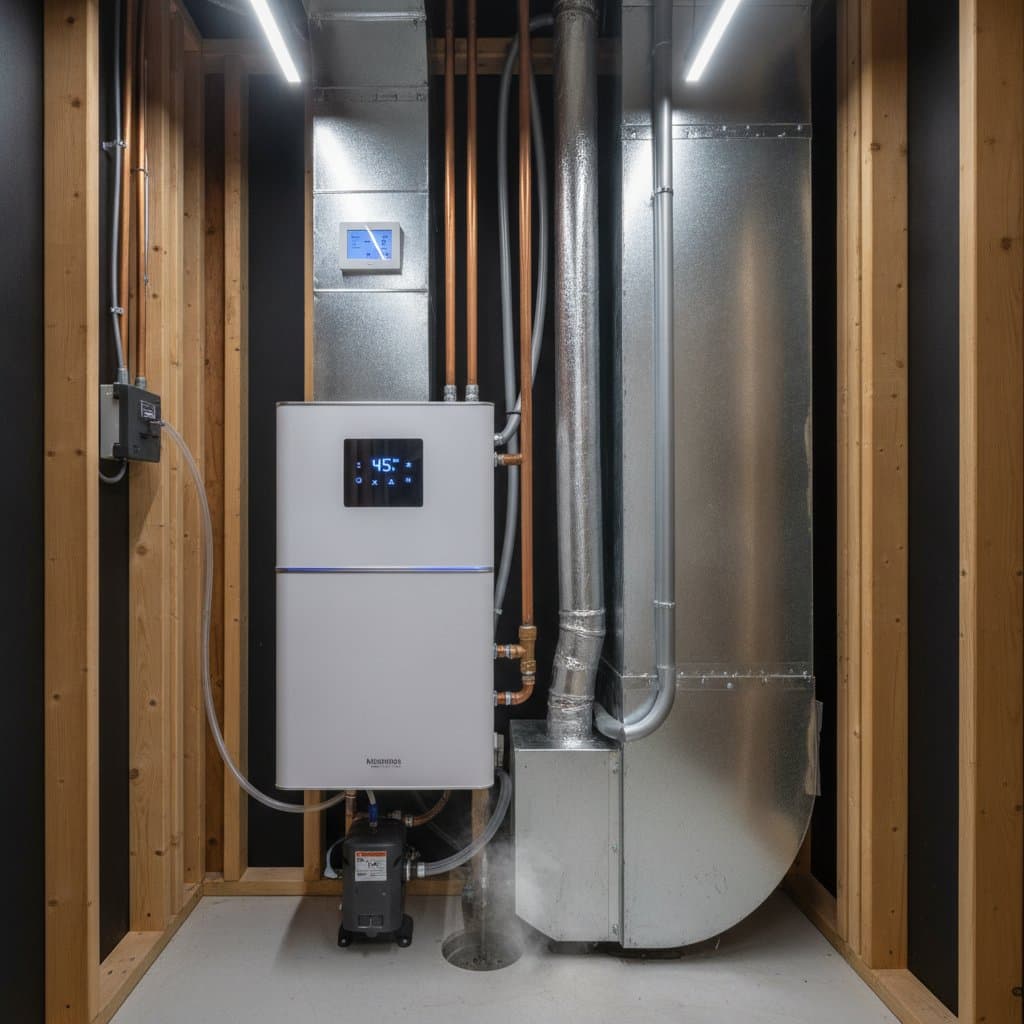
Rebates up to $4,800 reduce heat pump water heater costs while cutting energy use by 60 to 70 percent. This guide covers pricing factors, system types, installation steps, and qualification requirements for homeowners planning a 2026 upgrade.
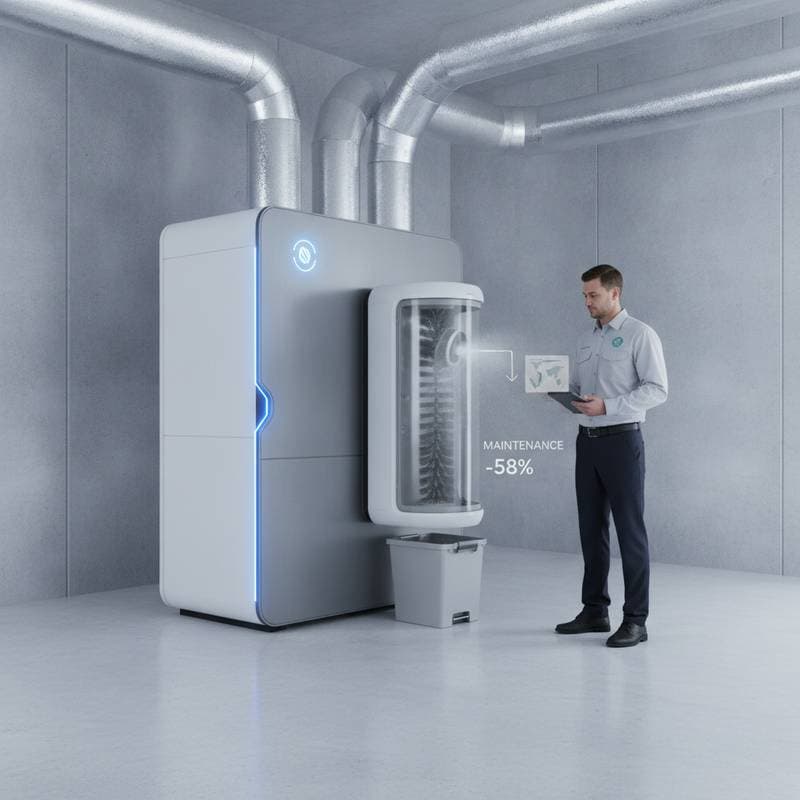
Self-cleaning HVAC filters automate dust removal to reduce maintenance by up to 58 percent. They improve air quality, maintain consistent airflow, and lower long-term costs despite higher initial prices.
The 2026 HVAC codes redefine home comfort by making humidity control a central performance standard. Updated equipment requirements, smart sensors, and tighter building integration enhance air quality, efficiency, and structural protection.
DIY HVAC filter subscriptions deliver replacements automatically, saving homeowners an average of $340 each year on repairs while supporting cleaner air and longer equipment life.
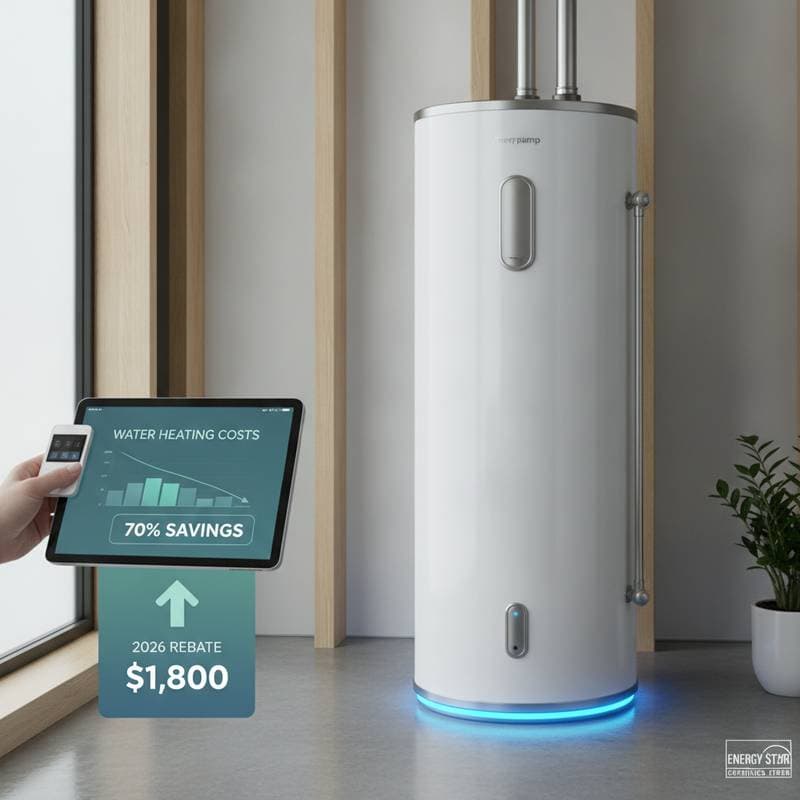
Upgrade to an ENERGY STAR heat pump water heater in 2026 and claim up to $1,800 back while cutting water heating costs by as much as 70%. Learn eligibility details, installation tips, and how to maximize savings on efficient models that lower utility bills and boost long-term home energy performance.
HVAC subscriptions replace reactive repairs with scheduled care. Homeowners gain predictable expenses, priority service, and longer system life through proactive maintenance.
Eight states now require homeowners to replace HVAC filters twice a year. The rules support energy efficiency, air quality, and longer equipment life. Find out which states are affected and how to meet the standards.
Upgrading to MERV 13 air filters can cut airborne allergens by up to 85%, capturing pollen, pet dander, and mold spores most filters miss. Affordable and easy to install, they boost indoor air quality, protect your HVAC system, and create a cleaner, healthier home environment year-round.
Excess indoor moisture raises energy use, damages building components, and encourages mold. Effective humidity management can reduce cooling expenses by as much as 18 percent while improving comfort and air quality. Learn about system choices, typical costs, and practical upkeep practices.
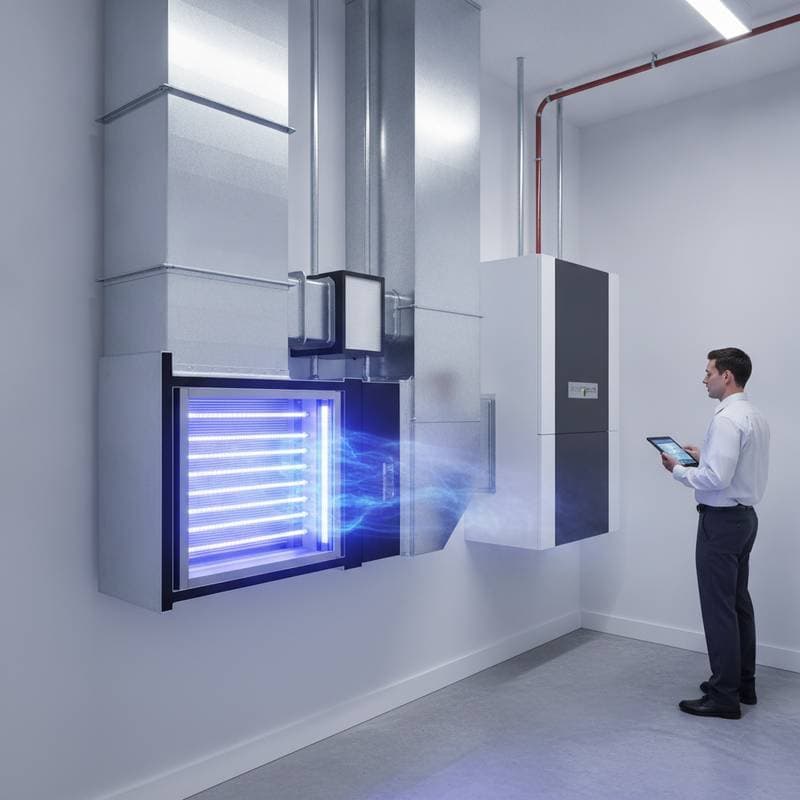
Starting in 2026, UV-C air cleaning will become the new HVAC standard, bringing hospital-grade disinfection to homes. This technology eliminates up to 99% of airborne pathogens, improves efficiency, and enhances comfort. Learn how UV-C works, what it costs, and why early adoption ensures cleaner, healthier indoor air for years ahead.
The 2026 heat pump rules introduce stricter noise limits to curb rising neighborhood complaints while preserving energy efficiency. Manufacturers must meet new decibel standards, improve designs, and label sound ratings. Homeowners can prepare through proper placement, maintenance, and professional installation to ensure compliance, comfort, and quieter, more efficient living environments.
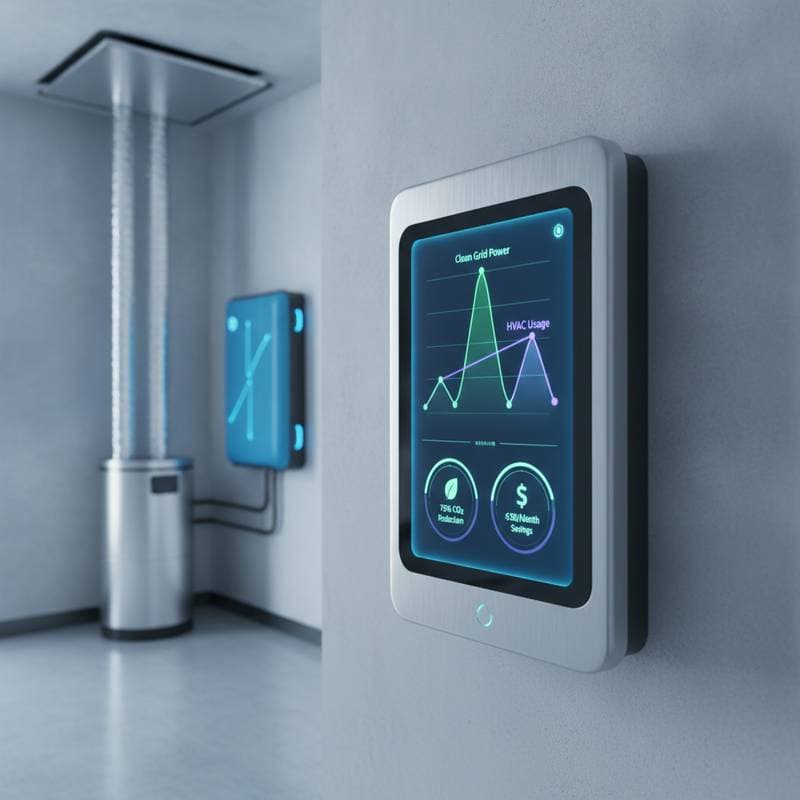
Smart HVAC scheduling aligns heating and cooling with periods when the electrical grid supplies cleaner power. Homeowners lower emissions and expenses while preserving indoor comfort through connected thermostats and grid signals.
HVAC subscription plans deliver predictable monthly costs, routine maintenance, and repair discounts that extend system life and prevent costly breakdowns. Options range from basic tune-ups to full coverage. These memberships often pay for themselves, especially for older systems or high-use homes focused on comfort and long-term savings.