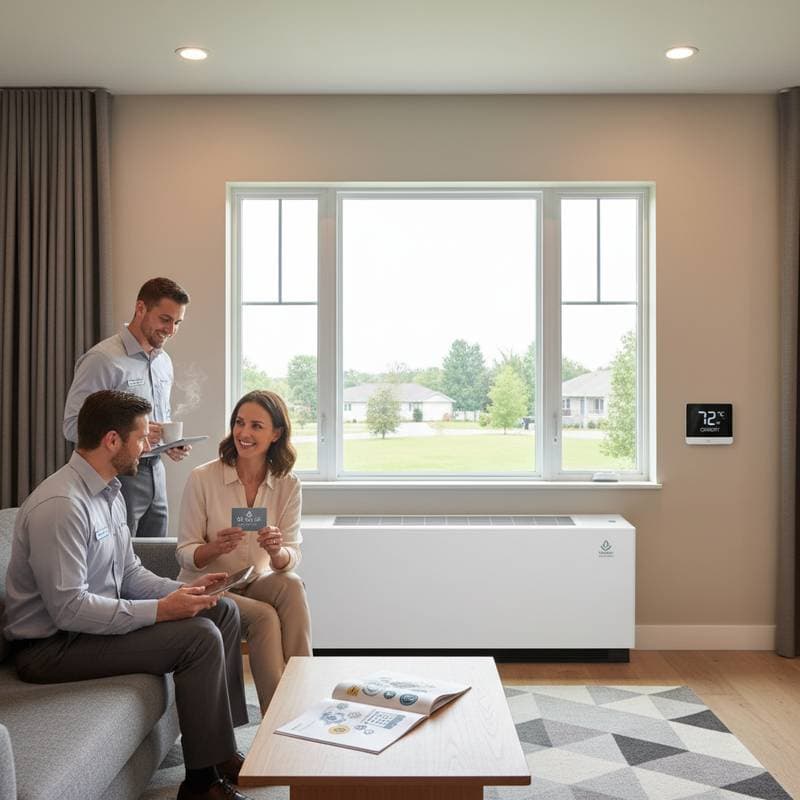
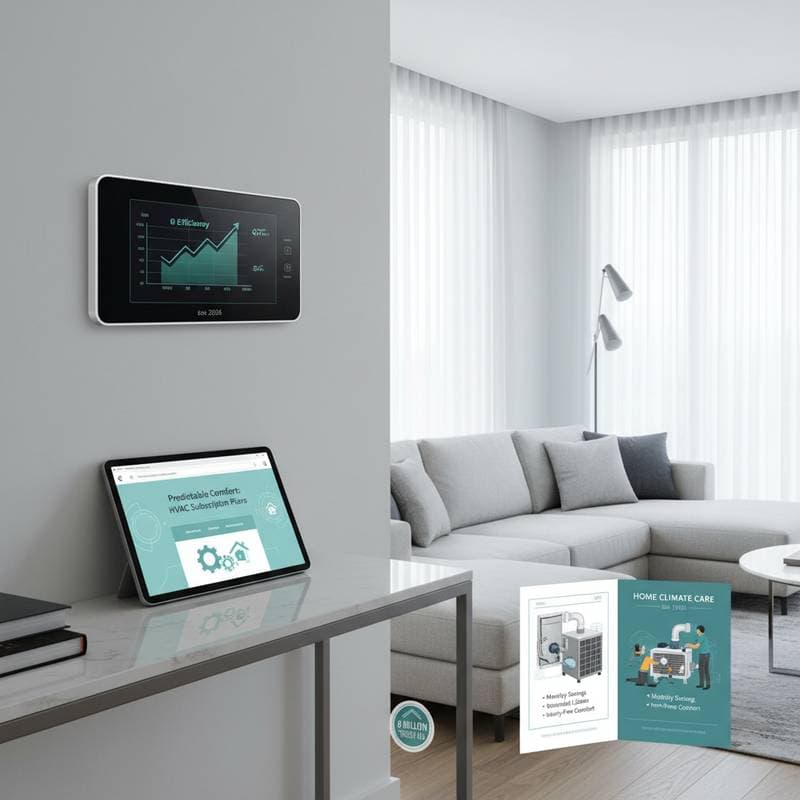
HVAC subscription plans convert erratic repair expenses into consistent monthly fees, encompassing maintenance, tune-ups, and priority support. Ranging from basic to premium options, these plans enable homeowners to reduce costs, prolong equipment lifespan, and maintain year-round comfort. Understand how fixed pricing simplifies heating and cooling management into an efficient, worry-free routine.
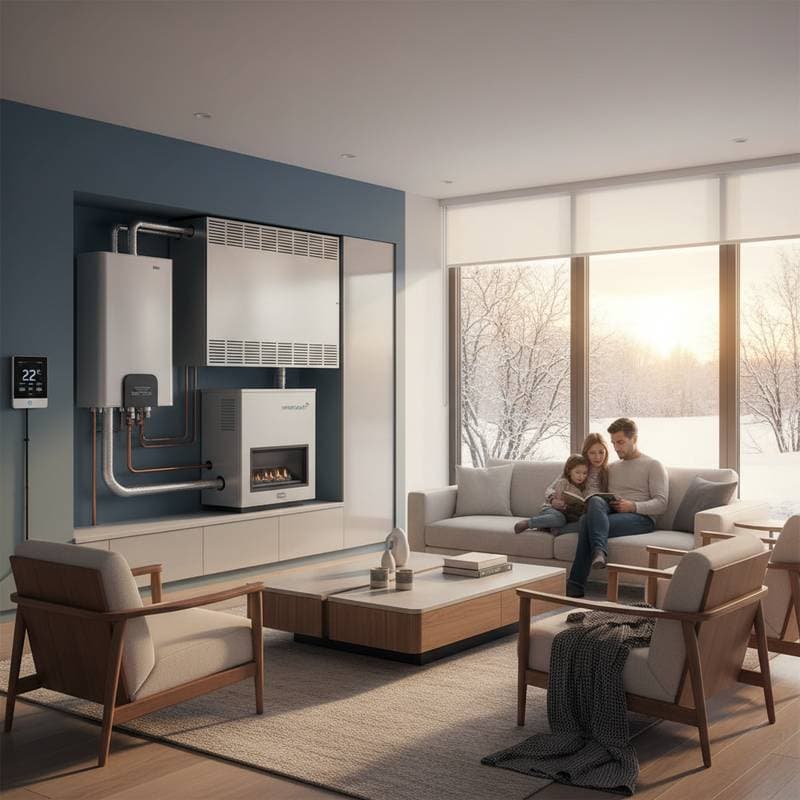
As winter intensifies and energy costs rise, homeowners increasingly opt for dual-fuel heating systems. This hybrid setup pairs an electric heat pump with a gas furnace to adapt seamlessly to temperature shifts, delivering enhanced comfort, reduced expenses, and dependable performance for sustained warmth and financial benefits.
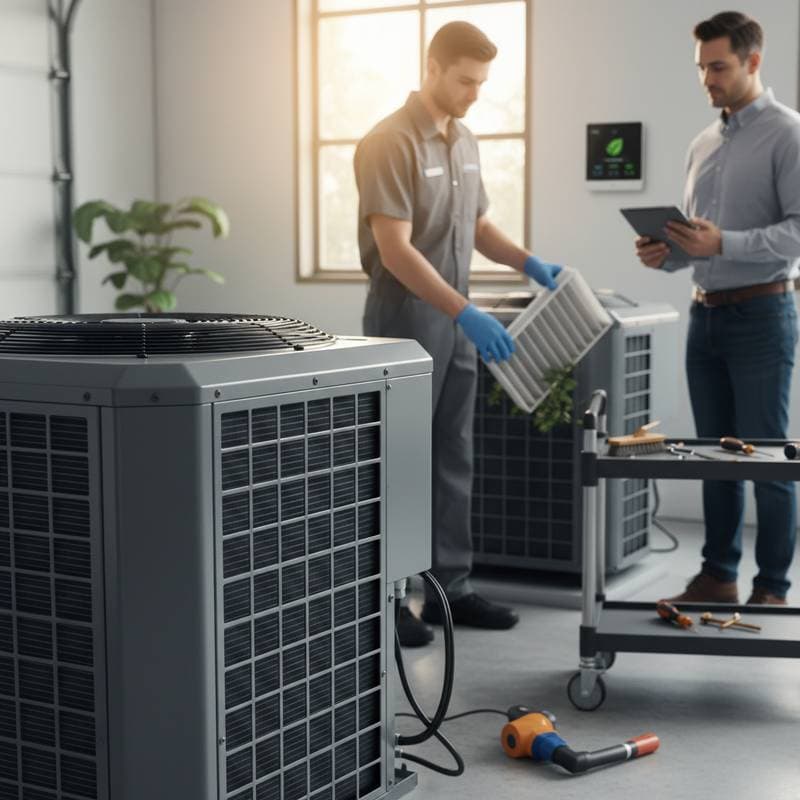
Prevent $3,000 HVAC breakdowns through proactive spring maintenance. Tasks such as filter replacement, debris clearance, thermostat testing, and professional tune-ups ensure efficiency, reliability, and summer readiness. These eight steps safeguard comfort, elevate air quality, and prolong equipment life.
With wildfire smoke endangering indoor environments, MERV 13 filters provide essential defense by trapping ultrafine particles that evade standard filters.
Approximately 40% of homeowners select HVAC subscription plans to achieve consistent costs, dependable upkeep, and continuous comfort. These plans provide scheduled inspections, expedited support, and reduction on repairs, which promote efficient operation, prolonged durability, and financial benefits. Learn how HVAC subscriptions streamline home climate control and safeguard investments.
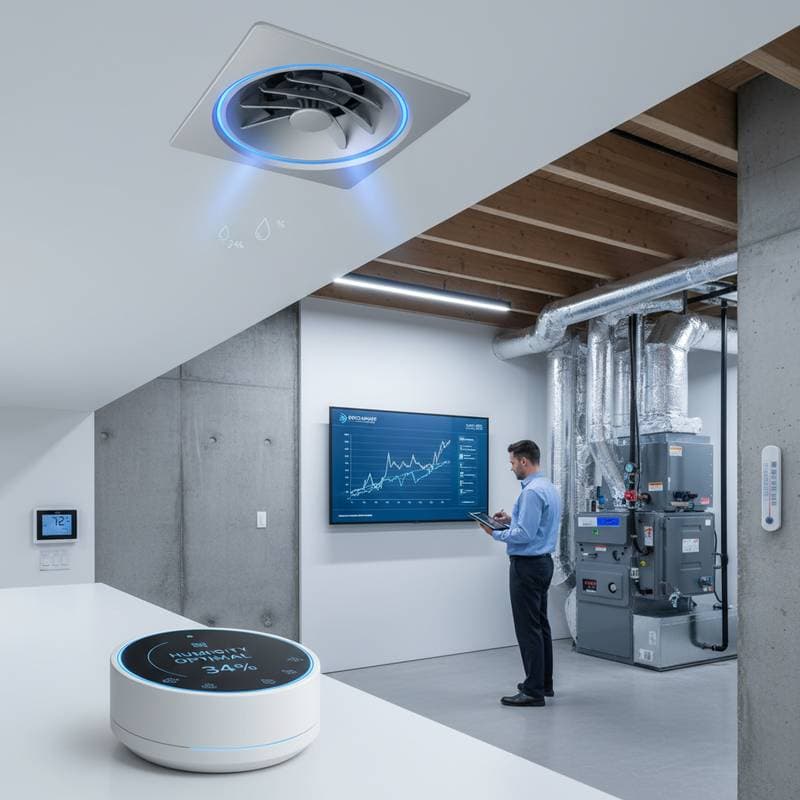
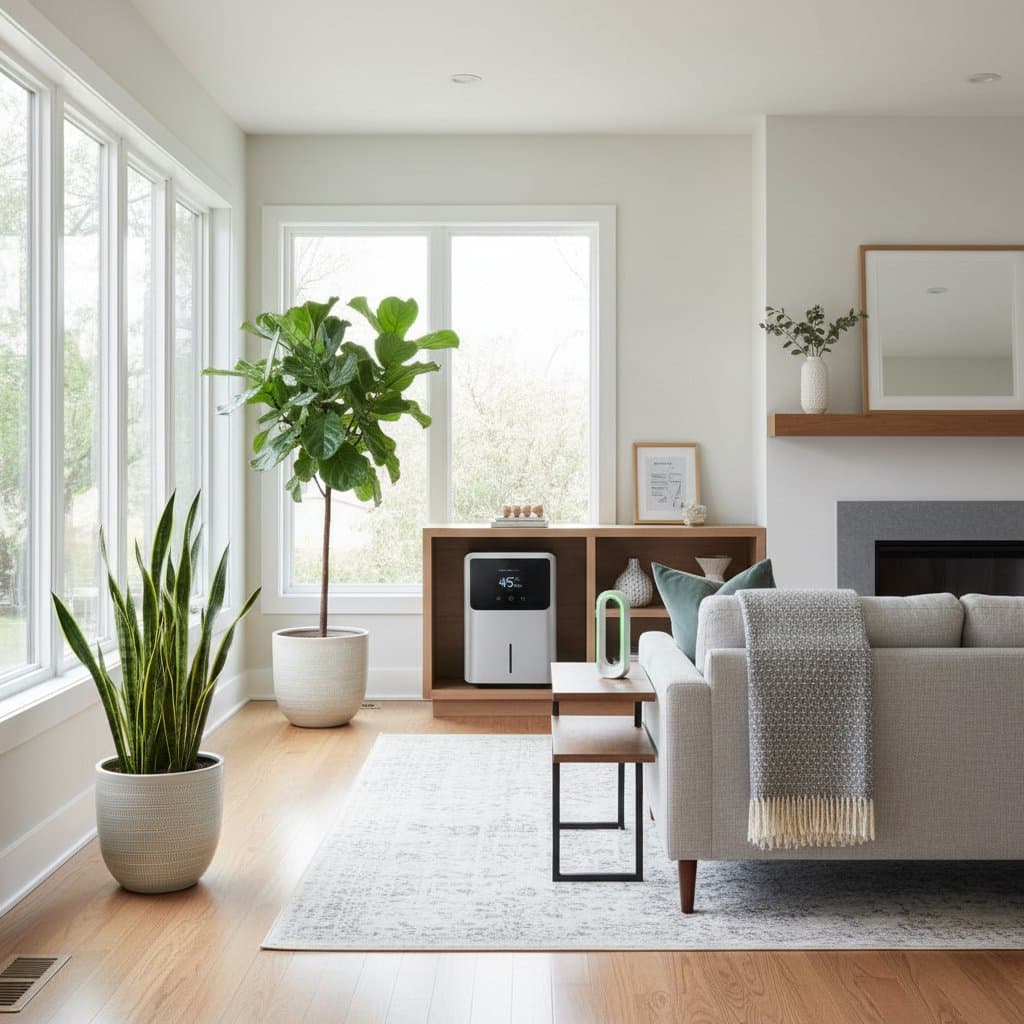
Achieve up to 34 percent savings on winter heating with smart humidity vents. These devices balance airflow and moisture for optimal comfort, energy efficiency, and improved air quality, extending HVAC longevity while simplifying climate control.
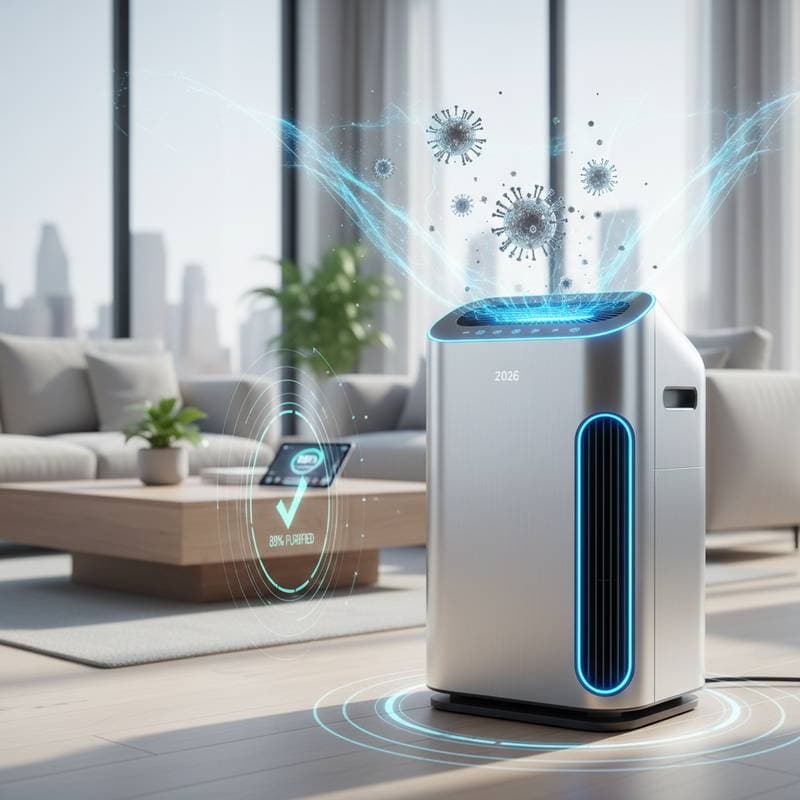
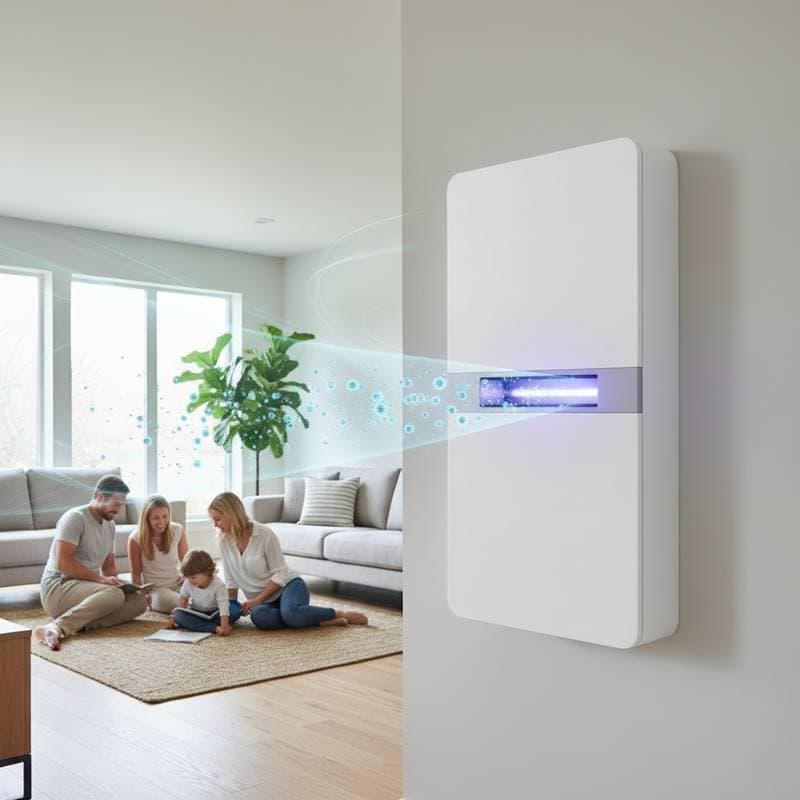
UV-C air purifiers enhance indoor air quality by employing ultraviolet light to inactivate up to 89% of airborne viruses. Priced between $250 and $2,000, these devices deliver chemical-free purification. This guide covers their operation, performance influencers, and the rising market demand projected through 2026.
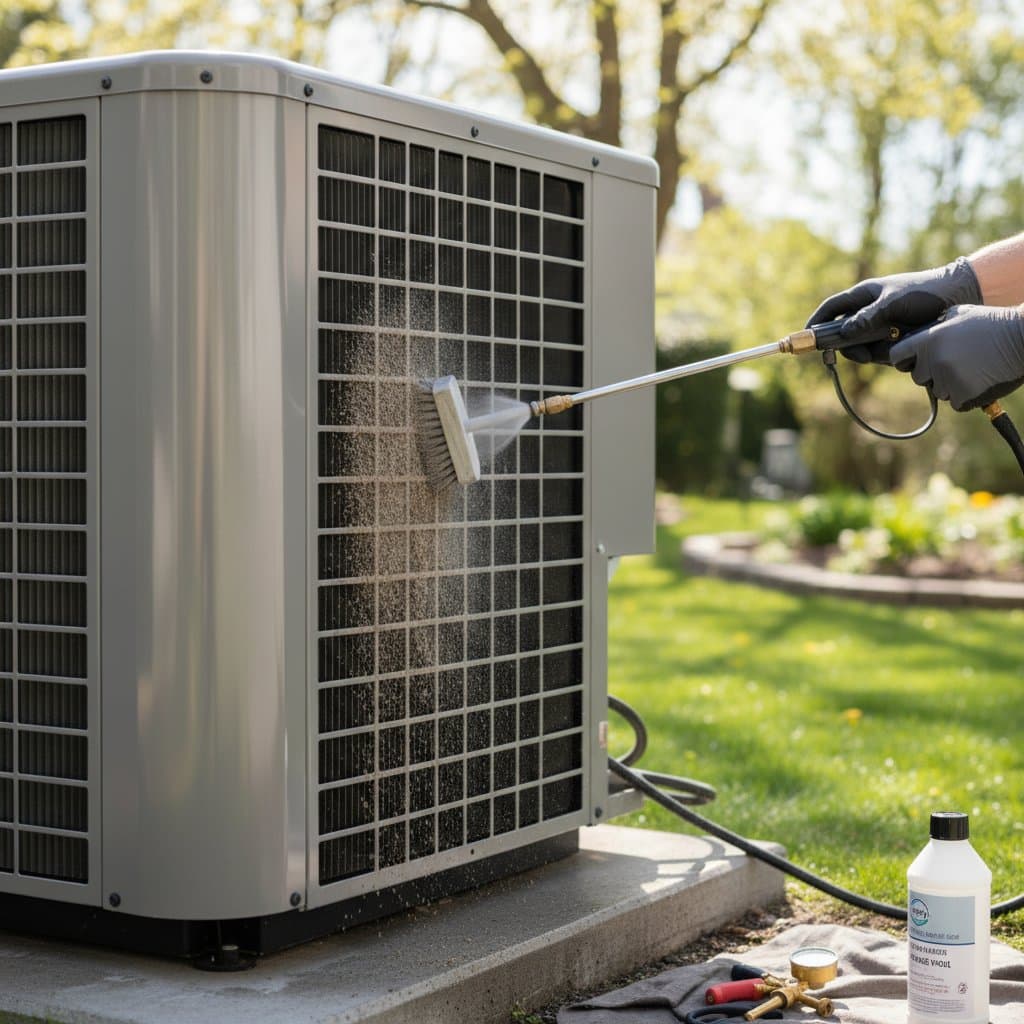
Prevent expensive HVAC failures with targeted spring coil cleaning. At a cost of $100 to $300, this maintenance wards off $800+ repair expenses, improves energy performance, and prolongs equipment durability. Review pricing influences, professional versus self-service choices, and proven care strategies for reliable home climate control.
By 2026, nearly half of homeowners anticipate shifting to monthly HVAC subscriptions, replacing erratic repair expenses with consistent, comprehensive coverage. These services deliver routine maintenance, expedited repairs, and equipment upgrade possibilities, ensuring stable expenses, superior system performance, and reduced stress. Learn the drivers behind this trend in subscription-based HVAC management.
Thermal batteries transform home cooling by capturing low-cost off-peak energy to fuel air conditioning during expensive peak times. Achieve up to 80% reductions in AC expenses, improve system efficiency, and promote longevity. Discover seamless integration with existing HVAC for eco-conscious comfort.
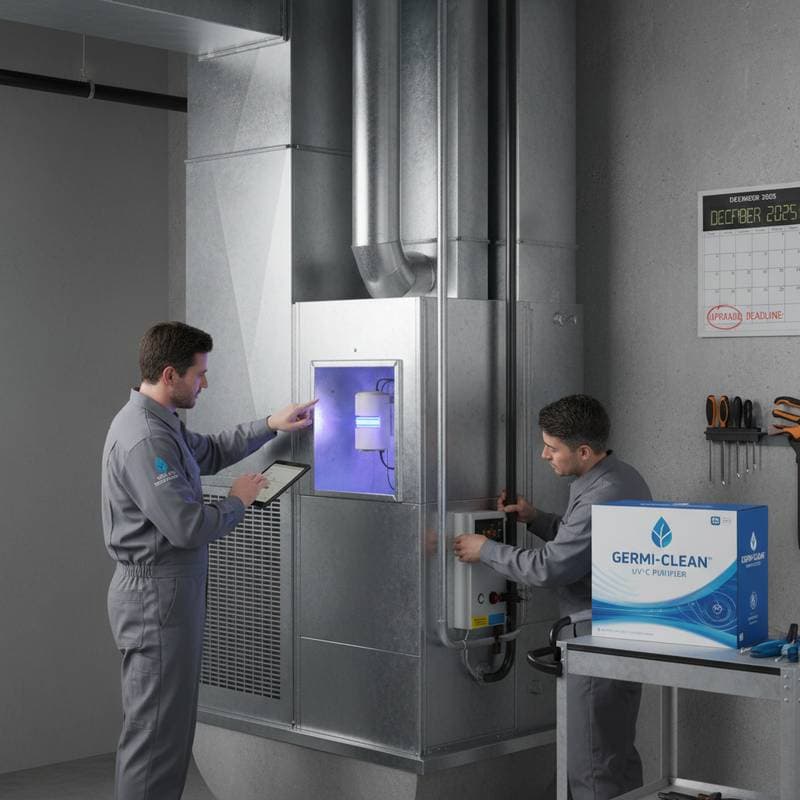
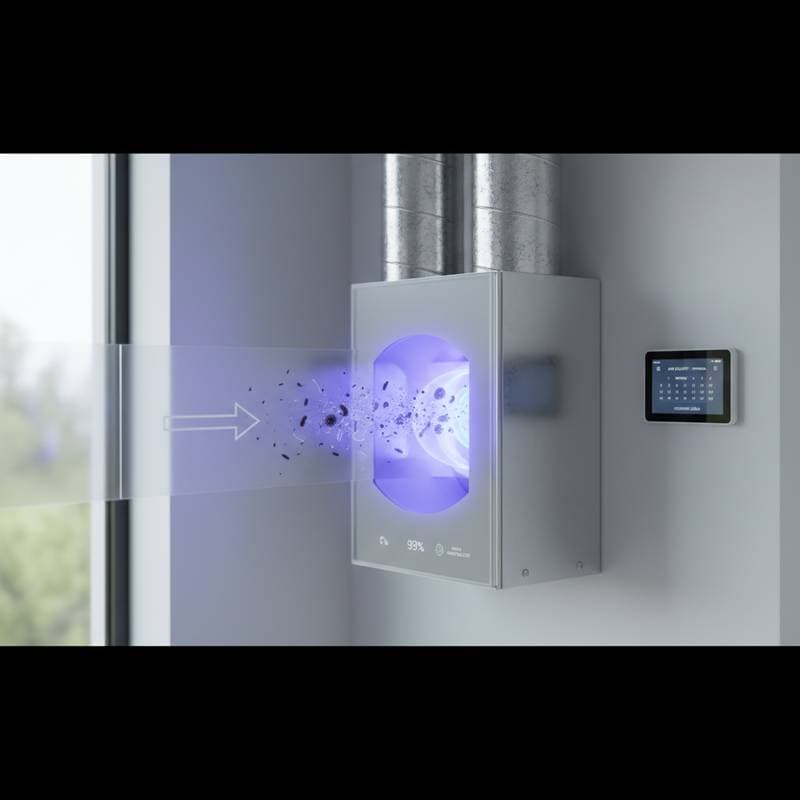
HVAC professionals advise upgrading to UV-C air purification systems by 2026 to enhance indoor air quality, optimize efficiency, and extend system life. These systems use germicidal lights to eliminate microbes, cut maintenance needs, and reduce energy expenses. With installation costs typically between $400 and $1,200, UV-C offers an affordable way to achieve cleaner, healthier homes.
Hybrid heating systems merge electric heat pumps with gas or propane furnaces for optimal efficiency, comfort, and cost savings. These setups switch energy sources automatically by temperature, slashing utilities, emissions, and ensuring dependable year-round heating. Discover why hybrid heating shapes 2026 home comfort trends and ways to enhance your setup.
Whole-home humidity systems reduce mold-related insurance claims by 58 percent, demonstrating the value of effective moisture management for homes and health. This guide details system operations, available options, pricing, benefits, and upkeep requirements to assist homeowners in selecting the ideal setup for sustained comfort, superior air quality, and minimized mold threats.
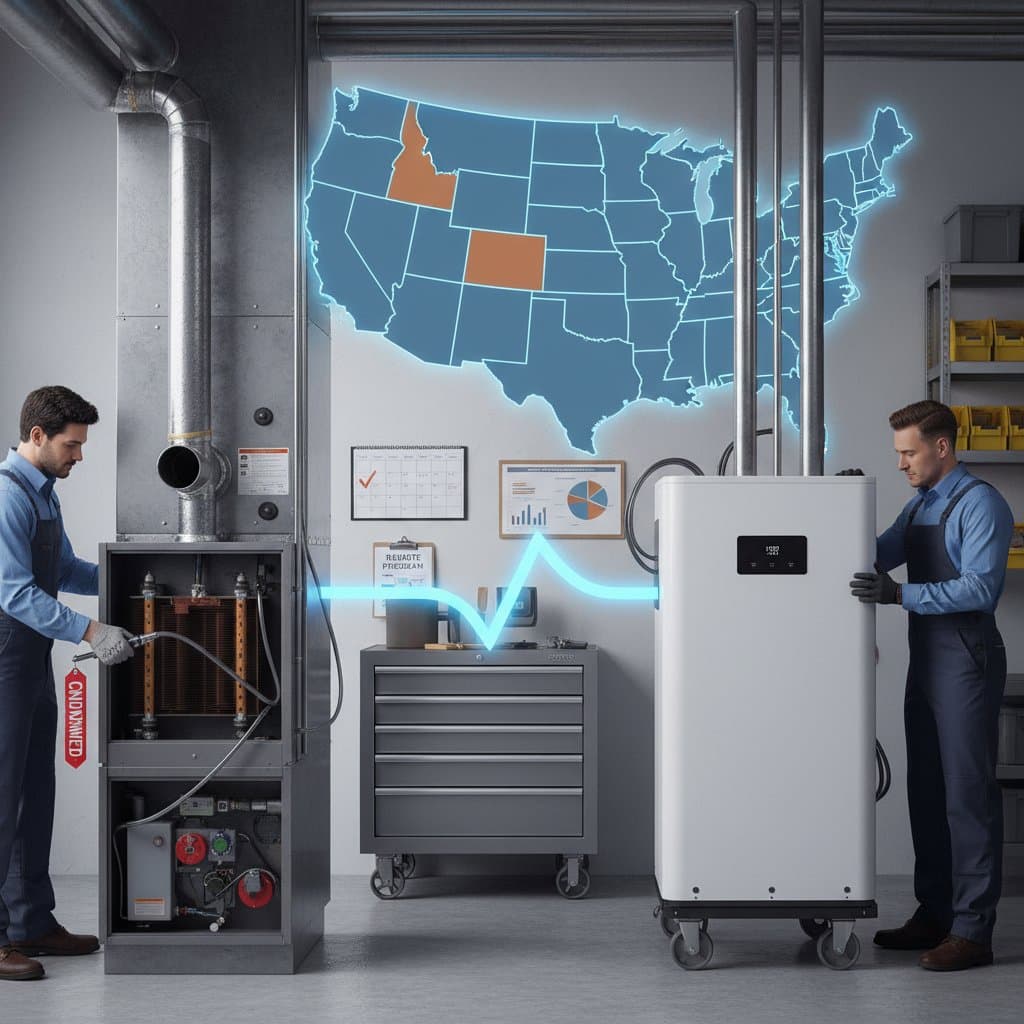
With 8 states implementing gas furnace bans, homeowners face a push toward electric options like heat pumps. This comprehensive guide covers ban details, cost breakdowns, system types, replacement processes, and rebate strategies to navigate the electrification shift seamlessly.
HVAC subscriptions are revolutionizing maintenance by 2026, delivering fixed costs from $15 to $50 monthly for tune-ups, repairs, and efficiency boosts. Homeowners enjoy priority access, energy savings, and system longevity over unpredictable per-visit fees. Discover why this model ensures reliable comfort and substantial long-term value.
Frustrated by expensive HVAC repairs? Implement simple DIY filter changes to save up to $300 yearly, improve indoor air, and optimize efficiency for seamless year-round comfort.
UV-C air purifiers stand out as a leading solution for 2026, delivering mold-free indoor environments through ultraviolet light that targets spores and pathogens. These devices integrate with HVAC systems for comprehensive coverage. Priced from $500 to $900 on average, they deliver enduring benefits like superior air quality and reduced maintenance needs.
UV-C air purifiers revolutionize indoor environments by leveraging germicidal light to deactivate airborne pathogens, fueling an $800 million market expansion. These devices enhance traditional filtration methods to deliver superior air cleanliness and promote healthier households. This guide details UV-C functionality, essential cost considerations, installation approaches, and reasons why homeowners increasingly adopt them for comprehensive protection.
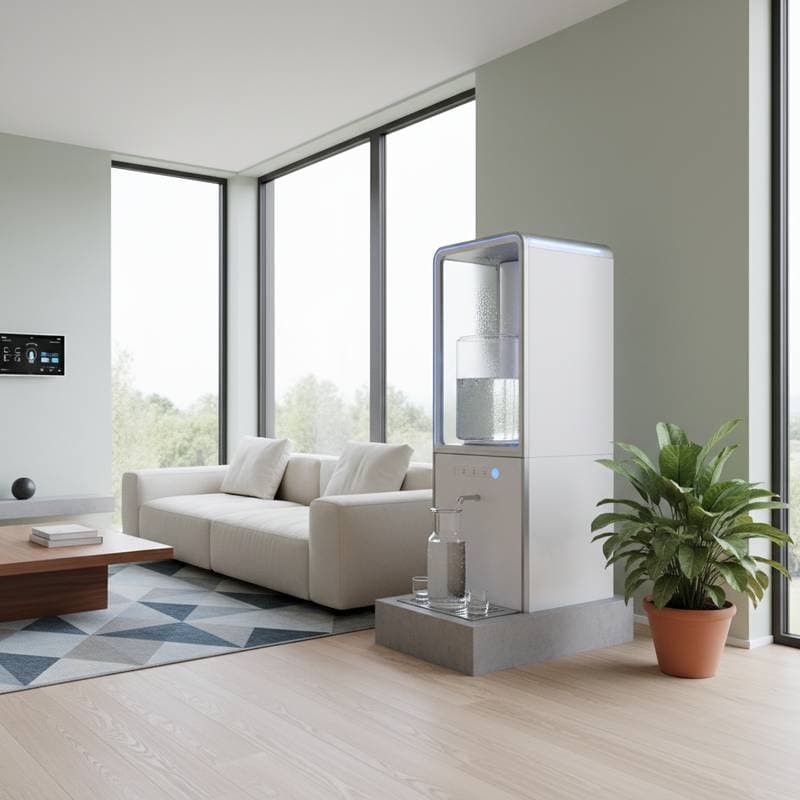
Learn how dehumidifying heat pumps paired with atmospheric water generators deliver cooling and pure water from humidity, promoting energy savings, better air quality, and sustainable home practices for lower costs and environmental benefits.
Uncover the reasons behind over eight million homes adopting monthly HVAC maintenance for steady comfort and substantial savings. These plans, from $15 monthly, prevent expensive fixes, prolong unit life, and enhance performance. Determine the ideal choice for effortless, year-round climate control.