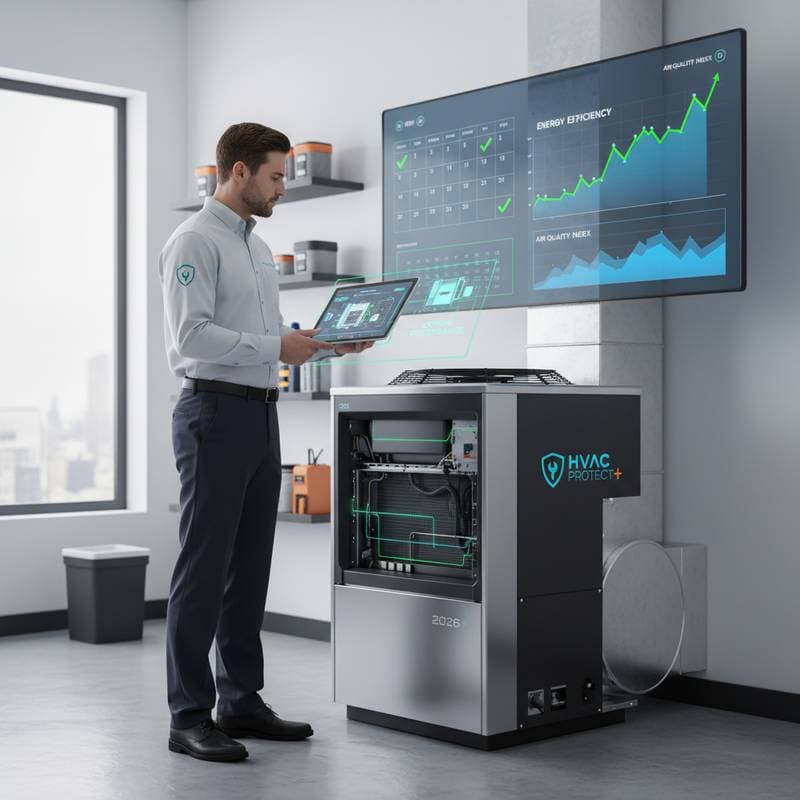
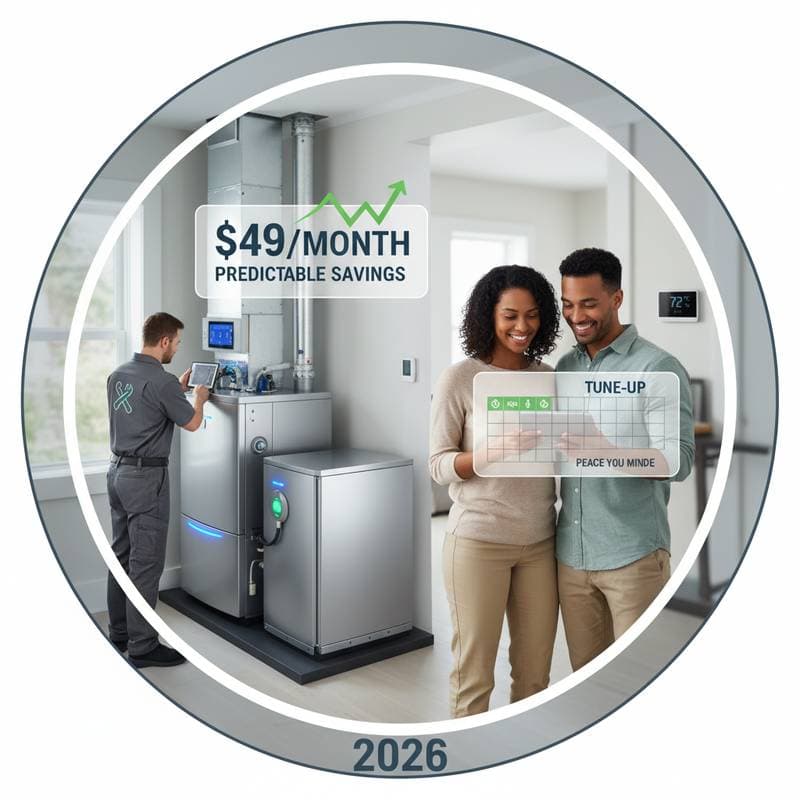
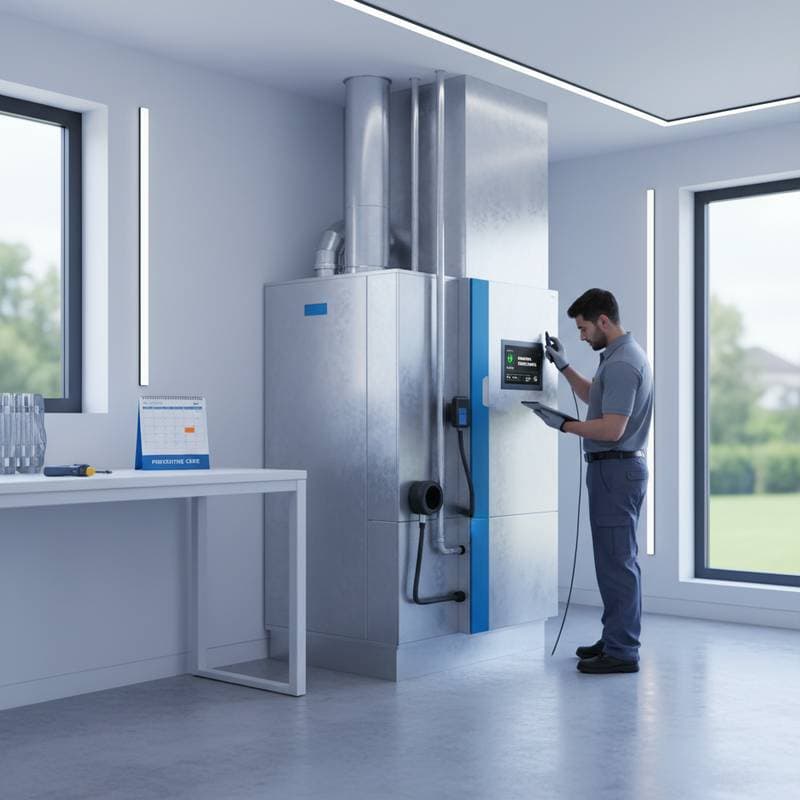
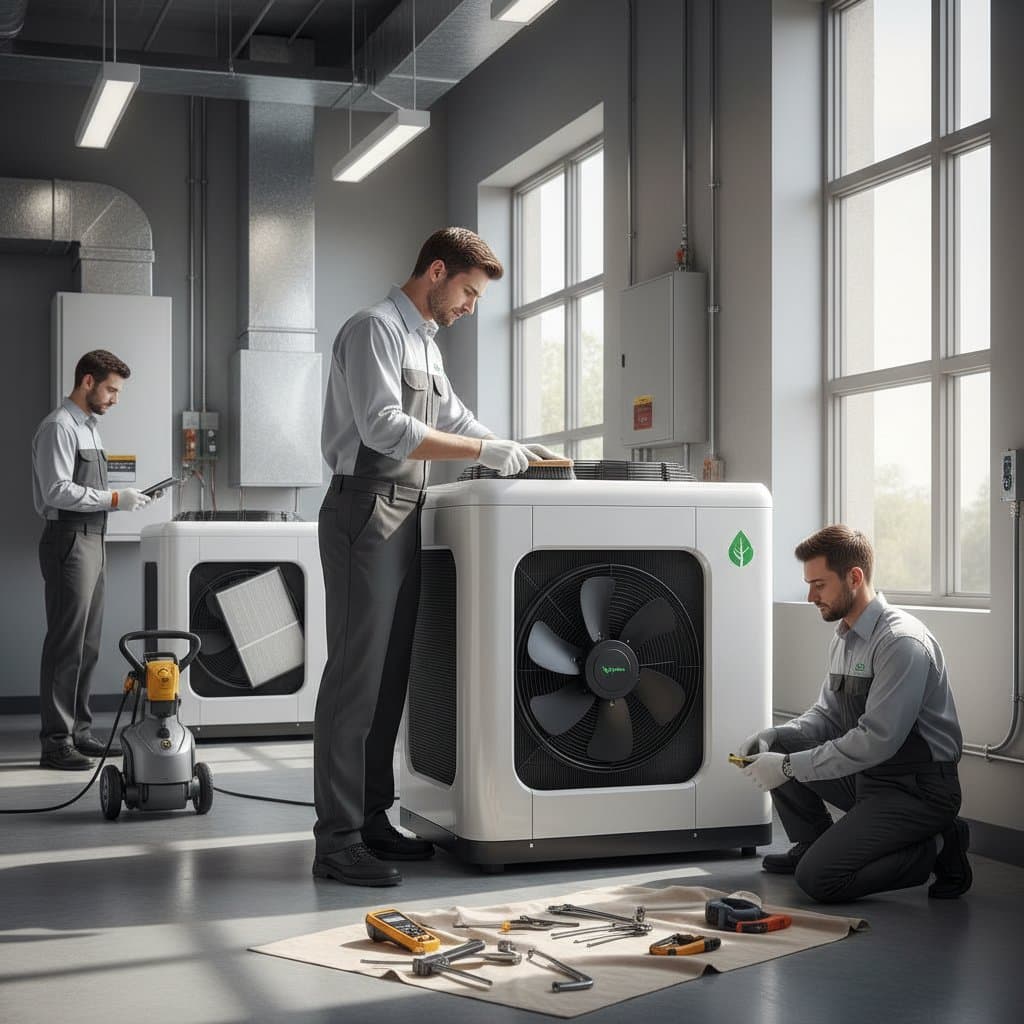
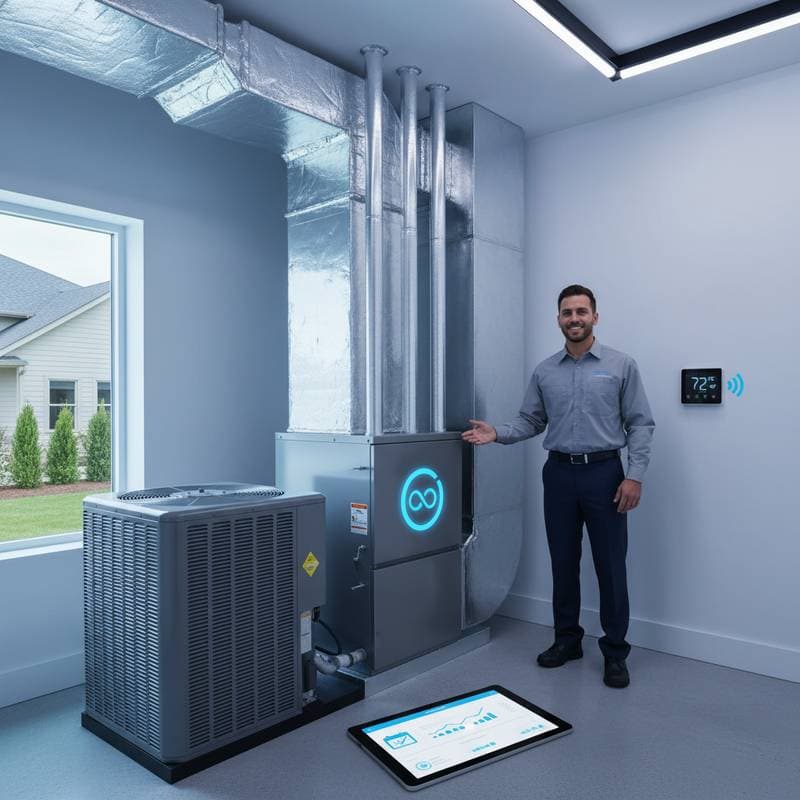
The 2026 HVAC subscription model revolutionizes home comfort management by emphasizing prevention over reaction. Homeowners benefit from scheduled maintenance, real-time monitoring, and cost certainty, achieving greater energy savings, improved air quality, and uninterrupted reliability for their heating and cooling systems.
The $49 monthly HVAC subscription revolutionizes upkeep with fixed pricing, routine expert care, and priority support, helping homeowners avoid breakdowns and achieve lasting savings through 2026.
Implement peak shaving with your HVAC system to combat rising summer energy costs. This approach involves precooling homes ahead of peak hours and scaling back usage then, yielding savings of up to $840, extending equipment longevity, and improving efficiency. Discover how smart thermostats, enhanced insulation, and utility programs collaborate to deliver a cooler home and lighter bills.
HVAC subscription plans for 2026 introduce predictive maintenance and real-time monitoring to transform home heating and cooling. These fixed monthly services minimize energy waste, extend system longevity, and deliver reliable comfort while promoting sustainable practices and financial predictability.
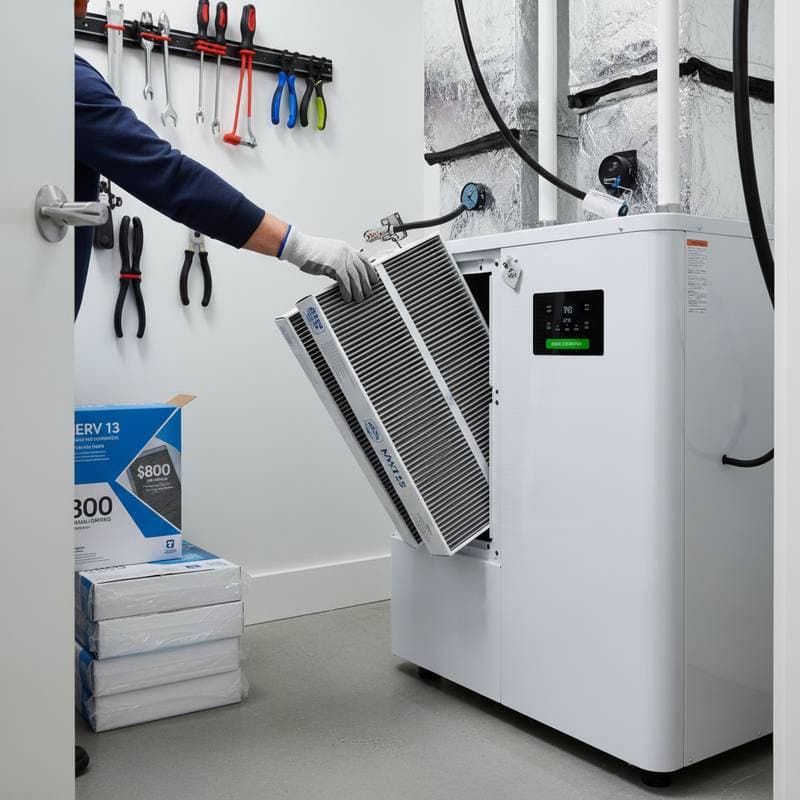
Homeowners can achieve up to $800 in yearly savings by installing MERV 13 air filters in their HVAC systems. This upgrade enhances efficiency, purifies indoor air, and minimizes repair needs. Explore costs, installation guidance, and strategies to optimize performance and sustain long-term benefits.
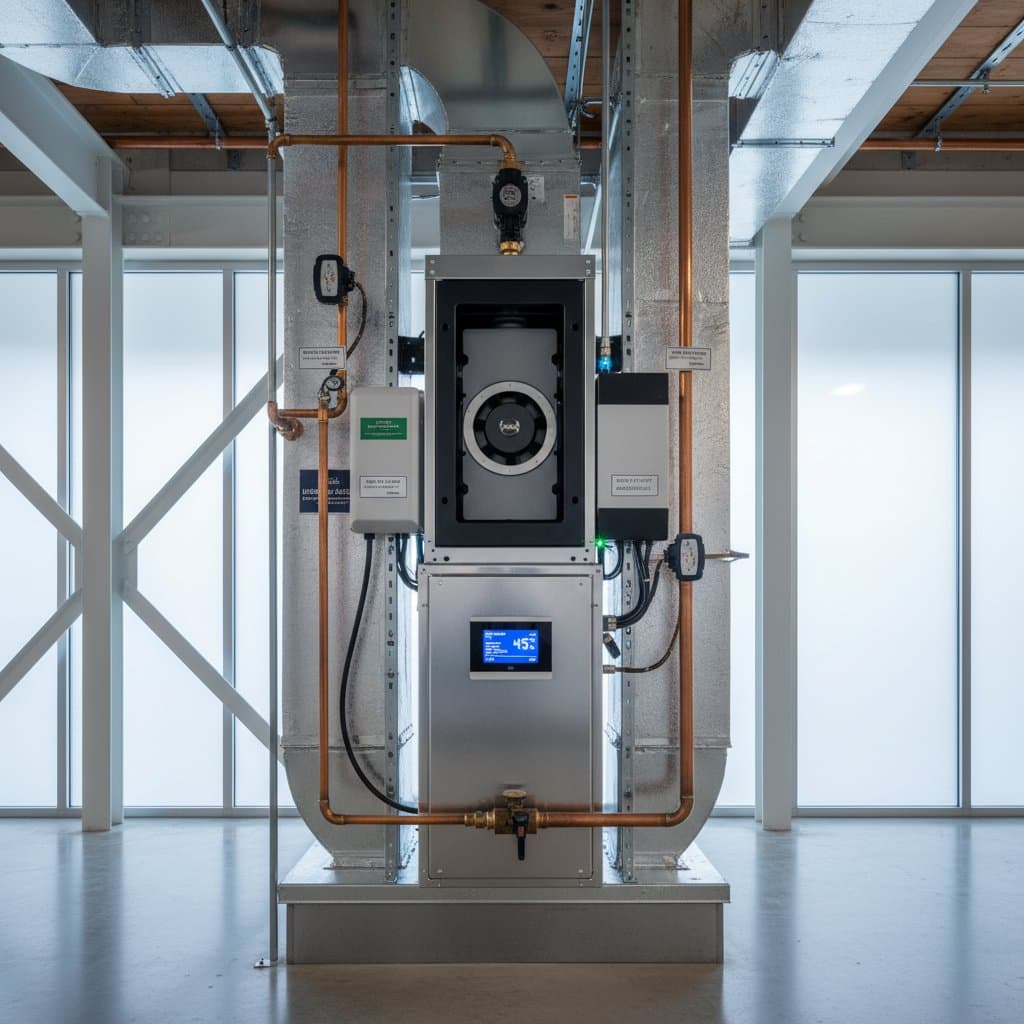
Learn how humidity-controlled HVAC systems reduce mold risk by 58 percent, elevate air quality, and optimize energy use. Understand the importance of moisture balance, identify key warning signs, and discover the role of smart sensors and expert installation in safeguarding health, home integrity, and system longevity.
In 2026, HVAC subscription services revolutionize home maintenance by providing predictable costs, priority service, and consistent comfort. Homeowners benefit from scheduled care that replaces unexpected repairs, boosts system performance, saves energy, and delivers peace of mind. Discover how tailored plans extend equipment life and maintain efficiency.
Enhance home efficiency with up to $1,800 in rebates for 2026 heat pump water heaters. This guide covers qualification criteria, cost estimates, installation advice, eligible units, and steps to claim incentives for sustained savings and lower emissions.
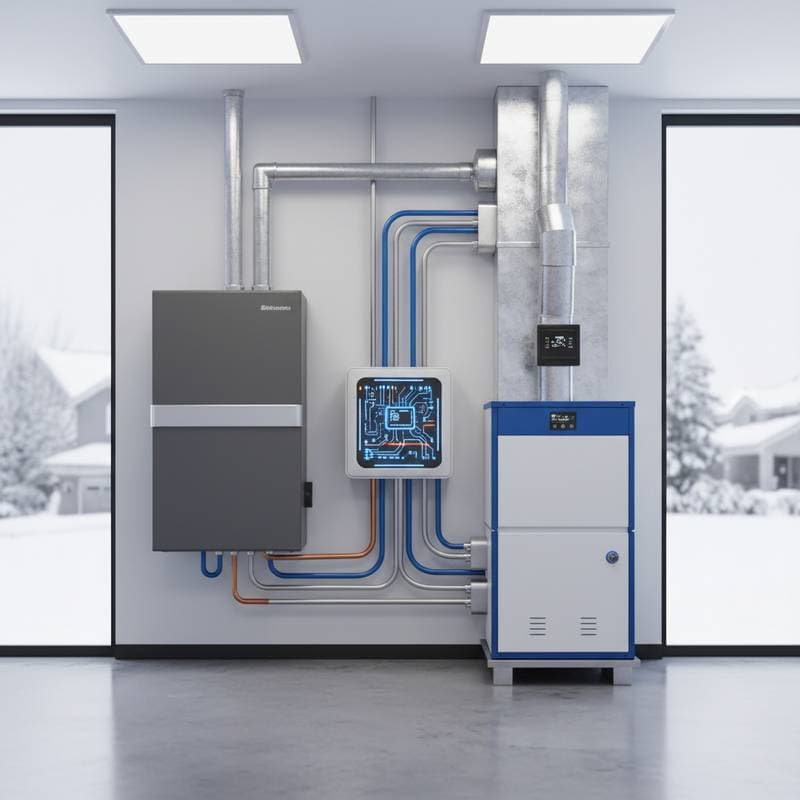
Dual fuel heating systems integrate electric heat pumps with gas furnaces to reduce winter energy costs by up to 38%. This hybrid technology switches automatically for peak efficiency, prolongs equipment durability, minimizes fuel consumption, and delivers reliable comfort amid variable winter conditions.
2026 building codes mandate advanced HVAC humidity control for superior air quality, energy savings, and moisture protection. Explore upgrades like smart thermostats and variable-speed systems to ensure compliance, optimize comfort, and boost long-term efficiency.
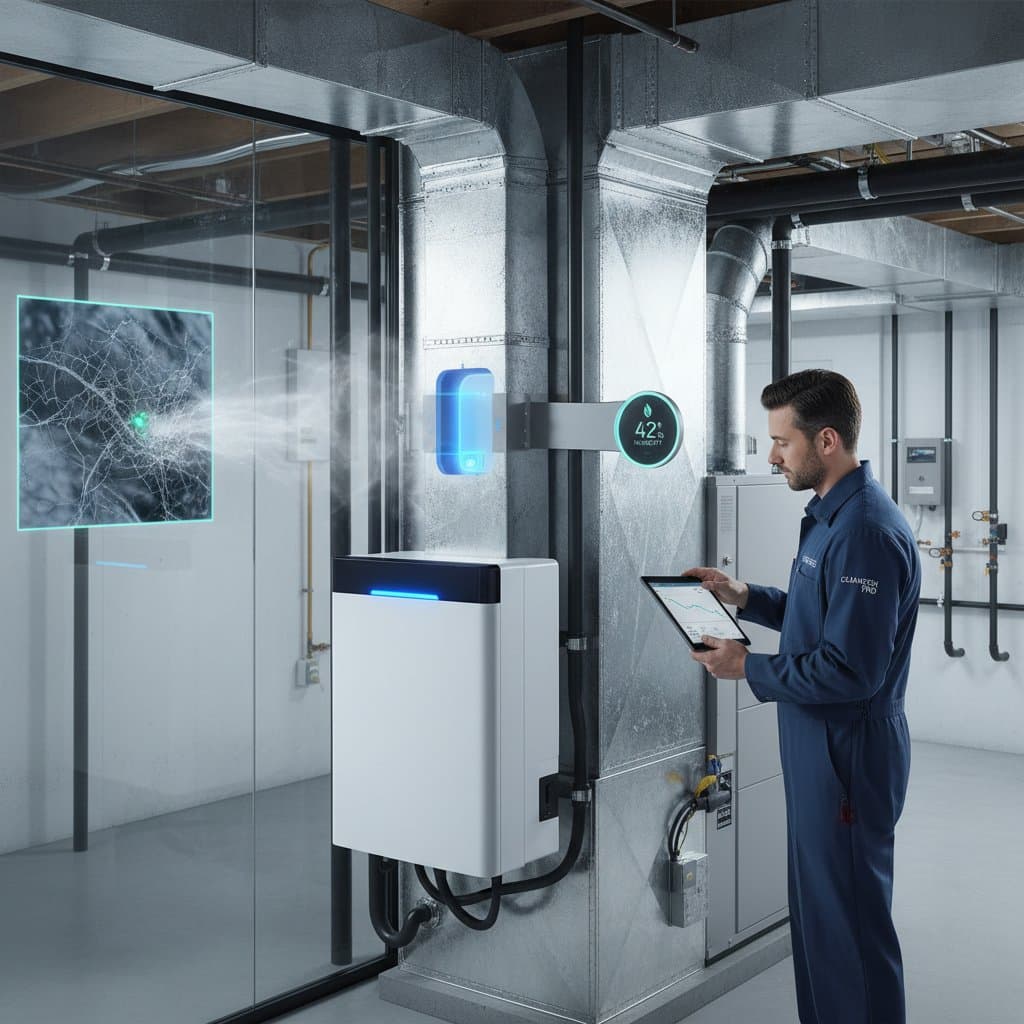
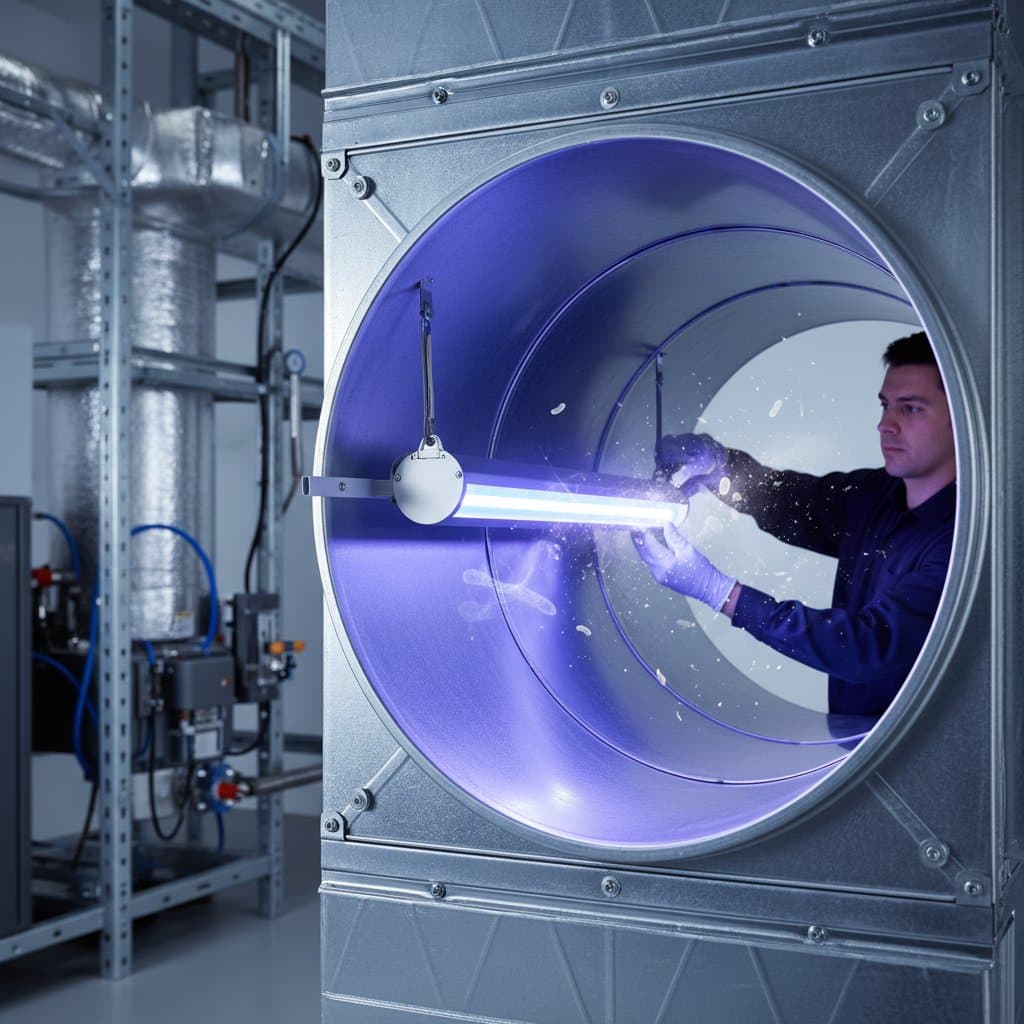
HVAC professionals increasingly install UV-C air purifiers to address airborne contaminants, mold, and bacteria within ductwork. These systems enhance indoor air quality, boost HVAC efficiency, and extend equipment life. With low maintenance requirements and rising demand for healthier homes, UV-C provides an effective solution for fresher indoor environments.
Dual-fuel heating systems merge electric heat pump savings with gas furnace dependability, potentially cutting bills by 38% in 2026. This guide explains automatic fuel switching for peak efficiency, reduced upkeep, and quick ROI in modern home heating.
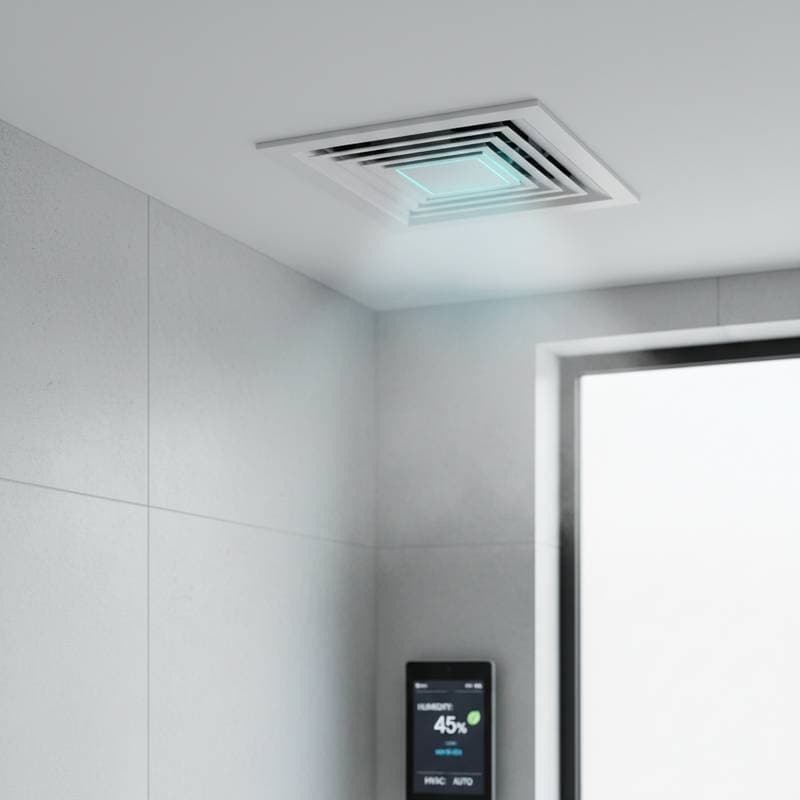
Smart humidity vents regulate indoor moisture levels automatically to stop mold, avoid property damage, and minimize lawsuit risks. These units cost $120 to $350 each and connect to HVAC systems for better airflow and energy efficiency. Such investments improve comfort, health protection, and home longevity.
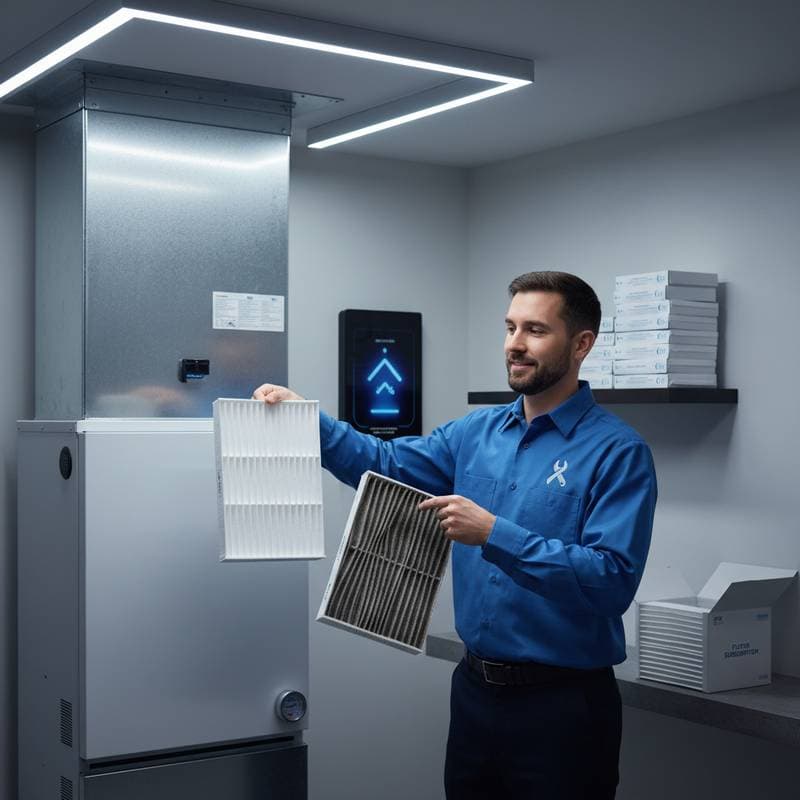
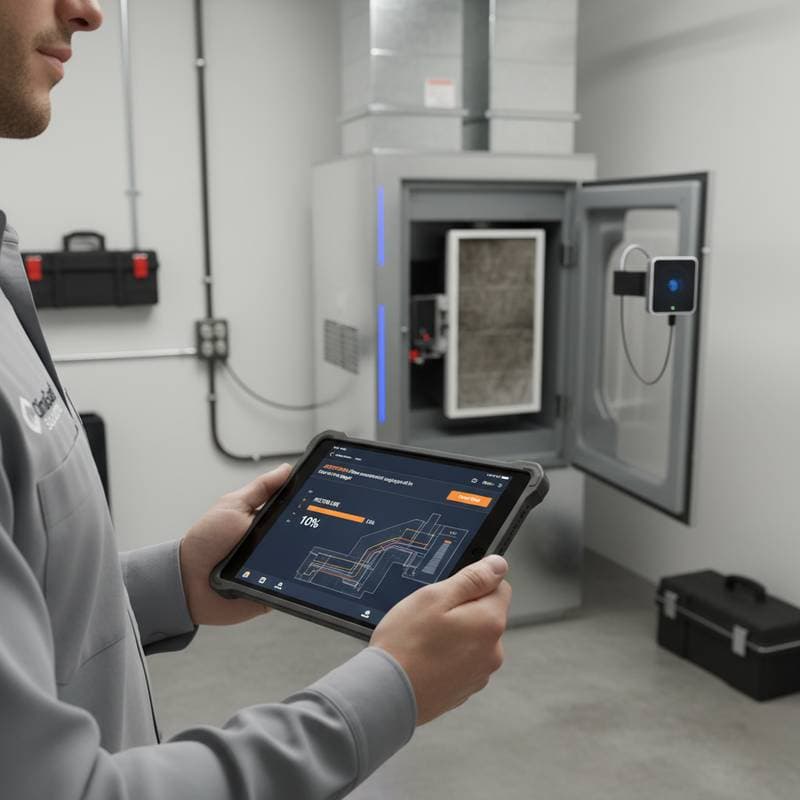
Smart HVAC apps leverage sensors and real-time analytics to forecast air filter replacements, optimizing energy use, air quality, and equipment durability. These tools monitor airflow, usage patterns, and environmental variables to eliminate uncertainty, avert expensive failures, and simplify maintenance for reliable home comfort.
Prepare your home for spring warmth using seven professional HVAC strategies. These steps improve efficiency, decrease energy costs, and avoid system failures. Tasks range from filter replacement and coil cleaning to duct sealing and expert inspections for consistent cooling and superior indoor air quality.
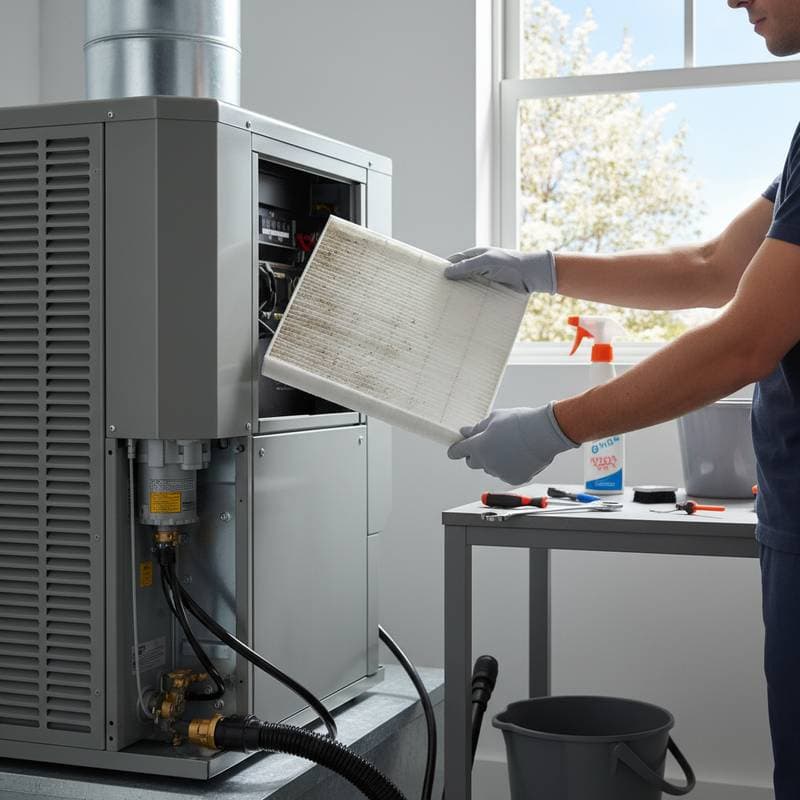
Prepare your HVAC system for warmer weather through seven straightforward DIY checks. These steps, from filter replacement and debris removal to performance testing and drain line cleaning, improve efficiency, reduce energy expenses, and avert system failures, ensuring steady comfort and optimal operation all spring.
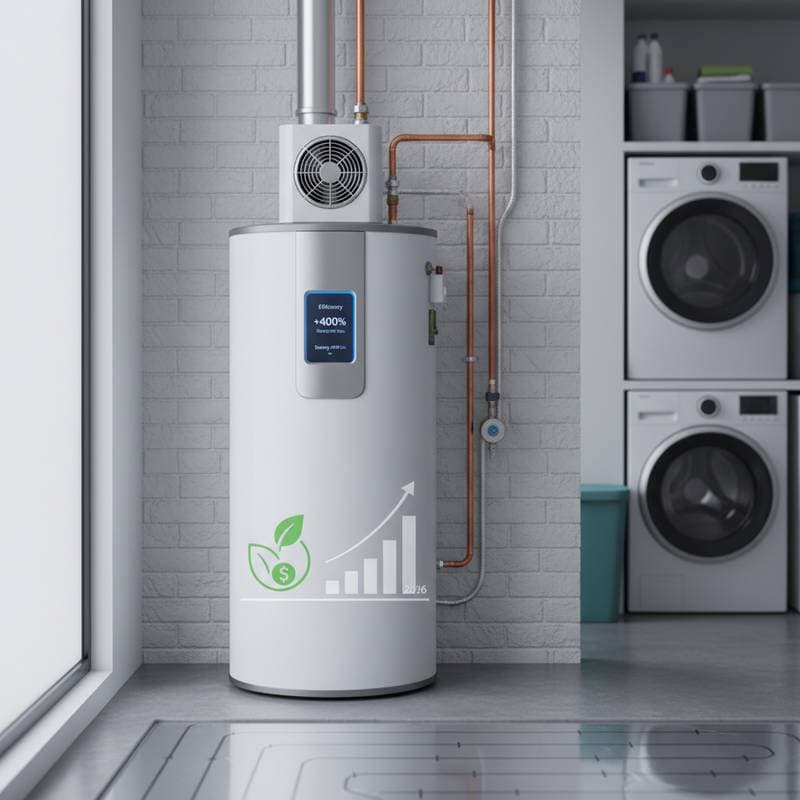
Heat pump water heaters offer four times the efficiency of conventional models, potentially saving households up to $550 each year on water heating costs. This guide covers installation expenses, rebate opportunities, maintenance strategies, and key factors for maximizing long-term benefits and sustainability.
The $89 per month HVAC subscription is reshaping home comfort management with steady expenses, scheduled upkeep, and expedited service. Homeowners benefit from enhanced efficiency, budget protection, and elimination of repair uncertainties. This efficient method streamlines heating and cooling maintenance, ensuring consistent comfort throughout the year.