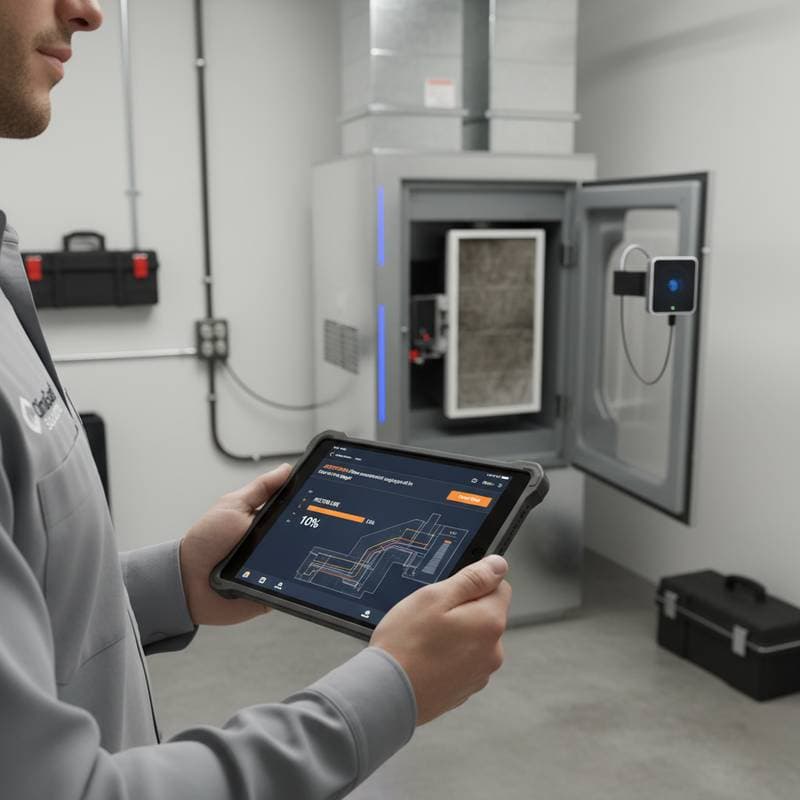
Why HVAC Apps Track Air for Predictive Filter Alerts
HVAC systems operate unobtrusively to maintain home comfort and air purity. A clogged air filter, however, can quickly disrupt this balance, leading to reduced airflow, elevated energy costs, and potential equipment failure. Smart HVAC apps address this issue by monitoring air quality and system performance to anticipate filter replacement needs before complications arise. This guide explains the mechanics of these apps, their significance, and their role in fostering a healthier, more efficient living environment.
What Is a Predictive HVAC Filter Alert?
A predictive filter alert employs sensor data and advanced algorithms to assess when an air filter approaches the end of its effective lifespan. Unlike conventional schedules that recommend replacements every three months regardless of conditions, these apps evaluate real-time factors such as air quality, system operation, and ambient influences to determine the optimal replacement timing.
Fixed-interval reminders overlook actual usage variations. Predictive approaches adapt to specific home dynamics. For instance, during periods of extreme temperatures that increase system runtime, the app issues earlier notifications. In environments with minimal dust accumulation, it may delay alerts accordingly. The objective remains straightforward: replace the filter precisely when necessary to avoid inefficiency or damage.
How Smart HVAC Apps Track Air Quality
Smart HVAC apps integrate sensors, analytical processing, and direct communication with the HVAC unit. The following outlines the primary methods for monitoring air and estimating filter longevity.
1. Air Quality Sensors
Many HVAC units or compatible accessories feature embedded sensors that quantify dust, pollen, and particulate concentrations. These devices capture fluctuations in air composition and transmit the information to the app. An increase in particulates or diminished airflow signals impending filter saturation, prompting the app to generate an alert.
2. System Performance Data
The app evaluates operational efficiency by recording indicators such as airflow velocity, fan velocity, and static pressure. As a filter accumulates debris, these parameters deviate from norms. The system compensates by increasing effort to circulate air, which elevates energy consumption and component stress. By detecting these incremental shifts, the app projects maintenance requirements with precision.
3. Environmental Conditions
Factors like external air quality, indoor humidity, and daily activities accelerate filter clogging. Households with smokers or shedding pets, for example, experience faster accumulation. Smart apps incorporate regional air quality reports or manual user entries to refine predictions. This tailored analysis prevents premature replacements while ensuring timely interventions.
4. Usage Patterns
Each residence follows distinct operational cycles. Some households engage the HVAC continuously, while others use it sporadically. Predictive algorithms study these behaviors over time. Greater usage generates richer datasets, enabling the app to refine its forecasts and enhance reliability progressively.
Why Predictive Filter Alerts Matter
Homeowners often overlook filter maintenance until symptoms emerge, such as uneven temperatures or unusual noises. Predictive alerts introduce precision and foresight. Consider these key advantages.
- Energy Efficiency: Restricted airflow from a dirty filter compels the system to consume additional power. Regular replacements sustain optimal circulation, minimizing waste and stabilizing utility expenses.
- System Protection: Prolonged restrictions lead to overheating and accelerated wear on vital parts. Proactive changes safeguard components and prolong overall equipment life.
- Improved Air Quality: Filters trap allergens, dust, and contaminants. A saturated filter allows recirculation of these elements, compromising health and comfort. Timely swaps ensure continuous purification.
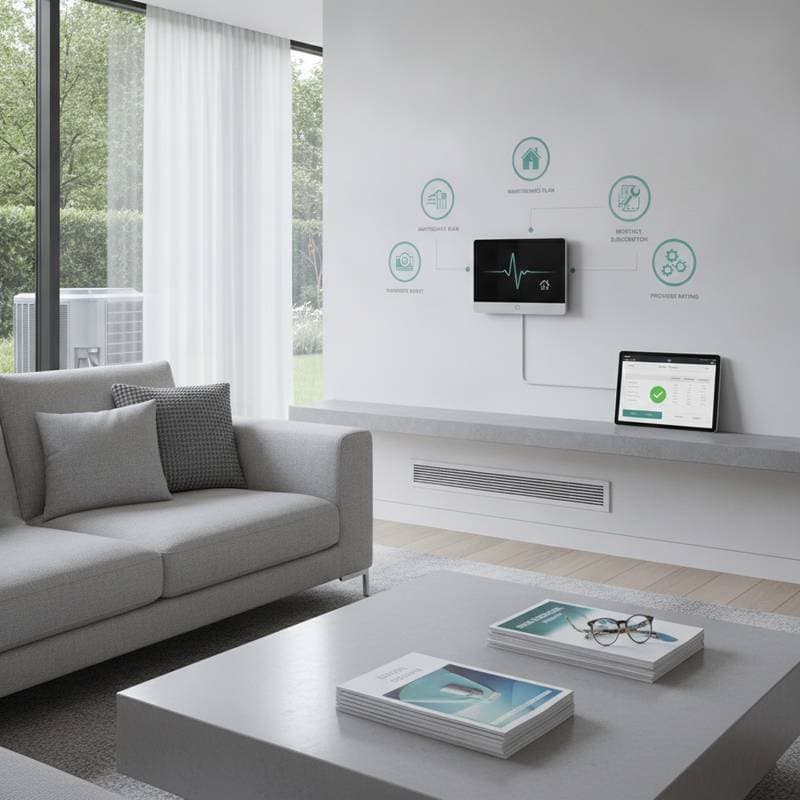
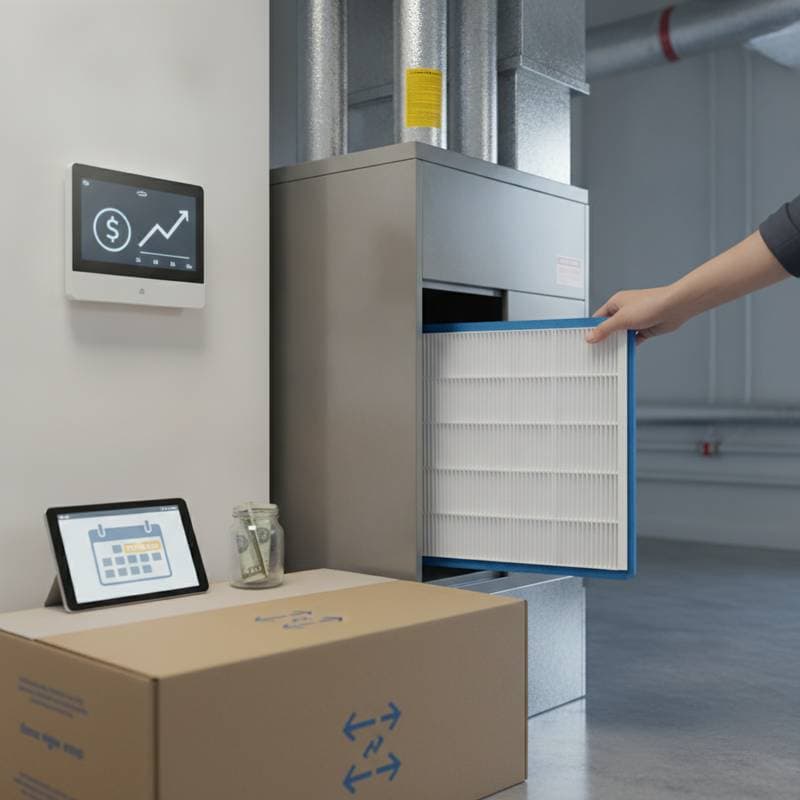
- Convenience: Manual tracking becomes obsolete. Apps deliver notifications via mobile devices or thermostats and may integrate with subscription services for automatic filter shipments.
Key Factors That Influence Predictive Accuracy
Predictive capabilities vary across systems. The following elements determine the reliability of filter change forecasts.
- Sensor Quality: Superior sensors identify fine particulates and minor airflow variations. Enhanced sensitivity yields more dependable projections.
- System Integration: Direct linkages to the HVAC unit provide comprehensive metrics. Pairing with smart thermostats or control interfaces amplifies data depth.
- Home Environment: Variables including dust prevalence, pet presence, tobacco use, or local construction impact clogging rates. Adaptive algorithms that account for these yield superior results.
- Filter Type: Configurations like HEPA, pleated, or fiberglass differ in capacity and durability. Accurate identification of the installed type ensures relevant alerts.
- User Input: Confirmation of replacement actions refines the app's model. This iterative feedback loop boosts future precision.
DIY Monitoring vs. Using a Smart HVAC App
Manual oversight remains an option, but smart apps offer superior accuracy and ease. A comparison highlights the differences.
DIY Monitoring
Inspect the filter monthly by extracting it and testing light transmission. Minimal passage indicates replacement. This technique proves functional yet requires consistent vigilance and risks subjective judgments based solely on visuals, potentially leading to untimely changes.
Smart HVAC Apps
These tools provide proactive notifications through digital channels, often preempting performance declines. Integration with delivery platforms ensures supply readiness. For optimal setup, consult a technician to verify compatibility and installation integrity, particularly if technical uncertainties arise.
The Predictive Maintenance Advantage
Predictive filter alerts form one aspect of broader predictive maintenance strategies. This methodology harnesses data analytics to foresee issues preemptively. Systems remain optimal through vigilant oversight rather than crisis response.
Benefits of Predictive Maintenance
- Reduced Repair Costs: Early interventions address minor concerns before escalation, curtailing expenses on extensive fixes.
- Consistent Comfort: Uninterrupted operation delivers steady climate control.
- Longer Equipment Life: Targeted upkeep alleviates strain on critical elements like motors and blowers.
- Better Budget Planning: Anticipated timelines facilitate financial forecasting for annual upkeep.
Beyond filters, advanced systems observe compressor efficiency, refrigerant levels, and humidity regulation. The underlying technology extends to detecting nascent faults in other areas, promoting comprehensive system health.
Frequently Asked Questions
How do predictive HVAC apps know when my filter needs to be changed?
They analyze inputs from sensors tracking air quality, airflow, and operational metrics. The app benchmarks these against standard efficiency thresholds and issues alerts upon deviations.
Do I need a smart thermostat for predictive filter alerts?
Not necessarily. Certain apps function via independent sensors or Wi-Fi-enabled HVAC connections. Nevertheless, thermostat integration often elevates data fidelity and user experience.
Are predictive filter alerts accurate?
They demonstrate high reliability in well-equipped installations. Performance enhances as the app assimilates unique home data and patterns.
Can predictive HVAC apps help improve indoor air quality?
Yes. Optimal filter timing minimizes pollutant recirculation. Additional monitoring of humidity and CO2 levels supports comprehensive air management.
What happens if I ignore filter alerts?
Delayed action risks reduced efficiency, higher energy use, poorer air quality, and potential system damage. Persistent neglect may shorten equipment lifespan and necessitate costly repairs.
Implementing Predictive Maintenance in Your Home
Predictive HVAC filter alerts advance home care through data-informed decisions. They surpass rigid routines by aligning maintenance with real conditions, yielding cleaner air, lower costs, and robust performance.
To adopt this technology, assess your HVAC unit's smart features. Engage a qualified technician for recommendations on sensors, apps, and filters suited to your setup. This step ensures seamless integration and sustained benefits.