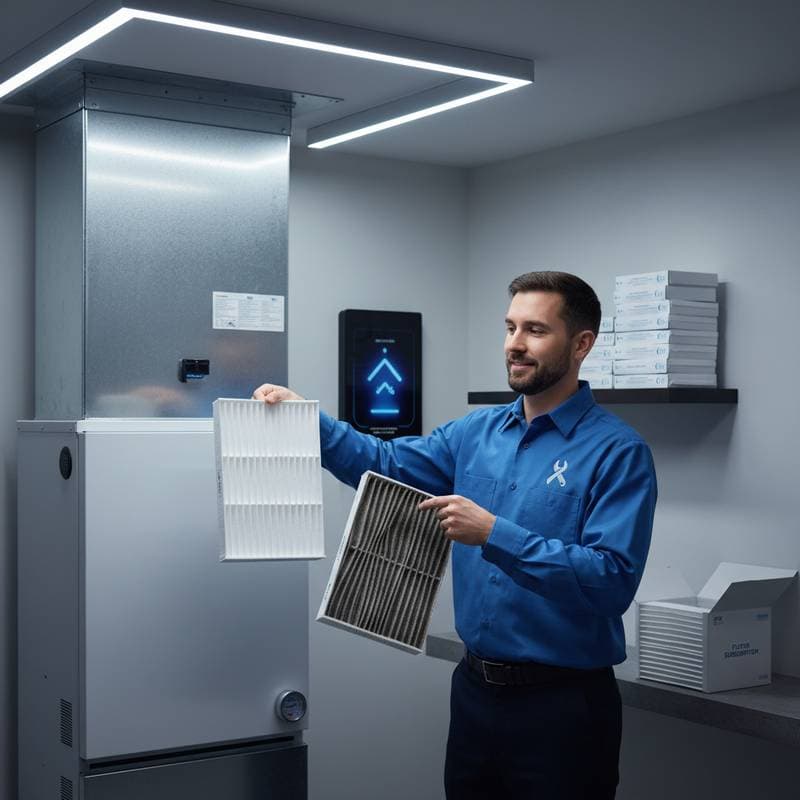
Understanding HVAC Filter Types and Replacement Schedules
HVAC filters vary in material and durability, which determines their replacement frequency. Select the appropriate type based on your home's needs and system specifications.
- Fiberglass filters: These basic options capture larger particles. Replace them every 30 days to maintain adequate performance.
- Pleated filters: Designed with more surface area, they handle finer dust. Replace every 60 to 90 days under normal conditions.
- Electrostatic or washable filters: These attract particles through static charge or allow rinsing. Clean monthly and replace if damage appears.
- HEPA filters: Ideal for superior air purification, they trap microscopic contaminants. Replace every 6 to 12 months, adjusted for your system's airflow capacity.
Households with pets, allergy sufferers, or exposure to high dust or humidity levels require more frequent changes. Inspect the filter each month. If it appears gray or clogged, install a new one immediately to avoid performance issues.
Key Factors Affecting HVAC Filter Performance
Multiple elements determine a filter's effectiveness in safeguarding your HVAC system and the ideal replacement interval.
- Filter Size and Fit: A mismatched size permits air to bypass the filter, reducing protection. Consult your system's manual or measure the existing filter for precise dimensions, such as 16x25x1 inches.
- MERV Rating: This metric measures particle capture efficiency, with ratings from 1 to 20. Options between 8 and 12 suit most residential systems, balancing filtration without excessive airflow restriction. Higher ratings demand compatible equipment to prevent strain.
- Household Environment: Presence of pets, tobacco smoke, or nearby construction accelerates dust buildup. In such settings, shorten replacement intervals by 15 to 30 days.
- System Usage: Heavy reliance on heating or cooling, common in extreme climates, clogs filters faster. Monitor usage patterns and adjust schedules accordingly.
- Indoor Air Quality Goals: For individuals with asthma or sensitivities, prioritize filters with MERV 11 or higher to minimize allergens, though verify system compatibility first.
Evaluate these aspects to select and maintain filters that optimize protection and efficiency.
DIY Filter Replacement Guide
Most homeowners can replace HVAC filters independently, a task that requires minimal time and no specialized equipment. This practice enhances system reliability and reduces energy consumption.
Follow these steps for a successful replacement:
- Power off the HVAC system at the thermostat and main switch to ensure safety.
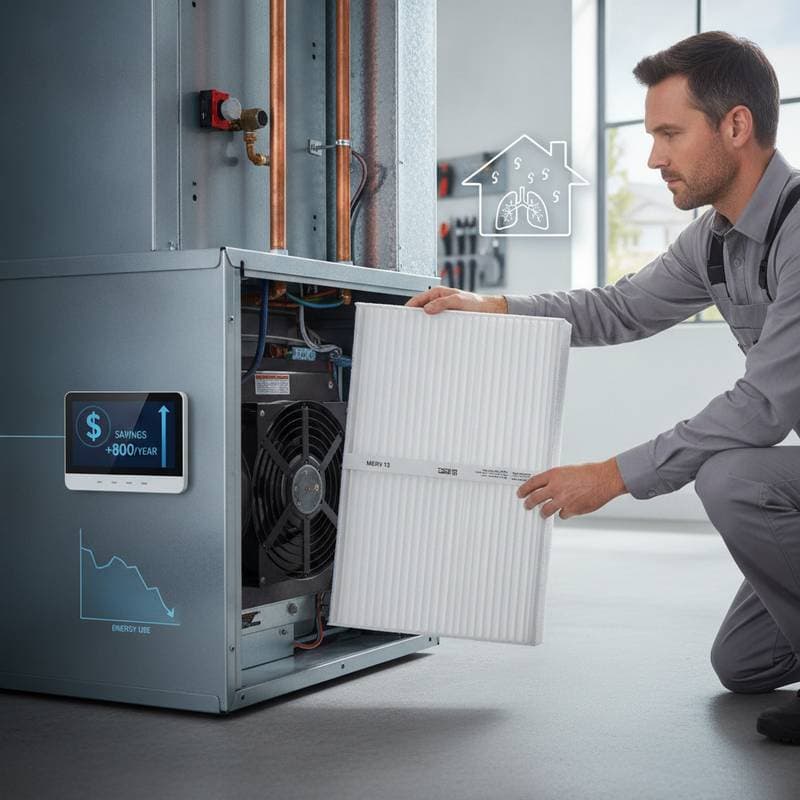
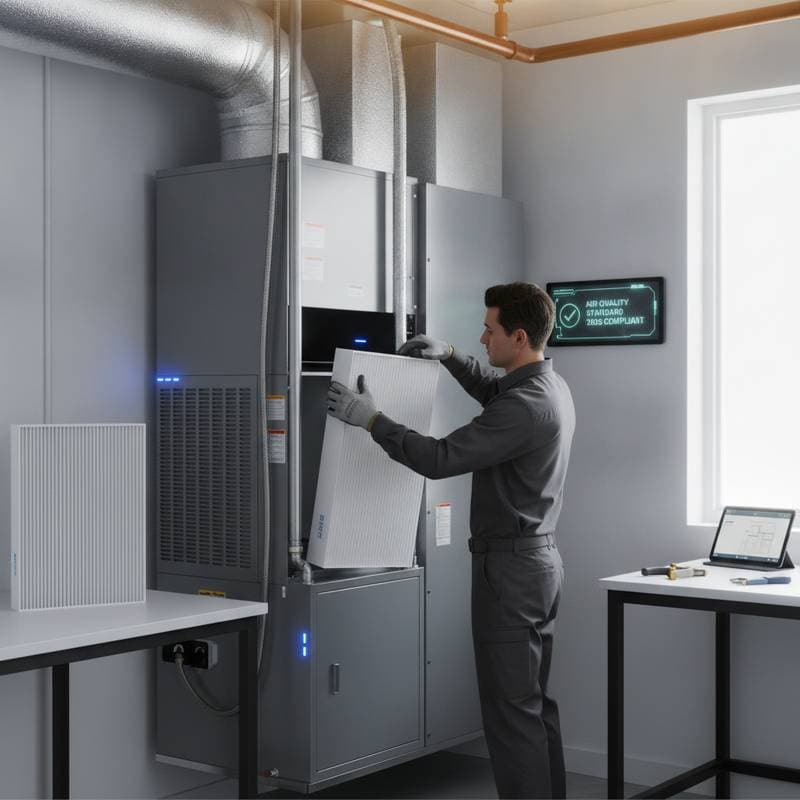
- Access the filter slot, typically located in the return air duct, furnace, or air handler.
- Remove the old filter, observing the airflow arrow's direction, which indicates proper installation orientation.
- Slide in the new filter, aligning the arrow with the system's airflow path.
- Restore power and verify consistent airflow from vents throughout the home.
This process typically takes five minutes and yields immediate improvements in air circulation.
When Professional Assistance Is Necessary
While filter changes are simple, certain situations warrant expert intervention. Technicians possess the tools and knowledge to address complex problems.
Call a professional if you encounter:
- Restricted airflow or reduced cooling/heating output post-replacement.
- Inconsistent room temperatures or unusual sounds from the unit.
- Signs of deeper issues, including dirty evaporator coils, ductwork leaks, or failing blower motors.
Professionals also manage tasks involving electrical components, refrigerants, or fuel lines, which carry risks if mishandled. Schedule annual inspections to complement your DIY efforts.
Benefits of Filter Subscription Services
Busy schedules often lead to overlooked maintenance. Filter subscription services address this by providing timely deliveries tailored to your needs.
Key advantages include:
- Scheduled Deliveries: Filters arrive automatically, aligned with your replacement cycle, eliminating the need for manual tracking.
- Precise Customization: Specify exact dimensions and MERV ratings to match your HVAC setup.
- Enhanced System Reliability: Uninterrupted clean filtration prevents efficiency losses and component wear.
- Cost Savings: Avoid higher utility bills from poor airflow and reduce emergency repair expenses.
- Improved Air Quality: Consistent changes trap more pollutants, benefiting respiratory health.
These services simplify upkeep, ensuring your system operates smoothly with little ongoing effort.
Integrating Filter Care with Broader HVAC Maintenance
Filter replacement forms a foundational element of overall HVAC care, facilitating effective professional servicing. Clean filters enable accurate diagnostics during tune-ups.
Dirty filters distort pressure readings and airflow measurements, masking underlying problems like faulty capacitors, frayed belts, or low refrigerant levels. With a fresh filter, technicians can pinpoint and resolve issues promptly.
Combine monthly DIY changes with biannual professional visits. This approach not only averts 89% of common failures but also extends equipment lifespan by 5 to 10 years, depending on usage.
Frequently Asked Questions
How do I determine the correct HVAC filter size?
Examine the dimensions printed on your current filter's frame, often formatted as 16x25x1. If unavailable, measure the slot's length, width, and depth. Purchase exact matches to achieve a tight seal and full coverage.
Can disposable filters be cleaned and reused?
Disposable varieties, such as fiberglass or pleated types, are not intended for washing. Cleaning compromises their structure and filtration capacity. Reserve cleaning for reusable electrostatic models only.
What are the consequences of neglecting filter replacement?
A blocked filter impedes airflow, forcing the system to overwork and consume excess energy. Over time, this leads to overheating, coil freezing, and potential compressor failure, resulting in costly downtime.
Does a higher MERV rating always enhance air quality?
Higher ratings capture finer particles, improving purification. However, excessive restriction can strain older systems. Review your manual or consult a technician to confirm compatibility before selecting advanced filters.
Are filter subscriptions a worthwhile investment?
For many, subscriptions prove valuable by automating the process and ensuring compliance. They minimize forgetfulness, stabilize performance, and yield long-term savings on energy and repairs.
Strategies for Extending HVAC System Life
Investing in your HVAC system's longevity pays dividends in comfort and savings. Regular filter maintenance reduces operational stress on all components.
Motors experience less strain, evaporator and condenser coils remain free of debris, and consistent airflow preserves efficiency. Integrate filter care with habits like sealing drafts and clearing outdoor units.
Professional tune-ups complement these efforts by recalibrating controls and lubricating parts. Together, they minimize wear, ensuring reliable operation through seasons of heavy demand.
Implementing Effective Filter Maintenance
Begin by assessing your current filter type and establishing a calendar reminder for inspections. For reliability, opt for a subscription service that matches your schedule.
Each replacement safeguards against inefficiency and breakdowns, while promoting cleaner air and lower bills. Embrace this routine to sustain optimal home comfort without interruptions.