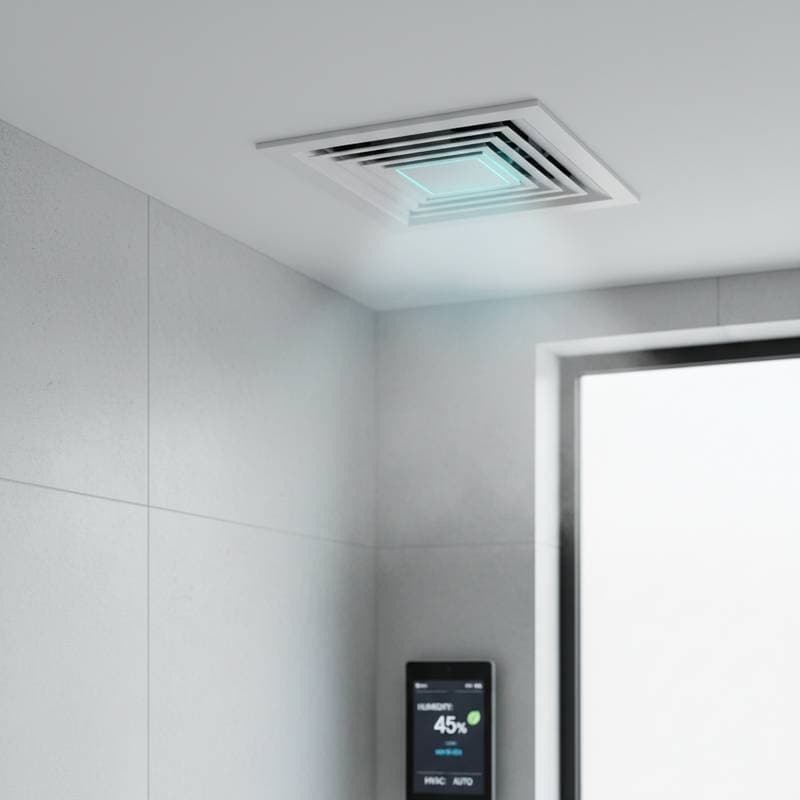
How Smart Humidity Vents Protect Against Mold and Lawsuits in 2026
Homeowners recognize the impact of humidity control on health, comfort, and legal responsibilities. Smart home technologies, including smart humidity-sensing vents, serve as essential tools to combat mold and related indoor air quality issues. These vents cost $120 to $350 per unit, varying by brand, features, and installation needs. This article details their operation, pricing, influencing factors, and benefits for property protection and tranquility.
What Are Smart Humidity Vents?
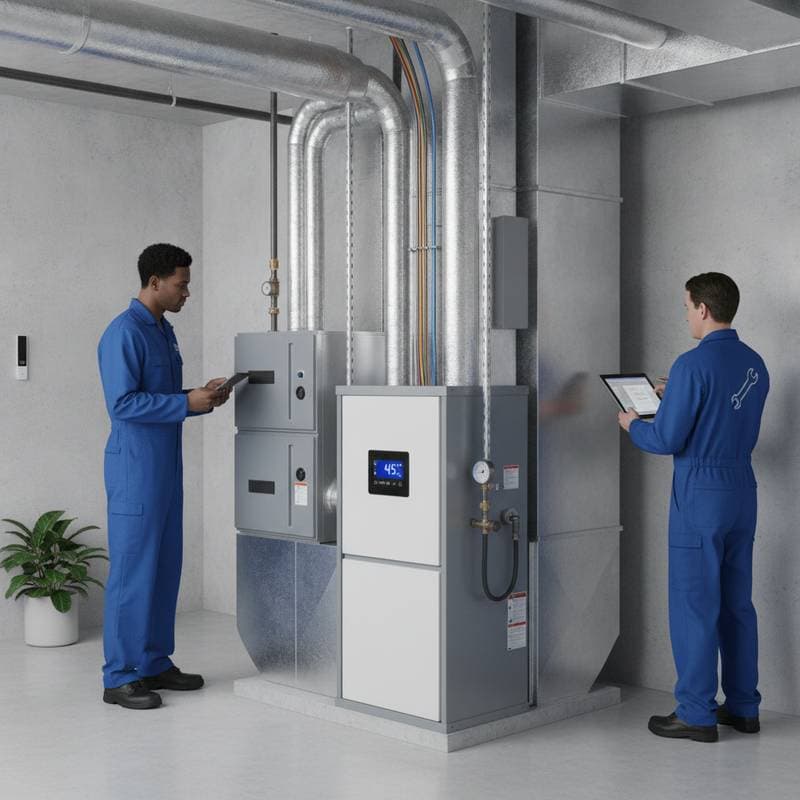
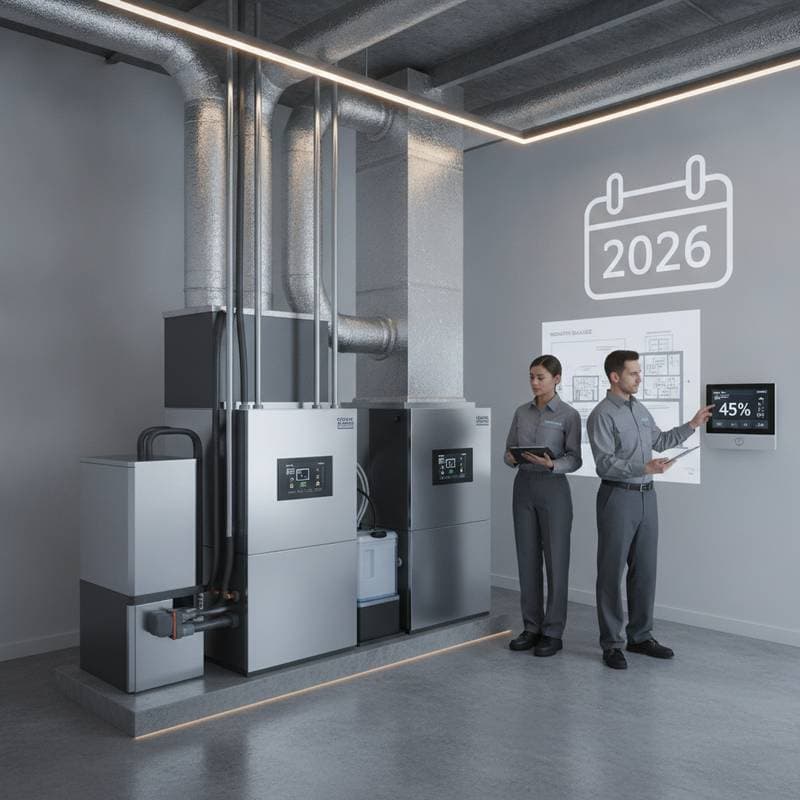
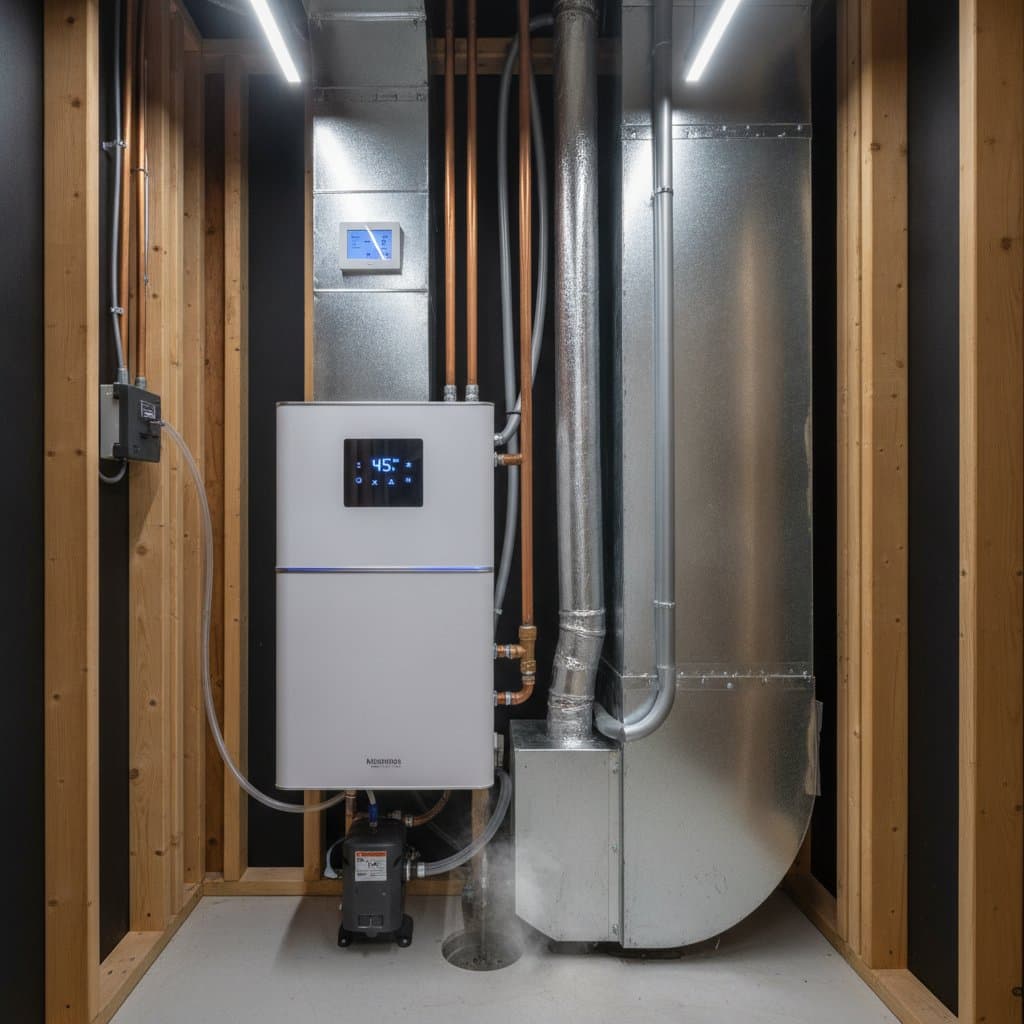
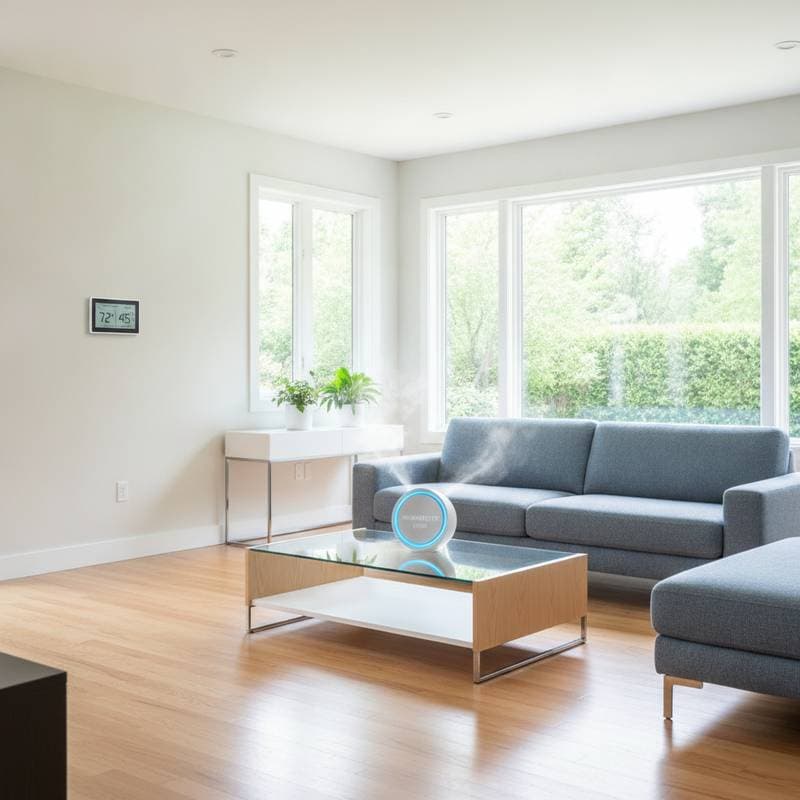
Smart humidity vents represent advanced ventilation solutions that modify airflow according to current humidity readings. Integrated sensors monitor air moisture, prompting the vent to open or close to sustain optimal conditions. In high-moisture zones such as bathrooms, kitchens, or basements, the vent boosts airflow to expel excess dampness and avert mold formation.
This approach maintains even humidity across the residence, eliminates manual interventions, and averts moisture-induced deterioration.
Pricing Overview for Smart Humidity Vents
Installation costs for smart humidity vents hinge on system type, manufacturer, and setup demands. The table outlines common price ranges for various models.
| Type | Average Cost (per unit) | Details |
|---|---|---|
| Basic Humidity-Sensing Vent | $120 – $180 | Basic units with humidity sensors and variable fan speeds |
| Wi-Fi Enabled Vent | $180 – $250 | App-controlled options that link to smart home ecosystems |
| Fully Integrated Smart Vent System | $250 – $350 | Connected setups that interface with central HVAC for full automation |
| Professional Installation | $100 – $200 per vent | Covers wiring, calibration, and airflow optimization |
Upgrading a full home ventilation system with these vents typically ranges from $800 to $2,500, based on vent quantity and HVAC complexity.
Costs by Room or Area
Homes face distinct humidity issues in different spaces. Targeted vent placement enhances effectiveness and mold mitigation.
| Room or Area | Recommended Vent Type | Estimated Cost per Vent |
|---|---|---|
| Bathroom | Humidity-sensing vent with timer | $150 – $250 |
| Kitchen | Smart vent with high airflow | $180 – $300 |
| Basement | Fully integrated vent with sensors | $250 – $350 |
| Laundry Room | Mid-range smart vent | $150 – $220 |
Prioritize bathrooms and basements, primary mold hotspots, for vent installations.
Factors Affecting Smart Humidity Vent Costs
Multiple elements determine the expense of smart humidity vent installations. Awareness of these aids precise budgeting and suitable selections.
Vent Type
Basic sensor models provide essential functions at lower prices. Advanced integrated vents, compatible with automation platforms, command higher fees for superior control and performance.
Current Ventilation Setup
Modern HVAC systems simplify and reduce installation expenses. In older structures, updates to electrical or ductwork elevate labor charges.
Installation Labor
Regional rates and specialist skills vary labor costs. Professional setup per vent falls between $100 and $200, encompassing calibration and configuration.
Integration Needs
Linking to systems like Google Home or Amazon Alexa enhances usability but may raise setup expenses through software adjustments or extra components.
Advanced Capabilities
Features such as live humidity tracking, energy analytics, and AI-driven airflow adjustments increase prices yet yield efficiency gains and savings.
Vent Quantity
Bulk installations lower per-unit labor. Contractors often provide discounts for comprehensive home upgrades.
Brand and Coverage
Reputable brands with robust warranties cost more initially but ensure durability. Select units with at least three-year protections.
Mold Prevention and Legal Safeguards
Humidity management stands as a primary mold deterrent. Mold flourishes when levels exceed 60 percent over prolonged times. Smart vents respond by enhancing airflow upon detecting rises, curbing growth.
In rentals or multi-family dwellings, mold prompts disputes and health claims against property owners. Proactive vent installations signal diligent upkeep, mitigating liability risks.
Certain insurers view smart ventilation as a hazard reducer, potentially lowering premiums or easing damage claim processes.
Energy Benefits and Savings
Beyond mold control, smart humidity vents curb energy loss. Conventional vents operate nonstop, consuming excess power. These intelligent units activate selectively, cutting ventilation energy use by 10 to 30 percent annually.
Paired with central HVAC, they even out airflow, eliminating temperature inconsistencies and easing system loads for prolonged equipment life.
Key Energy Features
- Automatic deactivation at ideal humidity
- Adjustable fan speeds for precise control
- Remote app management
- Usage analytics for optimization
Such attributes promote sustainability and financial returns.
Step-by-Step Installation Guide
Per-vent installation spans one to three hours, contingent on system intricacy. The process includes:
- Site Evaluation: Technicians assess existing ventilation and ideal positions.
- Power Setup: Verify or upgrade electrical links for compatibility.
- Unit Fitting: Secure the vent within ducts or openings.
- Sensor Tuning: Calibrate for precise moisture detection.
- Network Linking: Connect to smart controls if applicable.
- Performance Check: Confirm airflow and sensor functions.
DIY suits simple replacements, but experts guarantee peak operation and warranty validity.
Ongoing Maintenance Tips
These vents demand little upkeep. Follow these practices:
- Wipe vent covers quarterly to clear dust.
- Verify sensor precision via humidity logs.
- Examine wiring annually for integrity.
- Refresh firmware for connected models.
Routine care sustains detection accuracy and longevity.
Frequently Asked Questions
How do smart humidity vents sense moisture?
Built-in sensors gauge relative humidity. Exceeding thresholds triggers airflow boosts to clear moist air; normalization prompts reduction for efficiency.
Do they require Wi-Fi?
Many function standalone. Wi-Fi enables app oversight and home system ties.
What is their lifespan?
Units endure 8 to 12 years with cleaning and recalibration. Quality choices with warranties maximize reliability.
Can they alleviate allergies?
Yes, by curbing humidity, they limit mold, mites, and allergens in moist areas.
Are they suitable for old HVAC?
Generally, yes, though adaptations or electrical tweaks may apply. Consult technicians for assessments.
What humidity range avoids mold?
Maintain 30 to 50 percent indoors. Vents automate this balance.
Do they enhance property value?
Yes, appealing to buyers seeking smart, healthful features for better marketability.
Securing Quotes for Smart Humidity Vents
Obtain estimates from certified HVAC professionals to clarify costs and options suited to your residence.
Essential Contractor Questions
- Which vent brands do you suggest?
- How will they mesh with my HVAC?
- What covers the installation fee?
- Do warranties apply to work and parts?
- How long does setup last?
- Can they link to my smart home?
- What maintenance frequency is needed?
- What humidity levels do sensors target?
- Is remote access possible?
- Are rebates offered for upgrades?
These inquiries guide optimal choices.
Sustaining Your Smart Ventilation System
Smart humidity vents foster healthier air, curb mold, and shield structures while promoting ease. They trim energy expenses and bolster HVAC durability.
Through regular cleaning, sensor verifications, and expert servicing, performance remains strong. For single homes or rentals, these upgrades build secure, enduring spaces.
Intelligent moisture oversight proves essential, averting mold's toll on finances and well-being. Advance with these vents to secure your home's future.