Seven DIY Checks to Prepare Your HVAC for Peak Spring Use
Warmer weather signals a shift in your HVAC system's role from heating to cooling. Following months of winter operation, targeted maintenance enhances performance and energy efficiency. This preparation prevents sudden failures, reduces energy expenses, and maintains home comfort as temperatures climb. The following seven DIY checks equip you to ready your system before seasonal demands intensify.
The Importance of Spring HVAC Maintenance
Spring marks a key transition for your HVAC system, introducing its primary workload adjustment of the year. Dust, pollen, and rising humidity affect operational efficiency. A maintained system operates with greater smoothness, consumes less energy, and circulates cleaner air. These checks identify minor problems early, avoiding escalation into major repairs.
Routine upkeep prolongs equipment life. Basic cleaning and inspection reduce stress on critical parts, sustaining peak performance. The focus remains on achieving comfort, efficiency, and dependability through these practical tasks.
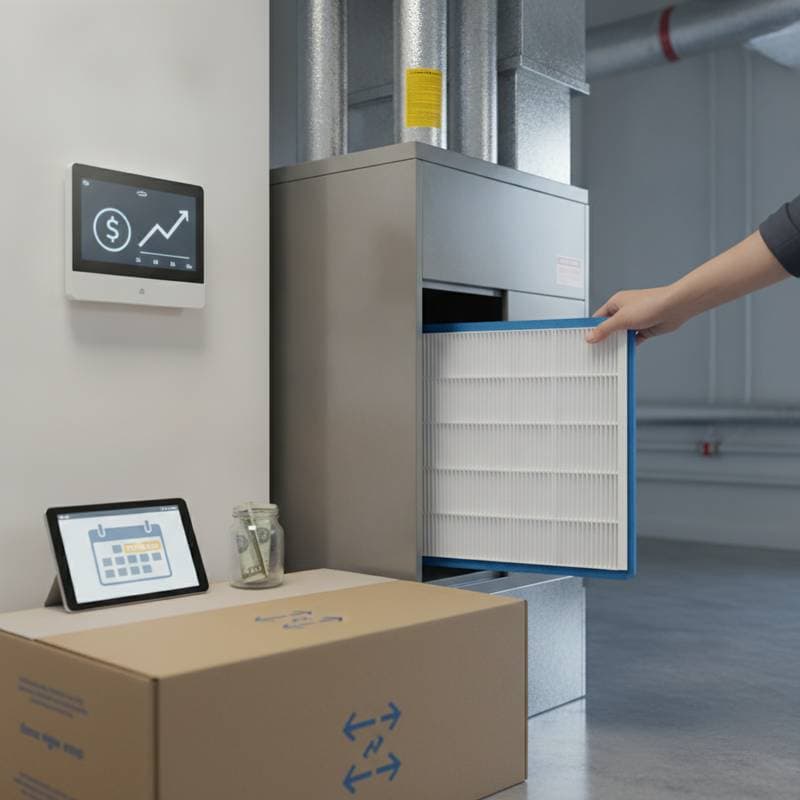
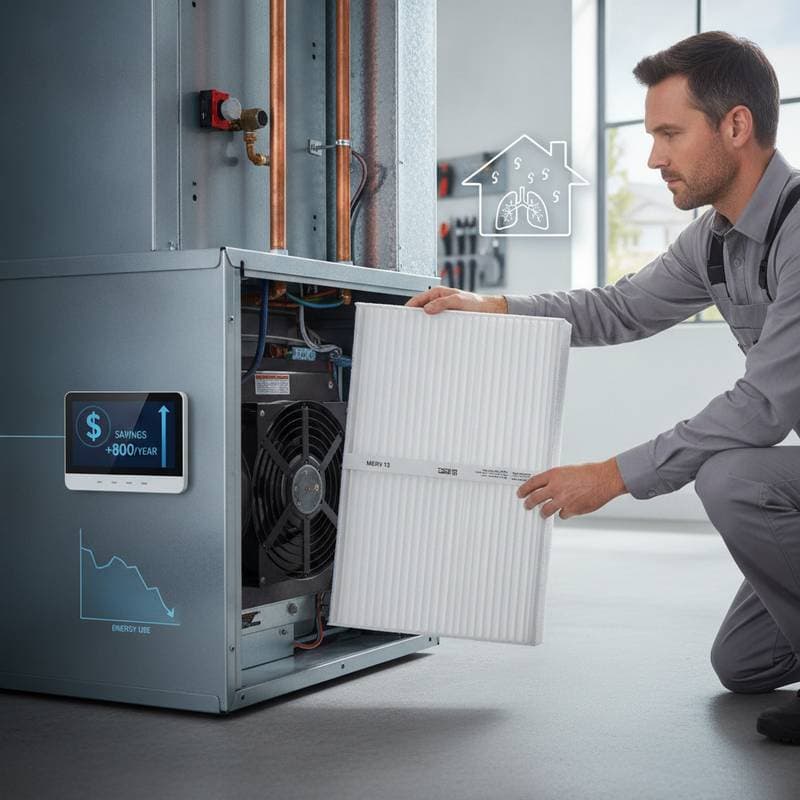
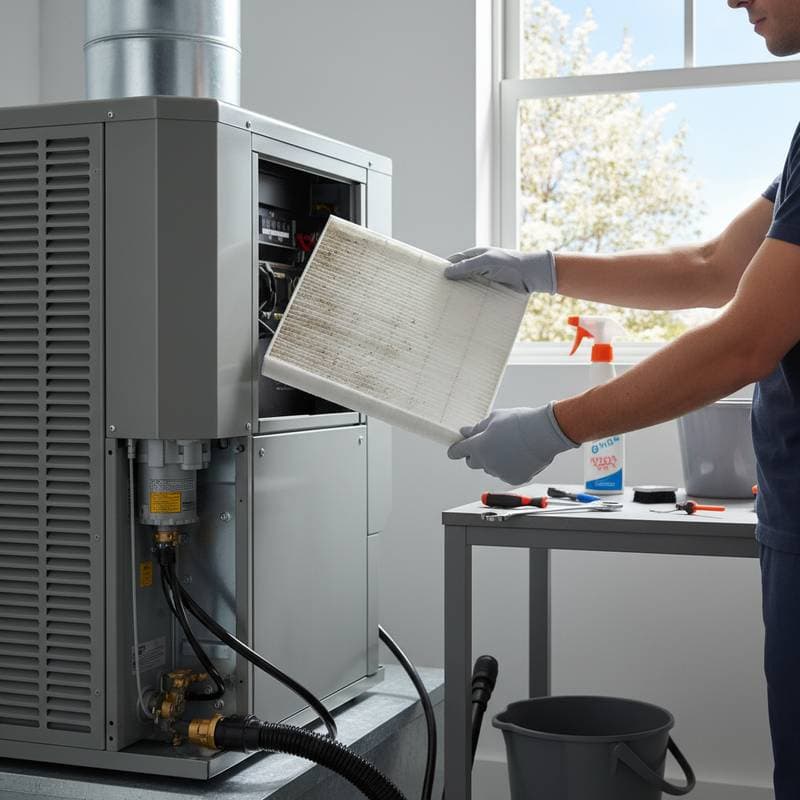
1. Replace or Clean Air Filters
Air filters serve as the primary barrier against dust and debris. Winter accumulation clogs filters, impeding airflow and compelling the system to labor excessively. This raises energy consumption and diminishes air quality.
Examine filters each month. Swap out disposable types or wash reusable ones thoroughly. Select filters with a MERV rating of 8 to 13 for superior capture, ensuring compatibility with your system's airflow requirements.
Clean filters promote unrestricted operation and uniform air distribution. Persistent temperature inconsistencies in specific rooms often stem from clogged filters.
2. Clear Debris from the Outdoor Unit
The outdoor condenser endures winter exposure to leaves, branches, and soil. Such obstructions hinder airflow and compromise efficiency. Dedicate time to clear the vicinity before activating cooling.
Extract leaves, twigs, and clippings surrounding the unit. Prune adjacent vegetation to maintain a minimum two-foot clearance. Rinse the fin surfaces lightly with a garden hose to dislodge surface grime.
Steer clear of high-pressure water, which risks deforming fins. A clean outdoor unit facilitates effective heat dissipation and eases compressor workload.
3. Inspect and Clean Air Vents and Registers
Obstructed vents compel the system to exert extra effort for temperature uniformity. Inspect all vents and registers throughout your residence.
Ensure no furniture, drapes, or carpets block access. Detach covers and vacuum accumulated dust. Clean surfaces with a moist cloth to inhibit future residue.
Even airflow distribution heightens comfort and minimizes energy loss. Temperature discrepancies in individual rooms frequently resolve through this inspection.
4. Verify Thermostat Settings
The thermostat dictates HVAC activation and operation. Seasonal transitions necessitate setting adjustments. For programmable or smart models, review and update schedules during spring.
Establish cooling timetables aligned with daily patterns. Substitute batteries in units that require them. Confirm display functionality and temperature precision.
Unresponsive thermostats or inaccurate readings may indicate recalibration needs. Professional assistance verifies integration with the HVAC system.
5. Examine Ductwork for Leaks or Dust
Ductwork leaks squander substantial conditioned air. Indicators include inconsistent temperatures, elevated bills, or audible whistles during operation. Conduct a preliminary visual assessment.
Identify loose joints or evident gaps at connections. Detect escaping air by touch along reachable sections. Apply HVAC-specific foil tape to minor breaches; avoid ordinary duct tape.
Suspected extensive leaks or excessive vent dust warrant expert evaluation. Sealed ducts elevate efficiency and air purity.
6. Test System Operation Ahead of Peak Heat
Initiate a trial run before daily cooling reliance begins. This detects anomalies promptly, sidestepping urgent fixes amid heat waves.
Adjust the thermostat several degrees below ambient and observe startup. Verify cool air emission from all vents. Externally, ensure the condenser fan rotates without hindrance.
Unfamiliar sounds, burnt smells, or subdued airflow necessitate immediate shutdown and professional intervention. Proactive testing allows timely resolutions before high demand.
7. Clean the Condensate Drain Line
The condensate drain expels moisture generated during cooling. Algae and debris accumulation leads to clogs, resulting in leaks or odors. Annual cleaning mitigates these risks.
Identify the line adjacent to the indoor evaporator coil. Flush with a solution of one part vinegar to ten parts water to dissolve deposits. Confirm unobstructed drainage to exterior or designated outlet.
This brief procedure prevents interior water damage and preserves system integrity.
Balancing DIY Efforts with Professional Service
DIY maintenance proves effective for foundational care, yet complex procedures demand expertise and equipment. Refrain from handling refrigerants, electrical elements, or internal mechanisms without certification. Professionals execute pressure tests, thorough coil sanitation, and wiring assessments safely.
Manage these independently:
- Filter replacement
- Vent and outdoor unit cleaning
- Thermostat adjustments
- Basic duct leak detection
Engage experts for:
- Yearly comprehensive tune-ups
- Refrigerant evaluation and replenishment
- Electrical diagnostics
- In-depth coil maintenance and efficiency analysis
Integrating personal checks with scheduled professional visits guarantees safe, efficient year-round performance.
Common Questions on HVAC Preparation
How frequently should HVAC filters change?
Replace most filters every one to three months, based on household activity and air quality factors. Residences with pets or allergy sufferers benefit from monthly inspections.
Is hosing the outdoor unit safe?
Gently rinse exterior coils using a standard garden hose. Refrain from high pressure and direct sprays toward the fan or electrical areas.
Sustain Optimal Performance Into Summer
These checks position your HVAC for reliable spring operation. Regular attention yields lasting benefits in comfort and cost savings. Schedule professional support as needed to complement your efforts.