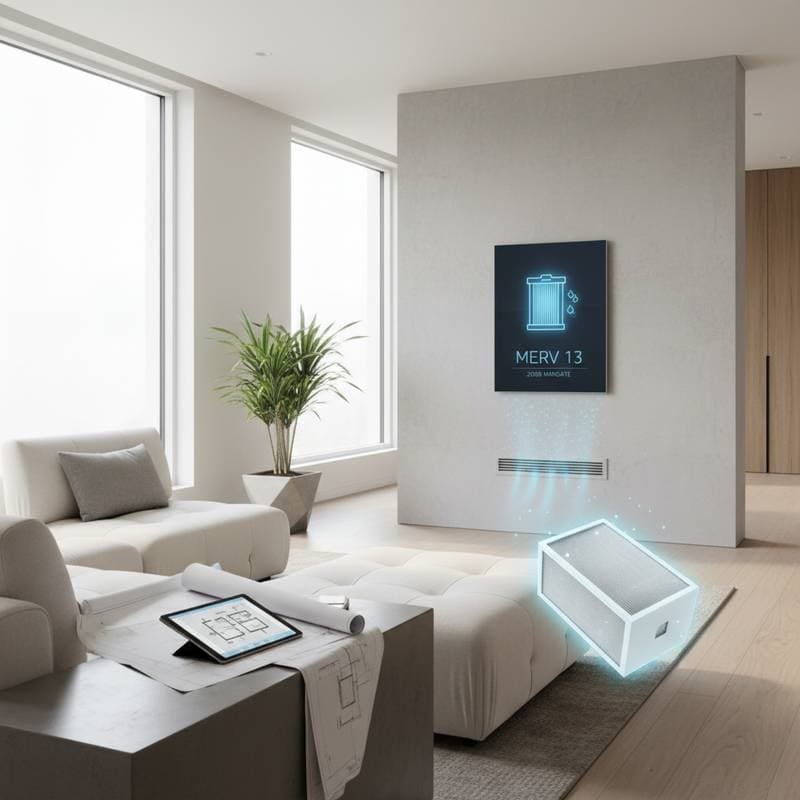
The 2026 MERV 13 filter mandate requires HVAC upgrades in most homes to capture finer pollutants for superior air quality. Explore costs from $20 to $12,000, system impacts, and preparation tips to comply smoothly while enhancing health and savings.
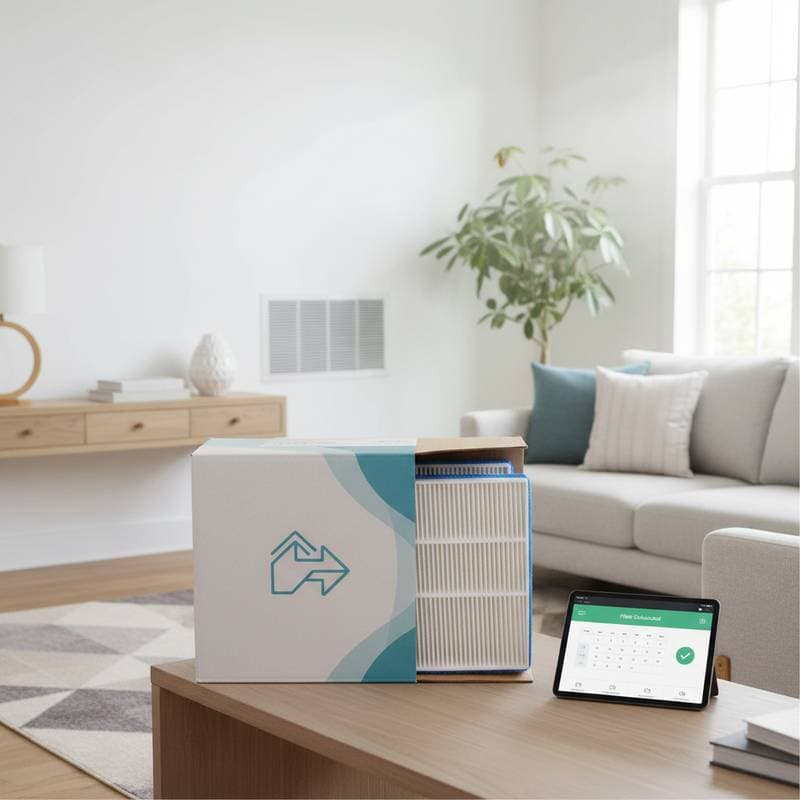
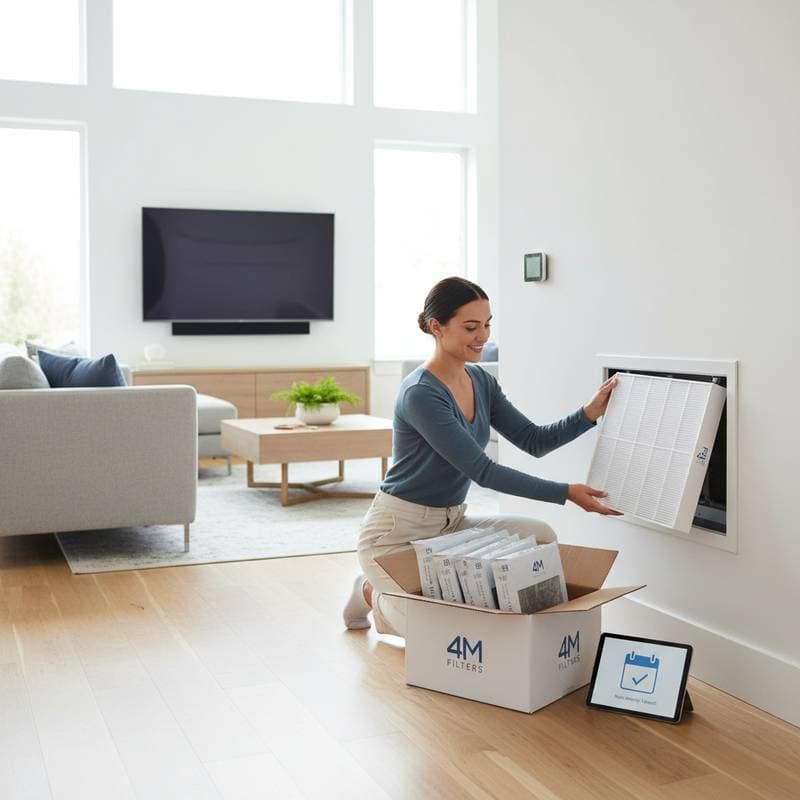
More than four million homeowners depend on automated filter delivery services to streamline HVAC upkeep. These plans deliver replacements on schedule, promoting cleaner air, lower energy use, and prolonged system durability. Explore the practical advantages of filter subscriptions that remove maintenance uncertainties and sustain optimal home comfort throughout the year.
Cutting-edge whole-home dehumidifiers reduce airborne allergens by up to 58%, curb mold and dust mites, and integrate effortlessly with HVAC for optimal comfort, efficiency, and health benefits. This overview covers installation, costs, features, and why this technology merits consideration for modern homes.
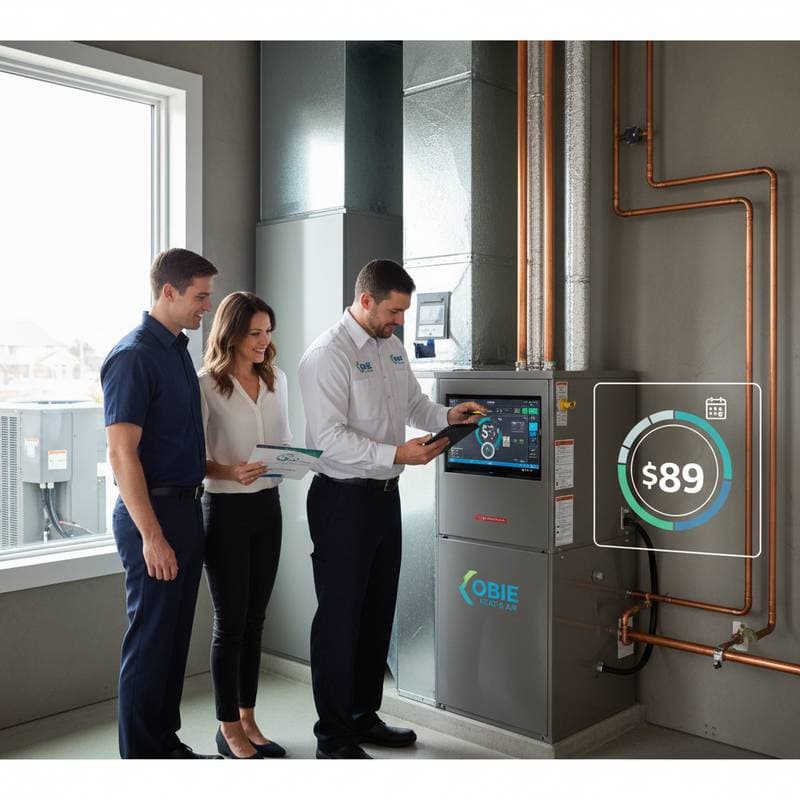
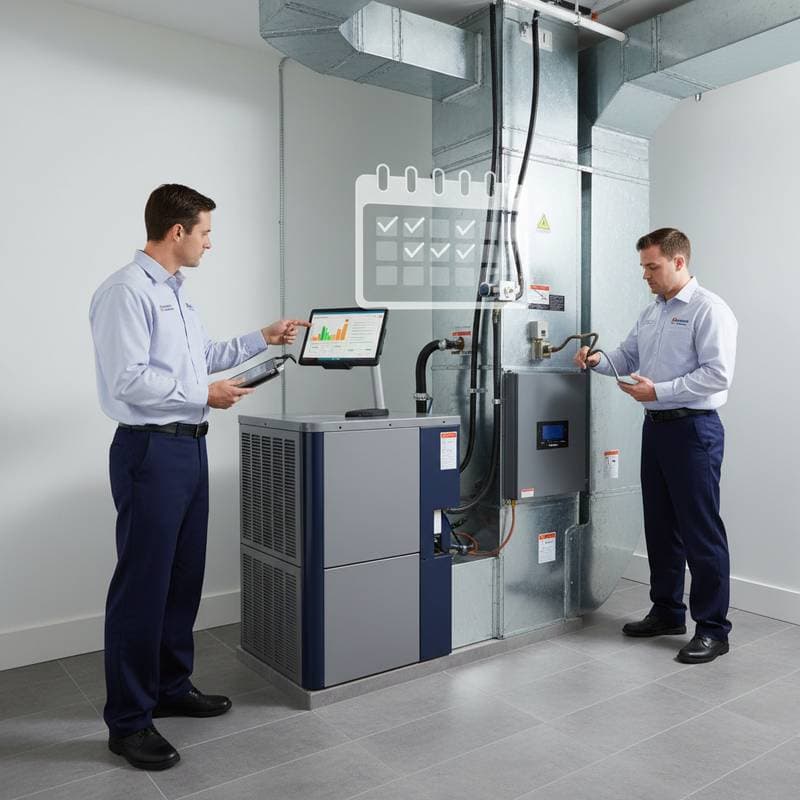
Unexpected HVAC repairs drain budgets and disrupt comfort. Obie Heat and Air’s $89 all-inclusive monthly plan provides regular maintenance, priority service, and repair coverage for predictable expenses. Experience enhanced efficiency, longer system life, and substantial savings on energy and upkeep.
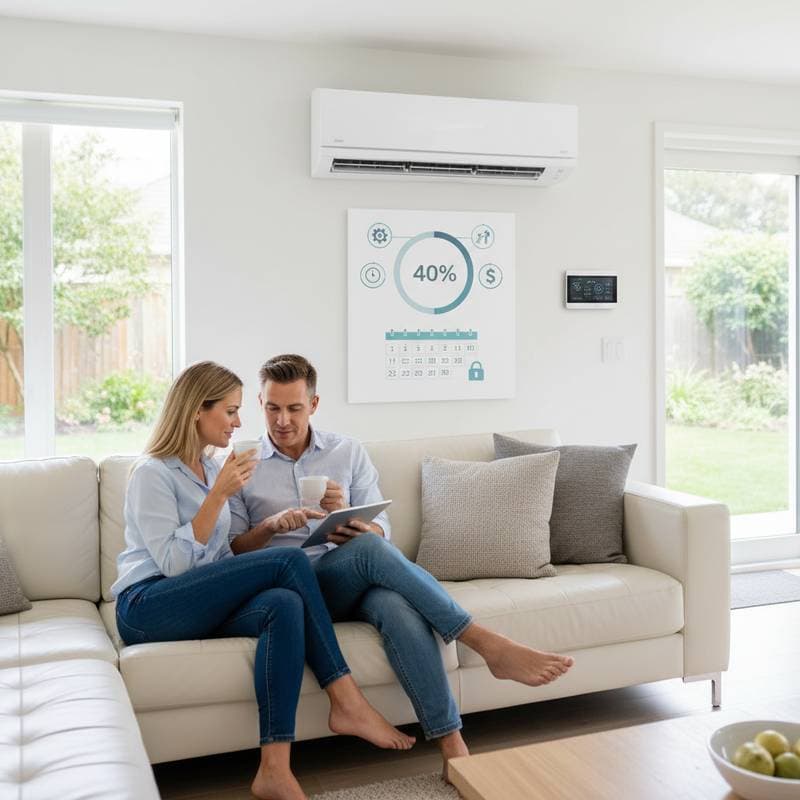
Approximately 40% of homeowners embrace monthly HVAC subscriptions for steady expenses, dependable operation, and longer-lasting systems. These programs integrate tune-ups, fast service, and repair savings into a single payment, averting expensive failures and boosting energy savings. Learn how this forward-thinking strategy transforms home climate control.
Modern heat pumps reduce energy bills by up to $500 each year and offer four times the efficiency of conventional systems. This overview covers installation expenses, available types, and maintenance approaches to enhance comfort, cut costs, and promote eco-friendly living in your home.
About 40% of homeowners prefer monthly HVAC maintenance plans for steady expenses, reduced failures, and extended equipment longevity. Priced at $15 to $45 monthly, these plans feature seasonal checkups, discounts, and priority support, slashing repair and energy costs while maintaining year-round comfort. Discover the financial advantages.
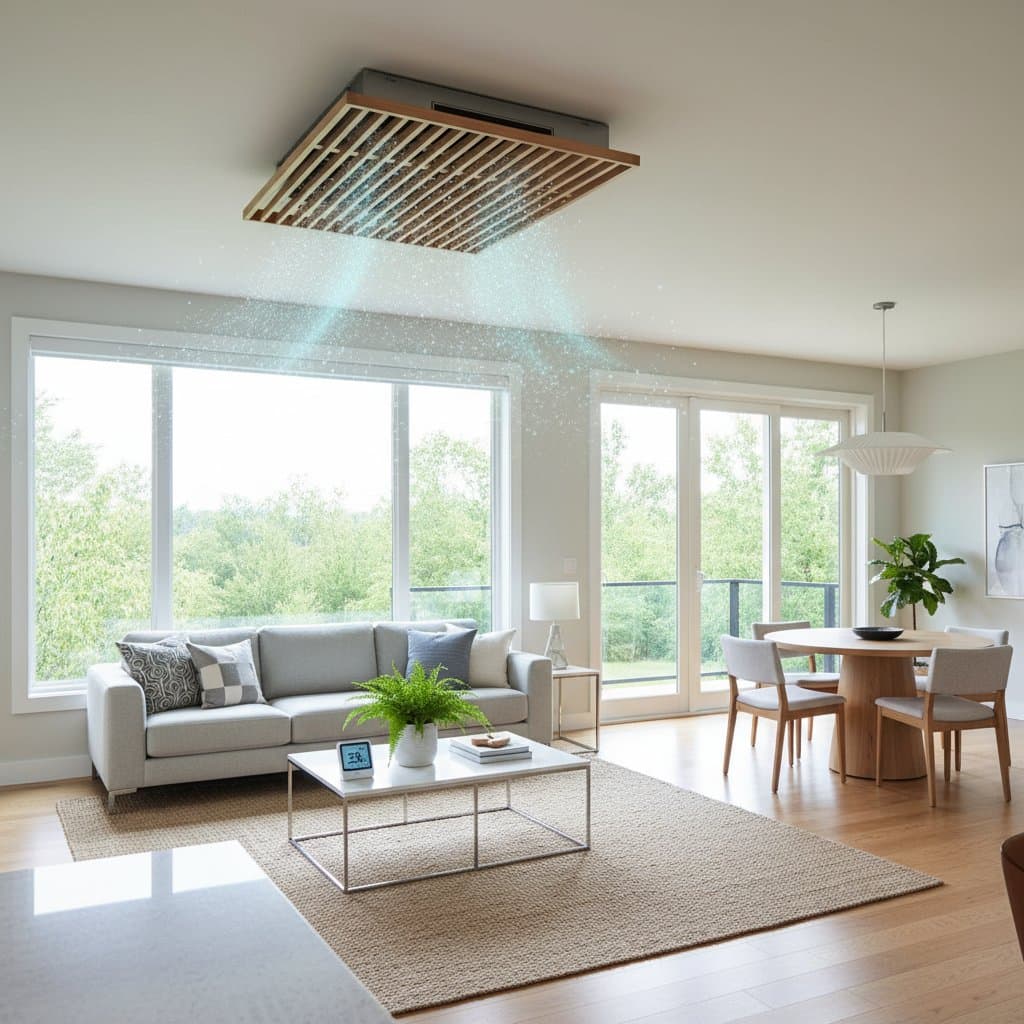
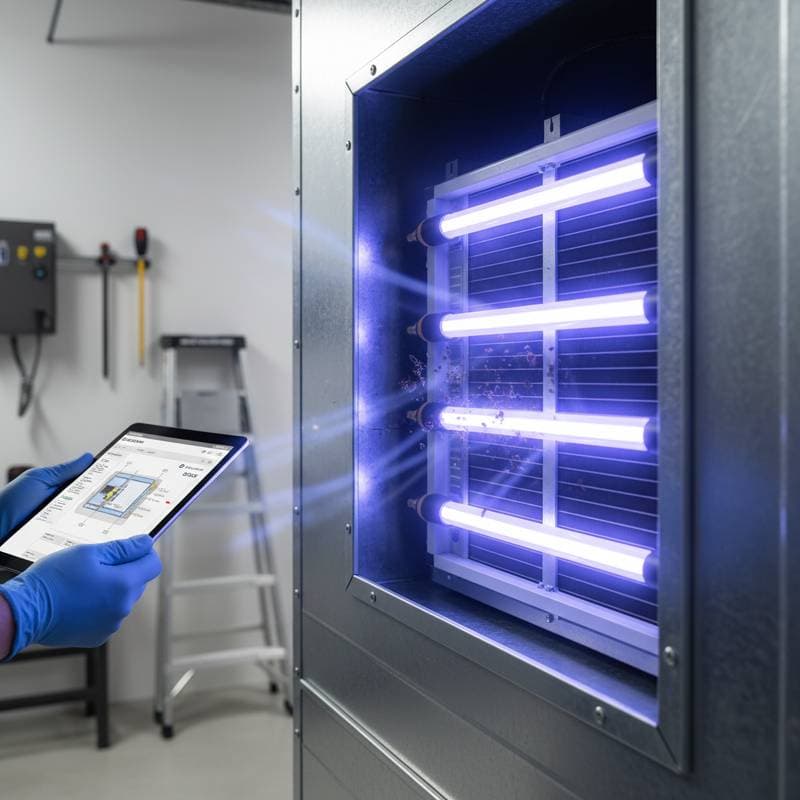
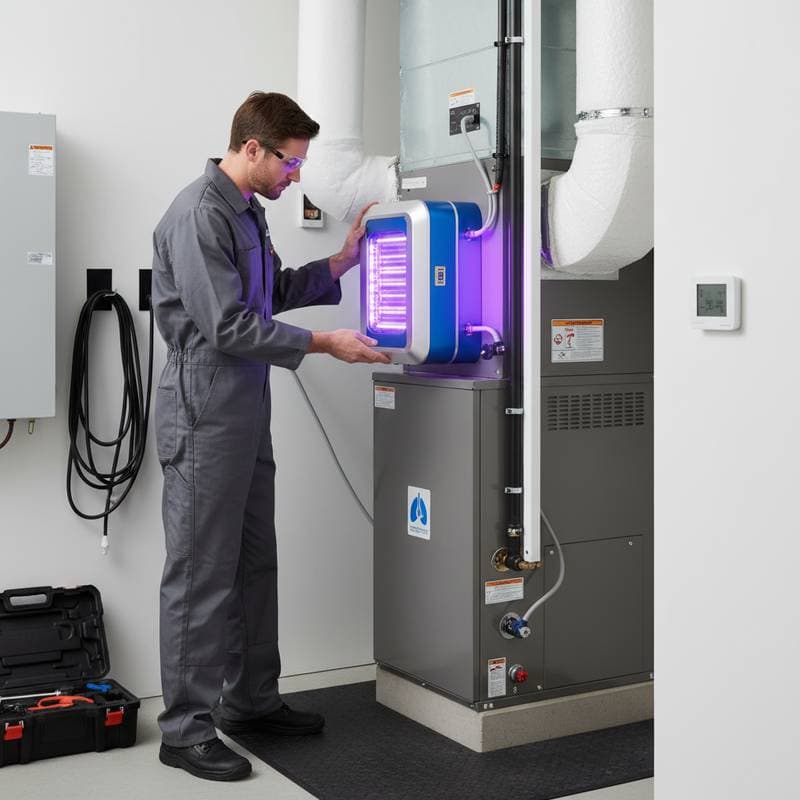
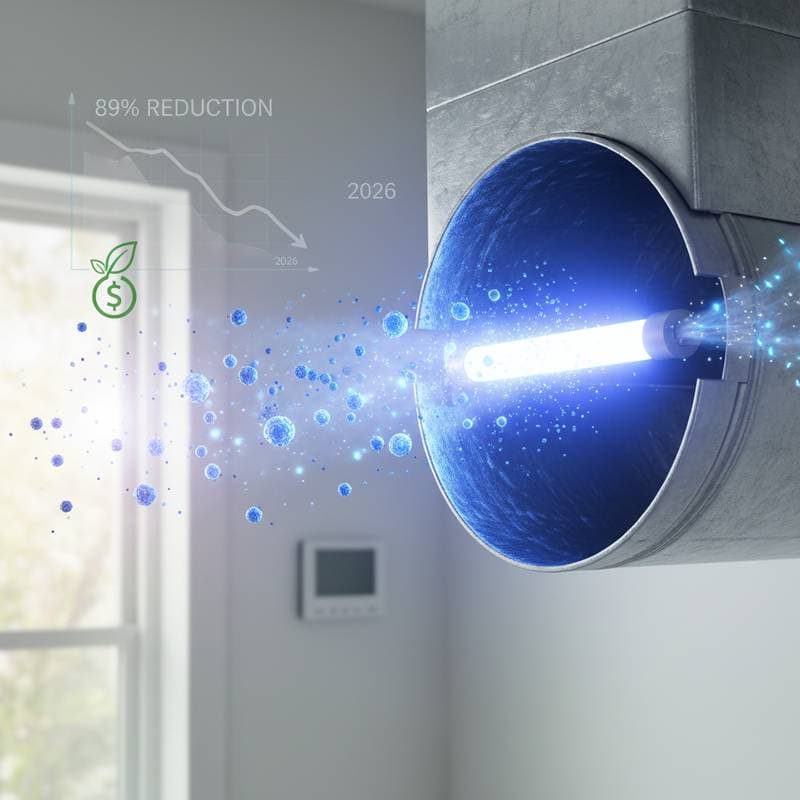
UV-C light upgrades for HVAC eliminate up to 89% of mold and bacteria, purifying air and safeguarding your system. Discover the technology, installation details, costs, and best options for superior indoor air, efficiency, and family health in 2026 onward.
From 2026, eight states mandate 55 dB limits for HVAC outdoor units, equivalent to moderate conversation volume. Prepare for efficient, low-noise systems that ensure comfort, meet standards, and boost property appeal.
Reduce cooling expenses by up to 40 percent through thermal energy storage. This innovative approach freezes water overnight for daytime use, cutting peak energy demands, prolonging HVAC lifespan, and supporting eco-friendly practices while maintaining optimal home temperatures.
UV-C HVAC systems neutralize up to 99% of airborne viruses, bacteria, and mold, delivering cleaner indoor air without ozone. Installation costs range from $450 to $1,200, influenced by system size and features. This guide covers technology basics, pricing details, and professional installation advice for optimal health and efficiency benefits.
The $89 per month UV-C air purification subscription revolutionizes home air quality by offering advanced technology without initial expenses. Seamlessly integrated into HVAC systems, UV-C light eliminates pathogens, boosts efficiency, and provides ongoing maintenance for sustained protection and cost predictability.
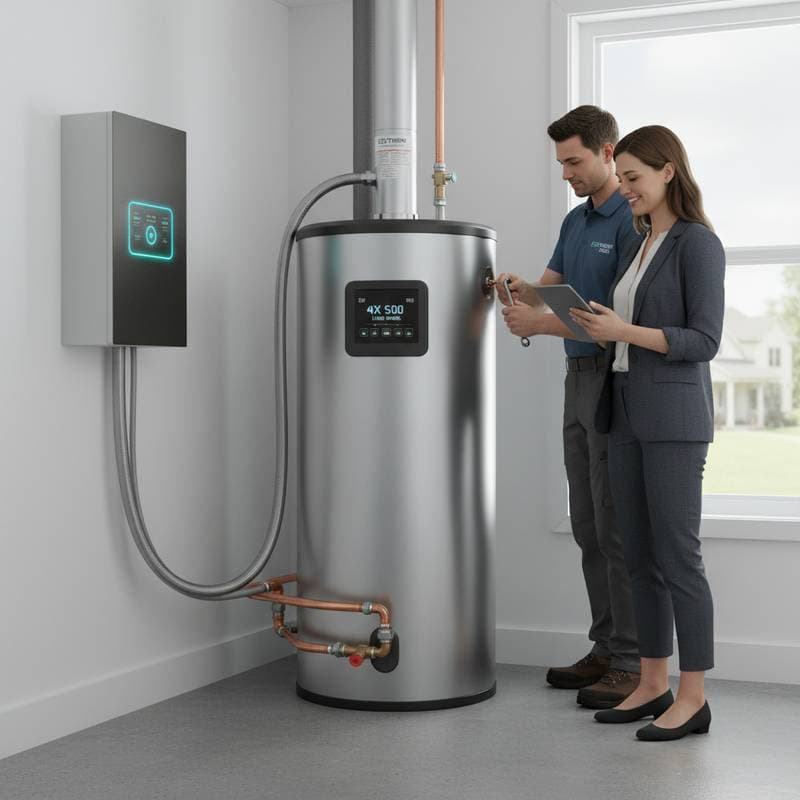
Grid-interactive water heaters lower peak electricity expenses by up to 55 percent and provide dependable hot water. These devices serve as thermal batteries, relocating energy use to off-peak periods, easing grid load, and qualifying for homeowner rebates. Discover how this seamless upgrade promotes savings, efficiency, and eco-friendliness in homes.
Explore how MERV 16 filters revolutionize home air quality with hospital-grade filtration and a two-year lifespan. Understand their advantages over standard filters, including cost reductions and enhanced HVAC performance. Review pricing, installation tips, and factors to determine if this upgrade suits your needs.
Dual-fuel hybrid HVAC systems reduce energy expenses by up to 52 percent via intelligent shifts between electric and gas heating. This guide covers setup costs, performance factors, configurations, and strategies for achieving optimal savings and reliability in home climate control.
Learn how UV-C air purification reduces indoor allergens by up to 89% by 2026. This technology neutralizes mold, bacteria, and dander, works with HVAC systems, improves efficiency, and supports better health and comfort.
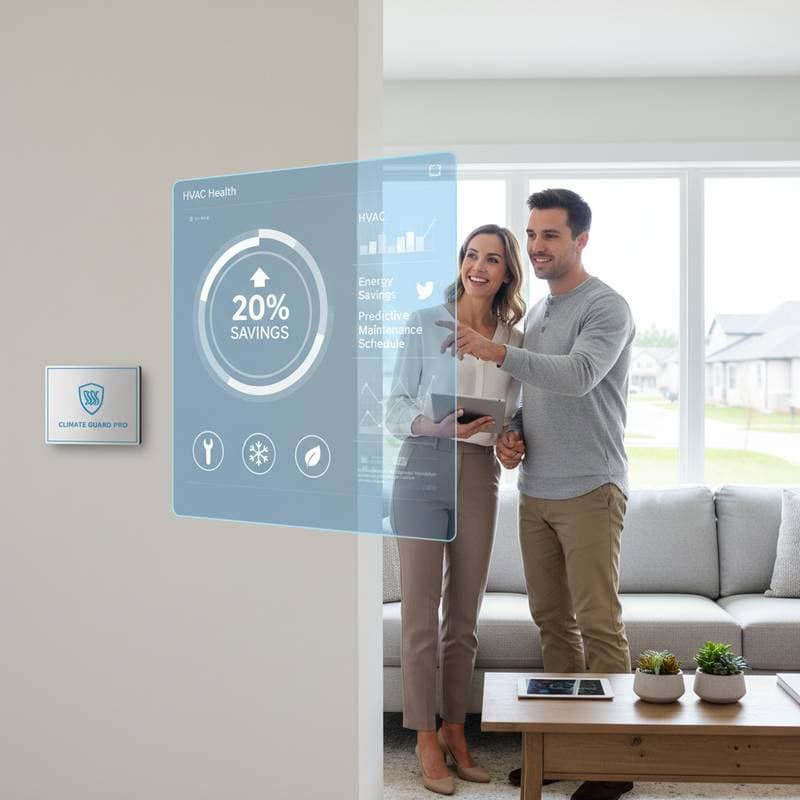
Homeowners increasingly adopt monthly HVAC plans for steady expenses, minimized repair disruptions, and consistent comfort. These subscription services merge preventive upkeep, intelligent diagnostics, and expedited support to prolong equipment lifespan and optimize performance. Discover the adaptable pricing, technological integrations, and practical advantages positioning monthly HVAC plans as the intelligent selection for 2026 residences.
Unexpected HVAC failures disrupt comfort and inflate expenses. Monthly maintenance plans deliver regular inspections, priority support, and preventive measures for a fixed fee, extending system longevity, boosting efficiency, and providing reliable home climate control without sudden bills.
More than four million homeowners depend on air filter subscription services for superior indoor air quality, reduced energy expenses, and streamlined maintenance. These plans provide scheduled deliveries, helpful reminders, and straightforward installation to safeguard HVAC systems, decrease costs, and ease household responsibilities, positioning them as a leading choice for modern home upgrades.