Indoor Air Quality

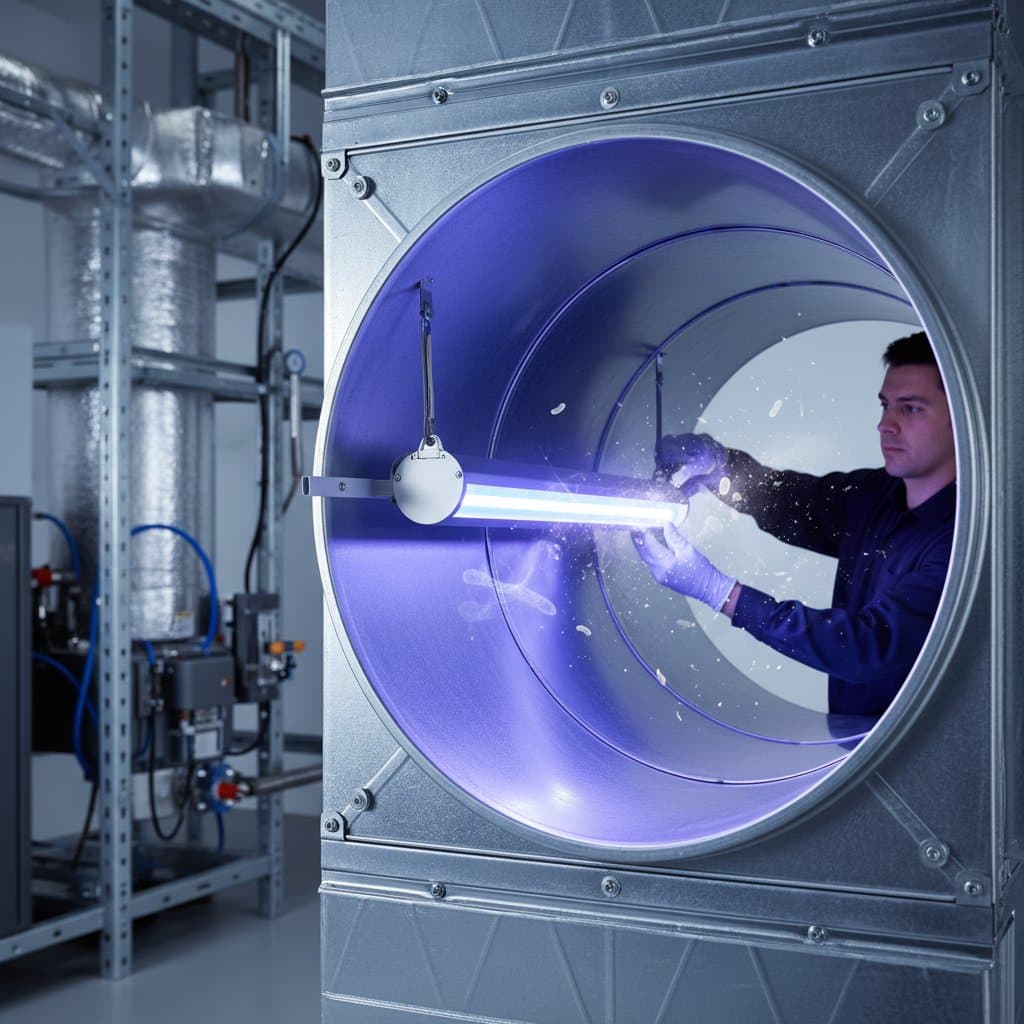
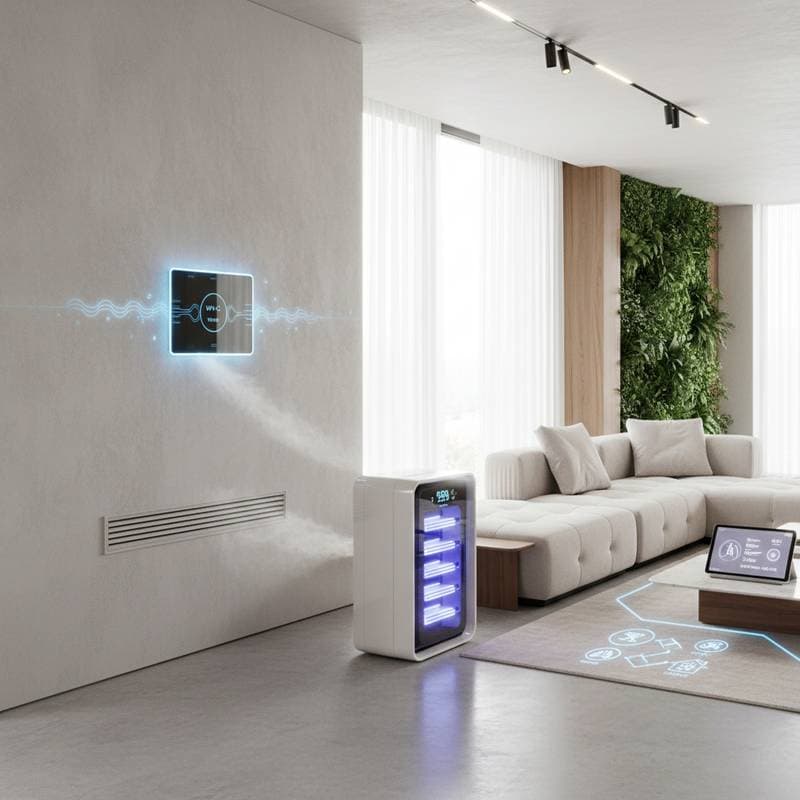
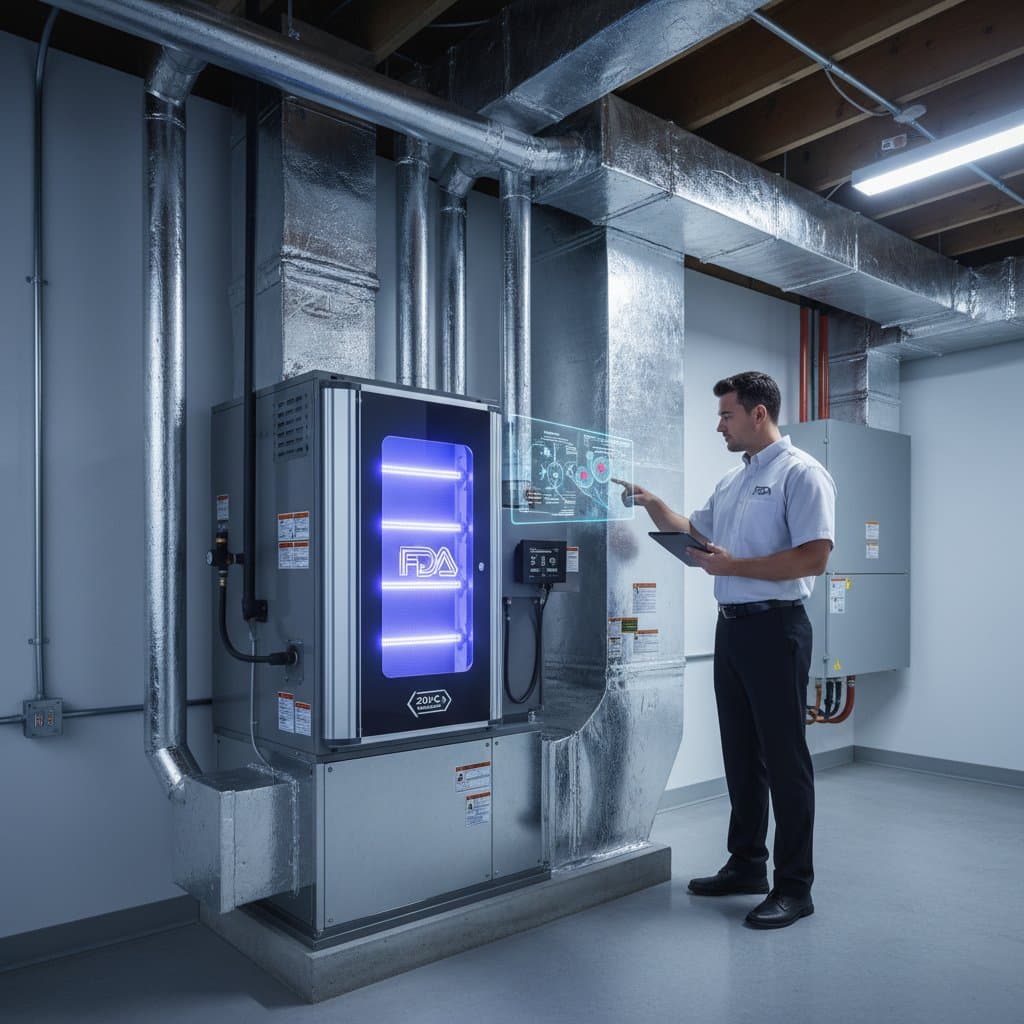
Featured image for FDA UV-C Rules Hit HVAC Systems in 2026
Indoor Air Quality

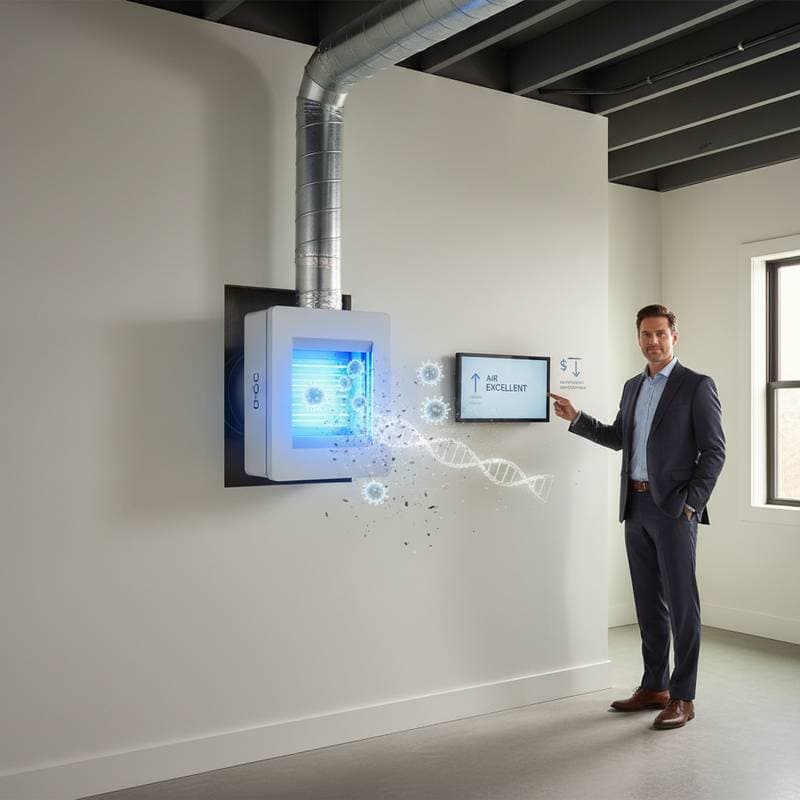
FDA UV-C Rules Hit HVAC Systems in 2026

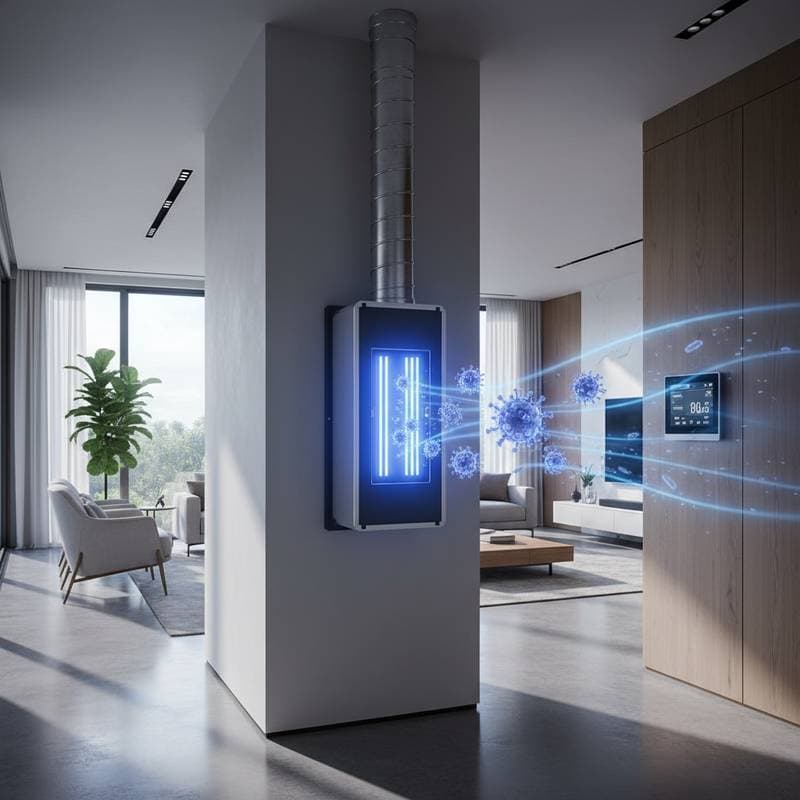
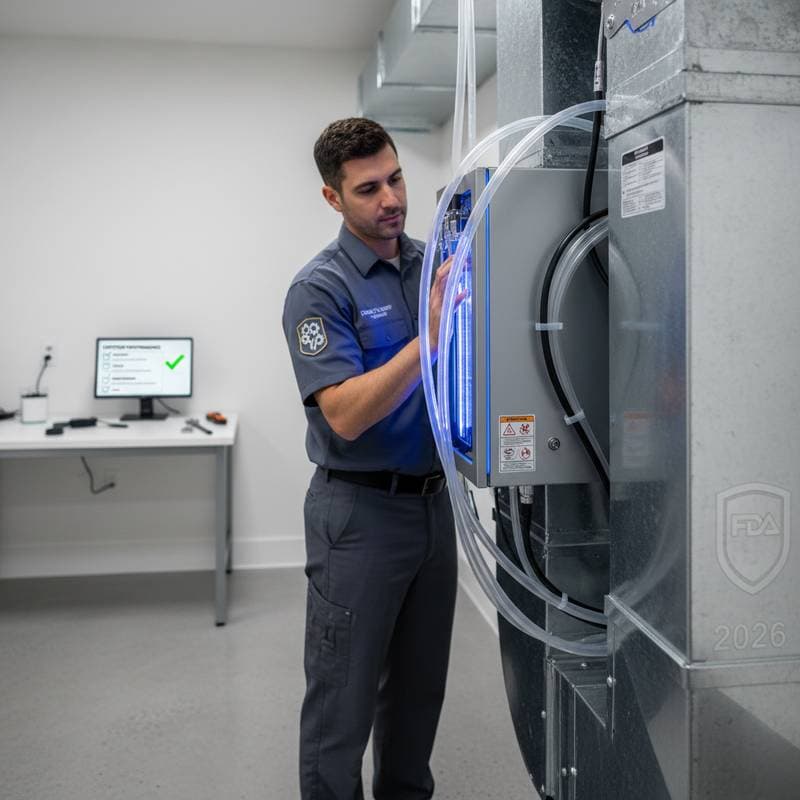
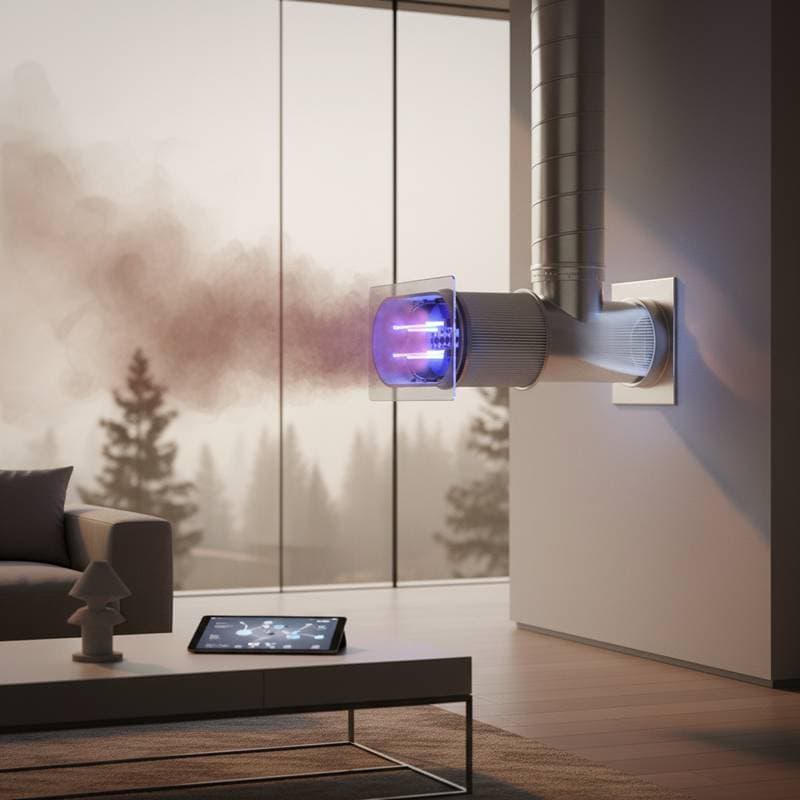
Starting in 2026, the FDA mandates certified safety and performance for UV-C HVAC purifiers. Residential users should inspect systems immediately to sidestep replacements. This overview covers certification checks, cost projections, and preparation strategies for regulatory adherence.

6 min read
Featured image for Electrostatic Filters Trap 99% of Allergens Without HEPA
Indoor Air Quality

Electrostatic Filters Trap 99% of Allergens Without HEPA

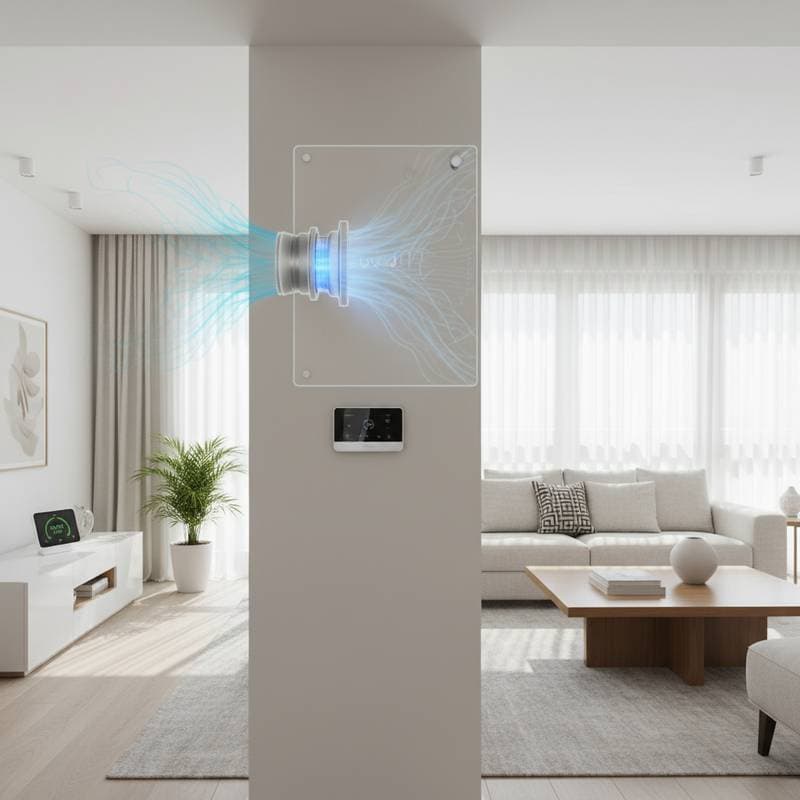
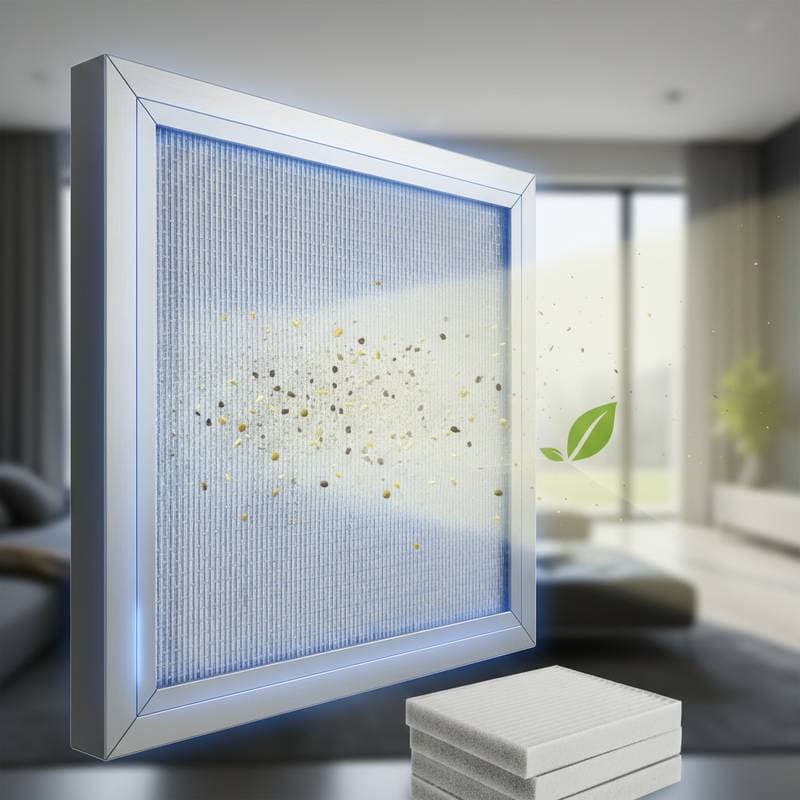
Electrostatic air filters utilize static electricity to capture up to 99% of allergens, providing a washable and reusable alternative to traditional HEPA filters. These filters preserve optimal airflow, minimize environmental waste, and lower ongoing expenses. This guide details their mechanism, essential maintenance practices, and reasons they represent an intelligent enhancement for superior indoor air.

5 min read
Featured image for Why Whole-Home Dehumidifiers Explode in 2026
Indoor Air Quality

Why Whole-Home Dehumidifiers Explode in 2026

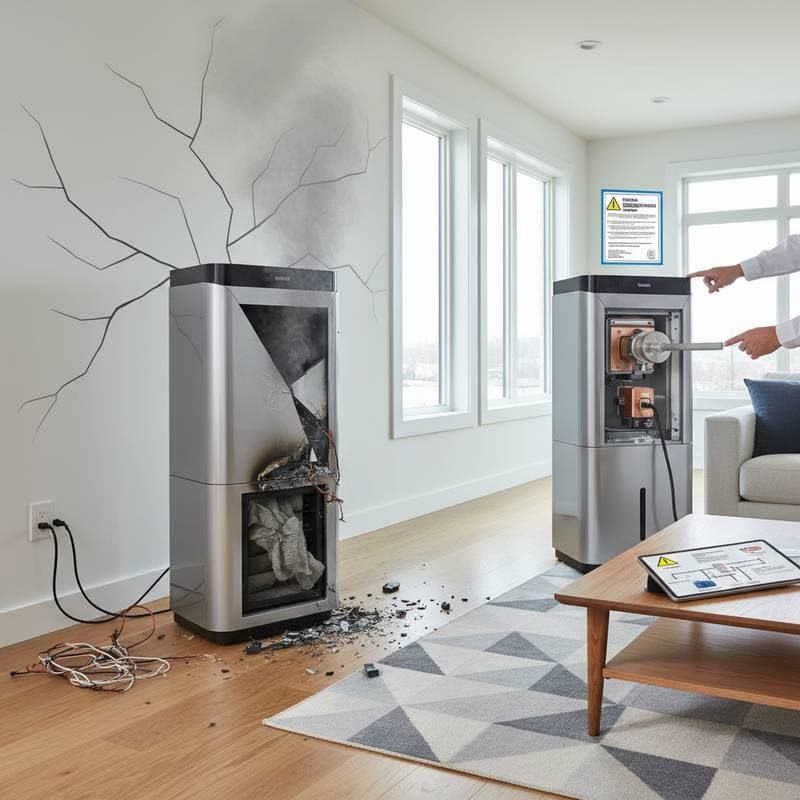
Anticipated surges in whole-home dehumidifier failures by 2026 link to electrical issues, airflow problems, and manufacturing shortcomings. This resource uncovers triggers, detection cues, and protective strategies including vetted installations, routine checks, and brand selections to avert hazards and sustain home efficiency.

7 min read
Featured image for Whole-Home Dehumidifiers Cut Cooling Costs 18%
Indoor Air Quality

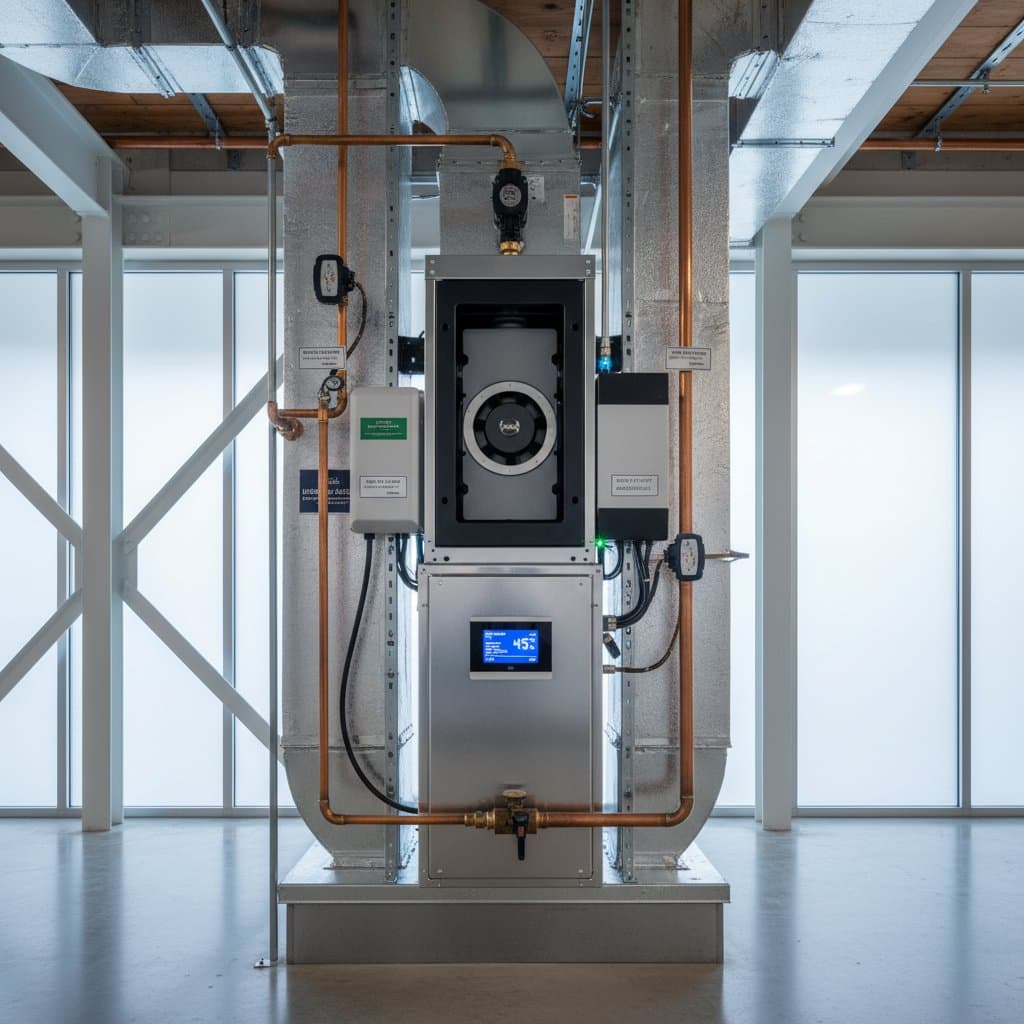
Whole-Home Dehumidifiers Cut Cooling Costs 18%

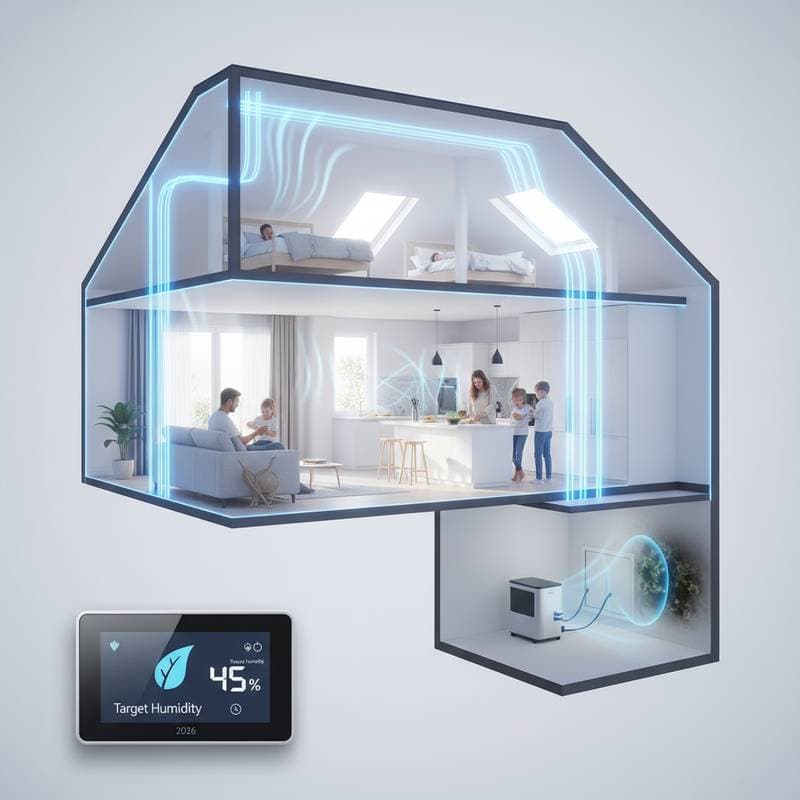
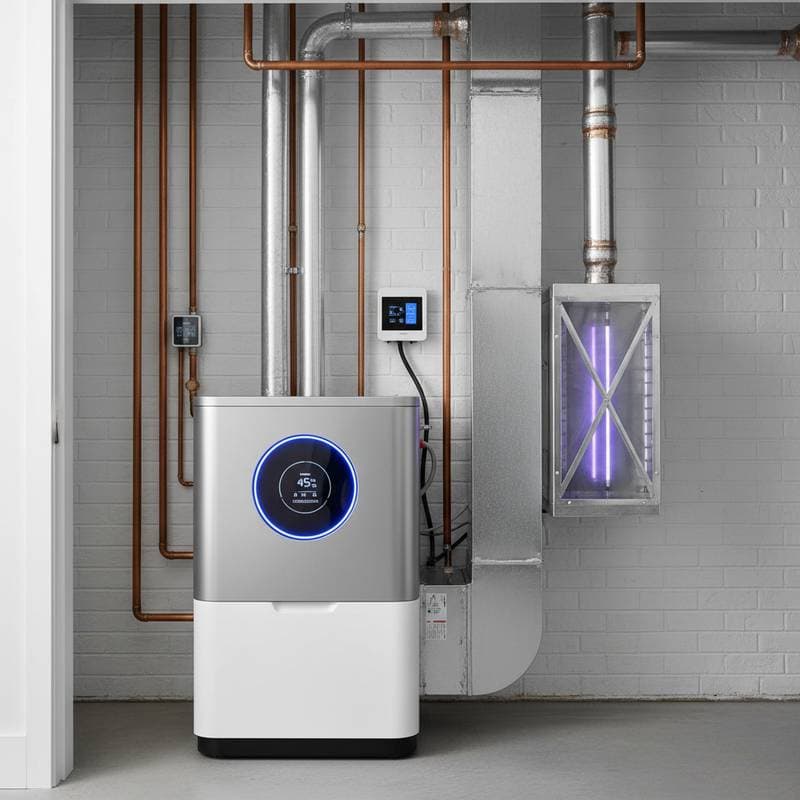
High indoor humidity promotes mold, discomfort, and higher energy use. A whole-home dehumidifier works seamlessly with your HVAC system to maintain optimal moisture levels, improve air quality, and achieve energy savings of up to 18 percent on cooling. This guide details the advantages, operation, and steps to implement this valuable upgrade.

7 min read
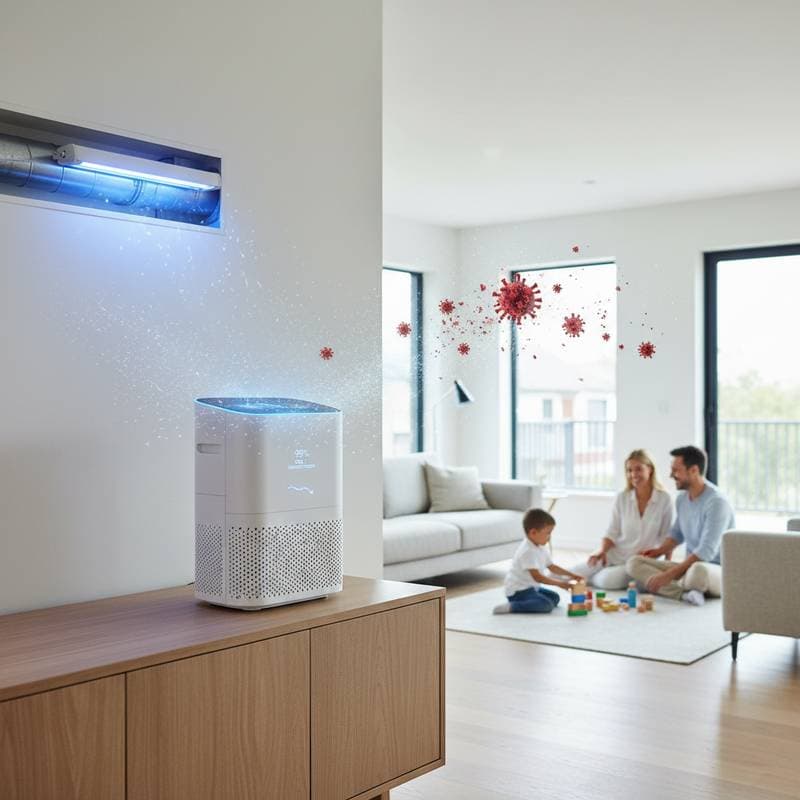
Featured image for FDA's 2026 UV-C Air Purifier Safety Standards Explained
Indoor Air Quality

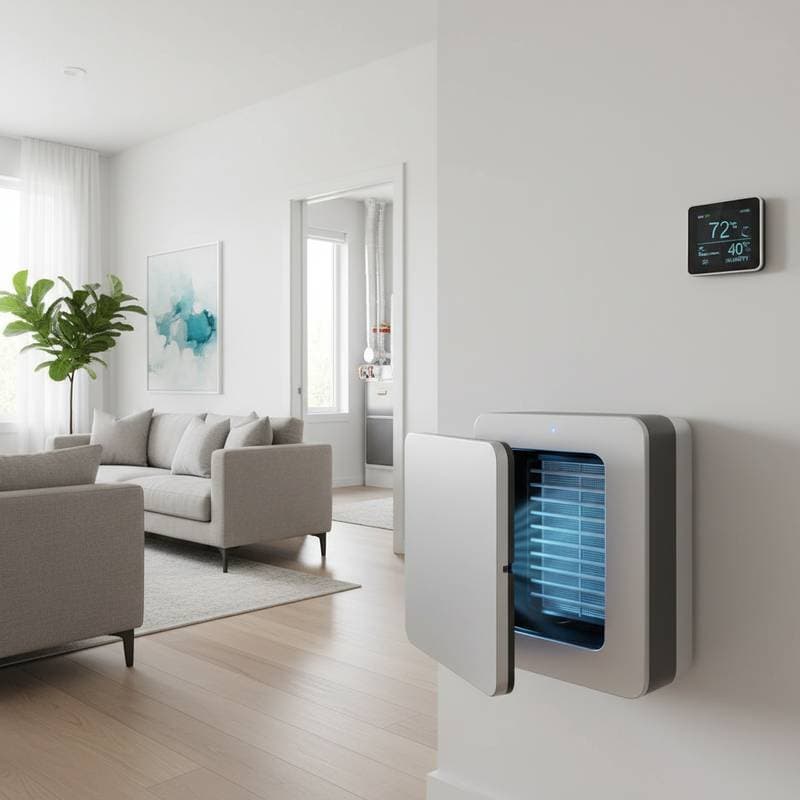
FDA's 2026 UV-C Air Purifier Safety Standards Explained

The FDA's 2026 UV-C air purifier standards establish rigorous benchmarks for residential devices, mandating certified pathogen neutralization, minimized ozone output, and detailed labeling. These changes empower homeowners with safer options for air purification while compelling manufacturers to adopt advanced testing and design protocols that boost device reliability and indoor air quality.

5 min read
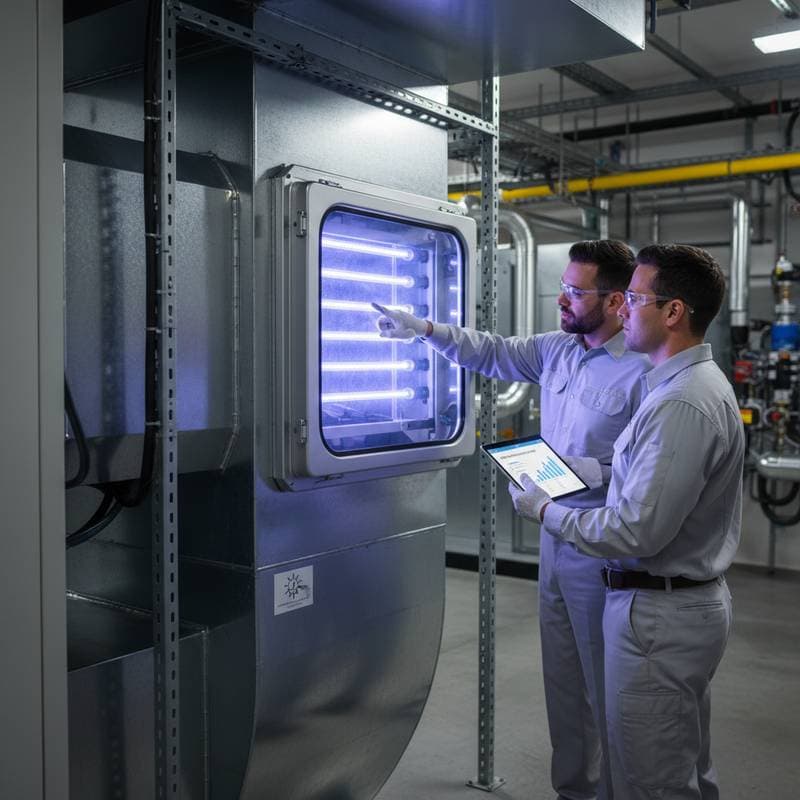
Featured image for Why HVAC Pros Trust UV-C Light for Cleaner Air
Indoor Air Quality

Why HVAC Pros Trust UV-C Light for Cleaner Air

HVAC professionals increasingly install UV-C air purifiers to address airborne contaminants, mold, and bacteria within ductwork. These systems enhance indoor air quality, boost HVAC efficiency, and extend equipment life. With low maintenance requirements and rising demand for healthier homes, UV-C provides an effective solution for fresher indoor environments.

6 min read
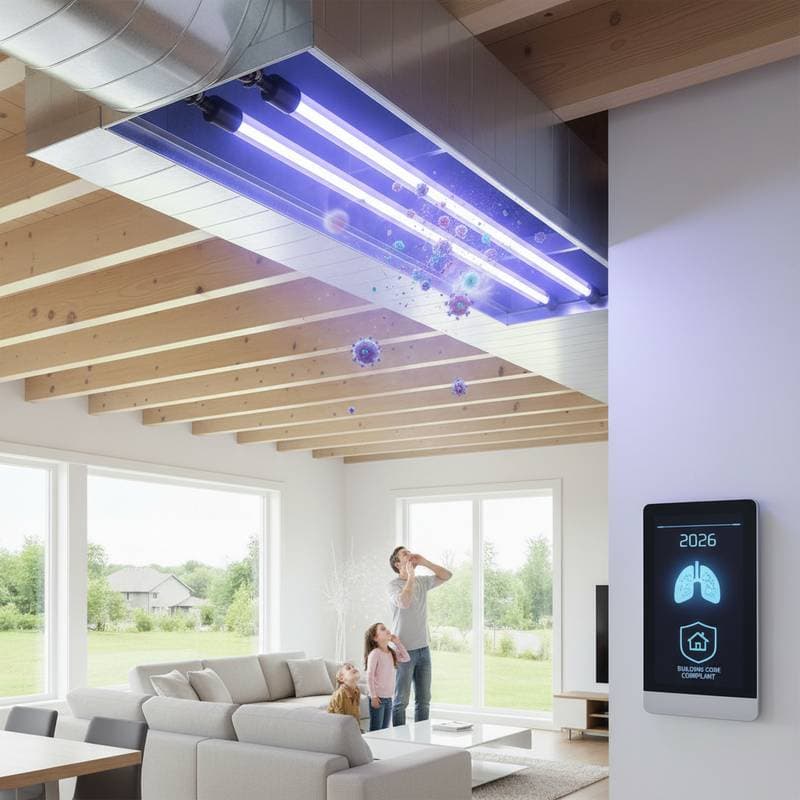
Featured image for Why 2026 Building Codes Mandate UV-C Air Purifiers
Indoor Air Quality

Why 2026 Building Codes Mandate UV-C Air Purifiers

Beginning in 2026, updated building codes mandate UV-C air purifiers in residential HVAC systems to elevate indoor air quality. This technology employs ultraviolet light to deactivate bacteria, mold, and viruses circulating in the air. The following sections detail the functionality of UV-C systems, available installation methods, associated costs, and proactive measures for home compliance.

5 min read
Featured image for Smart HVAC Systems Cut Mold Risk 58% with Humidity Control
Indoor Air Quality

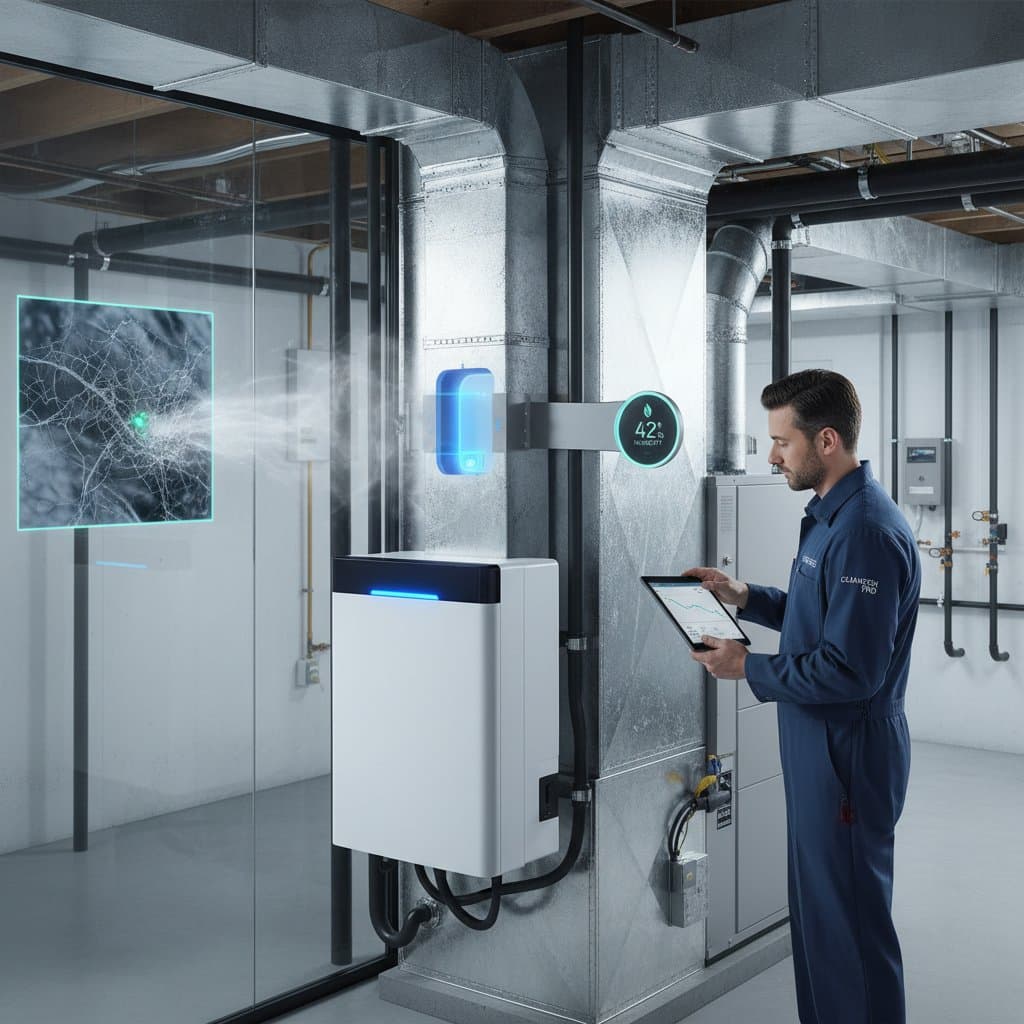
Smart HVAC Systems Cut Mold Risk 58% with Humidity Control

Smart HVAC systems maintain indoor humidity between 30 percent and 50 percent, reducing mold risk by up to 58 percent. These systems use automated sensors, dehumidifiers, and thermostats to ensure optimal comfort, superior air quality, and structural protection for your home. Explore the mechanics of this technology, associated costs, and reasons it represents a wise investment for sustained health benefits.

5 min read
Featured image for Why Humidity Errors Cost You $1,800 Yearly
Indoor Air Quality

Why Humidity Errors Cost You $1,800 Yearly

Humidity imbalances silently erode your budget by up to $1,800 annually via spiked energy use, equipment strain, and moisture damage. This guide breaks down the culprits behind these costs and delivers practical solutions like targeted sealing, efficient insulation, and integrated humidity controls to safeguard your home, enhance well-being, and boost property worth.

6 min read