
Costs and Capabilities of 2025 UV-C Air Purifiers in Combating Allergens
The Role of UV-C Air Purifiers in Home Air Quality
UV-C air purifiers stand out as powerful solutions for homeowners seeking to minimize allergens, mold spores, and airborne pathogens. These systems typically cost between $250 and $1,200 for basic models, with whole-home integrations into HVAC units ranging from $1,500 to $3,000, including professional installation. Factors such as unit capacity, advanced features, and setup complexity determine the final price.
This resource details the mechanics of UV-C technology, pricing influences, and strategies for achieving cleaner air. Readers gain insights into cost breakdowns, selection criteria, and maintenance practices to maximize system effectiveness.
Mechanics of UV-C Technology
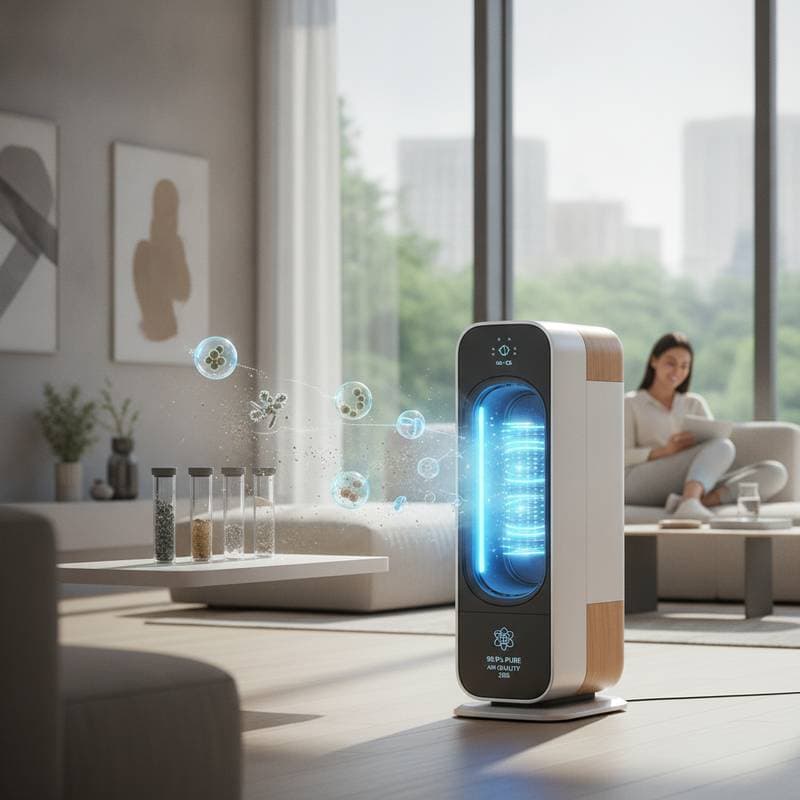
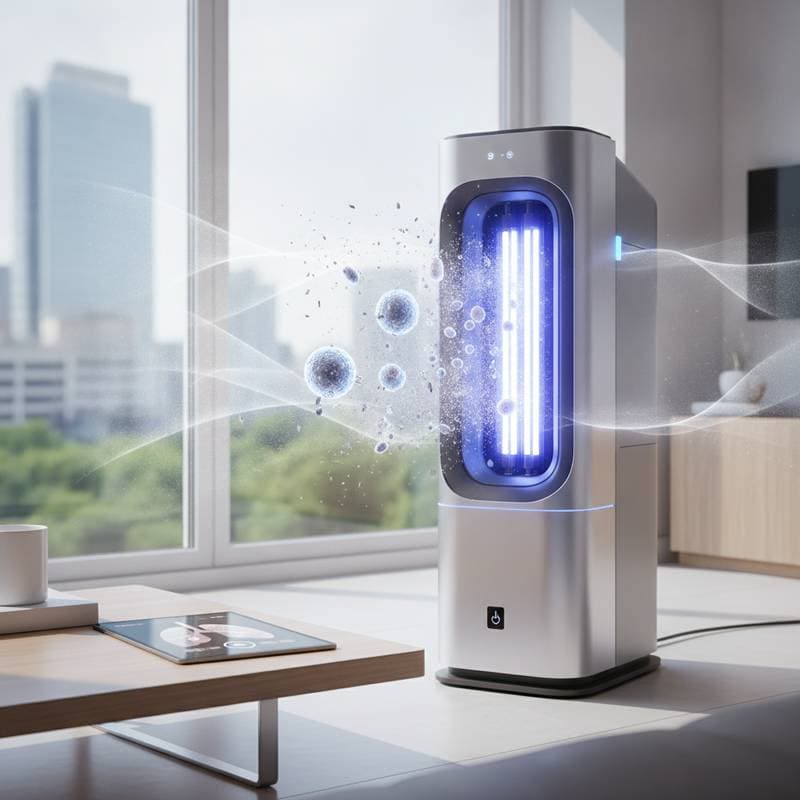
UV-C light, known as germicidal ultraviolet radiation, disrupts the DNA of microorganisms, rendering them unable to replicate. Positioned within HVAC ducts or standalone devices, the lamps expose passing air to this light, effectively destroying or inactivating harmful agents. Targeted contaminants include dust mites, pollen, pet dander, mold spores, viruses, and bacteria.
The sterilization process occurs rapidly, often within seconds of exposure, leading to reduced allergy triggers and fewer respiratory issues. Homeowners benefit from sustained air purity that traditional filters alone cannot achieve.
Advantages for Managing Allergies
Individuals with allergies report noticeable improvements in symptoms shortly after UV-C installation. These systems address allergens directly in the air stream, preventing their accumulation and circulation throughout living spaces.
Primary Advantages
- Persistent reduction of airborne allergens across all rooms
- Enhanced duct hygiene to limit microbial growth and improve airflow
- Prevention of mold development on evaporator coils and drainage components
- Decreased surface dust from purified circulation
- Greater ease of breathing for those with sensitivities
Integration with existing HVAC setups amplifies these effects, fostering environments that promote well-being.
Steps for Installing UV-C Purifiers
Installation varies by system type, from portable devices to comprehensive HVAC integrations.
Portable Models
Setup requires minimal effort: connect to a standard electrical outlet, select the operating mode, and position the unit strategically. Optimal locations include bedrooms, living areas, or zones with high occupant activity to ensure broad coverage.
Duct-Mounted or Full-Home Systems
Certified HVAC specialists manage these installations to guarantee safety and performance. The sequence includes:
- Evaluation of duct configuration to identify the best lamp placement
- Creation of an access point for the UV-C assembly
- Wiring to a dedicated power source
- Secure sealing to contain the light and avoid leaks
- Verification of functionality and air movement
Most procedures conclude within two to three hours, influenced by duct layout and system complexity.
Essential Maintenance for UV-C Purifiers
Regular upkeep preserves efficiency and safety over time.
- Swap out bulbs yearly or per manufacturer guidelines to maintain output strength.
- Wipe down the lamp enclosure and protective sleeve quarterly to clear residue.
- Examine wiring for wear or instability during routine checks.
- Monitor air pathways post-setup to confirm unobstructed flow.
- Arrange expert reviews alongside annual HVAC servicing.
These practices sustain peak operation and prolong equipment durability.
Common Questions About UV-C Purifiers
Frequency of Bulb Replacement?
Bulbs endure 9 to 12 months of nonstop operation before intensity wanes. Annual replacement restores full disinfection power, even as visible light persists.
Odor Elimination with UV-C?
UV-C targets microbes rather than smells directly. Pairing with carbon-based filters addresses odors from smoke, cooking, or chemicals, a feature in many advanced systems.
Safety in Residential Settings?
Properly installed units pose no risk, as UV-C remains confined within enclosures. Avoid direct viewing of lamps during servicing to prevent eye or skin exposure.
Installation Duration?
Duct systems require a few hours from trained professionals. Portable options activate instantly upon setup.
Impact on Energy Costs?
Consumption stays low; continuous use adds only a nominal amount to monthly bills, often under $5.
Securing Quotes for UV-C Purifiers
Obtain estimates from several licensed HVAC experts to compare options and ensure suitability.
Key Inquiries for Contractors
- Which models suit my home's dimensions and needs?
- Does this integrate seamlessly with current HVAC equipment?
- What are bulb replacement expenses and intervals?
- What coverage applies to components and workmanship?
- What qualifications hold your installation team?
- How much time does setup demand, and does it affect daily HVAC use?
- Are rebates or incentives available?
- What self-maintenance can I perform?
- Do service contracts exist for regular care?
- What air quality enhancements follow implementation?
Detailed responses guide informed decisions.
Realizing Sustained Benefits from UV-C Systems
A UV-C purifier investment safeguards against allergens and pathogens effectively. Paired with consistent HVAC care and filter management, it cultivates enduring cleanliness and comfort in the home.