How UV-C Technology Transforms HVAC Air Purification
The Growing Adoption of UV-C in HVAC Systems
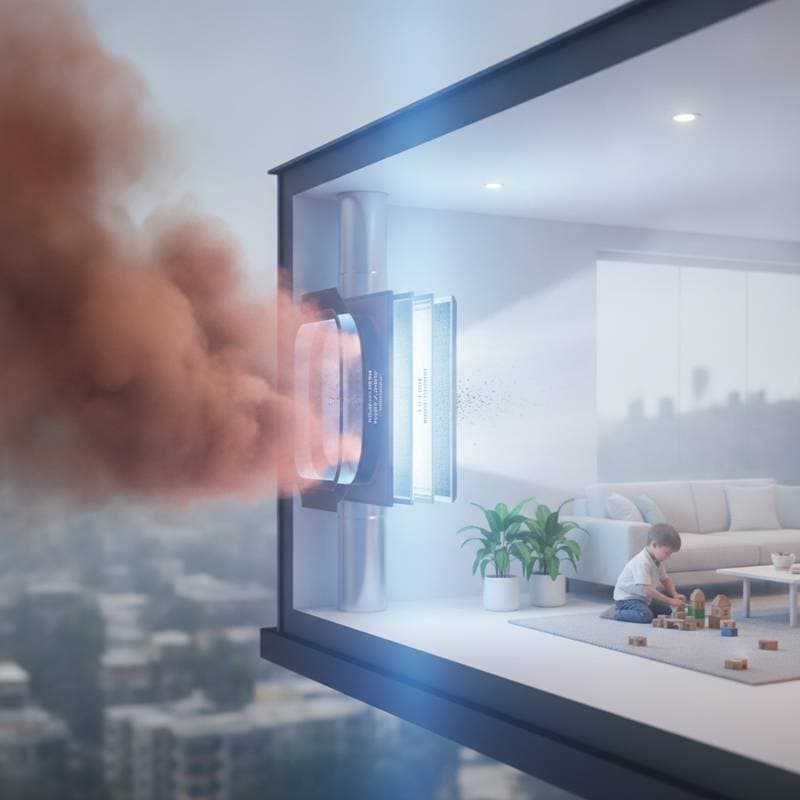
Homeowners increasingly select UV-C air purification as an effective enhancement for HVAC setups. This method employs ultraviolet light to deactivate bacteria, mold, and viruses circulating in the air, which elevates indoor air quality and minimizes allergens. Installation expenses for a UV-C light in an HVAC system generally fall between $400 and $1,200, influenced by factors such as system dimensions, configuration, and setup demands.
This piece examines the impact of UV-C on air cleaning in residential and commercial spaces. It addresses setup costs, operational advantages, upkeep requirements, and elements that influence efficacy and return on investment.
Enhancing HVAC Performance with UV-C
The Mechanism of UV-C Light in HVAC Environments
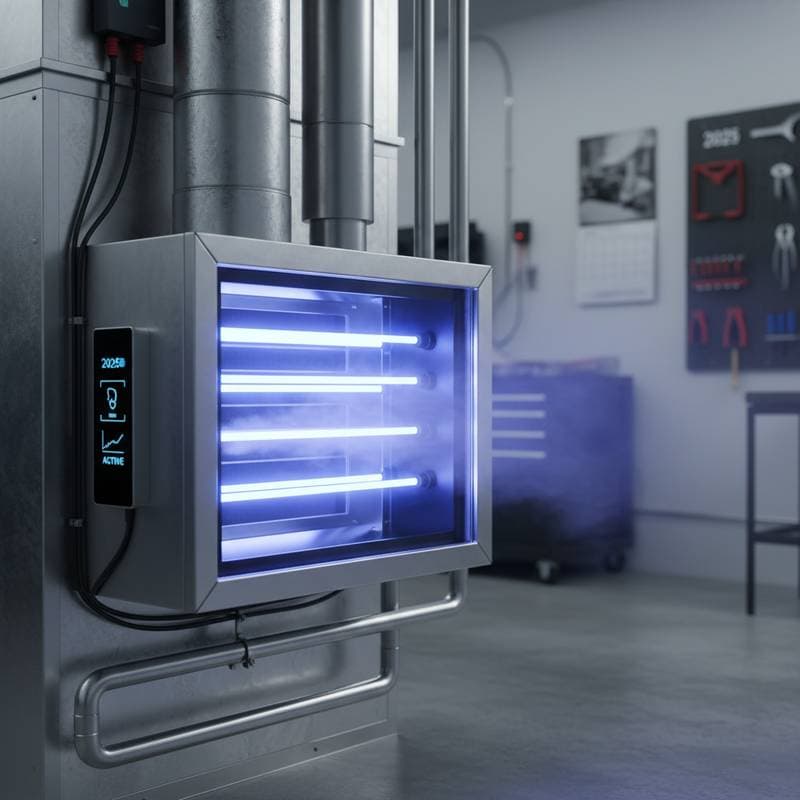
UV-C light functions at a wavelength that disrupts the DNA structure of microorganisms. Positioned within HVAC units, it eradicates mold spores, viruses, and bacteria accumulating on coils, drain pans, and filters. Such action sustains unobstructed airflow and curbs the dissemination of airborne contaminants throughout indoor areas.
Key Advantages for Air Quality and Efficiency
UV-C integration yields tangible gains in health and system operation:
- Superior Air Quality: It deactivates airborne microbes beyond the reach of conventional filters.
- Reduced Allergens: It diminishes triggers for respiratory issues, including mold and bacterial residues.
- Maintained Coil Cleanliness: It inhibits microbial layers, optimizing heat transfer processes.
- Boosted Energy Use: It ensures fluid air movement, easing the load on motors and fans.
- Eliminated Odors: It neutralizes scents from bacterial activity and organic matter in ductwork.
After setup, residents typically observe diminished musty odors and reduced dust buildup, positioning UV-C as a worthwhile addition for those seeking a purified living space.
Upkeep and Durability of UV-C Systems
Routine care for UV-C installations remains simple yet crucial to preserve peak functionality.
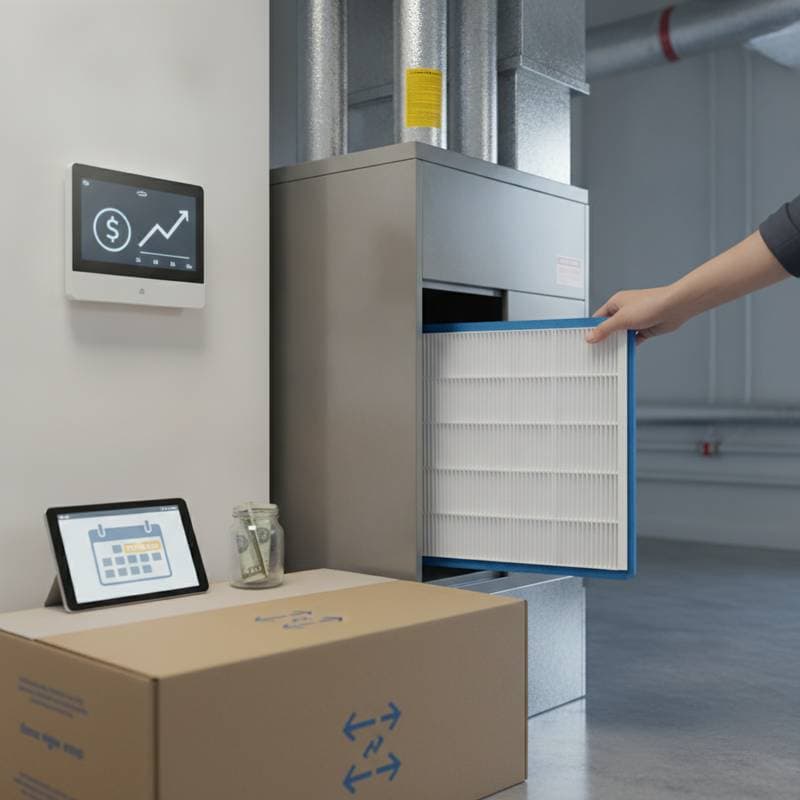
- Bulb Renewal: Swap out lamps annually to sustain optimal germicidal power.
- Surface Cleaning: Clean the lamp enclosure and adjacent coils to avoid dust interference.
- Professional Review: During standard HVAC servicing, technicians verify wiring, connections, and light output.
With diligent attention, UV-C components endure five to ten years, requiring solely periodic bulb changes.
UV-C Contributions to Energy Savings
Pristine coils facilitate better heat exchange, allowing the HVAC unit to operate with greater efficiency. Research indicates that clearing biofilm deposits recovers 10 to 15 percent of diminished energy performance. Thus, UV-C serves dual purposes: air sanitization and elevated system productivity.
Over extended periods, these efficiency improvements help recoup initial outlays. Less stress on motors and compressors further prolongs equipment life, cutting down on future repair needs.
Frequently Asked Questions on UV-C Air Purification
How Does UV-C Combat Airborne Viruses?
UV-C light effectively dismantles the genetic components of numerous viruses and bacteria. Strategically located in the air stream, it substantially lowers pathogen levels in duct systems. Although it complements rather than substitutes for primary filtration and ventilation, it provides robust supplementary protection for indoor environments.
Is UV-C Compatible with All Existing HVAC Systems?
The majority of home and small-scale commercial HVAC units support UV-C additions. Professionals identify ideal spots within air handlers or ducts. Units with constrained areas or dated parts might need slight adjustments, yet compatibility proves seamless in typical scenarios.
Does UV-C Generate Ozone?
HVAC-specific UV-C lamps avoid ozone production. Devices that emit ozone utilize distinct wavelengths. Verify selection of ozone-free UV-C bulbs to uphold safety and adhere to air quality regulations.
What Is the Replacement Schedule for UV-C Bulbs?
Bulb potency wanes gradually, despite visible illumination. Producers advise yearly exchanges to retain maximum disinfection capability. Certain models feature alerts or monitors signaling reduced efficacy.
Will UV-C Harm HVAC Parts?
Properly installed UV-C poses no risk to metallic or plastic elements. Enclosures and barriers direct light precisely, avoiding exposure to non-target zones. Expert placement guarantees secure, enduring use.
Securing Quotes for UV-C Installations
Obtain multiple estimates from certified HVAC specialists prior to proceeding with UV-C integration. Comprehensive proposals detail equipment specifications, labor charges, coverage terms, and care guidelines. This comparison secures an optimal mix of affordability and capability.
Essential Inquiries for HVAC Specialists
- Which UV-C model suits my current HVAC configuration?
- How many lamps ensure comprehensive treatment?
- Do the bulbs qualify as ozone-free and suitable for nonstop use?
- What duration covers the manufacturer's warranty?
- What are projected yearly upkeep expenses?
- Can the UV-C connect to existing HVAC automation?
- How easily can bulbs be accessed for servicing?
- Does setup influence energy consumption or air velocity?
- Exist rebates or programs supporting purification enhancements?
- What protocols shield against unintended UV contact?
Preserving UV-C Performance Over Time
UV-C adoption extends beyond initial air refinement. It safeguards HVAC longevity and occupant well-being. Consistent servicing, prompt bulb updates, and expert evaluations uphold superior results annually.
Homeowners gain access to purer air, lessened allergens, and heightened efficiency through this technology. As advancements in HVAC progress, UV-C emerges as a premier choice for elevating air standards and operational dependability.