How UV-C Air Purifiers Neutralize 89% of Airborne Viruses: Insights into the Air Purification Surge
The Fundamentals of UV-C Technology
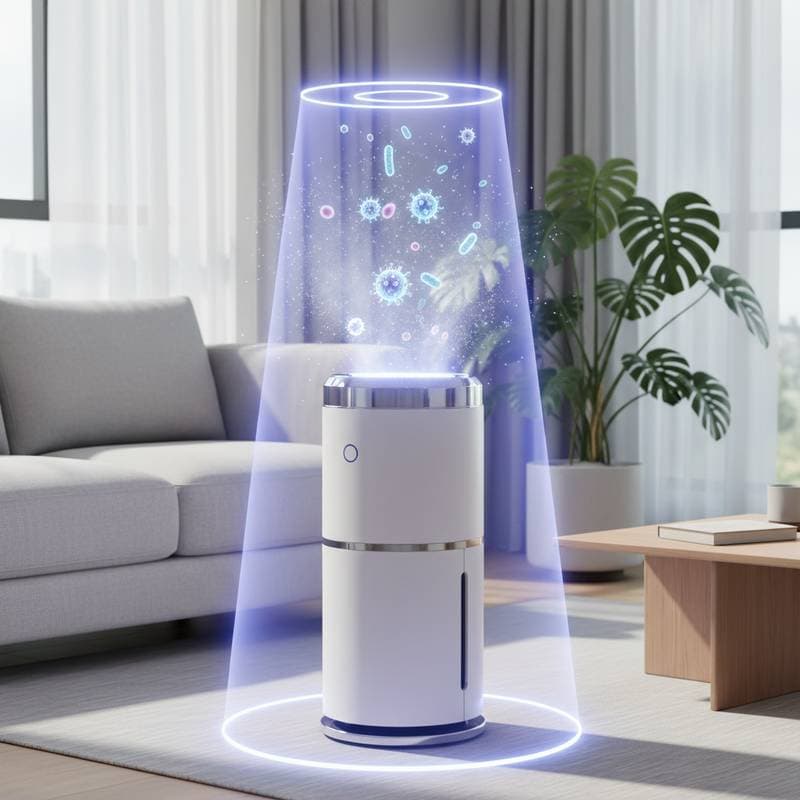
Homeowners increasingly prioritize indoor air quality to safeguard health and comfort. UV-C air purifiers emerge as a reliable solution, with studies indicating that well-designed systems neutralize up to 89% of airborne viruses under optimal conditions. These devices also target bacteria, mold spores, and allergens, contributing to a noticeable improvement in living environments.
This guide details the mechanics of UV-C purification, evaluates its virus-fighting capabilities, examines cost considerations, and provides selection criteria for residential use. Additionally, it highlights the factors propelling the rise of UV-C systems in 2025.
Proven Effectiveness Against Airborne Pathogens
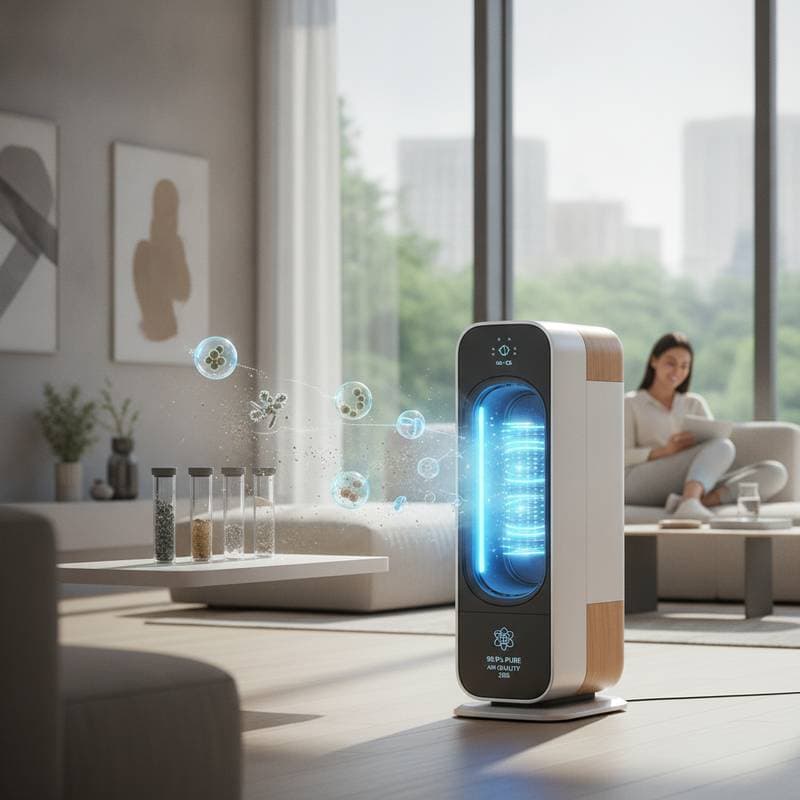
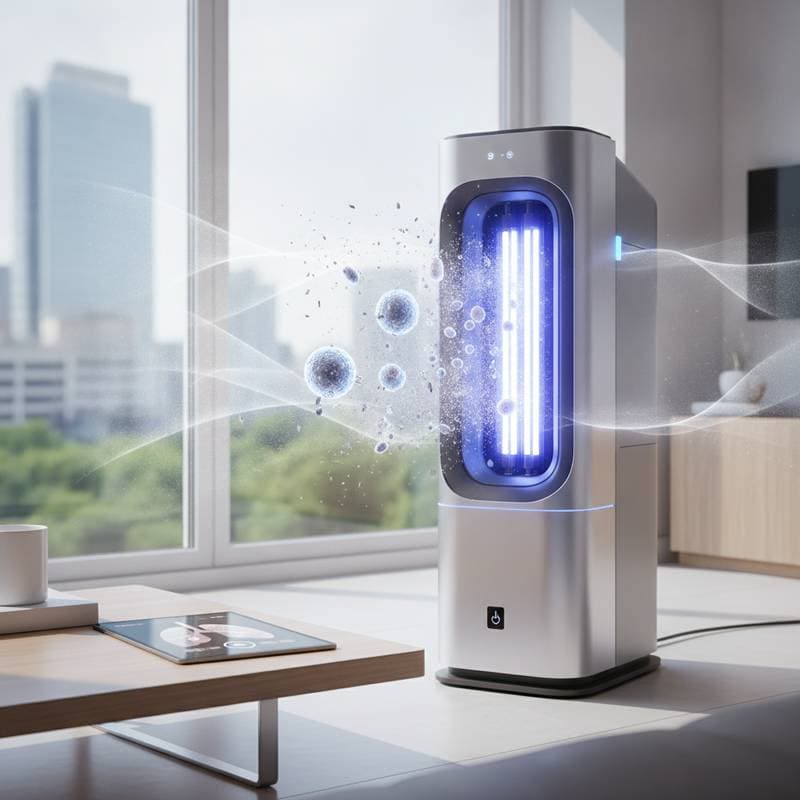
Laboratory evaluations confirm that UV-C light disrupts the DNA of viruses, rendering up to 89% inactive in controlled settings. Real-world performance varies based on elements like UV intensity, dwell time for air exposure, circulation speed, and integration into heating, ventilation, and air conditioning units.
Integration with high-efficiency particulate air filters enhances results by trapping particles while UV-C deactivates trapped microbes. This combination effectively addresses common irritants such as pollen, dust mites, and pet allergens, often alleviating respiratory issues for sensitive individuals.
Professionals in healthcare facilities, research labs, and sterile manufacturing spaces rely on UV-C for its validated pathogen control. Now, similar protection reaches everyday homes, democratizing access to advanced air sanitation.
Essential Elements Influencing UV-C System Efficiency
Performance of UV-C purifiers hinges on multiple variables in residential or commercial applications. Understanding these allows users to maximize benefits and avoid common pitfalls.
Bulb Intensity and Optimal Wavelength
Effective UV-C bulbs operate at 254 nanometers, a spectrum proven to damage microbial genetic material. Substandard bulbs deliver inadequate output, compromising sterilization rates. Select systems from reputable manufacturers that specify wavelength compliance and provide performance certifications.
Exposure Duration Through Airflow Management
Pathogen deactivation requires sufficient contact time between air and UV light. High-velocity airflow diminishes this opportunity, lowering efficacy. Choose units engineered for balanced circulation, typically rated by clean air delivery rates that align with room size.
Strategic Installation for Comprehensive Coverage
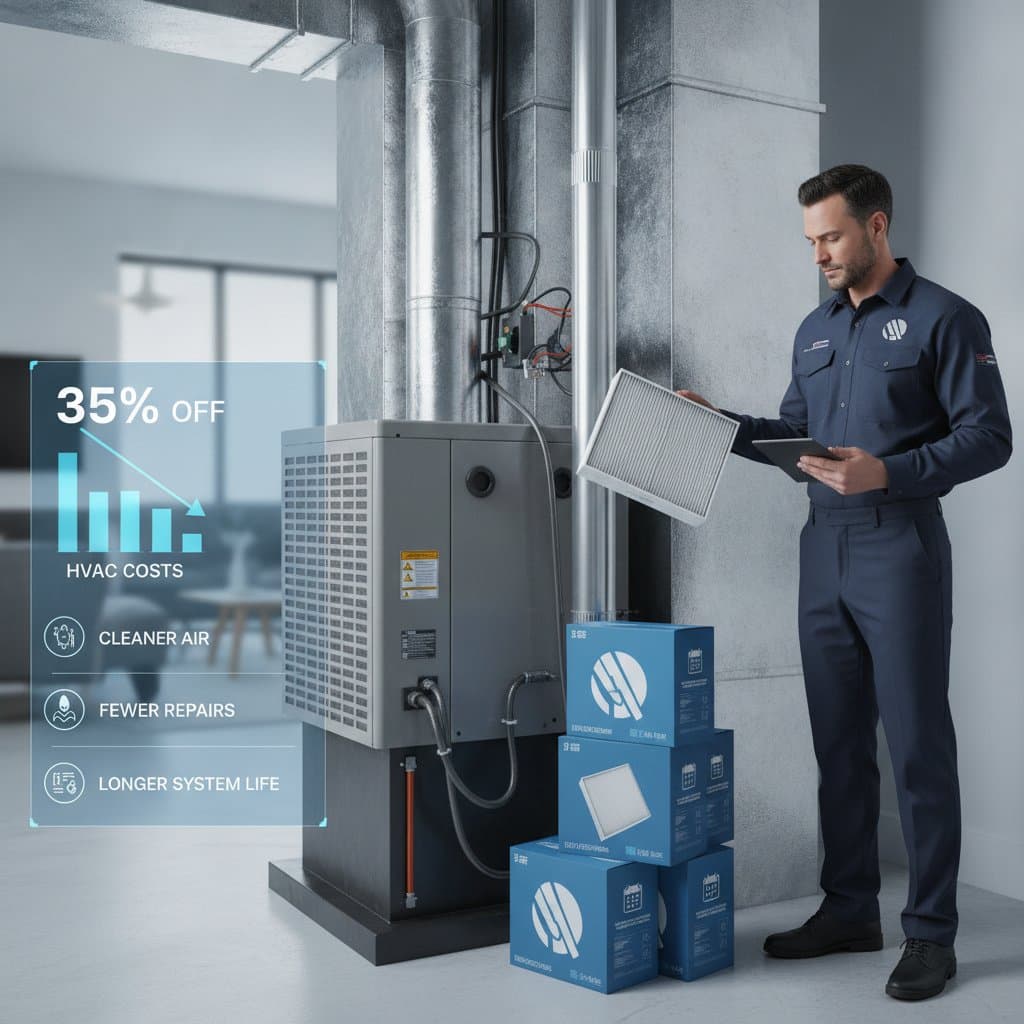
Positioning matters greatly; in-line HVAC installations near evaporator coils expose the broadest air volume to treatment. Standalone models demand placement in high-traffic zones with steady ventilation. Consult professionals to map airflow patterns and ensure even distribution.
Routine Upkeep and Component Longevity
Bulbs degrade over time, necessitating annual replacement to sustain output. Accumulated residue on surfaces further hampers light penetration. Establish a maintenance schedule that includes quarterly inspections and cleaning protocols to preserve peak operation.
Impact of Ambient Conditions
Excessive humidity above 60% or temperatures exceeding 100 degrees Fahrenheit can shield microbes from UV rays. Dust accumulation scatters light, reducing reach. Mitigate these by pairing with dehumidifiers or pre-filters and adhering to environmental guidelines from the manufacturer.
Drivers Behind the UV-C Purification Expansion
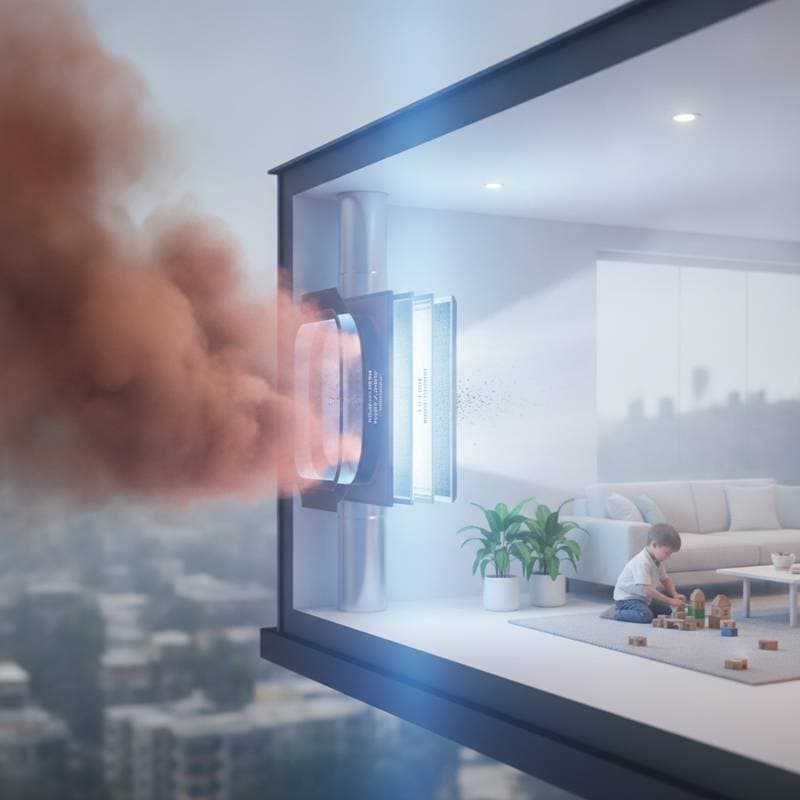
Awareness of indoor pollutants has intensified, particularly since individuals spend over 90% of their time inside modern, energy-efficient buildings. Poor ventilation traps volatile organic compounds, particulate matter, and biological agents, elevating risks for respiratory conditions and infections.
Post-pandemic priorities amplify this trend, with surveys showing 70% of consumers viewing air quality upgrades as essential. Technological advancements lower costs, while regulatory incentives for energy-efficient HVAC integrations accelerate adoption. By 2025, market analysts project a 25% growth in residential UV-C installations, driven by these converging forces.
Frequently Asked Questions on UV-C Systems
What Is the Expected Lifespan of a UV-C Air Purifier?
Quality units endure 5 to 10 years with proper care, though bulb swaps occur yearly to uphold efficacy. Frame durability and electronic components influence overall longevity; premium models often include robust housings resistant to corrosion.
Do UV-C Purifiers Pose Safety Risks in Homes?
Properly configured systems contain UV-C emissions within sealed chambers or ducts, eliminating direct exposure. Certified installations meet safety standards, incorporating interlocks that deactivate lights during access. Engage licensed technicians to verify compliance and avoid ozone-generating variants.
Can These Systems Tackle Odors and Smoke?
UV-C primarily neutralizes biological threats rather than volatile chemicals. Pairing with activated carbon filters adsorbs odors from cooking, tobacco, or pets, while HEPA components capture smoke particulates down to 0.3 microns. This multi-stage setup provides comprehensive air refinement.
What Are the Energy Demands of UV-C Operation?
Consumption remains low, often under 50 watts for whole-home units, comparable to a standard desk lamp. Continuous operation adds minimal utility costs, typically $20 to $40 annually, offset by reduced HVAC strain from cleaner coils.
Securing Quotes for UV-C Installations
Critical Inquiries for Service Providers
- Which UV-C configuration suits my home's square footage and ductwork?
- Does the package incorporate UV-C alongside HEPA or carbon filtration?
- What replacement interval and pricing apply to bulbs?
- How does the design ensure complete containment of UV light?
- What guarantees or service agreements accompany the setup?
- What duration should I anticipate for the installation process?
- Are rebates or incentives available for qualifying systems?
- Will the unit sync with my current thermostat or smart home ecosystem?
- What data supports its virus and mold reduction claims?
- Provide a breakdown of yearly energy and maintenance expenses.
Enhancing Home Health Through UV-C Integration
Adopting a UV-C air purification system delivers tangible gains in air purity and occupant well-being. With capabilities to inactivate up to 89% of viruses, these innovations foster environments resilient to seasonal threats. Explore options tailored to your needs to secure lasting indoor vitality.