How Propane Heating Reduces Costs During Natural Gas Price Surges
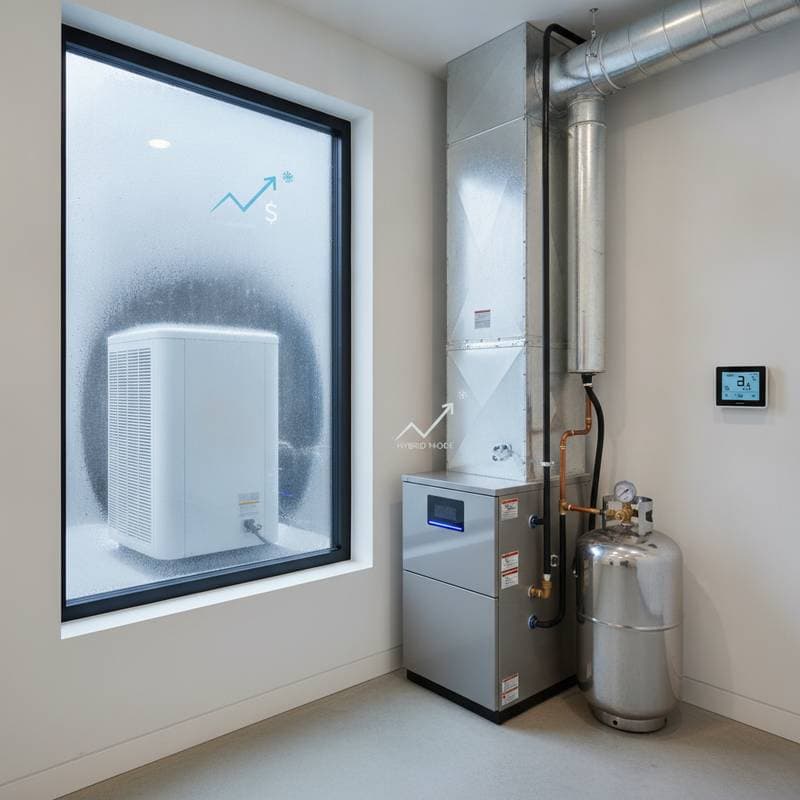
Natural gas prices continue to rise, positioning propane as a practical and dependable heating solution for many homeowners. Propane furnaces provide equivalent comfort and output to natural gas units, often at a reduced energy cost per unit. Homeowners who switch to propane or update existing systems during these price peaks can achieve notable reductions in heating expenses and greater control over energy sources. This resource details the elements behind propane's cost benefits, its comparison to natural gas, and considerations for installation and upkeep of a propane furnace.
| Item | Average Cost |
|---|---|
| Propane Furnace Installation | $2,800 - $6,000 |
| Propane Price per Gallon | $2.00 - $3.50 |
| Natural Gas Price per Therm | $1.50 - $2.50 |
| Annual Savings Potential | 10 percent - 25 percent |
| System Lifespan | 15 - 20 years |
Average Costs for Propane Furnaces
The expense for installing a new propane furnace generally falls between $2,800 and $6,000, influenced by factors such as unit capacity, manufacturer, and site-specific requirements. Entry-level efficiency models align with the lower range, whereas advanced high-efficiency units, particularly those incorporating features like programmable thermostats and enhanced venting, may surpass $7,000.
Ongoing operational expenses hinge on propane rates and the furnace's efficiency rating. An average household consumes 500 to 1,000 gallons of propane over a heating season, with usage dropping in homes featuring superior insulation. Propane's cleaner combustion profile compared to natural gas results in decreased maintenance demands, including less accumulation of residue and fewer required interventions.
Factors Influencing Propane Heating Expenses
Multiple elements determine the overall expense of propane-based heating. Gaining insight into these allows for informed decisions when evaluating fuel alternatives or budgeting for heating system investments.
Furnace Capacity and Output
Furnace output, quantified in BTUs, requires alignment with your home's dimensions and insulation quality. An undersized unit operates continuously, accelerating wear, while an oversized model cycles excessively, squandering fuel. Engage a professional for accurate sizing to secure peak efficiency and steady comfort levels.
Annual Fuel Utilization Efficiency (AFUE)
AFUE indicates the percentage of fuel transformed into heat by the furnace. For instance, a 95 percent AFUE rating means 95 percent of the propane serves as usable heat. Although higher-efficiency furnaces demand greater initial investment, they reduce fuel needs by 15 percent or more relative to outdated models.
Regional Fuel Pricing
Propane costs fluctuate based on location and time of year. In rural settings, delivery fees tend to decrease, particularly with shared supplier arrangements among neighbors. Securing a fixed-rate fuel agreement shields against price volatility and supports precise financial planning.
Installation Demands
The state of existing ductwork, venting needs, and propane tank positioning impact setup costs. Presence of an established propane supply line or tank simplifies the process and lowers expenses. Conversions from natural gas or electric systems might necessitate extra piping or venting modifications.
Labor for propane furnace installation typically ranges from $500 to $1,500, covering technician time for assessment, removal, placement, and testing. Complex jobs involving structural adjustments or long-distance tank relocation push costs toward the upper limit. Select certified professionals to ensure compliance with safety codes and warranty validity.
Propane Furnace Varieties
Propane furnaces vary in design to accommodate diverse home configurations and efficiency objectives.
Single-Stage Models
- Advantages: Minimal purchase price, simple functionality, and routine servicing.
- Drawbacks: Reduced efficiency levels and potential for temperature fluctuations during moderate conditions.
Two-Stage Models
- Advantages: Improved fuel economy, subdued noise, and uniform heating distribution.
- Drawbacks: Elevated initial expense and intricate control mechanisms.
Modulating Models
- Advantages: Superior efficiency, exact temperature regulation, and minimal operational sound.
- Drawbacks: Premium upfront cost and potentially higher expenses for component repairs.
Indicators for Upgrading Your Propane Furnace
Persistent increases in heating expenses or inconsistent warmth signal the need for furnace replacement. Common warning signs include:
- Inconsistent or inadequate heat delivery to various rooms.
- Repeated short cycling or excessive noise during operation.
- Visible rust, deterioration, or residue around the burner area.
- A yellow or unsteady pilot flame, indicating improper fuel burn.
- System age exceeding 15 years.
- Repair expenditures surpassing 50 percent of a new unit's value.
Steps in Propane Furnace Installation
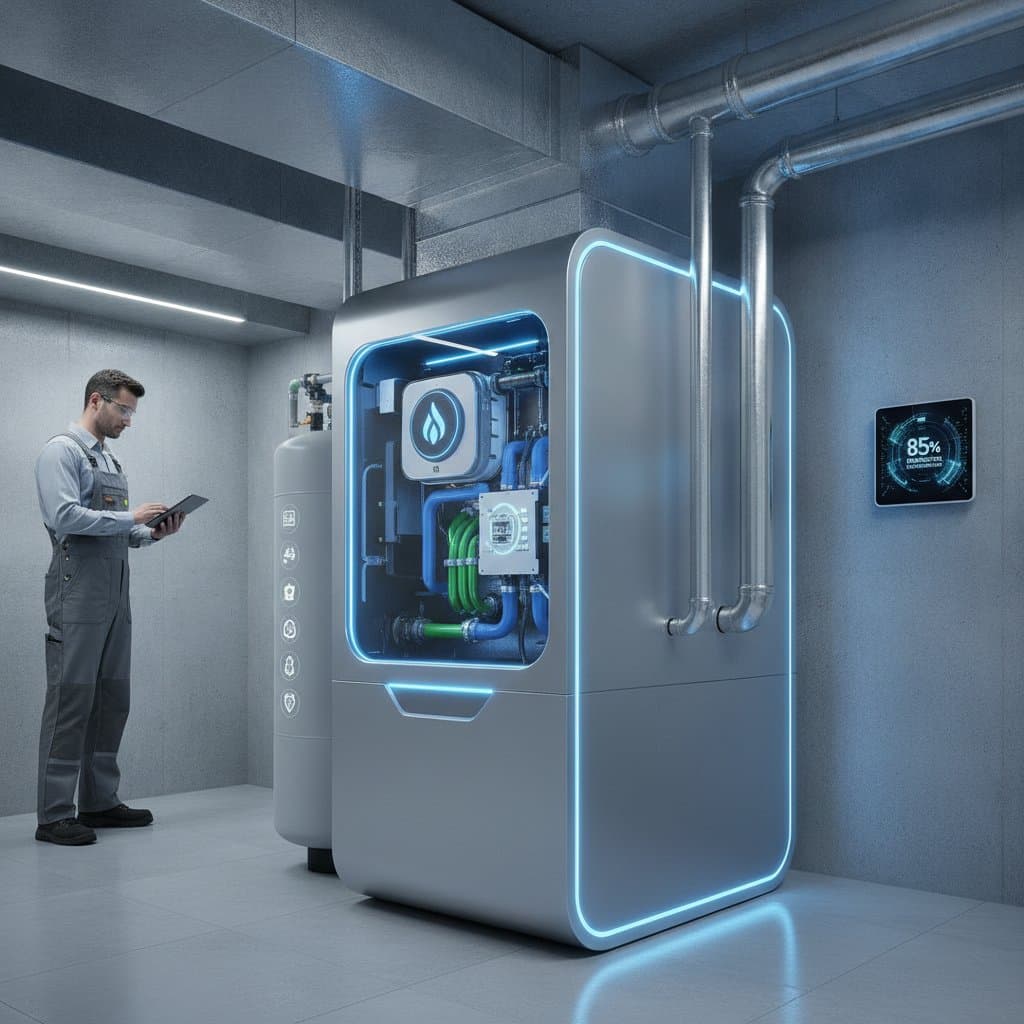
- Home Evaluation and Sizing: Technicians measure your living space, assess insulation, and inspect ducts to select an appropriate furnace capacity.
- Propane Tank Preparation: Install a new tank outside if absent, ensuring required setbacks and linking it to the home's fuel supply.
- Removal of Prior Unit: Disconnect and extract the old furnace following safety protocols.
- Placement of New Unit: Position the furnace, integrate it with ducts and fuel lines, and configure venting systems.
- Performance Verification: Conduct tests on airflow, fuel pressure, and overall function to confirm adherence to safety norms.
- Owner Orientation: Receive guidance on daily use, upkeep routines, and strategies for tracking fuel levels to sustain optimal performance.
Common Questions on Propane Heating
Does propane cost less than natural gas for home heating?
Propane proves more economical during natural gas price escalations, particularly in remote locations with viable delivery options. Despite a potentially higher per-unit price, propane's denser energy content per gallon frequently balances or surpasses natural gas in value.
Is conversion from natural gas to propane feasible for furnaces?
Most natural gas furnaces support conversion via approved kits from the manufacturer. Only trained technicians should handle the process to adjust fuel delivery, venting, and safety features correctly.
What is the expected durability of a propane furnace?
Properly maintained propane furnaces endure 15 to 20 years. Implement seasonal tune-ups, replace filters regularly, and schedule inspections to prolong service life and preserve efficiency.
Does propane heating pose safety risks to homes?
Propane heating remains safe with professional installation and maintenance. The fuel includes odor additives for leak detection, and contemporary furnaces feature automatic safeguards against malfunctions.
What steps minimize propane heating expenses?
Arrange yearly professional servicing, deploy a programmable thermostat, and maintain clean filters. Address drafts by sealing gaps and upgrading insulation to cut fuel use by as much as 20 percent.
Do propane furnaces depend on electricity?
Propane furnaces rely on electricity for blower motors and electronic controls. In regions prone to outages, integrate a standby generator or uninterruptible power supply for uninterrupted operation.
Steps to Secure Propane Heating Savings
Transitioning to propane or modernizing an existing setup yields consistent warmth and sustained financial benefits, particularly amid natural gas volatility. Select a suitably sized unit, commit to routine maintenance, and track consumption patterns to ensure efficient, cost-effective home heating throughout the seasons.