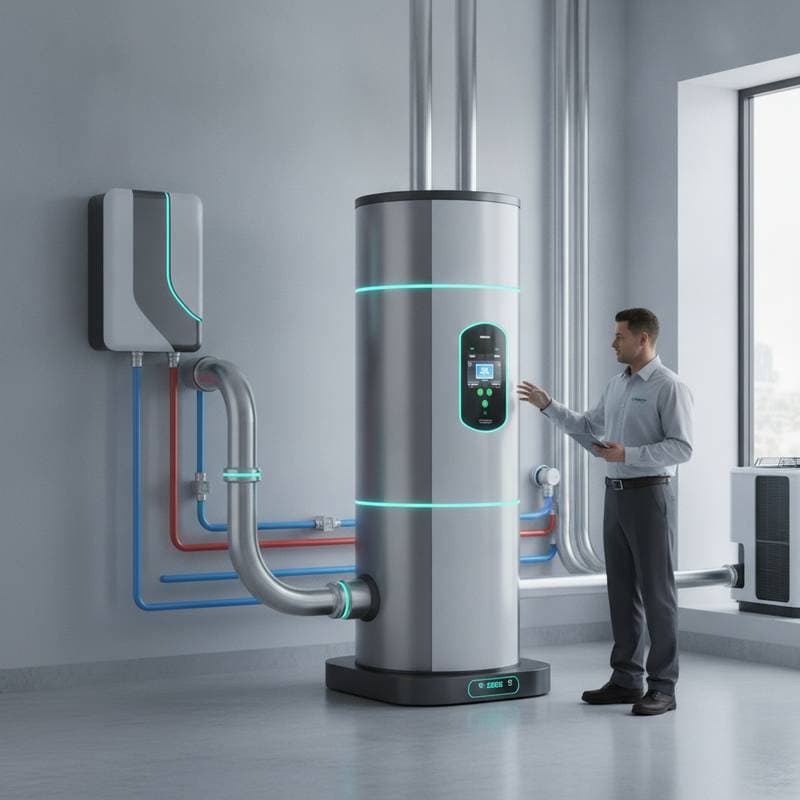

How $600 Rebates Impact Heat Pump Water Heater Costs
The Rise of Heat Pump Water Heaters Through Rebate Incentives
Homeowners increasingly select heat pump water heaters to lower energy expenses and lessen environmental effects. Qualifying models now qualify for $600 rebates, which have sparked widespread interest across the country. Rising utility prices paired with these financial supports have triggered a notable rise in installations, marking a key advancement in sustainable water heating solutions.
This guide details rebate mechanics, anticipated expenses for new systems, and critical considerations prior to setup. It includes a thorough cost analysis, efficiency evaluations, and targeted questions for obtaining estimates.
Typical Installation Costs for Heat Pump Water Heaters
Installation of a heat pump water heater generally falls between $2,500 and $4,500, varying by manufacturer, capacity, and setup demands. Standard electric tank units present lower initial prices, yet heat pump variants yield substantial ongoing reductions via decreased energy demands.
| Type | Average Cost | Details |
|---|---|---|
| Standard Electric Water Heater | $1,000 – $2,000 | Basic tank design with standard efficiency levels |
| Heat Pump Water Heater | $2,500 – $4,500 | Hybrid unit featuring compressor-based heat transfer |
| Premium High-Efficiency Heat Pump | $4,000 – $5,500 | Advanced systems with enhanced controls and greater volume |
Application of the $600 rebate adjusts effective costs to approximately $1,900 through $3,900, positioning these units as viable alternatives to traditional options.
Costs Based on Tank Capacity
Tank size primarily determines heat pump water heater pricing, as greater volumes demand additional resources, labor, and power handling.
| Tank Size | Average Installed Cost | Typical Use |
|---|---|---|
| 40 Gallons | $2,200 – $3,200 | Suitable for small households or apartments |
| 50 Gallons | $2,800 – $4,000 | Ideal for average family residences |
| 65 Gallons | $3,200 – $4,500 | Appropriate for larger families or multi-bathroom homes |
| 80 Gallons | $3,800 – $5,200 | Designed for high-usage scenarios |
Post-rebate, a 50-gallon unit may total around $2,200, striking an optimal mix of cost and performance for typical households.
The Role of Rebates in Expanding Adoption
Incentive programs aim to broaden access to advanced energy technologies. The $600 rebate specifically targets heat pump water heaters, easing initial financial hurdles and accelerating shifts from outdated electric or gas setups.
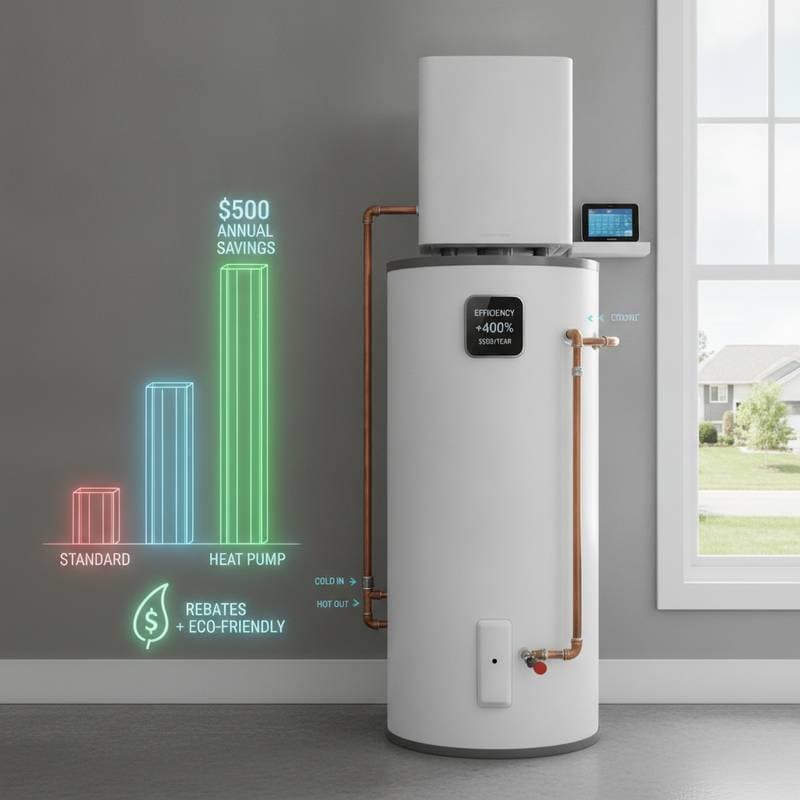
These units consume 60 to 70 percent less electricity than conventional electric models. Such efficiency generates annual savings of several hundred dollars. When combined with rebates, recovery of investment occurs within three to five years, influenced by usage patterns and regional rates.
Key Factors Influencing Heat Pump Water Heater Expenses
Multiple elements shape the final cost of installing a heat pump water heater. Awareness of these components enables precise budgeting and prevention of surprise charges.
Labor Expenses
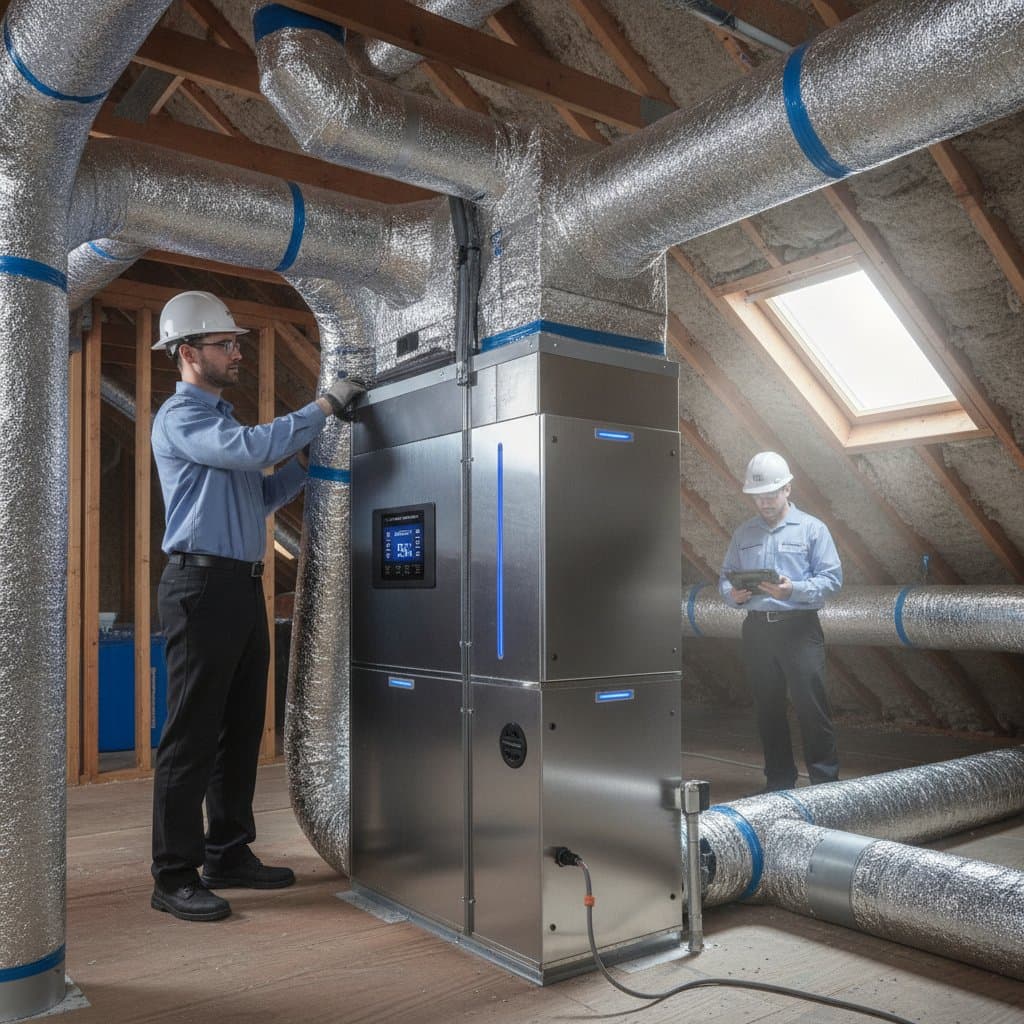
Hiring professionals for installation ranges from $800 to $1,500, based on regional wages and project intricacies. Swapping an existing electric model proves relatively simple, whereas gas conversions might necessitate extra electrical modifications.
Electrical Modifications
Certain properties require updated wiring or isolated circuits to accommodate the system, adding $300 to $800 to the total.
Manufacturer and Performance Specifications
Units with superior ratings provide enhanced functionality, reduced noise, and extended guarantees, though at elevated prices. Established options include Rheem, AO Smith, and Bradford White.
Placement Considerations
Common sites encompass basements, garages, and utility areas. Confined or insufficiently aired locations could demand supplementary ductwork or airflow enhancements, raising expenses by $200 to $600.
Incentives and Additional Credits
Beyond the $600 rebate, select areas provide state or utility supplements. Combining incentives might lower overall outlays by $1,000 or greater.
Advantages in Energy Use and Performance
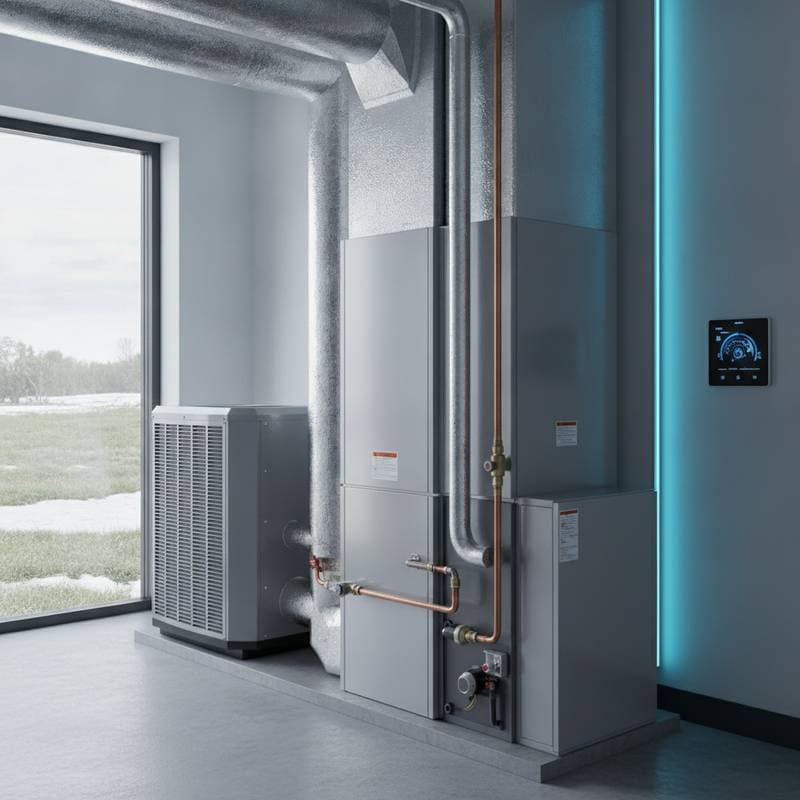
Heat pump water heaters extract warmth from ambient air to heat stored water, bypassing the energy-intensive direct heating method employed by alternatives. This approach establishes them as leading choices for water heating efficiency.
Primary Performance Gains
- Decreased monthly electricity statements from minimized consumption
- Subdued sound output relative to legacy electric or gas variants
- Reliable delivery of heated water via intelligent regulation
- Diminished environmental emissions for sustainability-focused residents
Post-installation, energy reductions become evident promptly. Across a 10- to 15-year service life, cumulative benefits often surpass $3,000, contingent on local pricing.
Frequently Asked Questions About Heat Pump Water Heaters
What Is the Expected Lifespan?
Units endure 10 to 15 years under routine care. Periodic filter servicing and yearly evaluations prolong durability and sustain optimal operation.
What Upkeep Is Necessary?
Tasks include air filter cleansing, condensate line inspections, and anode rod assessments every few years. Maintain clear airflow surrounding the device to support peak efficiency.
Is Replacement of a Gas Unit Feasible?
Affirmative, though transitioning to electric typically involves electrical enhancements. Consult contractors regarding wiring requirements and airflow alterations in advance.
When Do Savings Materialize?
Reductions commence right after setup. Households typically observe bill drops in the initial months.
Do These Systems Produce Significant Noise?
Operation remains quiet, akin to a contemporary refrigerator. Placement in basements or garages minimizes any potential disturbance.
Securing Estimates for Heat Pump Water Heater Installations
Choosing a competent installer guarantees secure and effective implementation, covering appropriate scaling, electrical integration, and protection terms.
Essential Inquiries for Potential Contractors
- Do you hold licenses and insurance for HVAC and plumbing services?
- How many heat pump water heater projects have you managed?
- Which manufacturers do you suggest for durability and output?
- Can you verify qualification for the $600 rebate and supplementary programs?
- Will you manage rebate application documentation?
- What elements comprise your estimate?
- What duration do you anticipate for completion?
- What assurances apply to workmanship and components?
- Do you provide post-installation service plans?
Implement Your Upgrade for Lasting Efficiency
Rising installations of heat pump water heaters reflect heightened focus on sustainable practices and financial prudence. $600 rebates diminish entry barriers, while enduring utility reductions bolster long-term economics, rendering these upgrades advantageous for diverse residences.