Can a Heat Pump Water Heater Reduce Your Hot Water Costs?
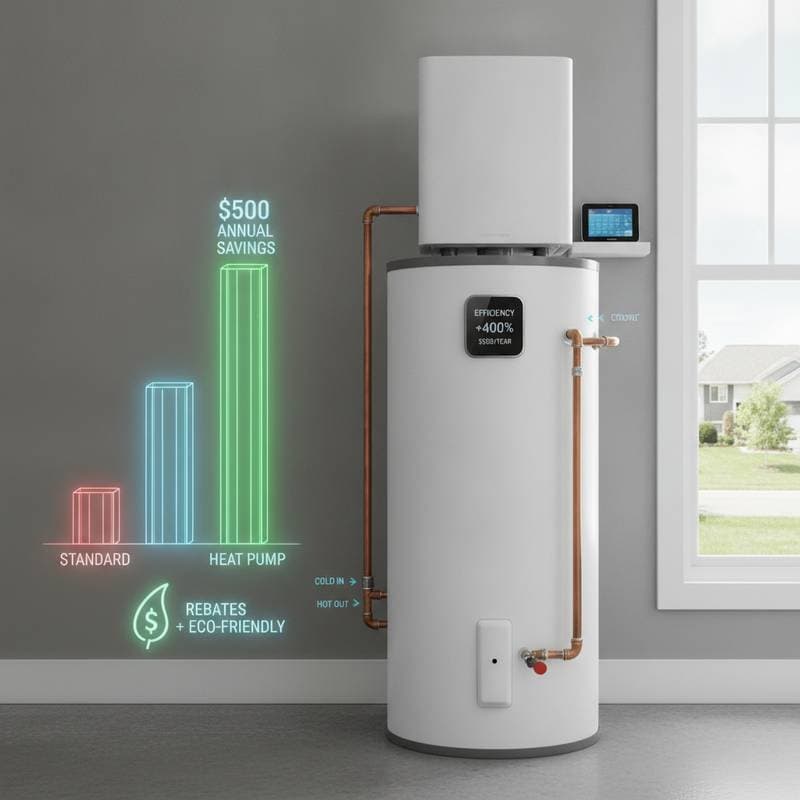
A heat pump water heater can reduce electricity consumption for water heating by approximately half compared with a standard electric resistance tank. Actual savings depend on local utility rates, household hot water demand, climate conditions, and installation quality. The initial purchase and installation cost typically exceeds that of conventional units, yet rebates and reduced operating expenses often improve long-term value.
This guide covers how hybrid heat pump water heaters operate, typical installation expenses, factors that influence savings, and methods for comparing available options. Homeowners in warm climates frequently experience optimal performance, while households in cooler spaces must evaluate ventilation requirements and room temperature before selecting a model.
Equipment and Installation Costs
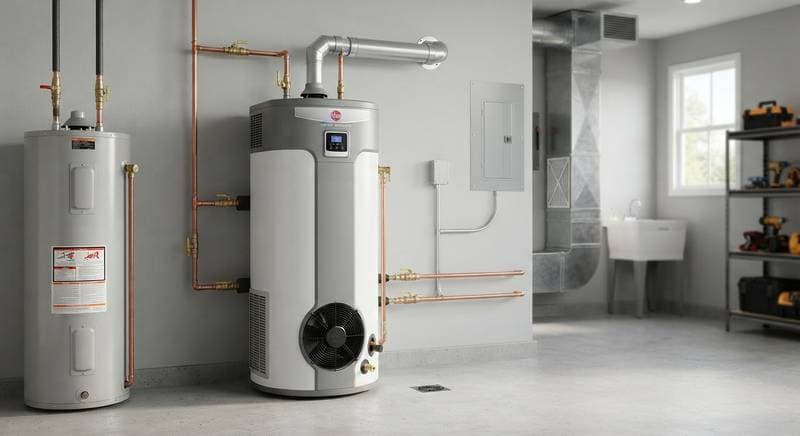
A heat pump water heater uses electricity to transfer heat from surrounding air into a storage tank. Most models include electric resistance elements that provide backup heating during periods of high demand or when the unit operates in faster recovery mode. This dual-function design explains why the equipment is commonly referred to as a hybrid water heater.
| Cost Category | Typical Range | Notes |
|---|---|---|
| Heat pump water heater unit | $1,200 to $3,000 | Price varies by tank size, features, and efficiency rating |
| Professional installation | $500 to $2,000 | Depends on electrical, plumbing, drainage, and venting requirements |
| Complete installed project | $1,700 to $5,000 | Complex upgrades can increase the total cost |
| Annual operating cost | $100 to $300 | Estimate depends on usage patterns, climate, and electricity rates |
These figures represent planning ranges rather than specific quotes. A straightforward replacement in an appropriate utility room may cost less than a project requiring new wiring, condensate drainage, or unit relocation. Request contractors to itemize equipment, labor, permits, and upgrades separately in their estimates.
Efficiency Principles
A conventional electric tank heats water through resistance elements. A heat pump water heater draws heat from surrounding air and transfers it to the tank. Moving heat generally requires less electricity than generating heat directly.
The efficiency advantage is strongest when the unit has access to adequate air volume and operates within the manufacturer's specified temperature range. A unit installed in a cramped, cold closet may run less efficiently or rely more frequently on backup elements. Proper placement and settings influence performance as much as the efficiency rating on the product label.
Tank Size Selection
Selecting appropriate tank capacity balances purchase cost against hot water availability. An undersized tank may trigger frequent backup heating or leave residents without adequate hot water. An oversized unit increases unnecessary expense and occupies additional floor space.
| Household Size | Recommended Tank Capacity | Planning Considerations |
|---|---|---|
| One or two people | 40 to 50 gallons | Evaluate daily shower and laundry patterns |
| Three or four people | 50 to 65 gallons | Suitable for typical household demand |
| Five or more people | 65 to 80 gallons | Assess recovery rate and simultaneous hot water use |
Household size provides only an initial guideline. A family with multiple consecutive showers may require different specifications than a larger household with distributed usage patterns. A contractor can assess peak demand, existing tank capacity, and recovery requirements before recommending a replacement.
Calculating Potential Savings
Savings depend on the type of water heater being replaced. Households switching from older electric resistance tanks often realize greater savings than those replacing gas units. Utility pricing also affects outcomes, as lower electricity rates reduce the dollar value of each kilowatt-hour saved.
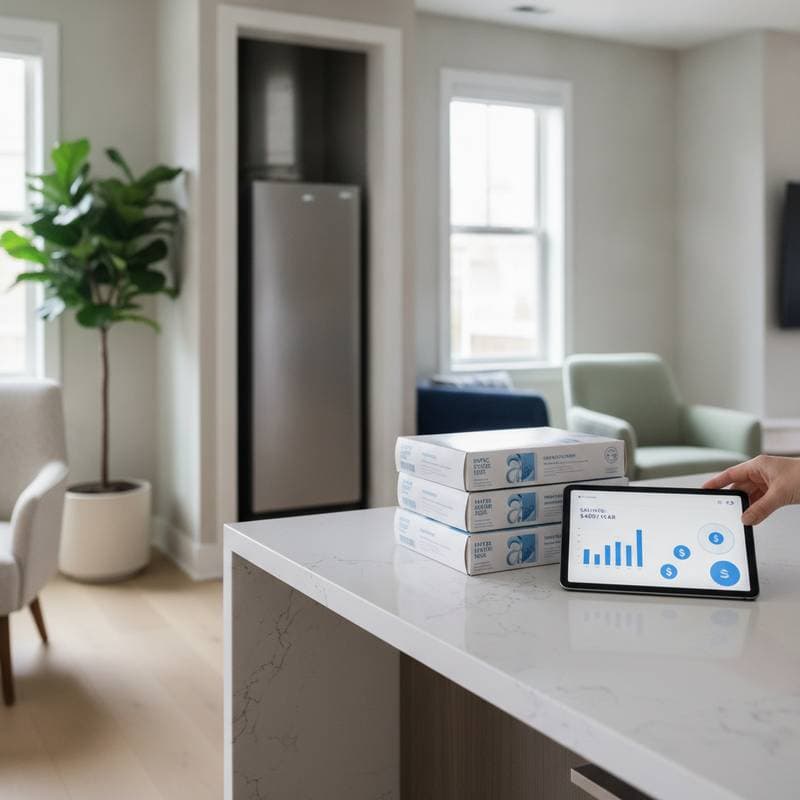
A practical savings estimate should compare annual energy consumption, local electric rates, and expected hot water usage. Product labels provide operating cost estimates, though these figures do not guarantee specific household results. Request the installer to explain assumptions used in any savings projection, including operating mode and room conditions.
Project Cost Variables
Several installation details affect both purchase price and long-term operating savings:
- Local labor rates and permit requirements influence total project costs
- Some installations require dedicated electrical circuits or panel modifications
- Heat pumps produce condensate that requires proper drainage or approved pump systems
- The unit needs adequate clearance and air volume for efficient operation
- Larger capacity tanks and advanced controls affect equipment pricing
- Utility rebates and incentive programs may reduce eligible costs
Installation Requirements and Additional Expenses
Heat pump water heaters often represent a cost-effective replacement when an existing electric tank occupies a suitable location. Project costs increase when the unit must be relocated, water lines require modification, or the installation space lacks proper drainage. Because the appliance extracts heat from indoor air, small enclosed spaces may need additional airflow provisions or alternative installation plans.
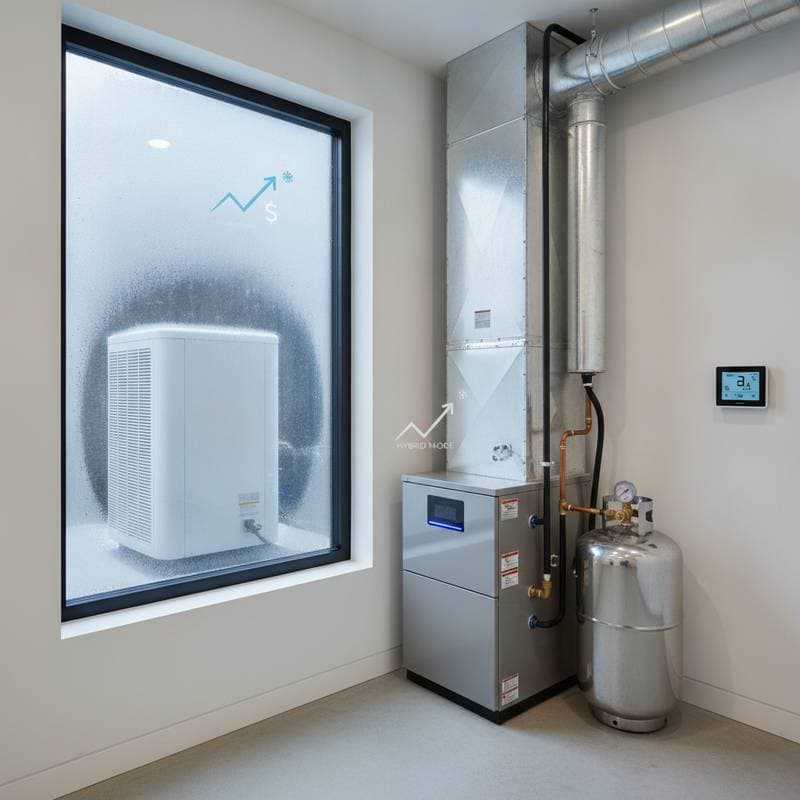
Consider noise levels and room temperature effects. The compressor and fan generate operating sounds, and the surrounding area may feel cooler during operation. Basements, garages, or utility rooms often provide suitable conditions if temperatures remain within manufacturer specifications. Avoid locations where cooled air could affect comfort or where freezing conditions might cause operational problems.
Evaluating the Investment
A heat pump water heater suits homeowners with electric water heating, appropriate installation space, and consistent hot water demand. The higher initial cost may be offset by reduced electricity consumption over the unit's service life, particularly when rebates are available. Payback periods vary by household circumstances.
Compare total installed cost against expected annual operating expenses, then account for available incentives and any required electrical or plumbing upgrades. When replacing a gas heater, evaluate both energy costs and household utility rates rather than assuming electric operation will reduce expenses. A written estimate based on specific home conditions provides more reliable guidance than general savings projections.
Service Life and Maintenance
Many heat pump water heater units have a service life of 10 to 15 years, though maintenance practices, water quality, operating conditions, and installation quality affect longevity. Review manufacturer warranty coverage for the tank and major components, as protection terms may vary by part.
Cold Weather Performance
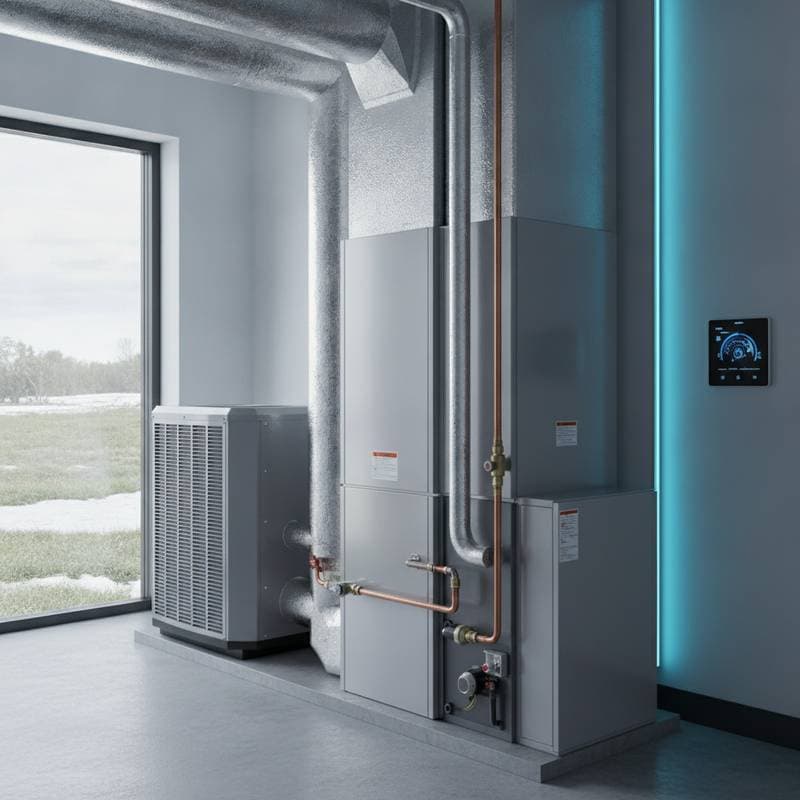
Units may operate in cold garages provided the space maintains temperatures within the model's specified range. Cold air can reduce efficiency and increase reliance on resistance heating elements. Verify product specifications and request an installer evaluation of seasonal conditions in the proposed location.
Installation Timeline
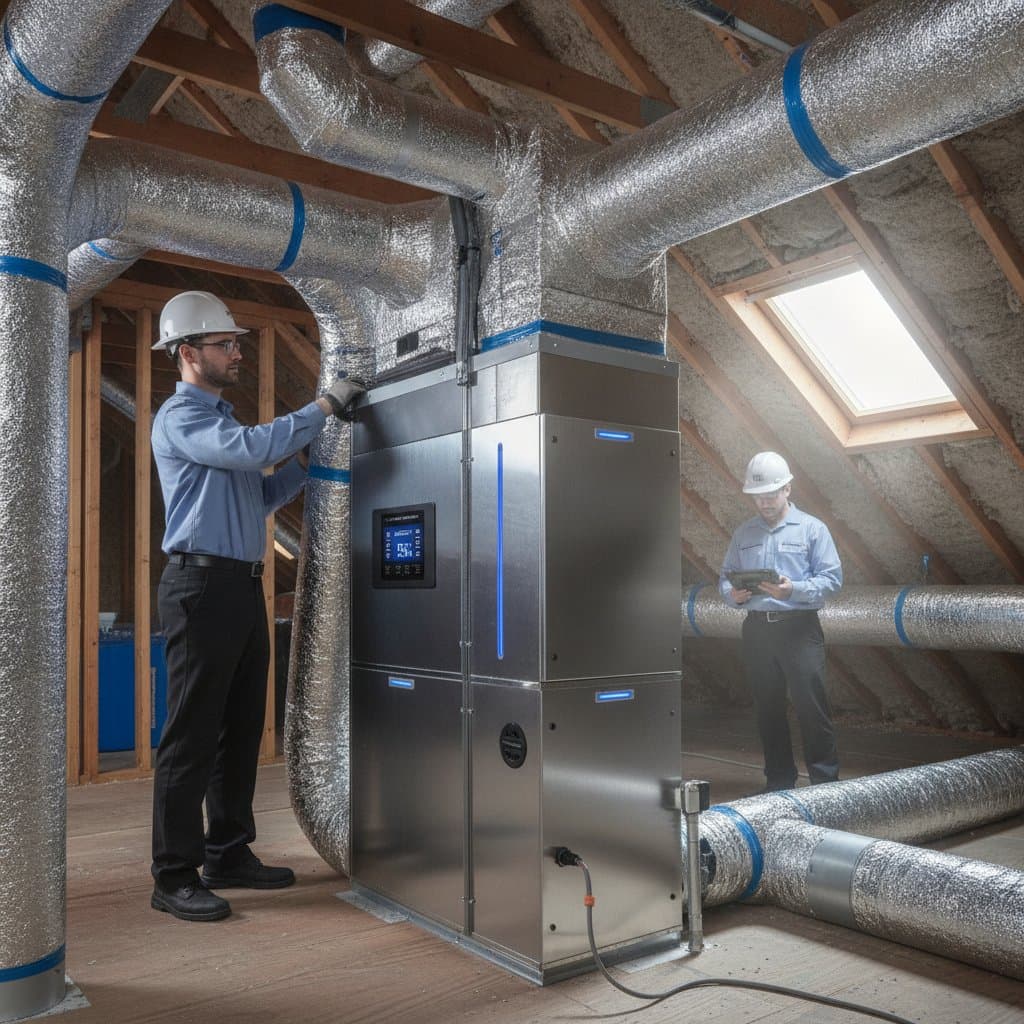
A straightforward replacement typically requires several hours. Projects involving new wiring, drain installation, plumbing modifications, permits, or unit relocation require additional time. Confirm with the contractor what services are included and whether the household will experience periods without hot water.
Service Indicators
Monitor for reduced hot water availability, unusual operating sounds, error codes, leaks, or sudden increases in electricity consumption. Some issues result from settings or airflow restrictions, while others require qualified technician intervention. Follow the owner's manual guidelines and avoid accessing electrical or refrigerant components without proper training.
Property Value Considerations
High-efficiency appliances may appeal to buyers concerned about energy costs, though resale value impact is not guaranteed. Maintain installation records, product documentation, and service history so subsequent owners can understand the system specifications.
Key Questions for Contractors
Before selecting a heat pump water heater, discuss these topics with potential installers:
- What electrical modifications, if any, will the installation require?
- How will condensate drainage be handled in the proposed location?
- What warranty coverage applies to the tank, compressor, and other major components?
- Which operating modes are most appropriate for your household's hot water usage patterns?
- Are current utility rebates or incentive programs available for qualifying models?
Request written estimates that separate equipment costs from labor and any necessary upgrades. Compare multiple proposals to identify the most suitable option for your specific circumstances and budget constraints.