Why SEER2 Mandates AC Upgrades Nationwide by 2025
Homeowners across the United States may encounter questions about the new SEER2 regulations for air conditioners. These regulations determine the minimum efficiency levels that heating, ventilation, and air conditioning systems must achieve. The following sections explain the SEER2 standards, their effects on existing air conditioners, and practical measures to maintain compliance while enhancing energy efficiency.
What is SEER2?
SEER2 represents Seasonal Energy Efficiency Ratio 2. This metric evaluates the efficiency with which an air conditioner or heat pump transforms electrical energy into cooling capacity for a residence. A higher SEER2 rating indicates greater cooling output per unit of electricity consumed.
SEER2 supersedes the original SEER system through revised testing protocols that align more closely with everyday operating conditions. These protocols account for increased airflow resistance and static pressure, factors that affect equipment performance in typical home settings rather than controlled laboratory scenarios.
The stricter SEER2 testing often results in ratings that appear slightly lower than equivalent SEER values for identical equipment. This adjustment provides consumers with a more precise assessment of actual efficiency and motivates manufacturers to develop systems that prioritize energy conservation.
Why SEER2 Standards Are Being Mandated
Federal regulators and industry bodies have established SEER2 standards to elevate national energy efficiency in cooling systems. Legacy equipment frequently consumes excess electricity, elevates monthly utility charges, and burdens electrical infrastructure. The new requirements address these challenges by gradually eliminating non-compliant units from the market.
These standards also accommodate geographic variations in climate. Minimum SEER2 thresholds differ by region; for instance, southern states with intense heat demand higher ratings compared to northern areas with milder summers. This tailored framework guarantees that installed systems deliver optimal efficiency suited to local environmental demands.
Common Signs It Is Time to Upgrade to a SEER2-Compliant System
When an existing air conditioner approaches the conclusion of its service life or fails to maintain consistent performance, replacement becomes both necessary and advantageous. Consider these indicators that suggest the need for a new installation:
- Escalating energy bills despite unchanged usage patterns
- Inconsistent cooling temperatures between rooms
- Repeated malfunctions requiring expensive repairs
- Excessive operational noise
- Reliance on obsolete refrigerants such as R-22
Recognition of these symptoms highlights the opportunity for a SEER2-compliant upgrade, which resolves multiple concerns and minimizes future expenses.
Key Factors Influencing SEER2 Upgrade Costs
Expenses associated with installing a SEER2-compliant air conditioner fluctuate based on several variables. Understanding these elements aids in accurate budgeting.
-
System Size and Capacity
Proper sizing requires a professional Manual J load calculation, which considers square footage, insulation quality, and window orientations. Oversized or undersized units lead to inefficiency and higher costs. -
Efficiency Rating
Systems with elevated SEER2 values, such as 16 or above, yield substantial energy reductions over time. Although the initial investment increases, rebates from utility providers can offset premiums for high-efficiency models. -
Type of System
Options include central systems for ducted homes, ductless mini-splits for targeted zones, and heat pumps for dual heating and cooling. Selection depends on home configuration, with mini-splits often suiting additions or older structures lacking ducts. -
Installation Complexity
Modifications to electrical panels, refrigerant lines, or zoning controls add to labor charges. Homes with accessible locations for outdoor units experience simpler and less costly setups. -
Brand and Warranty
Reputable manufacturers like Carrier or Trane provide extended warranties up to 10 years, enhancing long-term reliability. Investing in quality components reduces the frequency of service calls.
SEER vs. SEER2: What Homeowners Should Know
Both SEER and SEER2 assess cooling efficiency, yet SEER2 employs enhanced testing for greater accuracy. The distinctions include:
- SEER: Derived from laboratory tests under reduced external static pressure, simulating minimal resistance.
- SEER2: Incorporates elevated static pressure to mimic ductwork constraints and real-home airflow dynamics.
Consequently, SEER2 ratings typically range 4 to 5 percent below comparable SEER figures. This shift does not indicate diminished performance; rather, it establishes a benchmark grounded in practical usage. Homeowners should compare ratings within the same system to ensure fair evaluations.
The SEER2 Upgrade Process
Transitioning to a SEER2-compliant system follows a structured sequence. Familiarity with each phase facilitates informed decision-making and financial preparation.
-
Home Evaluation
An HVAC specialist conducts a comprehensive audit, including Manual J calculations for load requirements, duct leakage tests, and insulation assessments. -
System Selection
Recommendations align with regional SEER2 minima, such as 15.2 in the Southeast, while factoring in budget and preferences for features like variable-speed compressors. -
Removal of Old Equipment
Technicians dismantle and recycle the prior unit, adhering to EPA guidelines for refrigerant recovery to prevent environmental harm. -
Installation and Testing
The new equipment integrates with existing infrastructure, followed by performance verification through airflow measurements and pressure checks. -
Final Inspection and Education
A walkthrough covers user controls, seasonal maintenance routines, and energy-saving strategies, such as programmable thermostat integration.
This methodical approach guarantees seamless operation and maximizes the system's lifespan, often exceeding 15 years with proper care.
DIY Maintenance vs. Hiring a Pro
Homeowners may perform basic upkeep on SEER2 systems, but complex tasks demand expert intervention to preserve safety and efficiency.
Safe DIY Tasks
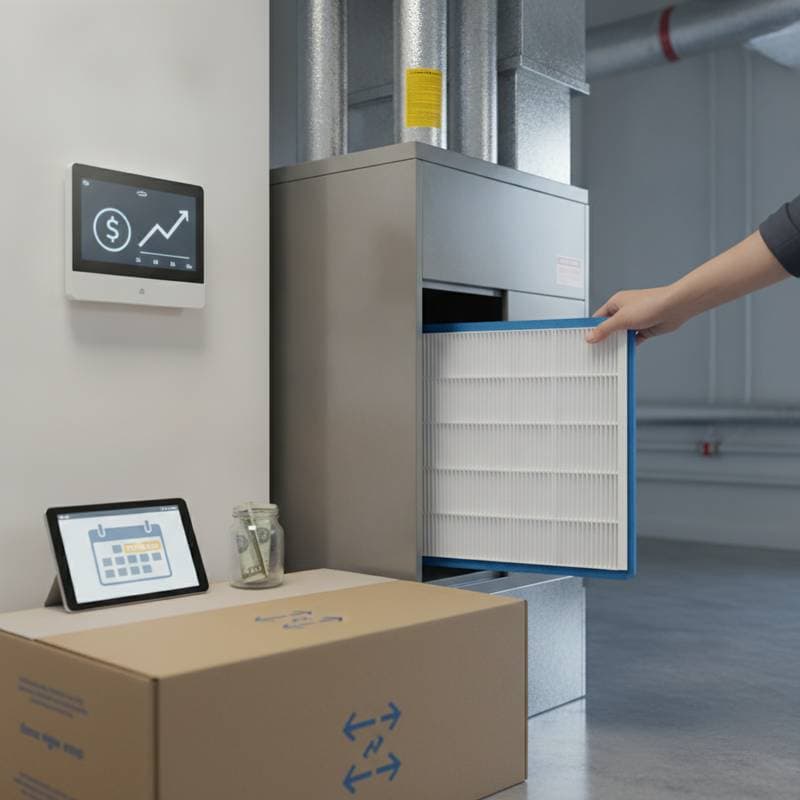
- Clean or replace air filters monthly during peak seasons to maintain optimal airflow.
- Clear debris around the outdoor condenser unit to prevent overheating and strain on components.
- Verify thermostat calibration against a separate thermometer for precise temperature control.
Tasks for a Professional
- Recharge refrigerant to manufacturer-specified levels, requiring certified handling.
- Examine electrical wiring and capacitors for wear that could lead to failures.
- Balance airflow through duct modifications to achieve uniform static pressure.
- Conduct comprehensive annual tune-ups to sustain peak SEER2 performance.
Professional services safeguard warranty validity and avert voiding coverage through unauthorized adjustments.
Frequently Asked Questions
What happens if an upgrade to a SEER2-compliant system does not occur?
Existing units remain operational until failure, but post-2025 replacements must comply with SEER2. Non-compliant parts will phase out, limiting future repair options.
Do SEER2 units cost more to install?
Upfront prices may rise by 10 to 20 percent due to advanced technology, yet enhanced efficiency typically recoups costs within 5 to 7 years via reduced energy consumption.
Can existing ductwork accommodate a SEER2 system?
Many setups suffice, provided ducts seal tightly and measure under 0.5 inches of water column in static pressure. Professionals seal leaks or add returns as necessary.
Are SEER2 systems quieter?
Advanced designs incorporate sound-dampening materials and inverter-driven compressors, reducing noise levels to as low as 50 decibels, comparable to a quiet conversation.
How can the current system be verified for SEER2 compliance?
Locate the AHRI certification label on the outdoor unit or consult the model specifications via manufacturer databases. An HVAC expert provides definitive confirmation.
Steps to Secure Long-Term Comfort and Savings
Adopting a SEER2-compliant air conditioner extends beyond regulatory adherence; it enhances daily living through superior climate control and fiscal prudence.
Contact a certified HVAC provider for a no-obligation assessment of your current installation. This consultation identifies compliance gaps, proposes tailored solutions within your financial parameters, and positions your home for sustained efficiency and reduced environmental impact.