How Much Can HVAC Combos Slash Energy Bills in 2025?
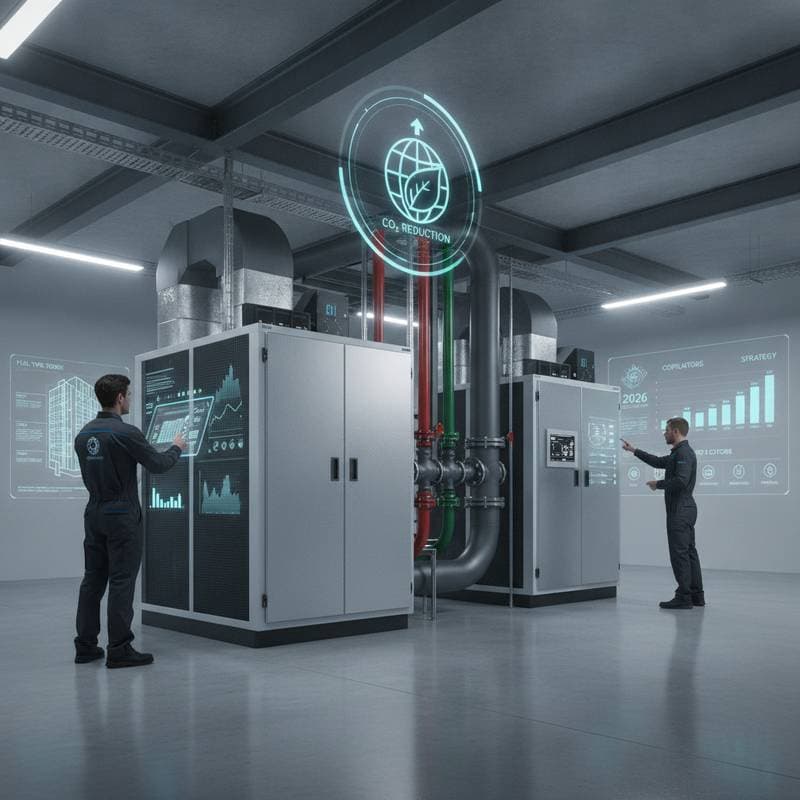
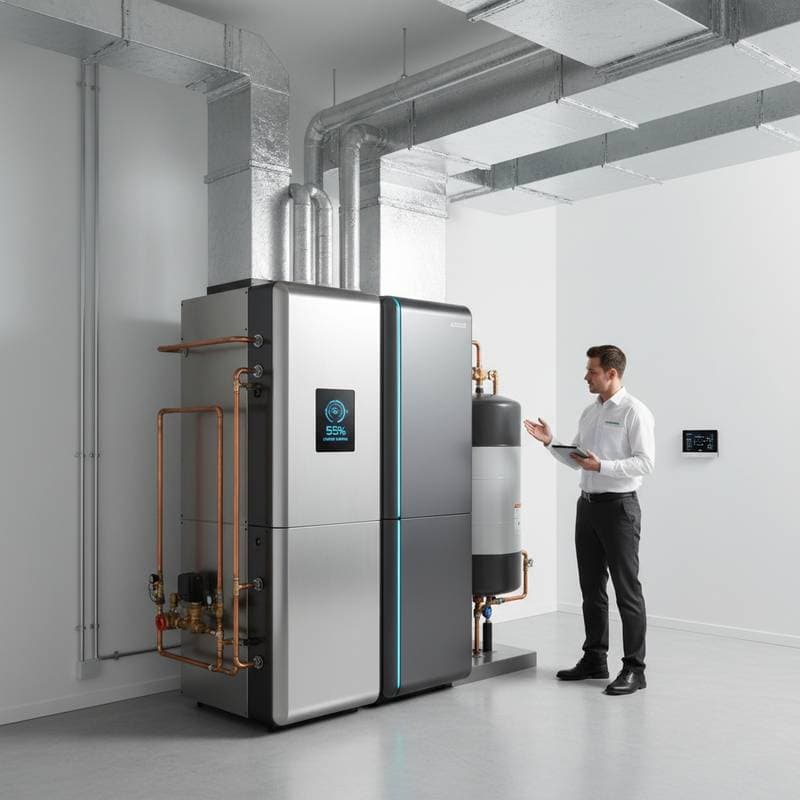
Homeowners increasingly select HVAC and water heater combo systems to manage heating, cooling, and hot water needs more intelligently. These integrated units represent a significant advancement in energy efficiency. Industry analyses indicate that contemporary HVAC combos reduce energy consumption by as much as 55 percent relative to conventional separate systems. Such reductions lead to substantial decreases in monthly utility expenses and contribute to a diminished carbon footprint.
This guide details the operational principles of HVAC-water-heater combos, associated expenses, and reasons for their growing popularity among environmentally aware residents. Readers gain insights into installation processes, influencing cost elements, and strategies for selecting an optimal system. Understanding these aspects empowers informed decisions that enhance home comfort while minimizing long-term expenditures.
HVAC combos function by consolidating thermal energy management into a single apparatus. They employ heat pumps or hybrid mechanisms to capture and redistribute warmth from one process to another, such as using excess heat from air conditioning to preheat domestic water. This heat recovery process eliminates redundant energy demands, distinguishing combos from traditional furnaces, air conditioners, and standalone water heaters that operate independently and waste potential thermal resources.
Average Cost of an HVAC-Water-Heater Combo
The expense for installing an HVAC-water-heater combo varies based on unit capacity, performance specifications, and manufacturer. Typically, the total investment ranges from $8,000 to $15,000, encompassing the equipment and professional installation. Although the initial outlay exceeds that of individual components, ongoing reductions in energy use and upkeep expenses justify the choice as a prudent financial strategy.
Consider the following breakdown of common system types:
| Type | Average Cost | Details |
|---|---|---|
| Air-to-water heat pump combo | $8,000 – $12,000 | Suited for compact residences or regions with temperate weather; excels in extracting ambient air heat for both space conditioning and water heating. |
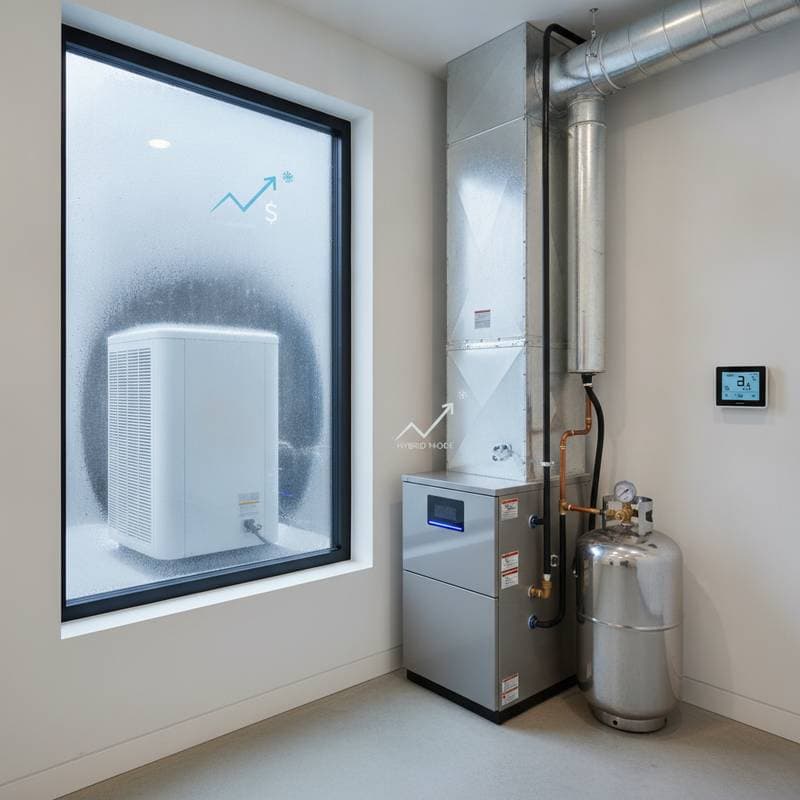
| Dual-fuel hybrid combo | $10,000 – $15,000 | Combines electric heat pumps with gas backups for optimal performance; switches fuels automatically to maximize efficiency during peak demands. |
| Geothermal combo system | $14,000 – $25,000 | Draws stable underground temperatures for superior energy extraction; delivers the highest savings in variable climates but requires site-specific ground loops. |
Homeowners often recoup the installation investment through energy bill reductions in five to seven years. This timeline hinges on local utility rates, household consumption habits, and system efficiency. For instance, in areas with high electricity costs, payback accelerates due to the combos' reliance on renewable-like heat sources over direct fuel combustion.
Key Factors Influencing HVAC Combo Costs
Several elements determine the final price of an HVAC-water-heater combo installation. Addressing these upfront helps budget accurately and avoid surprises.
- System size: Residences with greater square footage demand larger units to distribute conditioned air and hot water evenly. Oversized systems increase costs but prevent inefficiency from underperformance.
- Energy efficiency rating: Seek models with elevated SEER (Seasonal Energy Efficiency Ratio) for cooling and HSPF (Heating Seasonal Performance Factor) for heating. Higher ratings, such as SEER 20 or above, yield amplified savings over the system's lifespan.
- Climate conditions: Homes in harsh winters or scorching summers benefit from robust designs, potentially adding costs for integrated backup elements like electric resistance heaters.
- Labor rates: Regional differences in contractor fees apply; urban areas often command premiums for skilled labor and expedited service.
- Ductwork and plumbing upgrades: Retrofitting older homes may involve modifying vents, pipes, or electrical systems to accommodate the combo's unified design, escalating expenses by 10 to 20 percent.
- Rebates and tax credits: Programs from utilities or federal initiatives, such as those under energy conservation acts, can offset costs by thousands. Verify eligibility through local energy offices before purchase.
By evaluating these factors, homeowners tailor selections to their specific circumstances, ensuring cost-effectiveness and performance alignment.
HVAC Combo FAQs
How long does an HVAC-water-heater combo last?
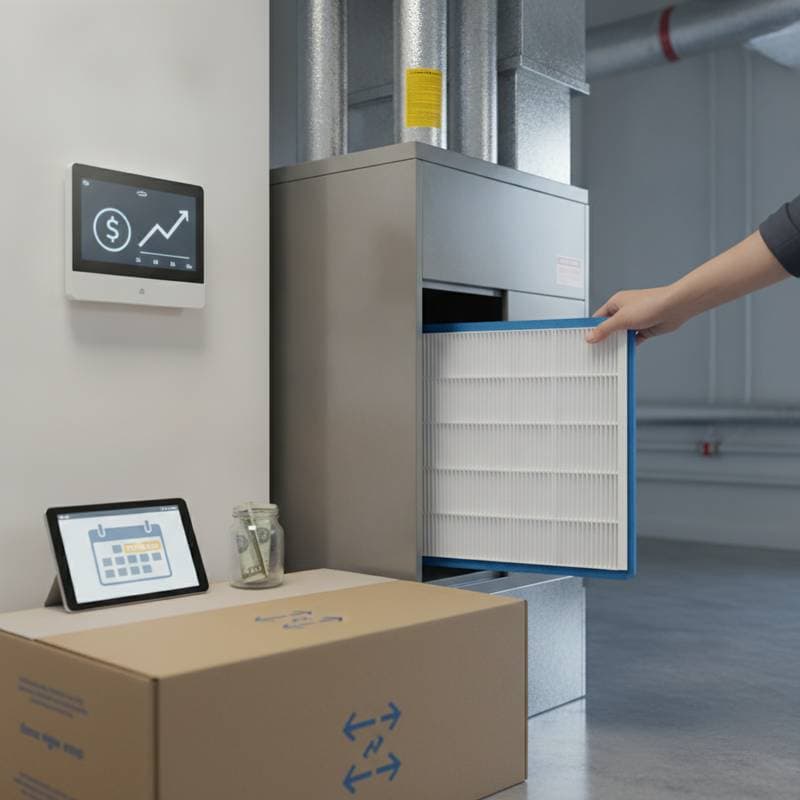
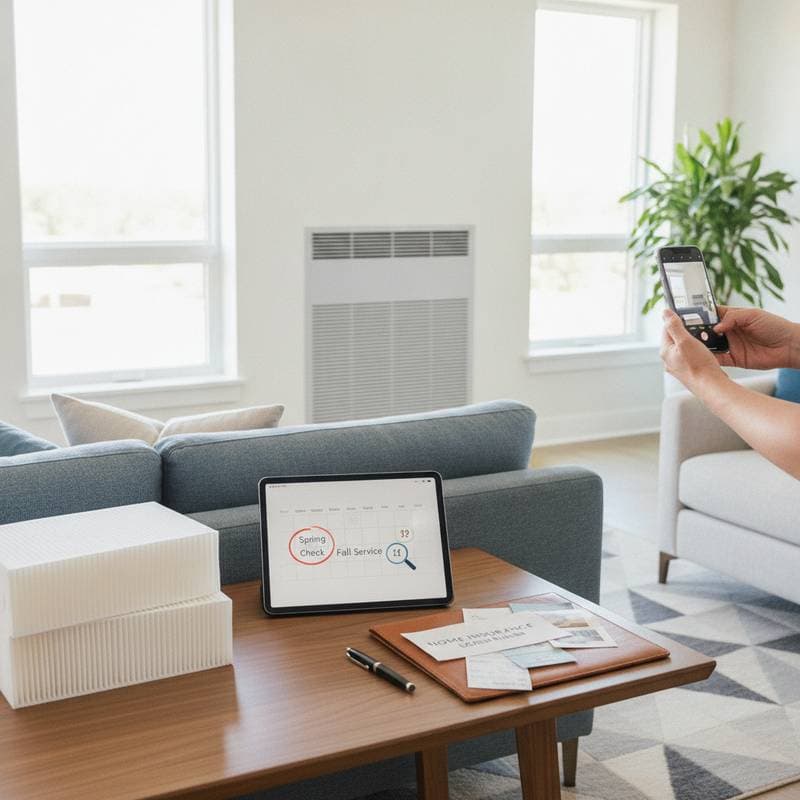
These systems endure 15 to 20 years under routine care. Durability varies with construction materials, operational intensity, and environmental exposure. Schedule yearly professional inspections and replace filters quarterly to preserve peak efficiency and avert premature wear.
Can an HVAC combo heat and cool at the same time?
Affirmative. Advanced controls enable simultaneous operation by isolating air circulation from water heating circuits. This capability suits dynamic households, maintaining comfort year-round without compromising hot water availability during cooling cycles.
Are HVAC combos noisy?
Current models minimize sound through variable-speed blowers and sound-dampening enclosures around compressors. Operating decibels typically range from 50 to 60, quieter than many conventional units, allowing placement near living areas without disturbance.
How often should the system be serviced?
Annual professional servicing ensures reliability. Technicians verify refrigerant charges, test electrical integrity, and clear heat exchanger surfaces of debris. Homeowners perform basic tasks, like coil cleaning, between visits to sustain efficiency.
Securing Quotes for HVAC Combo Installation
Obtaining multiple quotes facilitates comparison and negotiation. Contact at least three certified contractors specializing in hybrid systems. Request itemized estimates covering equipment, labor, and any modifications.
Essential Questions to Pose
- What capacity matches my home's precise heating, cooling, and hot water requirements?
- Which manufacturers provide superior warranties and proven efficiency metrics?
- Is my existing ductwork and plumbing compatible, or what adaptations are necessary?
- What rebates, tax incentives, or financing options apply in my locality?
- How many days does the full installation process require?
- Outline the post-installation maintenance schedule and associated costs.
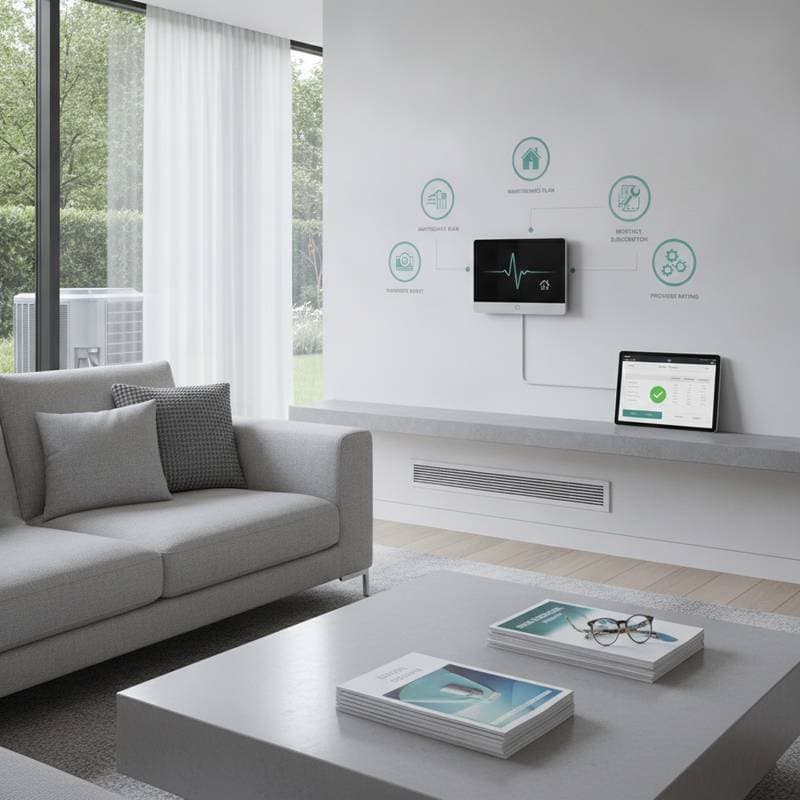
- Does the system support integration with smart home devices for automated control?
- Provide projections for annual energy savings based on my utility data.
- Offer details on payment plans or low-interest loans for upgrades.
These inquiries reveal the contractor's expertise and align expectations, leading to a seamless project execution.
Sustaining Efficiency Through Maintenance
Proper upkeep maximizes the benefits of an HVAC-water-heater combo. Establish a maintenance routine to monitor performance and extend operational life. Track energy usage monthly via utility statements to detect anomalies early.
Homeowners handle simple tasks: vacuum registers seasonally, inspect for leaks around connections, and ensure unobstructed airflow paths. Professional interventions address complex diagnostics, such as calibrating sensors or flushing water lines. Consistent attention prevents efficiency drops that could inflate bills by 10 to 15 percent over time.
Investing in maintenance yields compounding returns. Systems under diligent care operate at 90 percent or higher efficiency, accelerating payback and enhancing indoor air quality. Consult your installation manual for model-specific protocols, and partner with certified technicians for specialized service.
Realizing Long-Term Home Efficiency Gains
Adopting an HVAC-water-heater combo positions homeowners for sustained savings and comfort. These systems not only trim energy bills by up to 55 percent but also future-proof residences against rising utility rates. Evaluate your current setup against combo advantages to determine readiness for an upgrade.
The integration of heating, cooling, and water functions streamlines home operations, reduces mechanical complexity, and lowers overall emissions. Homeowners report quicker morning showers, consistent temperatures, and peace of mind from reliable performance. Take the first step by assessing your energy needs and exploring professional consultations today.