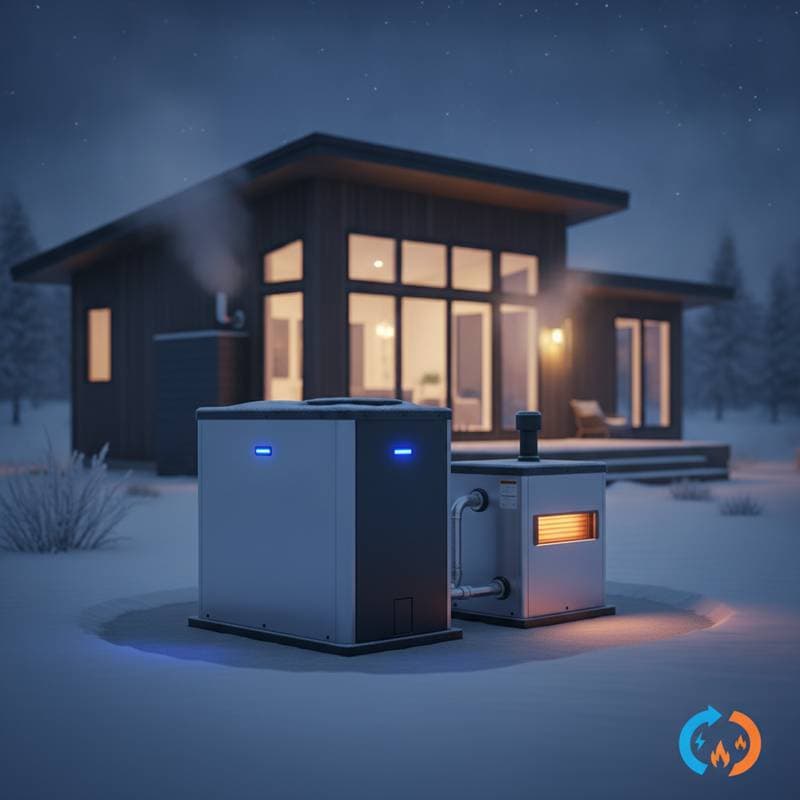
Why Heat Pump Water Heaters Deliver $550 in Yearly Savings in 2025
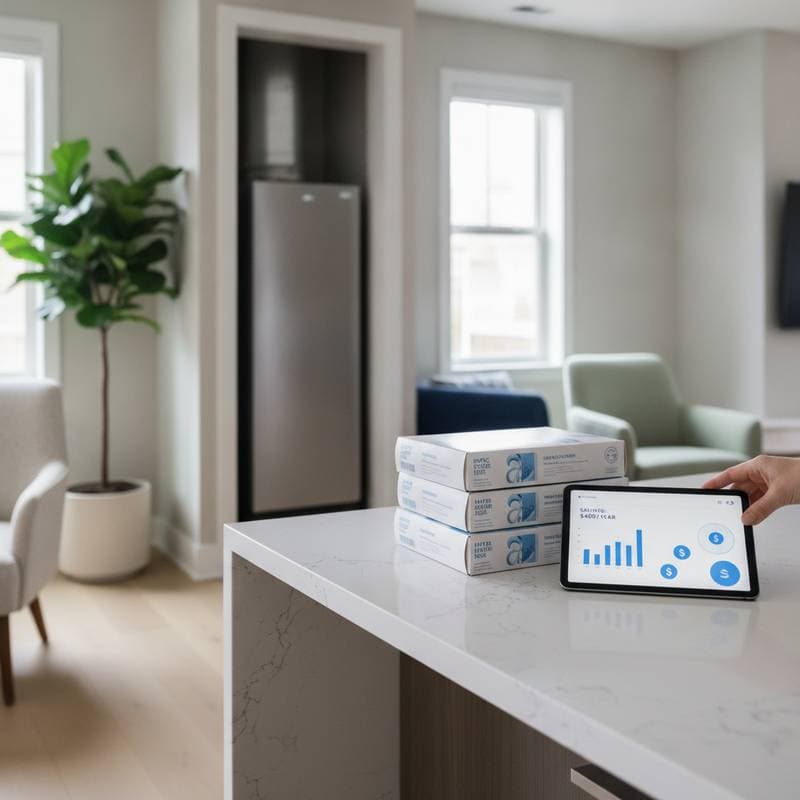
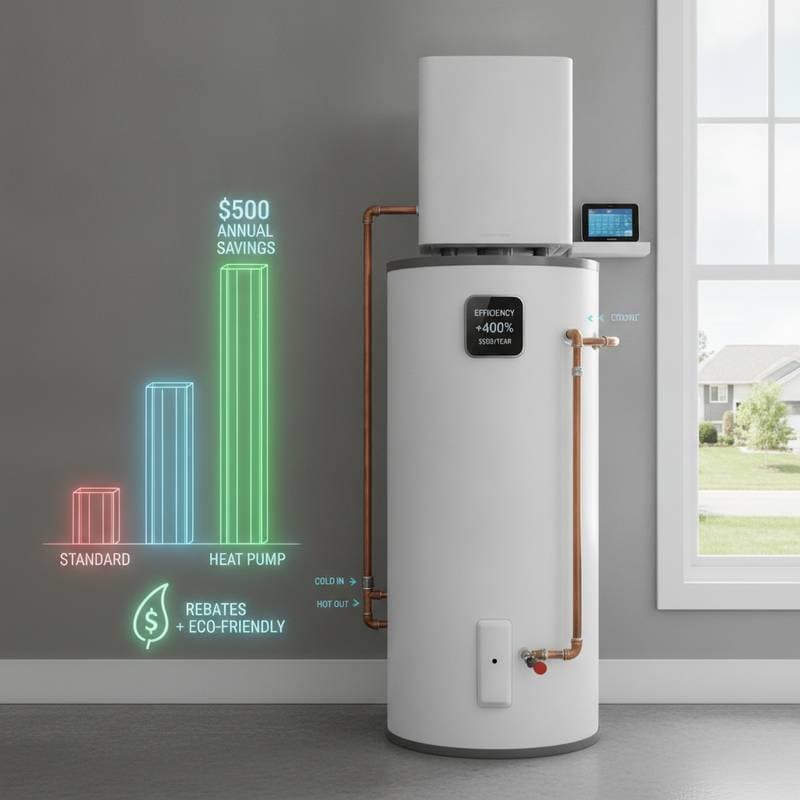
Heat pump water heaters achieve approximately $550 in annual energy savings over standard electric models. These systems transfer heat from the surrounding air rather than generate it, which cuts electricity consumption by roughly two-thirds. This guide explains the mechanics of these savings, key cost influences, and reasons this technology ranks among the most intelligent home upgrades.
| Item | Average Value |
|---|---|
| Annual Energy Savings | $500 - $600 |
| Average Installation Cost | $2,000 - $3,500 |
| Typical Payback Period | 3 - 6 years |
| Energy Efficiency Rating | 2 to 3 times standard |
Average Costs for Heat Pump Water Heaters
Costs for heat pump water heaters depend on unit size, efficiency level, and site-specific installation needs. Expect to invest between $2,000 and $3,500 for full installation. The unit alone ranges from $1,200 to $2,000, with labor and ancillary work adding $800 to $1,500.
The upfront investment exceeds that of conventional water heaters, yet energy savings recover the difference in a short time. Beyond payback, annual reductions persist, establishing this as a superior long-term energy solution.
Cost Breakdown by Heater Type
| Type | Unit Cost | Installed Cost | Efficiency (EF) |
|---|---|---|---|
| Standard Electric | $500 - $1,200 | $1,000 - $2,000 | 0.9 |
| Gas Tank Water Heater | $700 - $1,500 | $1,500 - $3,000 | 0.6 - 0.8 |
| Heat Pump Water Heater | $1,200 - $2,000 | $2,000 - $3,500 | 2.0 - 3.0 |
The Energy Factor (EF) quantifies efficiency as the volume of hot water produced per unit of energy input. Higher EF values indicate superior performance, with heat pump models outperforming standards by two to three times.
Factors Influencing Heat Pump Water Heater Pricing
Unit Size and Capacity
Households with greater demand require tanks from 50 to 80 gallons. Larger capacities demand more materials and extended installation time, elevating expenses. A 50-gallon model suits most families, supplying ample hot water while minimizing energy waste.
Brand and Build Quality
Reputable brands incorporate features like smart thermostats, reduced noise, and extended warranties. The added initial cost yields benefits through durability and lower repair frequency, enhancing overall value.
Energy Efficiency Rating
The Uniform Energy Factor (UEF) assesses energy utilization. Elevated UEF ratings correlate with reduced operational expenses. Units exceeding 2.5 UEF strike an optimal balance of capability and affordability.
Installation Demands
Homes with existing electrical infrastructure and ventilation space simplify the process. Modifications for wiring, ductwork, or drainage can add several hundred dollars to labor fees.
Regional Climate and Utility Rates
Warmer areas boost efficiency as ambient air provides abundant heat. Colder zones maintain functionality but may engage auxiliary elements more often, modestly impacting savings. Local electricity prices directly scale the annual financial benefits.
Residential Heat Pump Water Heater Designs
Two primary configurations serve homes, each with distinct advantages and considerations.
Integrated Units
These all-in-one systems merge the heat pump mechanism with the storage tank, representing the standard choice for residences.
Advantages:
- Space-efficient design simplifies placement
- Suited for basements or utility closets
- More affordable initial outlay than alternatives
Drawbacks:
- Moderate operational sound levels
- Dependence on sufficient indoor airflow
Split Systems
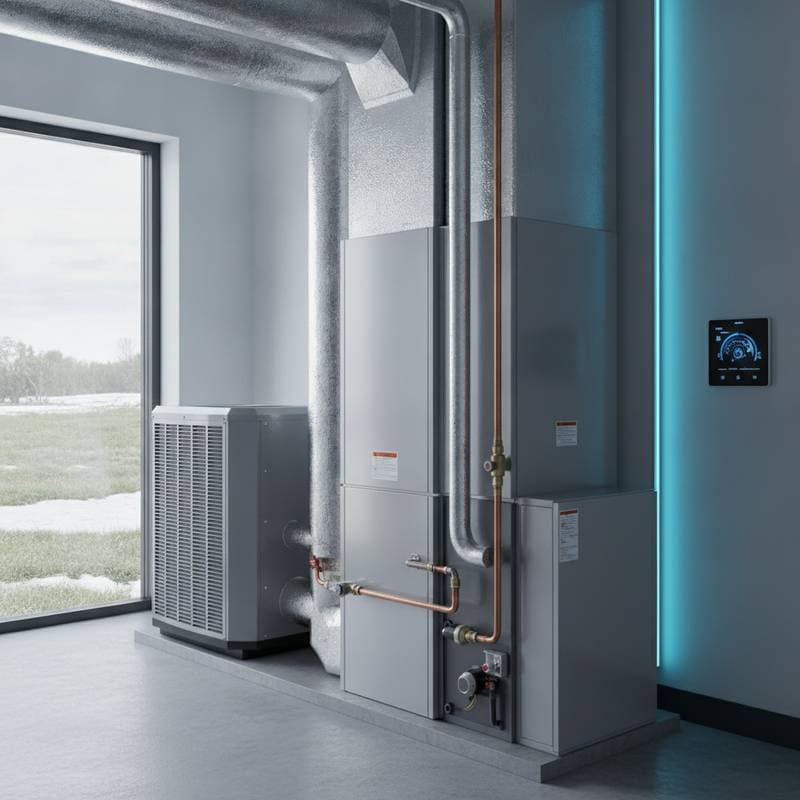
This setup divides the heat pump from the tank, akin to mini-split air handlers. The compressor resides outdoors, while the tank stays inside.
Advantages:
- Minimal indoor noise
- Fits constrained interior areas
- Potential integration with existing outdoor units
Indicators for Water Heater Replacement
An underperforming current unit signals the value of upgrading to a heat pump model. Consider these common alerts:
- Diminished hot water supply during routine use
- Escalating utility bills despite unchanged habits
- Age exceeding 8 to 10 years
- Noises like popping from accumulated sediment
- Visible rust on the tank or connections
- Inconsistent water temperatures
Proactive replacement averts leaks and disruptions, while introducing greater efficiency.
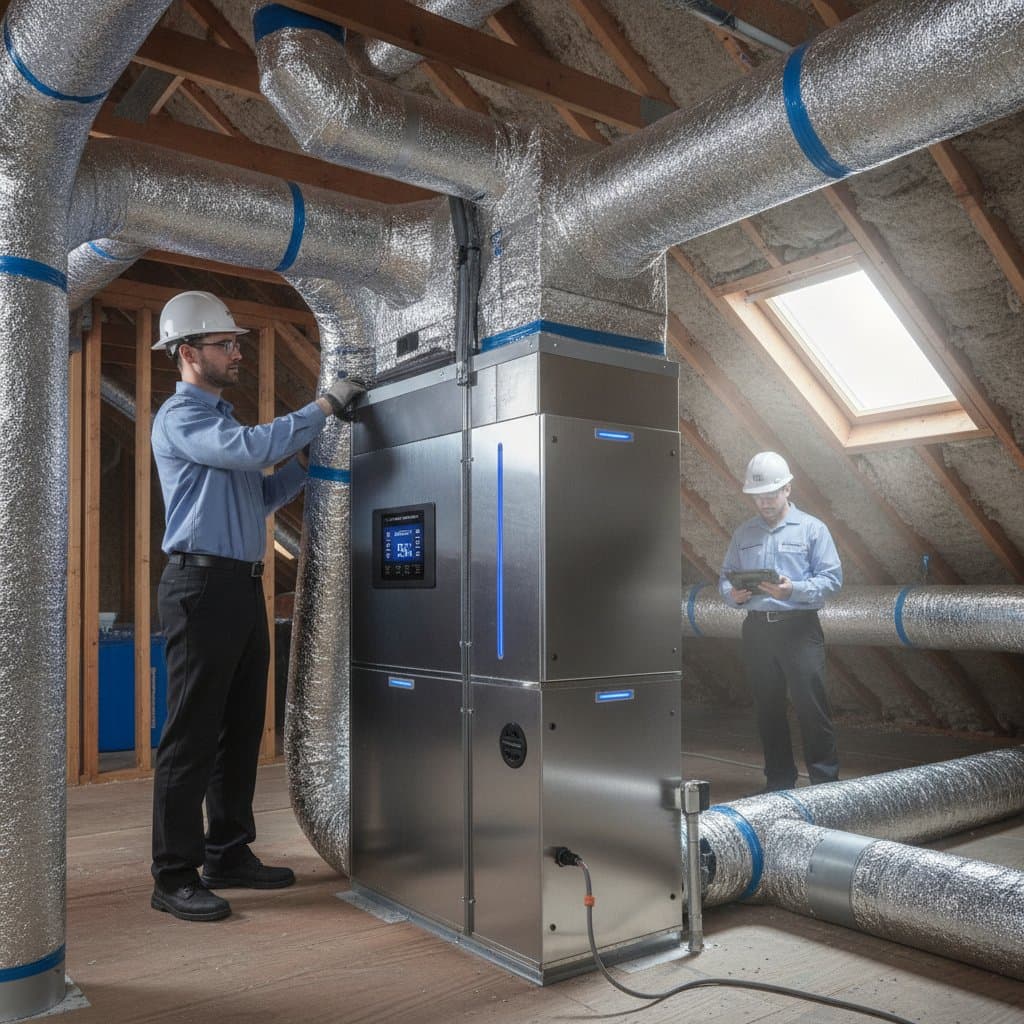
Steps in Heat Pump Water Heater Installation
Professional expertise ensures safe and effective setup. The process unfolds as follows:
-
Site Evaluation and Selection
Technicians assess hot water requirements, space availability, and power compatibility to recommend an appropriate size and type. -
Old Unit Removal
The legacy system undergoes draining, disconnection, and secure disposal. -
Site Preparation
Inspectors verify airflow, drainage, and electrical readiness. -
System Integration
The new unit connects to plumbing and power sources. -
Performance Verification
Checks confirm leak-free operation, heating efficacy, and control settings. -
Finalization and Education
Cleanup occurs, followed by operational and maintenance instructions.
Most installations conclude in several hours, though adaptations may extend the timeline.
Labor Expenses for Installation
Skilled labor ranges from $800 to $1,500, scaled by complexity. Electrical enhancements incur additional charges if the home's system requires them.
Self-installation risks warranty invalidation and suboptimal function. Licensed HVAC or plumbing experts guarantee safety and peak efficiency.
Common Questions on Heat Pump Water Heaters
How Do These Systems Achieve Substantial Energy Reduction?
The mechanism extracts heat from ambient air and concentrates it into the water, much like a refrigerator in reverse. This method demands far less power than direct resistance heating, slashing consumption by about two-thirds.
Do They Function in Colder Regions?
Current designs operate effectively across climates. Placement in areas above freezing, such as garages or basements, suffices for reliable performance.
What Is Their Expected Lifespan?
Units endure 10 to 15 years under routine care. Filter cleaning and periodic inspections prolong service and sustain efficiency.
Can Incentives Offset Costs?
Numerous locales provide rebates, credits, or utility programs for efficient installations. These reduce initial expenses and accelerate return on investment.
What Noise Levels Should Homeowners Expect?
Operation resembles a refrigerator's hum. Placement in non-living spaces keeps any sound unobtrusive.
What Maintenance Schedule Applies?
Inspect filters quarterly and flush the tank yearly to clear buildup. Biennial professional reviews maintain component integrity.
Is Compatibility with Existing Infrastructure Common?
Professionals adapt most setups with ease, requiring only minor plumbing or electrical tweaks.
Planning Your Upgrade for Sustained Savings
Adopting a heat pump water heater trims expenses by hundreds annually, curbs emissions, and secures consistent hot water supply. Select sizing precisely, secure expert installation, and commit to upkeep for maximum returns.
Consult certified professionals to review options, obtain estimates, and arrange setup. This strategic move yields enduring financial and performance gains.