
Heat Pump Water Heaters Can Lower Your Utility Bills
If your water heating costs take a noticeable bite out of your household budget, a heat pump water heater may help reduce energy use. This guide explains how hybrid water heaters work, what affects potential savings, and how to decide whether one suits your home.
What Is a Heat Pump Water Heater?
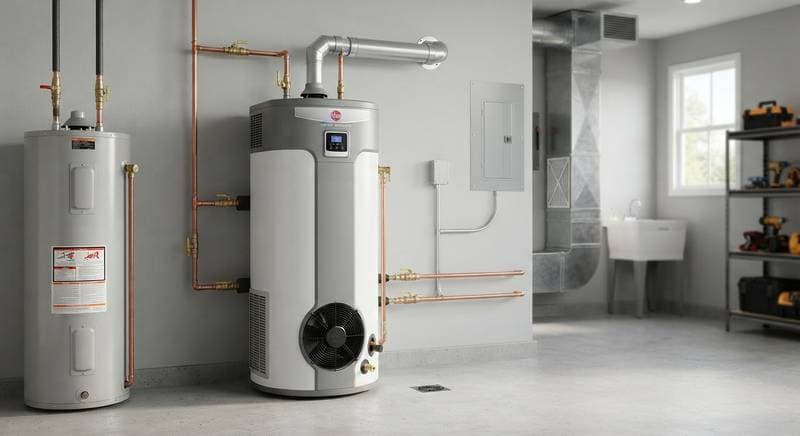
A heat pump water heater moves heat from the surrounding air into a storage tank. It uses electricity to transfer heat rather than relying only on electric resistance elements, which generate heat directly. This approach can use less electricity for water heating, though actual results depend on household habits, climate, equipment, and utility rates.
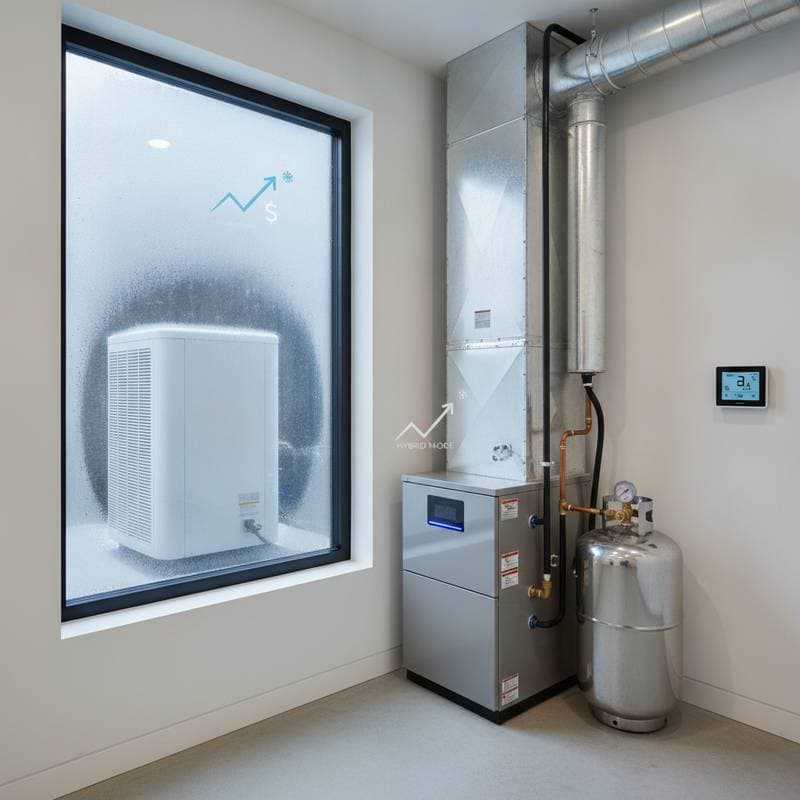
Many models are called hybrid water heaters. They combine heat pump operation with electric resistance heating. The heat pump handles most routine heating, while the resistance elements can help when hot water demand is high or the room is too cool for efficient heat transfer.
How Can a Hybrid Water Heater Reduce Bills?
A standard electric tank heater uses electricity to warm water inside the tank. A heat pump model instead draws warmth from the air and transfers it to the water. Since moving heat can require less energy than creating it directly, the system may lower the electricity used for water heating.
What Affects Your Savings?
Your results depend on several factors:
- Hot water use: A household that uses a lot of hot water may have more opportunity to reduce energy use, though heavy demand can also trigger resistance heating.
- Utility rates: Electricity prices differ by location and provider. A lower energy use does not always translate into the same bill reduction for every household.
- Installation location: The unit needs enough surrounding air and suitable temperatures to operate efficiently.
- Settings and habits: High water temperatures, frequent long showers, and constant use of high-demand modes can raise energy use.
- Existing equipment: Replacing an older, inefficient electric tank may offer a different level of savings than replacing a newer model.
Treat savings claims as estimates, not guarantees. Ask a qualified HVAC or plumbing professional to consider your household's use, local energy rates, and installation conditions.
Is a Heat Pump Water Heater Right for Your Home?
A heat pump water heater can be a strong fit if you have an electric tank, room for the equipment, and a suitable location with enough air volume. It may also suit homeowners who want to reduce water heating energy use without giving up a storage tank.
There are practical details to review before choosing one. Heat pump models are often taller or wider than standard tanks, and they need a drain for condensate, the water formed as the unit removes moisture from the air. They also make some operating noise and release cooler air into the surrounding space.
Check the Installation Space
A professional can check whether your home has:
- Enough clearance around the unit for airflow and service access
- A suitable drain or a safe plan for condensate removal
- Adequate floor support for a full tank
- The required electrical supply
- A room that stays within the manufacturer's recommended temperature range
A garage, basement, or utility room may work well, but conditions differ from home to home. A cramped closet or very cold area may limit performance or make installation unsuitable.
Hybrid Water Heater Modes and Features
Many hybrid water heaters offer several operating modes. Names differ by manufacturer, so check the product guide or ask your installer to explain the controls.
- Heat pump mode: Prioritizes efficient heat transfer and may take longer to recover after heavy use.
- Hybrid mode: Uses the heat pump for routine demand and adds resistance heat when needed.
- Electric mode: Uses resistance elements, which can heat water faster but may use more electricity.
- Vacation mode: Reduces heating while the home is unoccupied, where available.
For everyday use, the most efficient setting is often a heat pump or hybrid mode, but household needs matter. If you regularly run out of hot water, a professional can review tank size, settings, and usage patterns before recommending a change.
Choosing a Model and Planning the Cost
The purchase and installation cost depends on the equipment and work your home needs. Prices vary by location, contractor, model, and project specifics, so request written estimates based on an in-home assessment rather than relying on a general figure.
Ask contractors to explain:
- Tank size and capacity: The right size should support your household without unnecessary energy use.
- Efficiency rating: Compare product information and expected operating costs using local utility rates.
- Installation work: The quote should identify electrical updates, drain work, removal of the old tank, and any other required changes.
- Warranty and service: Review coverage, maintenance needs, and who handles future repairs.
- Available incentives: Utility providers or government programs may offer rebates or other support. Confirm eligibility and current terms directly with the program before counting on that help.
A lower equipment price may not be the best value if it excludes necessary installation work or does not fit your home. Compare complete quotes and ask what each one includes.
DIY Checks and Professional Installation
You can take a few simple steps to support efficient operation. Keep the area around the unit clear, follow the manufacturer's maintenance instructions, and watch for leaks or unusual changes in noise. If the model has an air filter that homeowners can clean, use the manual's directions and disconnect power as instructed.
Installation and repairs require more care. A heat pump water heater involves electrical connections, water lines, drainage, and a heavy tank. Do not attempt electrical wiring, refrigerant work, or major plumbing changes yourself. Incorrect work can cause shock, water damage, equipment failure, or safety hazards.
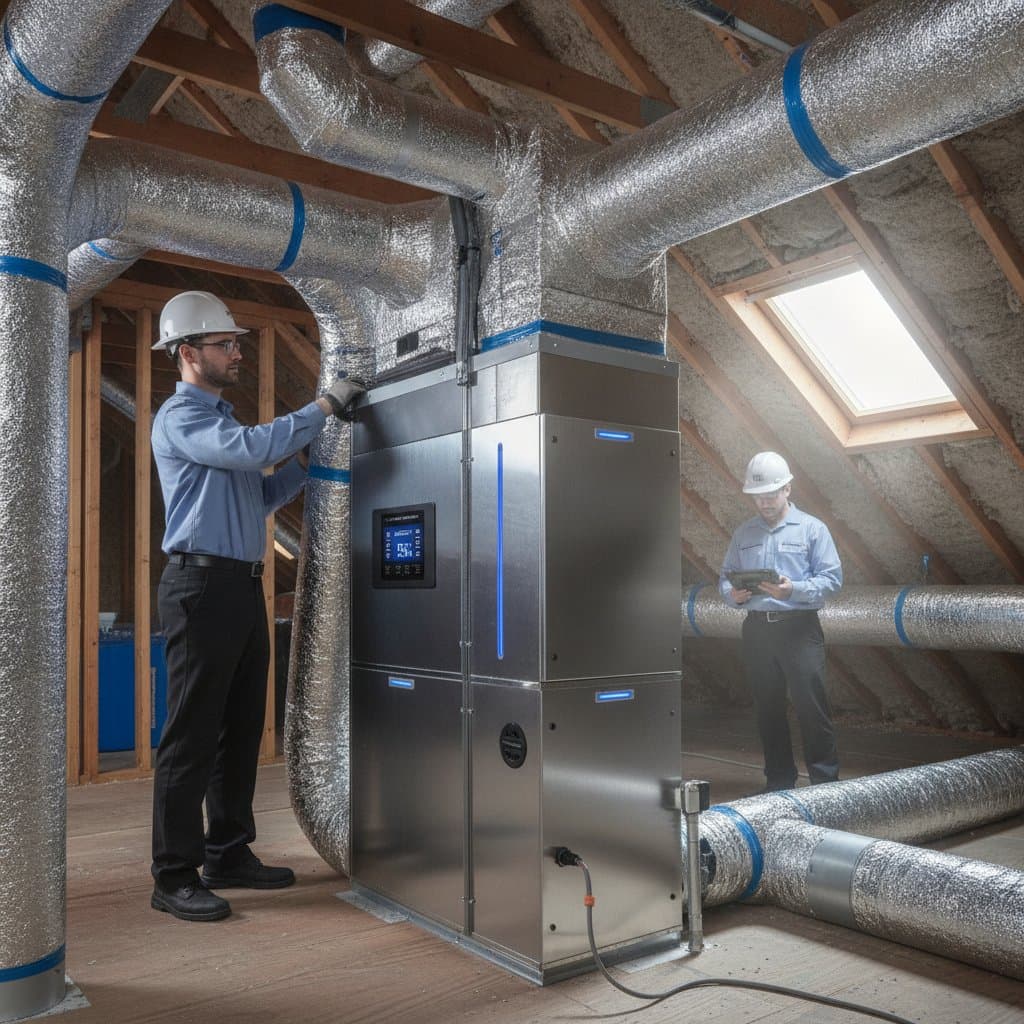
A qualified professional can size the unit, confirm electrical requirements, install drainage, set controls, and test operation. Professional installation also helps protect the equipment warranty and gives you a clear point of contact if something goes wrong.
Frequently Asked Questions
How much can a heat pump water heater save?
Savings depend on your current water heater, household hot water use, electricity rates, and how the new unit is installed and operated. Ask a qualified contractor to estimate energy use for your home, and treat the estimate as a projection rather than a promise.
Does a heat pump water heater work in a cold room?
It may work less efficiently in a cold space, and some models rely more on electric resistance heat when surrounding air is too cool. Check the manufacturer's operating requirements and have a professional assess the proposed location.
Is a hybrid water heater noisy?
A heat pump water heater has a fan and compressor, so it makes some sound while operating. Ask to hear a model in operation or review its sound rating, especially if the unit will sit near a bedroom or living area.
Can I install a heat pump water heater myself?
Installation and repairs require more care. A heat pump water heater involves electrical connections, water lines, drainage, and a heavy tank. Do not attempt electrical wiring, refrigerant work, or major plumbing changes yourself. Incorrect work can cause shock, water damage, equipment failure, or safety hazards.
How long does a hybrid water heater last?
Most hybrid water heaters last between 10 and 15 years with proper maintenance. Regular filter cleaning, temperature checks, and professional service help extend equipment life. Ask your installer about expected lifespan for the specific model you are considering.
Take the Next Step Toward Lower Water Heating Costs
A heat pump water heater can reduce electricity use for hot water, but the right model and installation location matter. Review your utility costs, household demand, and available space, then request an assessment from a qualified professional.