Spring HVAC Preparation: A Practical 30-Minute Checklist
A spring HVAC tune-up helps your air conditioner handle warmer weather while revealing simple maintenance needs. This checklist covers safe steps you can complete in about half an hour, plus signs that call for professional service. You will also learn what to leave alone, so your preparation supports system safety instead of risking damage.
What a Spring HVAC Tune-Up Includes
A professional HVAC tune-up typically involves checking system operation, inspecting key parts, and identifying issues that could affect comfort or efficiency. Your own prep is not a replacement for that inspection. It helps keep airflow clear, gives the technician useful information, and may prevent avoidable service delays.
The checklist below focuses on tasks around your equipment. Do not open electrical panels, handle refrigerant, or work on gas connections. Those jobs require training and proper tools.
Your 30-Minute DIY HVAC Tune-Up Checklist
Gather a new air filter if needed, a flashlight, and a soft brush. Keep the equipment turned off before cleaning near outdoor components, and avoid spraying water into the unit.
Minutes 1 to 5: Check the thermostat and filter
- Set your thermostat to a cooling mode and choose a temperature that should call for cooling. If the system does not respond, note what happens rather than opening the equipment.
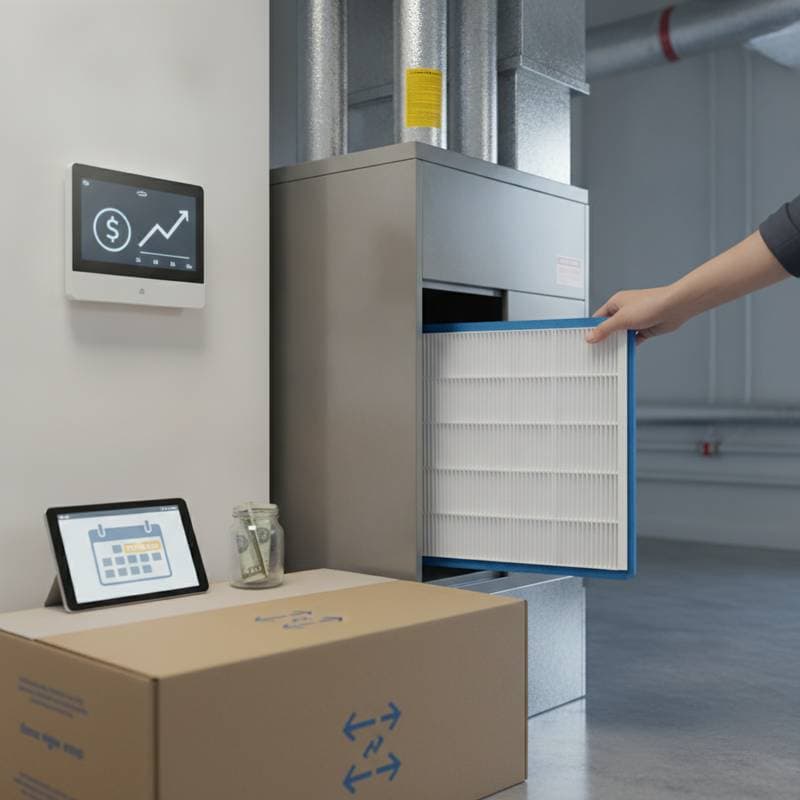
- Check the air filter. Replace it if it looks dirty, and confirm the new filter matches the size and airflow direction marked on the frame.
- Write down any error message or unusual behavior, such as short cycling, when the system starts and stops often.
A clogged filter restricts airflow and can make your system work harder. Check it more often if you have pets, dust, or frequent indoor activity.
Minutes 6 to 12: Clear vents and indoor equipment
- Move furniture, rugs, and curtains away from supply vents and return grilles.
- Use a vacuum or soft brush to remove visible dust from vent covers. Do not push tools deep into ductwork.
- Look around the indoor furnace or air handler for stored items, moisture, rust, or unusual odors.
- Confirm that the area around the equipment stays clear and easy to access.
If you see water near the indoor unit, do not ignore it. A blocked drain or another issue may be involved, and a technician can inspect it safely.
Minutes 13 to 22: Inspect the outdoor air conditioner
First, switch the cooling system off at the thermostat. Keep hands and tools away from fan blades and wiring.
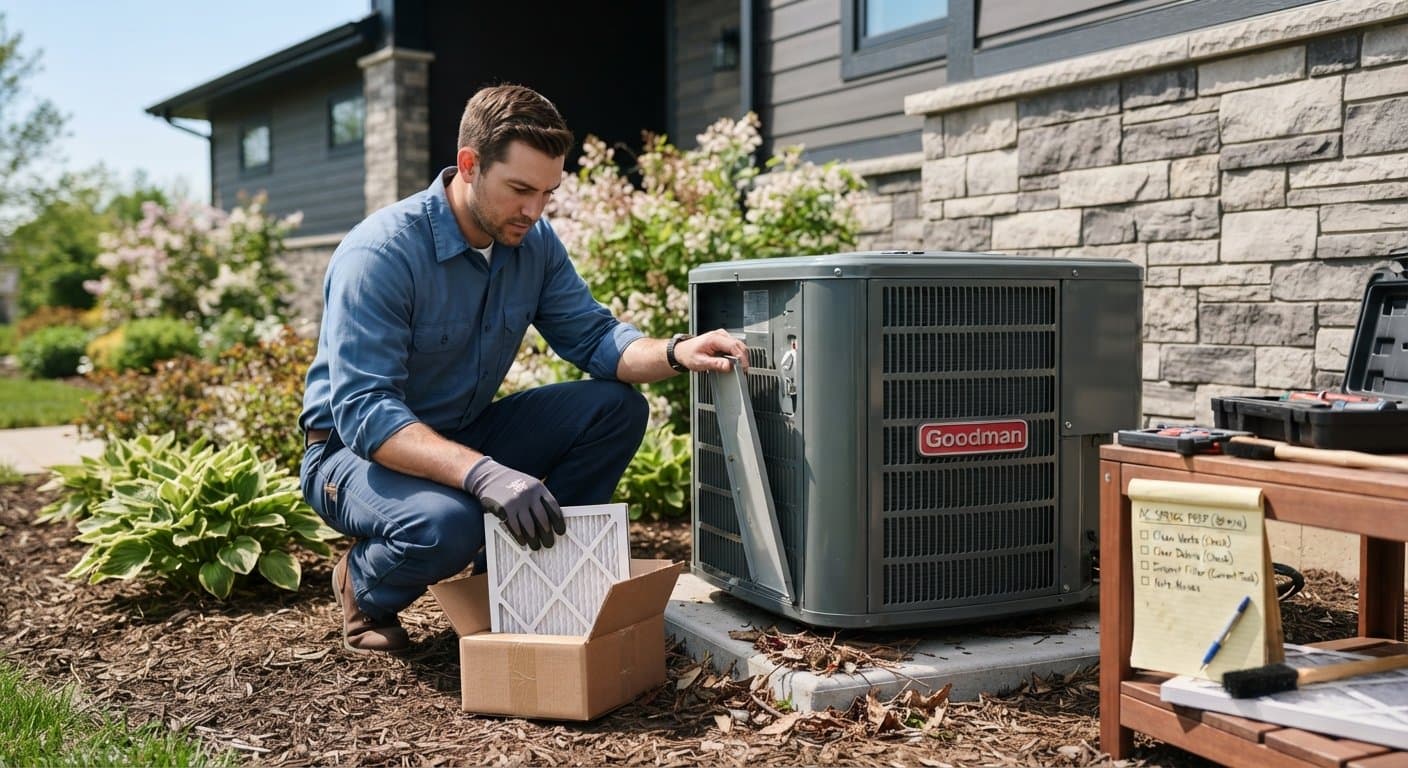
- Remove leaves, grass, and loose debris from around the outdoor unit. Leave open space around the sides so air can flow freely.
- Look for bent or damaged fins, a leaning cabinet, oil marks, or visible damage to the refrigerant lines.
- Gently brush away loose debris from the exterior grille. Do not use a pressure washer, and do not bend the fins.
- Check that the disconnect box and electrical wiring appear intact from the outside. Do not open the box or touch wiring.
Plants and debris can block airflow, but a damaged coil or refrigerant line needs professional attention. Stop if you see exposed wires or smell something unusual.
Minutes 23 to 30: Test carefully and record concerns
Restore the thermostat to its normal setting and listen as the system starts. Notice whether airflow feels steady and whether the outdoor unit makes a new grinding, buzzing, or rattling sound.
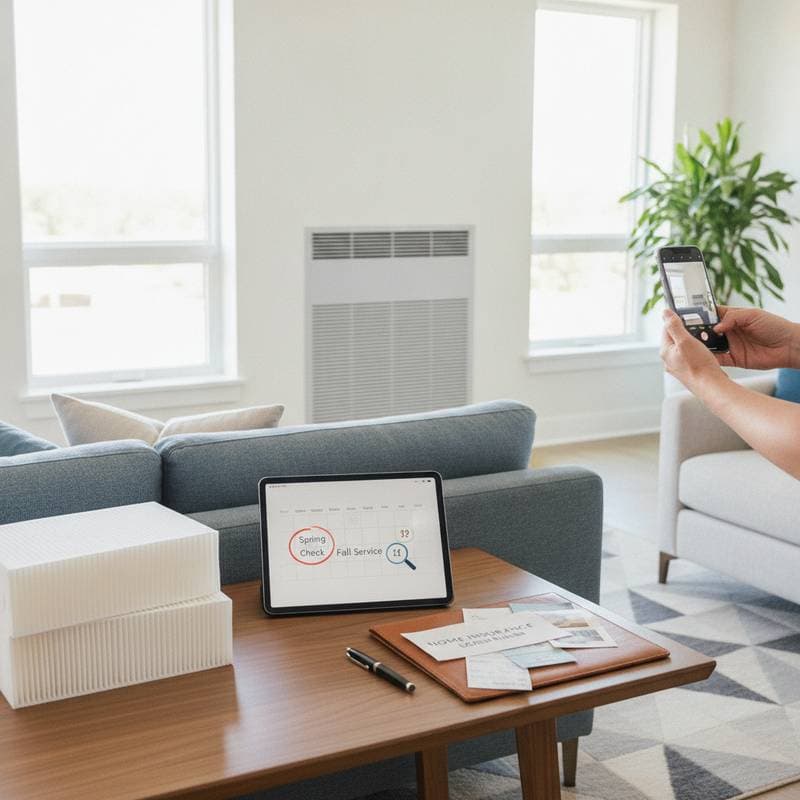
Record anything unusual, including weak cooling, frequent starts, or a musty smell. A clear list helps a technician understand what you noticed and when it happens. If the unit does not start, avoid repeated attempts to reset it. Turn the system off and arrange an inspection.
DIY Prep vs. Professional HVAC Service
Homeowners can replace filters, clear debris, keep vents open, and report symptoms. A full air conditioner or furnace tune-up involves checks that are not safe or practical for most homeowners.
A qualified technician may inspect electrical connections, test system controls, check refrigerant performance, clean internal components, and assess furnace burners or venting. Never handle refrigerant or gas lines, and do not remove equipment panels to reach electrical parts. Incorrect work can cause injury, equipment damage, or unsafe operation.
When to Schedule a Professional Tune-Up
Call an HVAC professional if you notice:
- Warm air from the vents while cooling is selected
- A burning smell, unusual noise, or repeated shutdowns
- Ice on refrigerant lines or the indoor coil
- Water leaks, poor airflow, or a thermostat that does not respond
- Visible wire damage, a leaning outdoor unit, or signs of corrosion
Turn the system off if you smell burning or see exposed wiring. If you suspect a gas leak, leave the area and contact your gas provider or emergency services from a safe location. Do not try to find or repair the leak yourself.
How Long Does a Spring HVAC Tune-Up Take?
A professional visit often takes about an hour or longer, based on the system and any problems found. The DIY checklist in this article is brief prep, not a complete inspection.
Should I Replace My Furnace Filter Before Using the Air Conditioner?
Yes, if the filter is dirty or due for replacement. Many central systems use the same filter for heating and cooling, but check your equipment instructions for the correct size and type.
Can I Clean My Air Conditioner Coils Myself?
You can clear loose debris around the outdoor unit, but avoid removing panels or using strong cleaners. A technician can clean the coils without damaging delicate fins or nearby components.
Is a Spring HVAC Tune-Up Necessary If My System Seems Fine?
Even systems that appear to run normally can develop hidden issues. A professional inspection catches problems before they lead to breakdowns during peak cooling season. Scheduling service early also helps you avoid longer wait times once temperatures rise.
Preparing Your System for Reliable Cooling
Following these steps gives your air conditioner the best chance to perform efficiently when you need it most. Regular attention to filters, airflow, and early warning signs helps prevent costly repairs and keeps your home comfortable throughout the season.