How UV-C Lights Reduce HVAC Mold Claims by 89%
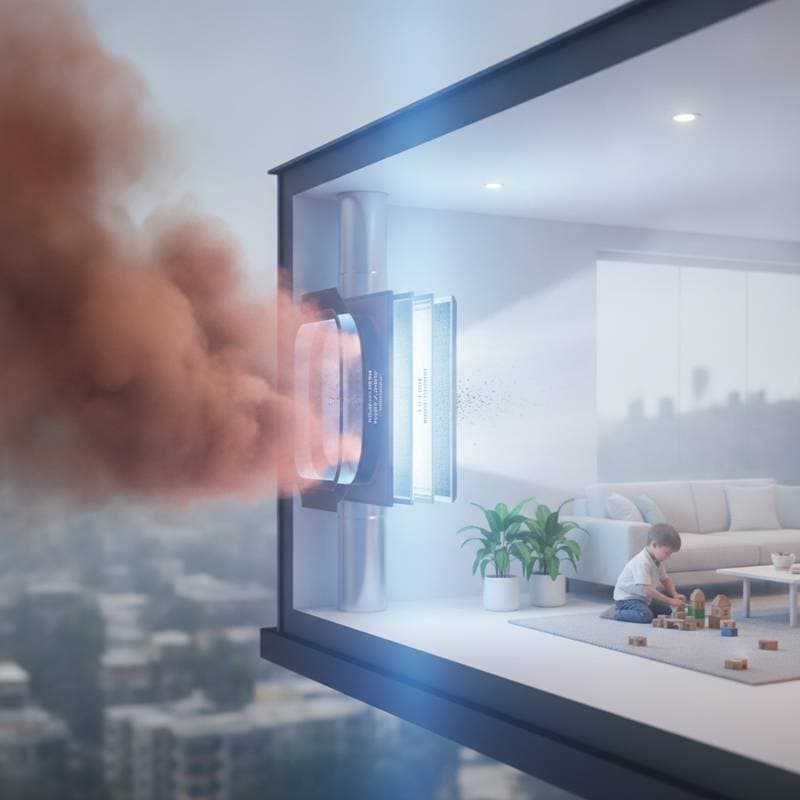
Homeowners report a substantial decrease in mold-related HVAC insurance claims, up to 89 percent, following the integration of UV-C air purification systems. These ultraviolet devices target and neutralize mold, bacteria, and allergens within the HVAC framework, preventing their distribution throughout living areas. Beyond health protection, such installations enhance air quality and support optimal HVAC operation.
This resource details the mechanisms behind UV-C purifiers' effectiveness, associated expenses, and essential considerations for potential adopters.
| Benefit | Key Insight |
|---|---|
| Mold Claim Reduction | Up to 89 percent fewer HVAC mold claims |
| Average Installation Cost | $400 - $1,200 |
| Maintenance Needs | Bulb replacement every 12-24 months |
| Primary Benefit | Eliminates mold spores and microbial growth |
| Added Value | Cleaner coils, better airflow, improved efficiency |
Average Cost of UV-C Air Purifiers for HVAC Systems
Installation of a standard UV-C air purifier ranges from $400 to $1,200, influenced by the HVAC system's scale and setup intricacies. Whole-home configurations, integrated into ductwork, generally exceed the price of targeted lights positioned adjacent to the evaporator coil.
Breakdown includes:
- Basic coil-sterilizing UV lights: $400 - $700
- Whole-system UV-C air purifiers: $800 - $1,200
- Replacement bulbs: $50 - $150 each
Initial investment yields considerable returns over time. Reduced mold occurrences translate to fewer repair visits, diminished cleaning demands, and lowered probabilities of expensive repairs or health-related concerns.
Key Factors That Affect UV-C Purifier Cost
Unit Type and Coverage
Compact, focused lights for coil treatment offer affordability, whereas comprehensive systems that treat airflow provide broader safeguards at a higher price. Selection hinges on HVAC dimensions and desired air quality outcomes.
Energy Efficiency and Bulb Strength
Bulbs with elevated UV output demand slightly more power yet deliver superior microbial elimination. Options with reduced intensity suffice for modest setups but might fall short in expansive residences against persistent mold.
Installation Complexity
Access challenges in confined duct spaces extend labor duration. Legacy HVAC designs often necessitate extra wiring or fixtures, elevating overall expenses.
Ongoing Maintenance
UV-C bulbs maintain potency for extended periods, yet intensity diminishes progressively. Annual or biennial replacements sustain disinfection efficacy and suppress mold proliferation.
Types of UV-C Air Purifiers
Residential HVAC applications feature two principal UV-C purifier variants, each suited to distinct needs and advantages.
1. Coil Sterilization Lights
Positioned proximate to the evaporator coil, a prime mold habitat, these units address buildup directly.
Pros:
- Halts slimy residue accumulation on coils
- Enhances airflow and operational efficiency
- Facilitates straightforward, cost-effective setup
Cons:
- Confined to coil safeguarding; omits airborne disinfection
2. Air Sanitizing UV Systems
Integrated into primary supply or return ducts, these treat air in transit.
Pros:
- Diminishes suspended mold spores and bacteria
- Elevates general indoor air standards
- Suited for environments with allergy concerns
Cons:
- Involves greater upfront expenditure
- Demands expert installation
Signs You Need a UV-C Purifier
Persistent air quality or moisture challenges in your HVAC signal the value of UV-C intervention. Common indicators include:
- Musty odors emanating from vents
- Observable mold near coils or ducts
- Recurrent respiratory discomfort or allergy flares
- Elevated indoor humidity levels
- Repeated clogs in HVAC drain pans or water accumulation
Such indicators reveal internal microbial activity. UV-C exposure eradicates mold at origin points, blocking duct dissemination.
How the UV-C Installation Process Works
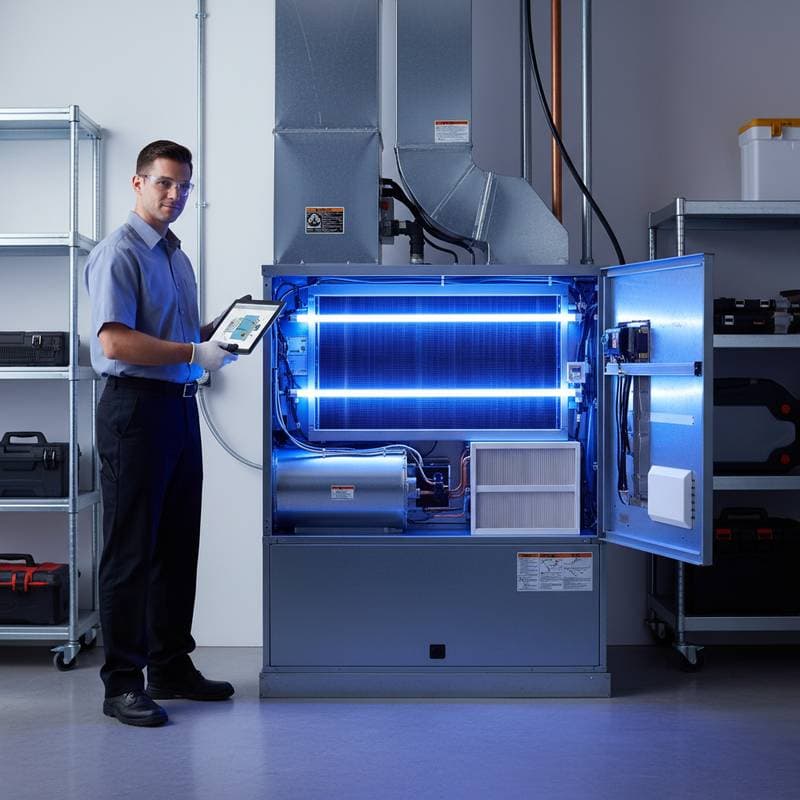
Professional HVAC specialists complete UV-C setups efficiently with limited disruption. The sequence unfolds as follows:
- System Evaluation: Technicians assess the HVAC to identify optimal UV-C positioning.
- Unit Selection: Appropriate purifier matches system scale and duct configuration.
- Mounting and Wiring: Secure placement occurs within the air handler or duct, connected to power.
- Performance Testing: Verification ensures functionality and light enclosure integrity.
- Maintenance Plan: Instructions cover bulb change schedules and routine care.
Typical procedures conclude in under two hours, preserving existing equipment integrity.
Labor Costs for UV-C Installation
Labor charges for UV-C purifier integration span $150 to $300, varying with component accessibility. System intricacy and local wage standards further modulate pricing. Engaging certified technicians guarantees precise alignment and operational safety.
Frequently Asked Questions About UV-C Air Purifiers
How does UV-C light kill mold?
UV-C wavelengths disrupt the genetic structure of mold spores and bacteria, inhibiting replication. Exposed pathogens perish rapidly, resulting in sanitized air and HVAC interiors.
Are UV-C air purifiers safe?
Affirmative. Containment within the HVAC prevents human exposure. Expert installation upholds shielding and positioning standards.
How long do UV-C bulbs last?
Durability extends one to two years for most bulbs. Germicidal potency wanes despite visible illumination, necessitating timely replacements.
Can UV-C purifiers reduce allergies?
Yes. Neutralization of airborne irritants like mold, bacteria, and allergens mitigates triggers for breathing difficulties and allergic responses.
Do UV-C purifiers affect energy use?
Power draw remains negligible, akin to a minor fixture. Cleaner coils and unrestricted airflow often yield marginal efficiency gains.
Should I install UV-C lights myself?
Self-installation lacks recommendation. Improper setup compromises performance or risks equipment harm. Professionals possess requisite expertise and instruments.
Steps to Integrate UV-C Protection in Your HVAC
Evaluate your current air quality and HVAC condition to determine UV-C suitability. Consult a licensed technician for a tailored assessment and quote. Proceed with installation to secure lasting benefits in health, efficiency, and cost savings.