UV-C Purifiers Eliminate 99 Percent of Airborne Pathogens
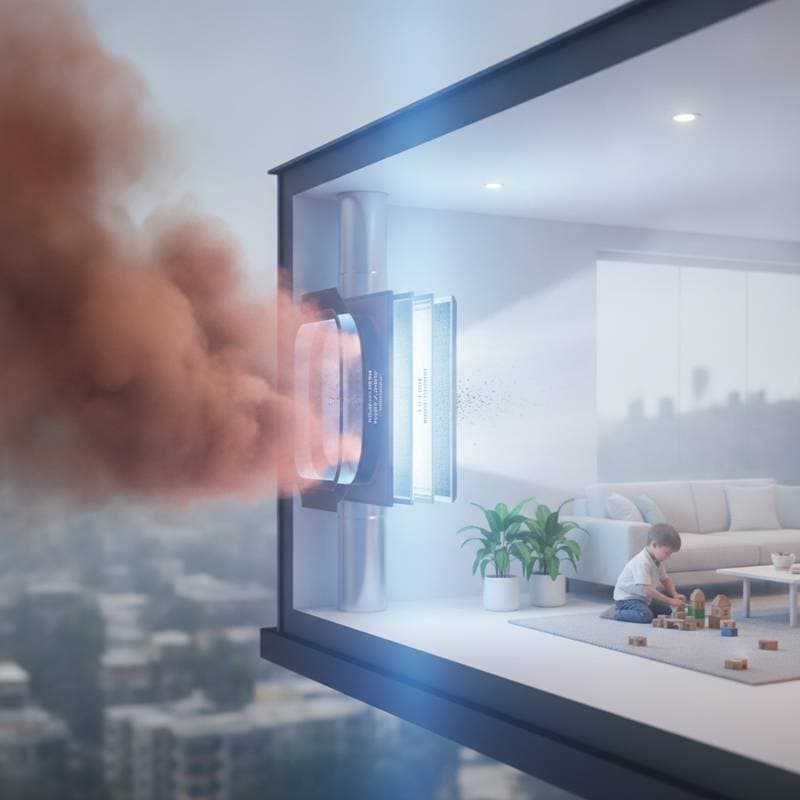
UV-C air purifiers eliminate up to 99 percent of airborne viruses, bacteria, and mold spores within residential spaces. These systems employ ultraviolet light at a precise wavelength to sterilize air as it circulates through heating, ventilation, and air conditioning units. Homeowners gain access to cleaner indoor environments that support overall well-being. This article details the mechanics of UV-C purification, its advantages, and practical considerations for implementation.
| Feature | Benefit |
|---|---|
| Pathogen Reduction | Eliminates up to 99 percent of airborne viruses and bacteria |
| Microbial Control | Prevents mold and bacteria from spreading through ducts |
| Odor Neutralization | Breaks down compounds responsible for persistent smells |
| Upkeep Requirements | Involves minimal effort, with bulb changes once per year |
| Setup Expenses | Ranges from 300 to 700 dollars, including expert installation |
Mechanics of UV-C Air Purification
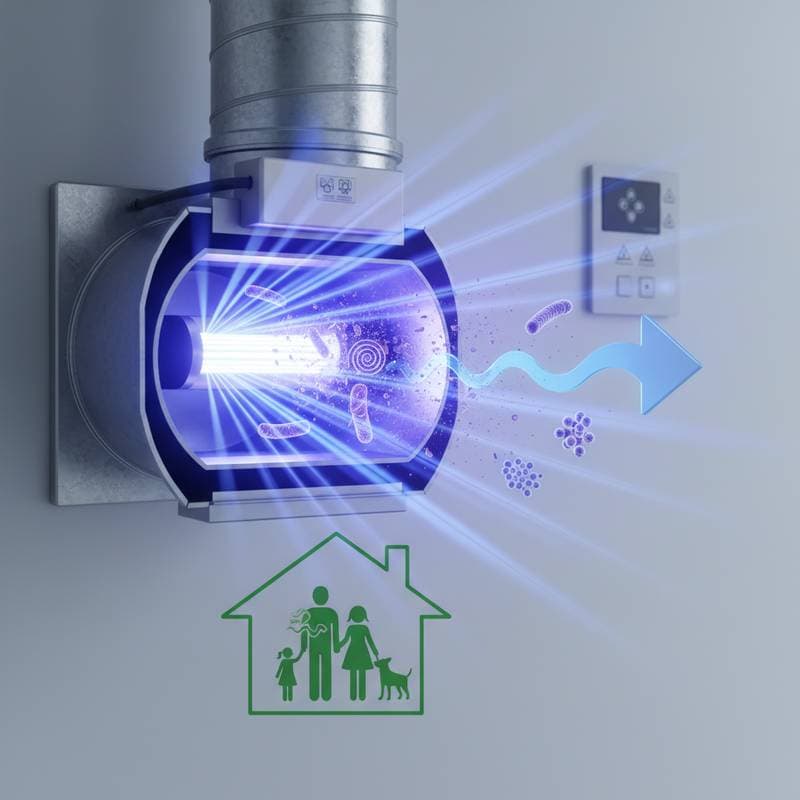
UV-C light operates within the ultraviolet C spectrum, targeting the genetic material of microorganisms to render them inactive. As air flows through the designated chamber in the HVAC setup, pathogens encounter the light and lose their reproductive capacity. Consequently, these entities cannot contribute to infections or irritations in the respiratory tract. The process yields air that feels fresher and promotes a more healthful living space.
This technology draws from established principles in disinfection, where the 254-nanometer wavelength proves particularly effective against a broad spectrum of threats. Systems integrate seamlessly into existing HVAC configurations, ensuring operation without significant disruption. Regular exposure during air circulation maintains consistent protection levels throughout the home.
Primary Advantages of UV-C Air Purifiers
Enhanced Indoor Air Quality
UV-C installations target viruses, bacteria, and mold that travel via ductwork. Such reduction alleviates symptoms associated with allergies and breathing difficulties, particularly in environments with animals or elevated moisture. Families notice fewer instances of discomfort during seasonal changes or in tightly sealed homes.
Ongoing Disinfection Capability
In contrast to standalone units that address isolated areas, UV-C systems function perpetually within the central HVAC framework. Every portion of circulating air receives treatment, providing comprehensive coverage. This approach suits larger residences where air movement spans multiple rooms and levels.
Boosted System Performance
By keeping coils and passages free from biological accumulations, UV-C units facilitate smoother airflow. HVAC components then require less effort to maintain temperature, which translates to lower electricity consumption. Over time, this efficiency contributes to reduced utility bills and extended equipment lifespan.
Categories of UV-C Systems for Homes
Residential applications feature two principal configurations of UV-C technology.
Coil sterilization units position the light source adjacent to the evaporator coil. Their focus lies in inhibiting microbial growth on cooling surfaces, which prevents efficiency losses from contamination.
Air sterilization units reside within the return duct pathway. They expose incoming air to UV-C rays prior to distribution, tackling pathogens at the source before they reach living areas.
Selection between these depends on specific home conditions, such as predominant moisture issues or overall air volume. Professionals assess these factors during initial consultations to recommend the optimal choice.
Indicators for UV-C System Suitability
Homeowners may recognize the need for UV-C purification through several observable signs.
Persistent indoor odors, including musty undertones, often signal underlying microbial activity.
Recurring allergy flares or breathing unease point to elevated pathogen presence in the air supply.
Apparent mold near ventilation outlets suggests conditions ripe for proliferation within the system.
Elevated humidity fosters environments conducive to bacterial and fungal development.
Households with individuals suffering from asthma or compromised immunity stand to gain the most from enhanced disinfection.
Addressing these concerns through UV-C integration restores balance to indoor atmospheres.
Steps in the Installation Procedure
Professional installation ensures optimal performance and safety. The process unfolds in structured phases.
-
Technicians conduct a thorough evaluation of the existing HVAC infrastructure to identify ideal mounting locations.
-
The UV-C lamp secures in place, either beside the coil or within the duct line, using durable fixtures.
-
Connections integrate the unit with the system's electrical framework, adhering to code standards.
-
Operational tests confirm functionality, with adjustments to light intensity and containment verified.
-
Owners receive detailed protocols for routine maintenance, including safe bulb handling and replacement schedules.
This methodical approach minimizes downtime and maximizes immediate benefits post-installation.
Insights on Installation Expenses
Labor costs for UV-C setups typically fall between 300 and 700 dollars, influenced by system complexity and regional rates. Simpler coil units often reside at the lower end, while comprehensive air treatment configurations command higher fees. Factors such as accessibility to ductwork or custom adaptations can adjust these figures. Homeowners benefit from obtaining multiple quotes to align investments with budgets. Long-term savings from improved efficiency often offset initial outlays within a few years.
Common Inquiries Regarding UV-C Purifiers
Does UV-C Technology Capture Dust or Pollen?
UV-C focuses on inactivating biological agents rather than filtering particulates. For thorough purification, combine it with a high-efficiency particulate air filter to address both microorganisms and larger debris.
Might UV-C Affect HVAC Durability?
Proper placement and shielding prevent any adverse impact on system materials. Light exposure remains confined, safeguarding plastics and electrical elements from degradation.
Is UV-C Safe Around Humans and Animals?
Enclosed designs eliminate direct exposure risks. The light activates solely within the HVAC enclosure, posing no threat during normal household activities.
What Is the Service Life of UV-C Bulbs?
Bulbs maintain peak effectiveness for approximately one year. Annual replacement preserves the system's 99 percent elimination rate against pathogens.
Can UV-C Address Odor Issues?
The light disrupts molecular structures in odor-causing substances, effectively neutralizing them. This results in noticeably purer air without reliance on chemical additives.
Achieving Sustained Indoor Health Through UV-C
Integrating UV-C purification elevates home air standards, offering reliable defense against invisible threats. Families experience tangible improvements in comfort and vitality. Consult local HVAC specialists to explore tailored solutions that fit specific needs and promote lasting wellness.