How UV-C Purifiers Reduce Home Flu Transmission by 89%
The Effectiveness of UV-C Technology in Residential Settings
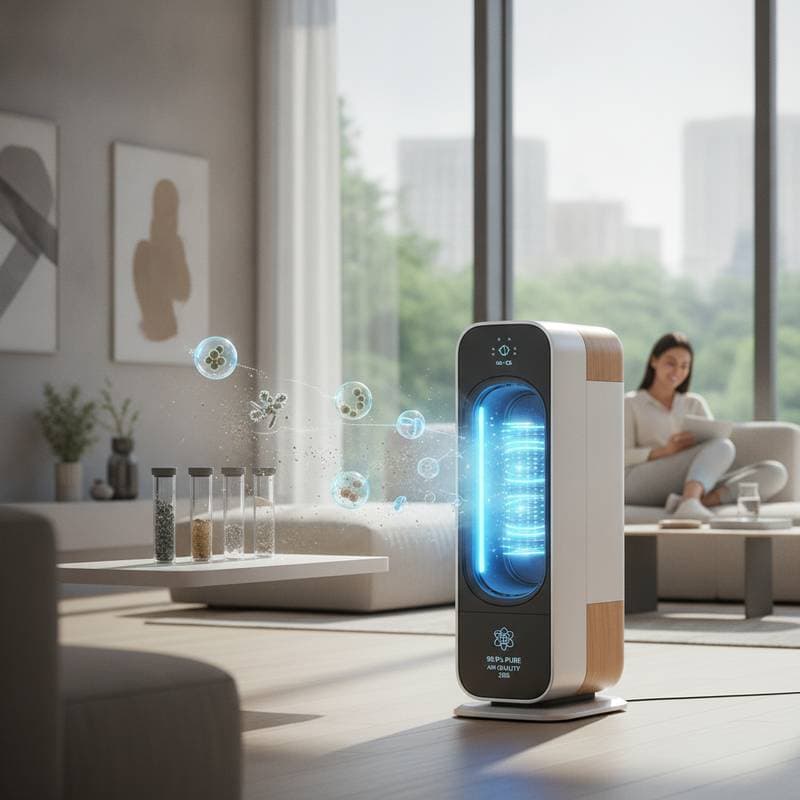
Studies demonstrate that UV-C air purifiers reduce flu virus transmission in homes by up to 89 percent. These devices employ short-wavelength ultraviolet light to target and neutralize airborne pathogens such as viruses, bacteria, and mold spores. As more homeowners integrate UV-C systems into their HVAC setups, indoor air quality improves, leading to fewer instances of seasonal illnesses.
This guide details the mechanics of UV-C purifiers, their impact on flu spread, installation considerations, cost breakdowns, and maintenance strategies. Readers gain practical insights to enhance home air hygiene and safeguard family health throughout the year.
Fundamentals of UV-C Air Purification
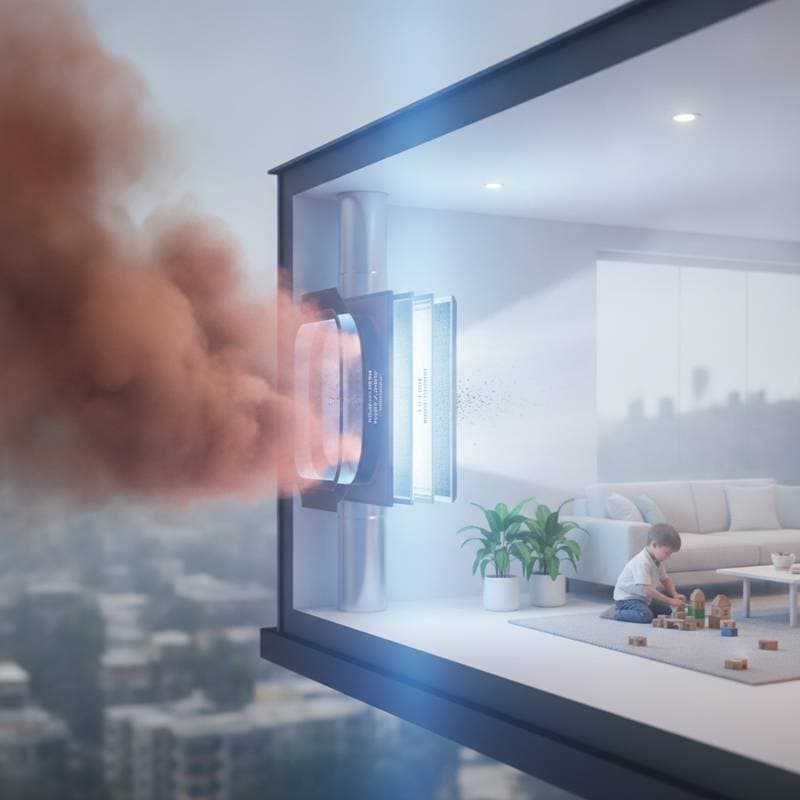
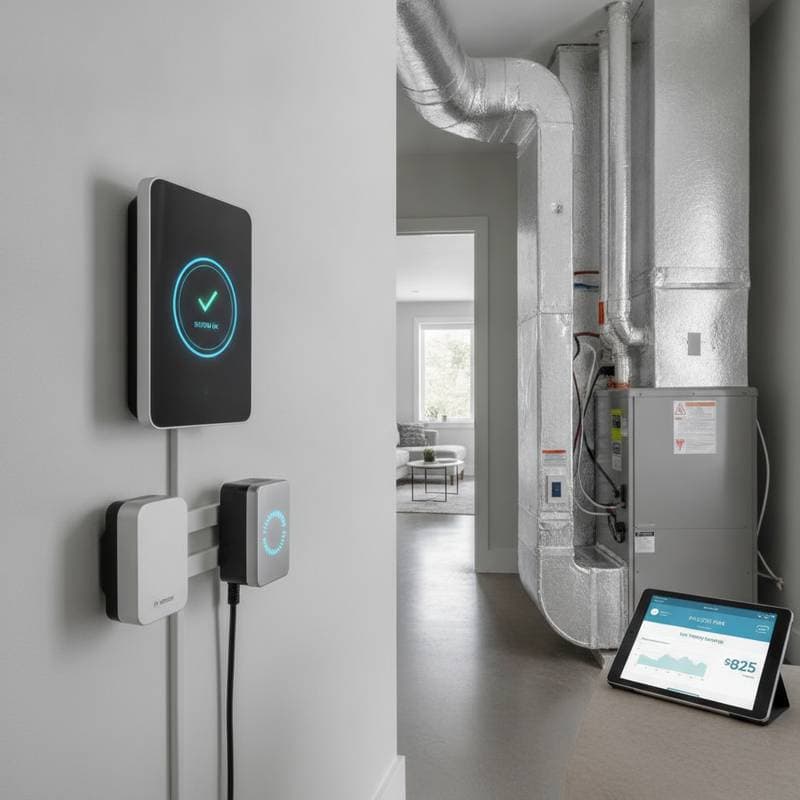
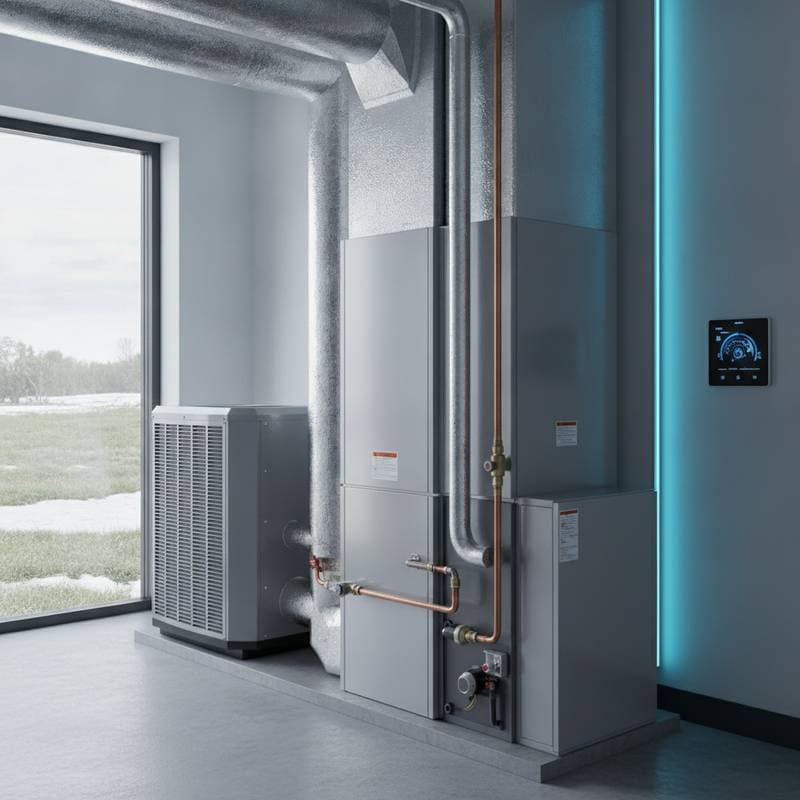
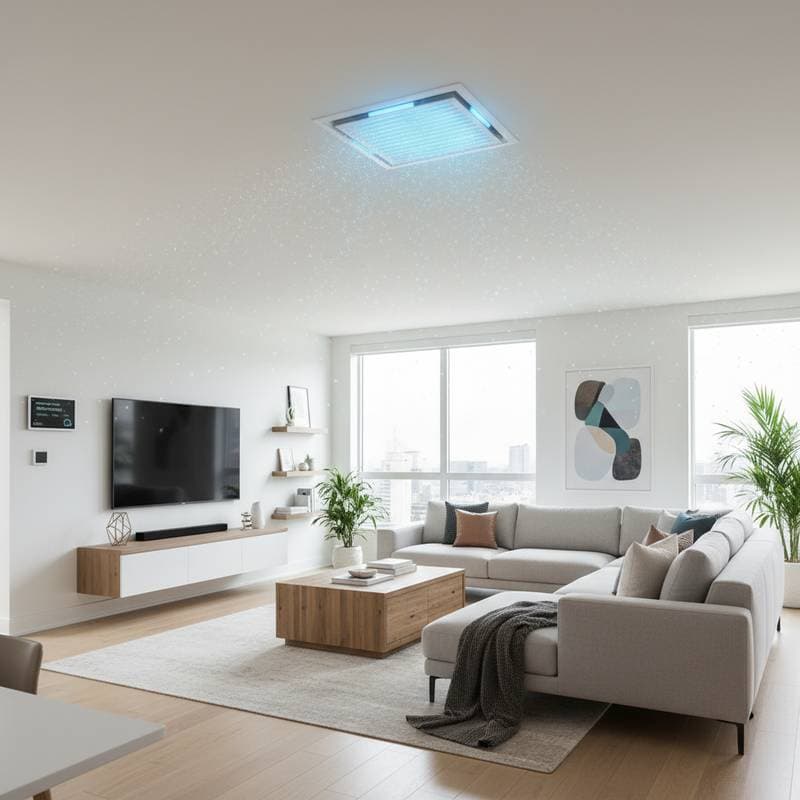
UV-C air purifiers harness ultraviolet light in the C-band spectrum to eliminate microorganisms present in indoor air. This light wavelength damages the DNA of microbes, rendering them incapable of replication. Positioned within an HVAC system, the purifiers treat air as it flows through ducts or the air handler unit.
In contrast to conventional filters that capture particles, UV-C technology actively destroys airborne threats. Such capability proves particularly beneficial in homes with vulnerable occupants, including those with allergies or respiratory issues. Consequently, fewer contaminants enter occupied areas, fostering a healthier living environment.
Mechanisms for Limiting Flu Virus Circulation
Influenza spreads via respiratory droplets and contaminated surfaces, with viral particles persisting in the air and traveling through ventilation pathways. UV-C purifiers counteract this by exposing pathogens to intense ultraviolet light, which deactivates viruses prior to their redistribution.
Laboratory evaluations confirm that these systems diminish flu virus viability by as much as 89 percent. This substantial decrease lowers the overall presence of infectious particles indoors. During winter when homes rely on recirculated air, UV-C integration enhances general air purity and curbs transmission risks.
Installation Costs for UV-C Air Purifiers
Installing a UV-C air purifier in a residential HVAC system generally costs between 400 and 1,500 dollars. Factors influencing this range include the unit's capacity, specific model, and labor requirements. Portable models offer affordability from 100 to 600 dollars, whereas comprehensive whole-home solutions demand higher investment for broader efficacy.
| Type | Average Cost | Details |
|---|---|---|
| Portable UV-C Purifier | 100 to 600 dollars | Compact design for individual room treatment |
| In-Duct UV-C System | 400 to 1,000 dollars | Positioned in ducts for ongoing air sanitation |
| Coil-Sanitizing UV Light | 450 to 1,500 dollars | Targets evaporator coils to inhibit growth |
Key Factors Influencing UV-C Purifier Expenses
System Specifications and Scale
Comprehensive whole-home installations necessitate robust bulbs and expert setup, elevating costs compared to portable alternatives. Residences with expansive layouts or segmented HVAC zones often require several units to achieve uniform coverage.
Setup Demands
Accessible duct configurations simplify the process and contain expenses. Conversely, aging or intricate systems may involve extra modifications and extended professional time.
Bulb Durability and Renewal
UV-C bulbs operate for 9,000 to 12,000 hours before efficacy wanes. Renewals cost 50 to 150 dollars each, varying by manufacturer and power level.
Power Usage
These lights consume electricity comparable to a typical incandescent bulb, resulting in negligible increases to utility statements.
Upkeep Requirements
Routine cleaning of the light fixture and adjacent components preserves optimal function. Accumulated debris on the bulb diminishes output, underscoring the need for scheduled inspections.
Frequently Asked Questions on UV-C Purifiers
What Level of Protection Do UV-C Purifiers Offer Against Influenza?
UV-C purifiers excel at inactivating airborne influenza viruses through ultraviolet exposure that corrupts their genetic structure. Integrating this technology with ventilation practices and hygiene routines substantially curtails indoor transmission.
Is UV-C Technology Suitable and Secure for Residential Applications?
Properly installed UV-C purifiers pose no risk to household members. The light remains enclosed within the HVAC framework or a protected enclosure, avoiding direct contact. Certified professionals guarantee compliance with safety protocols.
When Should UV-C Bulbs Undergo Replacement?
Bulbs require renewal every 12 to 18 months, guided by operational hours and producer specifications. Germicidal potency fades progressively, even as illumination persists, demanding proactive swaps for sustained results.
Do UV-C Purifiers Address Additional Air Pollutants?
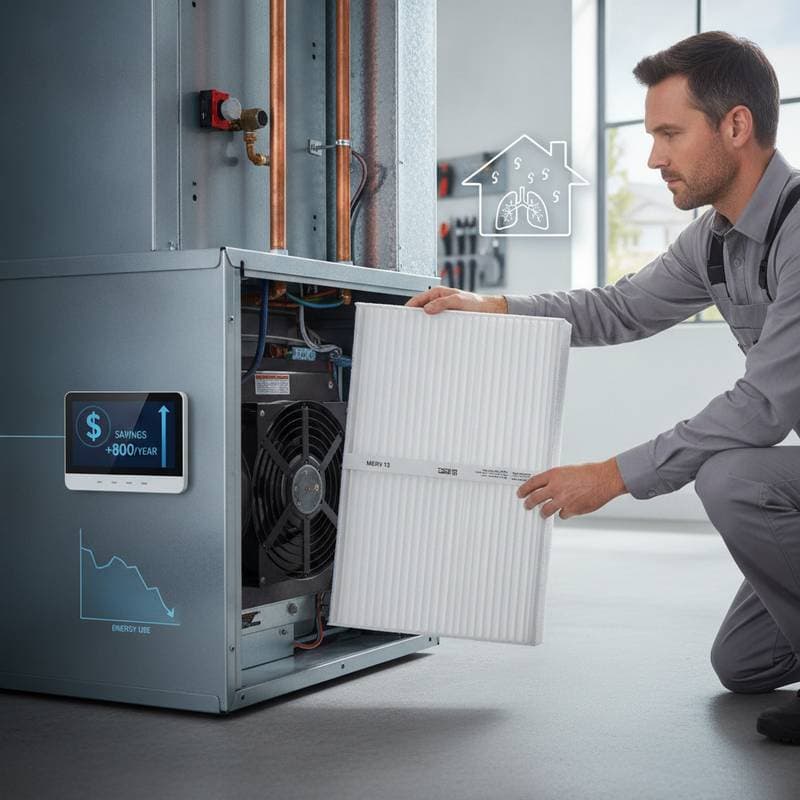
UV-C primarily combats biological agents but overlooks particulate matter like dust or allergens. Pairing with MERV-rated or HEPA filtration yields comprehensive air refinement.
Does UV-C Integration Enhance Property Appeal?
Advanced purification features, such as UV-C systems, attract health-conscious purchasers. Superior air standards elevate living quality and potentially boost market value.
Securing Quotes for UV-C Air Purifier Installations
Essential Inquiries for Providers
- Which UV-C configuration aligns with my current HVAC configuration?
- How many bulbs ensure thorough treatment across the property?
- What durability and servicing intervals apply to the bulbs?
- Do warranties cover components and workmanship?
- In what manner does the unit mesh with present filtration and handlers?
- Are energy-saving variants available?
- What duration does the setup process entail?
- What precautions protect during and post-installation?
- Is future scalability possible with HVAC expansions?
- What comprises the full price, inclusive of ongoing care?
Sustaining Optimal Indoor Air Quality
Adopting a UV-C air purifier markedly elevates home air standards and mitigates pathogen dissemination. Consistent bulb renewals, surface cleanings, and complementary filtration maintain vigilant defense. Homeowners experience reduced illness frequency and sustained wellness benefits year after year.