Prepare for the Transition: 8 States Mandate Electric HVAC Systems in 2025
Homeowners throughout the United States receive news of regulations that require electric heating and cooling systems in place of gas-powered furnaces. These developments form part of a larger initiative to promote cleaner energy and enhance home efficiency. Residents in the eight states implementing these electric HVAC mandates should begin preparations immediately. This guide details the implications of these mandates, their potential effects on residences, and essential actions to ensure readiness.
Understanding the Electric HVAC Mandate
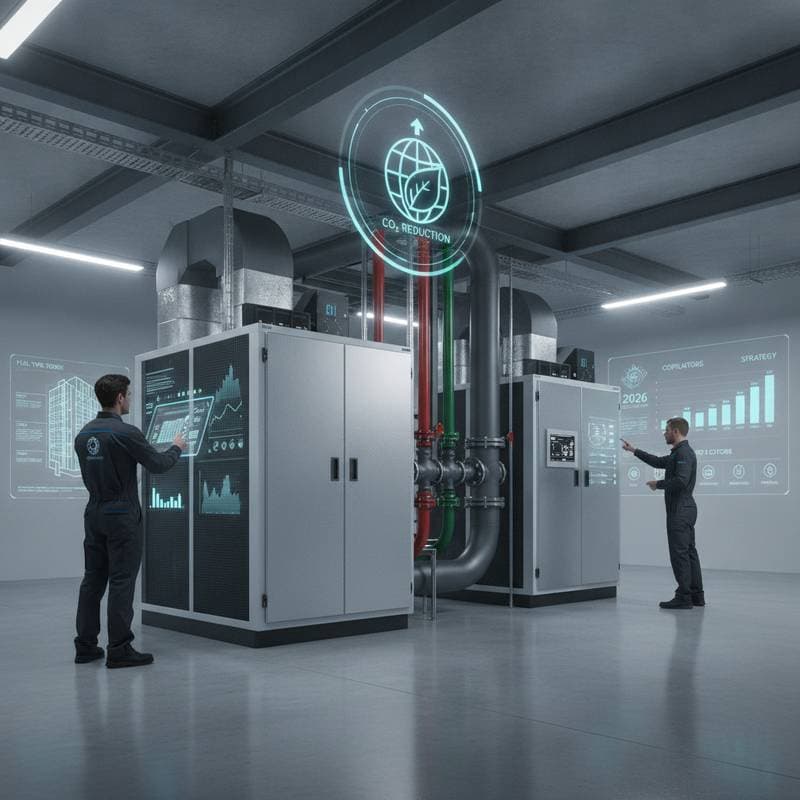
Electric HVAC mandates stipulate that new residential constructions and certain replacement systems utilize electric-powered heating and cooling instead of natural gas or oil. These policies contribute to a nationwide electrification effort aimed at fostering sustainable energy practices.
Typically, such mandates phase out conventional gas furnaces in favor of heat pumps or fully electric alternatives. A heat pump functions by transferring heat rather than producing it through combustion. During winter months, it extracts heat from outdoor air and delivers it inside. In summer, the system operates in reverse to provide cooling.
These units demonstrate high efficiency and integrate well with renewable sources such as solar panels. Although the transition to electric HVAC might appear complex, it offers enduring advantages in terms of comfort, safety, and reduced energy expenses.
States Implementing Electric HVAC Mandates
Eight states have established requirements for electric HVAC systems in new constructions and, in select instances, during significant renovations. These states include California, Colorado, Hawaii, Massachusetts, New Jersey, New York, Oregon, and Washington. Each possesses robust clean energy objectives and supportive infrastructure to facilitate the change.
The specifics of these mandates differ by location, yet they all pursue the goal of diminishing greenhouse gas emissions while advancing efficient electric technologies. Individuals residing in these states may encounter updated rules for HVAC replacements, permits, or installations.
Residents outside these states should note that electrification trends expand rapidly across the nation. Proactive measures today position homeowners to anticipate forthcoming regulations and mitigate unexpected costs.
Motivations Driving the Shift to Electric HVAC
The move from gas to electric HVAC systems extends beyond regulatory requirements. It addresses environmental, safety, and economic considerations that provide tangible benefits to homeowners and surrounding communities.
- Enhanced Air Quality: Combustion in gas systems emits carbon monoxide and pollutants. Electric heating avoids these byproducts, thereby improving both indoor and outdoor air.
- Reduced Carbon Emissions: Electric systems operate on renewable electricity, lowering the overall contribution to greenhouse gases.
- Increased Safety: The absence of gas lines eliminates hazards like leaks and carbon monoxide exposure.
- Superior Efficiency: Advanced heat pumps deliver up to three units of heating energy for every unit of electricity used.
- Long-Term Home Resilience: With declining gas infrastructure, electric systems prove simpler to service and modernize over time.
Factors Influencing Electric HVAC Installation Costs
Expenses associated with adopting electric HVAC vary based on multiple elements. National estimates range from $5,000 to $15,000, though individual circumstances alter this figure. Consider the following determinants:
- Home Size: Residences with greater square footage demand larger capacity units, increasing both equipment and labor costs.
- System Variety: Air-source heat pumps generally cost less than ground-source models, which involve excavating for underground loops.
- Efficiency Levels: Units with superior SEER or HSPF ratings command higher initial prices but yield savings via reduced energy consumption.
- Electrical Modifications: Older properties often require panel expansions or rewiring to accommodate the electrical load of heat pumps.
- Duct Integrity: Damaged or inefficient ducts necessitate repairs or full replacements, elevating the project total.
- Regional Labor: Contractor fees fluctuate according to local market conditions and expertise.
- Available Incentives: Federal programs like the Inflation Reduction Act, alongside state rebates, can offset up to 30 percent of costs for qualifying installations.
Engage a certified HVAC specialist for a site evaluation to align options with your financial and performance expectations.
Preparation Steps for Homeowners Ahead of the Mandate
Homeowners need not delay until enforcement begins. Initiating preparations early minimizes financial strain and logistical challenges. Implement these strategies:
- Conduct a comprehensive home energy audit to pinpoint inefficiencies and select an optimal system configuration.
- Have an electrician assess your electrical panel's capacity; upgrades may prove necessary for high-performance heat pumps.
- Investigate rebates, tax credits, and low-interest financing through utilities, state agencies, or federal initiatives.
- Time your project strategically; demand for services will rise post-mandate, so secure appointments in advance for competitive rates.
- Seek advice from a licensed HVAC professional to determine appropriate sizing, efficiency, and integration details tailored to your property.
Comparing Electric HVAC and Gas Systems
Performance and Comfort Levels
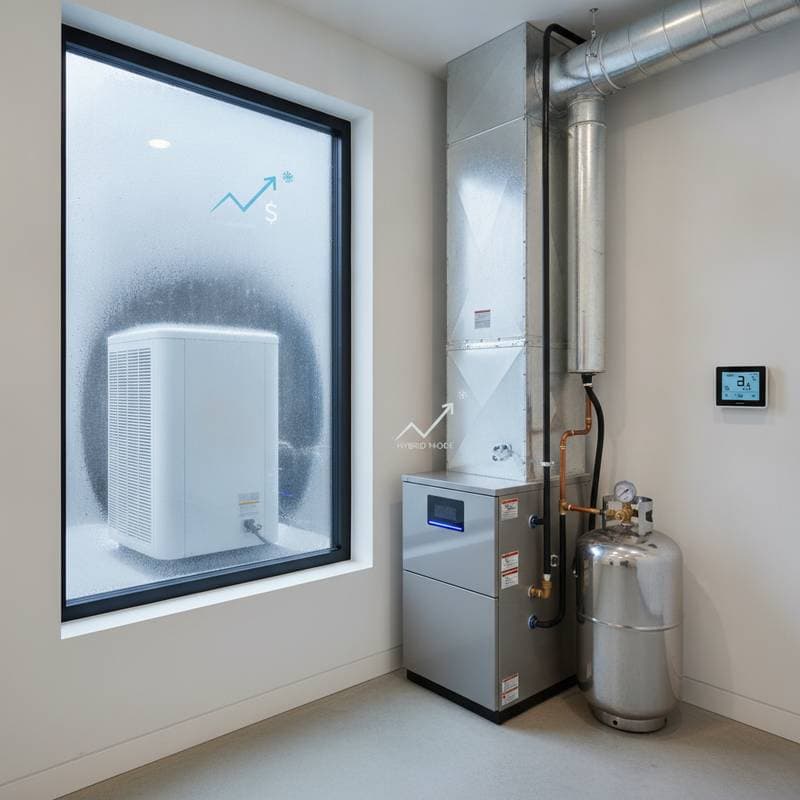
Electric heat pumps maintain effectiveness across diverse climates, delivering steady temperatures throughout the year. In regions with severe winters, certain models incorporate supplemental electric resistance elements or hybrid setups that incorporate minimal gas for peak demands.
Maintenance Requirements
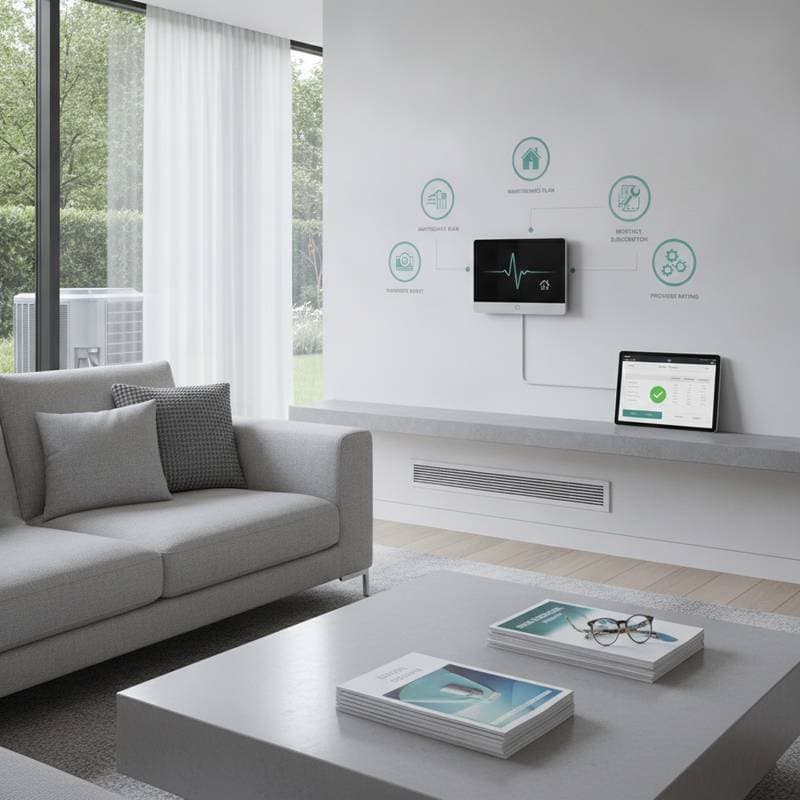
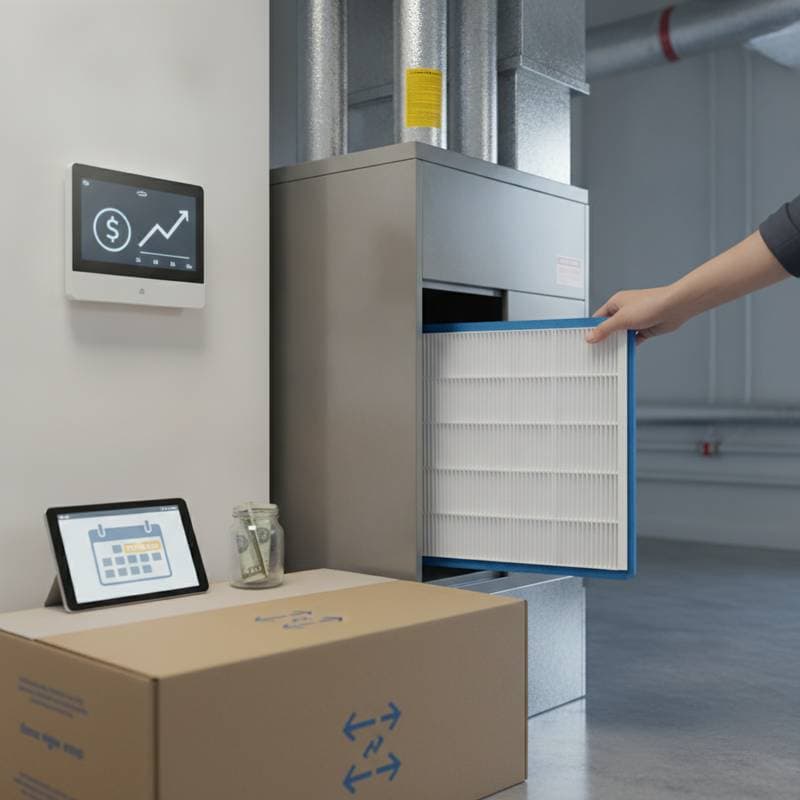
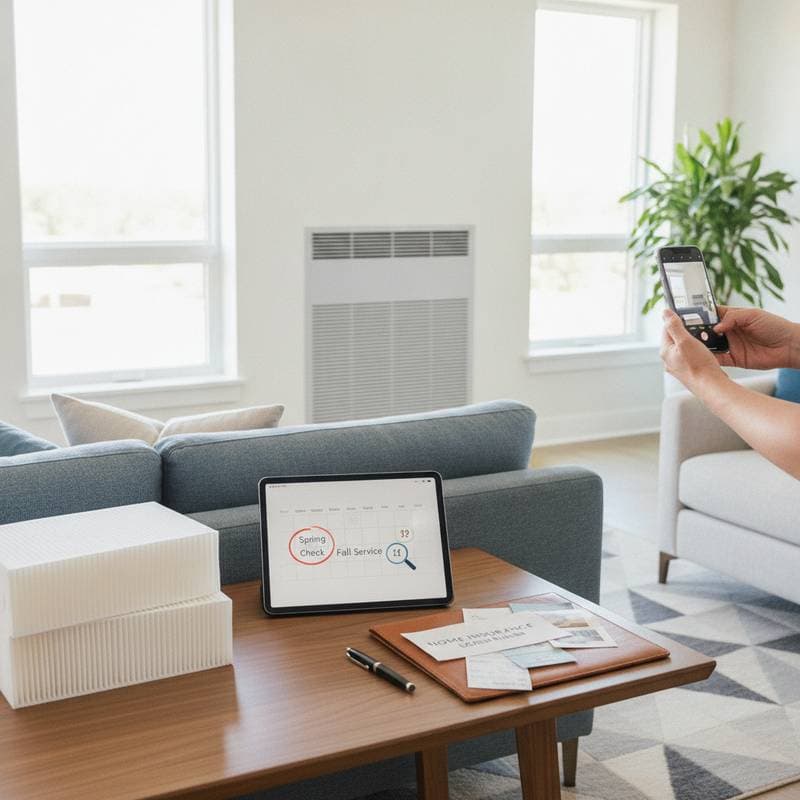
Fewer mechanical components and no combustion elements in electric systems translate to less frequent servicing. Owners must still prioritize annual inspections, filter replacements, and coil cleanings to sustain efficiency and air purity.
Ongoing Operational Expenses
While electricity rates differ geographically, the inherent efficiency of heat pumps frequently compensates for any premium over gas pricing. Long-term analysis often reveals net savings that justify the upfront expenditure.
Ecological Consequences
Electric HVAC generates zero on-site emissions. Paired with grid power from renewables, these systems minimize environmental impact while supporting broader sustainability goals.
Frequently Asked Questions
Must Existing Gas Furnaces Be Replaced Immediately?
Generally, no. Mandates target new builds and substantial remodels. Current gas systems may continue operating until natural replacement cycles, at which point electric options become mandatory.
Can Natural Gas Remain for Other Home Uses?
Yes, though evolving policies in some states limit new gas connections for cooking appliances and water heaters. Monitor local updates to anticipate changes.
What Duration Does Installation Require?
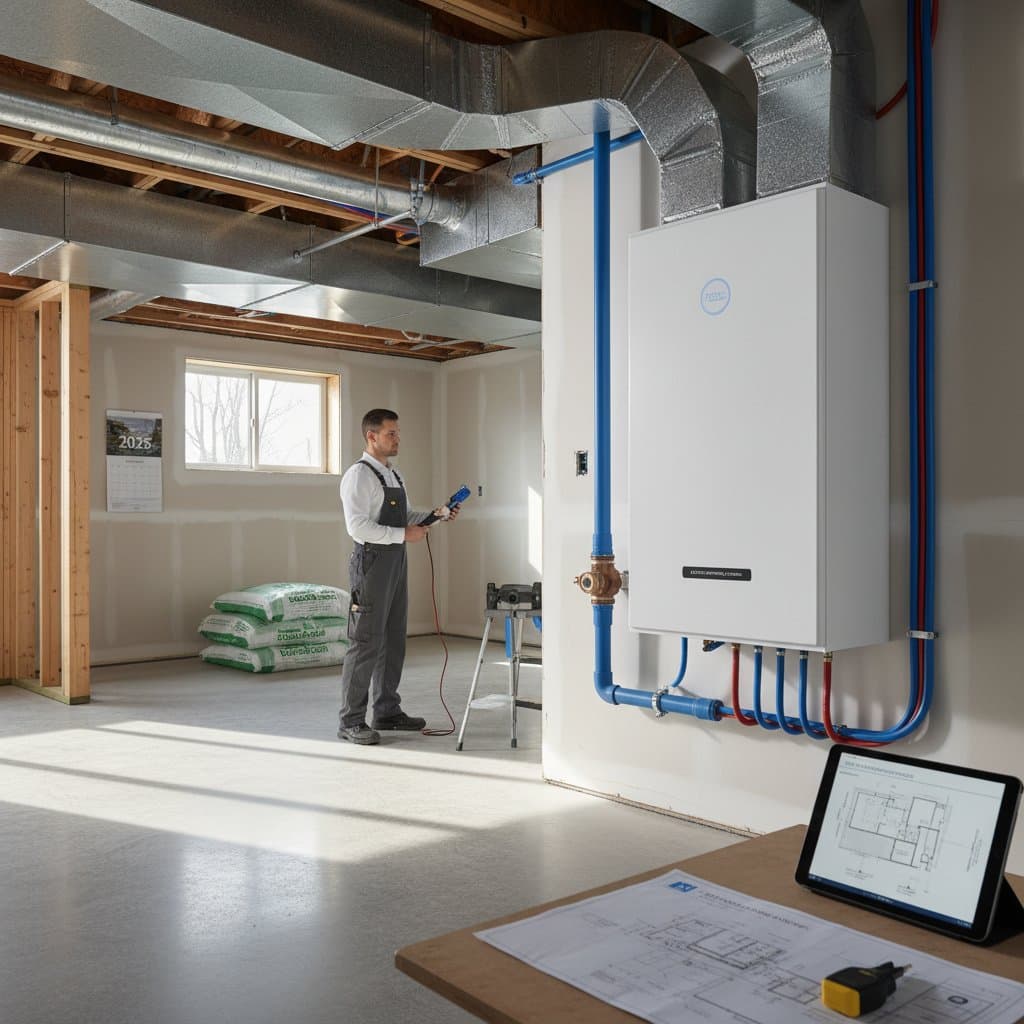
Air-source heat pump setups typically span one to three days, influenced by unit scale and any required electrical work. A site visit yields an accurate schedule.
Do Electric Systems Function During Outages?
Like gas systems reliant on electric controls, heat pumps cease operation without power. Integration with home batteries or generators enhances outage resilience.
How Long Do Electric HVAC Systems Last?
Properly maintained heat pumps endure 15 to 20 years. Adhering to cleaning routines, filter schedules, and expert tune-ups maximizes longevity.
Steps to Secure Your Home's Future Comfort
The 2025 electric HVAC mandates represent an opportunity to upgrade toward safer, more efficient living. By addressing electrical needs, exploring incentives, and consulting experts now, homeowners secure cost savings and reliable performance. Embrace this shift to align your residence with sustainable standards and enjoy the benefits of modern heating and cooling technology.