
- Efficiency specifications: Models with SEER ratings above 16 or AFUE over 95 percent command higher prices but deliver faster returns.
- Current infrastructure: Compatible existing ducts or furnaces reduce labor expenses.
- Fuel accessibility: Proximity to gas lines or propane storage impacts setup and ongoing fees.
- Manufacturer quality: Systems from brands like Trane or Carrier include superior warranties, justifying premium costs.
- Regional pricing: Labor rates and permits differ; obtain multiple quotes for comparison.
Consult a contractor for a customized breakdown to align with financial goals.
Configurations of Hybrid Heating Options
Various hybrid designs accommodate diverse home requirements and installations.
Air-Source Heat Pump Paired with Gas Furnace
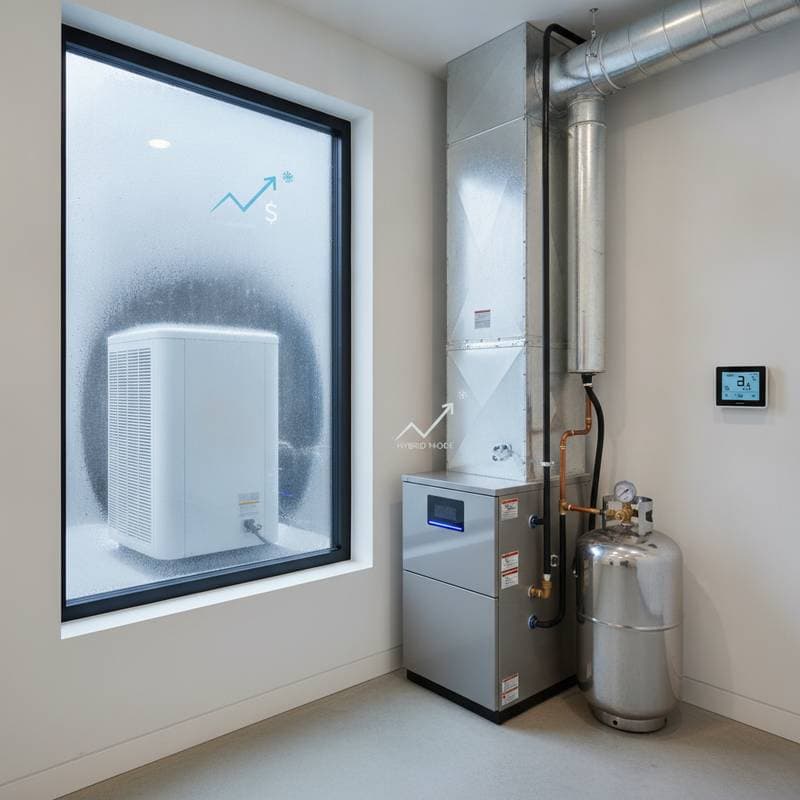
This standard arrangement uses the heat pump for heating and cooling in temperate conditions, with the furnace supporting extreme lows. It suits climates where temperatures rarely fall below 20 degrees Fahrenheit for extended periods.
Integrated Dual-Fuel Unit
A single outdoor unit houses both heat pump and furnace components, ideal for space-constrained properties without dedicated mechanical rooms.
Modular Split-System Design
Separate indoor and outdoor elements connect via a common air handler, allowing adaptations to irregular layouts or existing systems.
Select a configuration after evaluating home structure, local weather patterns, and efficiency priorities with an expert.
Comparing Hybrid Systems to Conventional Alternatives
Hybrid setups outperform traditional furnaces or solo heat pumps in adaptability.
- Superior efficiency: Dynamic adjustments match energy use to external demands throughout the year.
- Consistent comfort: Automatic shifts prevent temperature fluctuations.
- Durability benefits: Balanced operation extends component life by 5 to 10 years.
- Multi-functionality: Single infrastructure handles both heating and cooling needs.
While conventional systems suffice in stable environments, hybrids excel in variable conditions, offering long-term value.
Maintenance Guidelines for Hybrid Systems
Owners can perform routine upkeep to sustain performance, but complex tasks require professional intervention.
Tasks Suitable for Homeowners
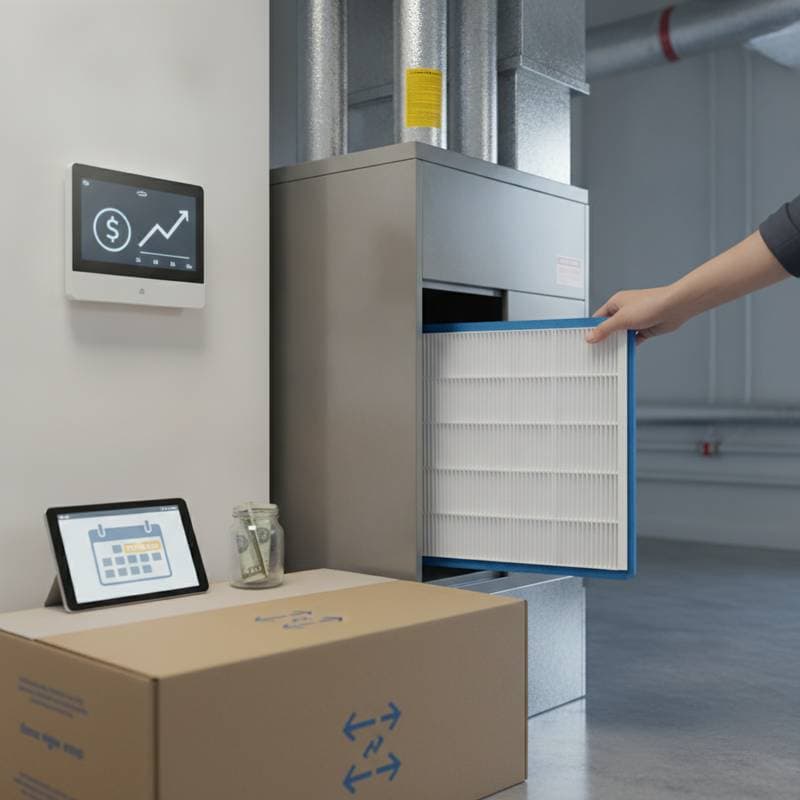
- Replace air filters every one to three months to preserve air quality and system flow.
- Rinse outdoor coils annually with a garden hose to clear dirt and foliage.
- Check vents monthly for blockages to promote even distribution.
Services Requiring Specialists
- Manage electrical wiring to avoid hazards.
- Recharge or repair refrigerant lines, which demand certification.
- Examine gas connections and combustion chambers for safety compliance.
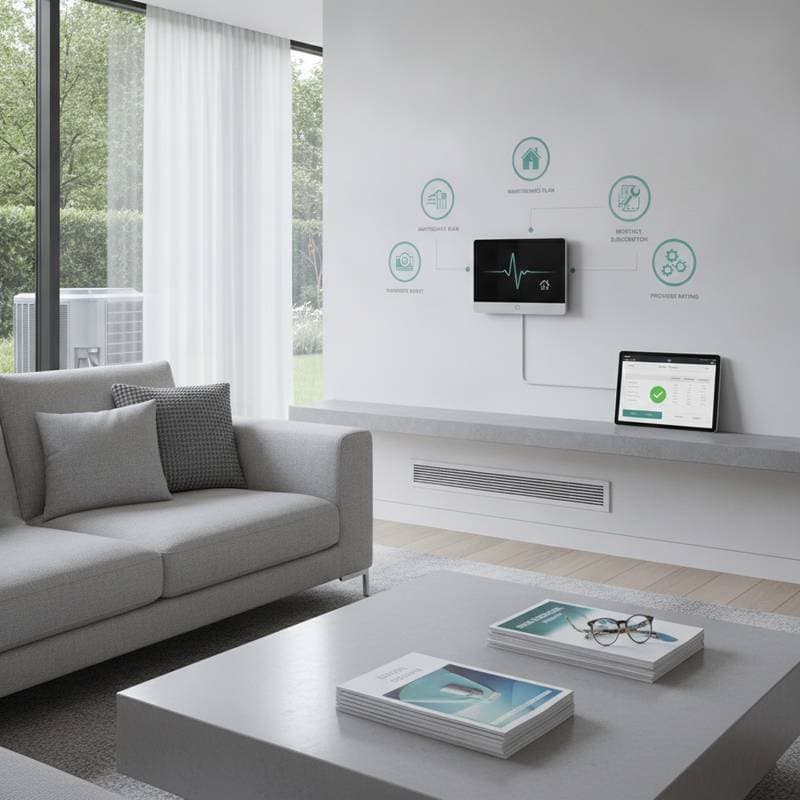
Regular professional tune-ups, ideally biannual, prevent issues and maintain warranties.
Steps in the Hybrid Heating Installation
Familiarity with the process prepares homeowners for a seamless experience.
- Initial evaluation: Technicians inspect insulation, ducts, and current equipment for integration feasibility.
- Component selection: Recommendations factor in home square footage, energy rates, and climate data.
- On-site assembly: Installers position units, secure connections, and program controls.
- Performance verification: Tests confirm seamless operation and balance points.
- Owner orientation: Guidance covers daily use, thermostat settings, and upkeep schedules.
Certified installation guarantees compliance with codes and optimal functionality.
Frequently Asked Questions
How does the system determine fuel transitions?
Sensors track ambient temperatures; the heat pump engages above the balance point, typically 25 to 35 degrees Fahrenheit, while the furnace activates below it.
Do hybrid systems perform in sub-zero conditions?
They do, with the furnace managing primary loads. Advanced heat pumps with variable-speed compressors extend efficient operation to -15 degrees Fahrenheit.
Is retrofitting possible with an existing furnace?
Often, yes, provided ducts and electrical capacity align. A site survey confirms viability and outlines modifications.
What maintenance frequency applies?
Monthly filter checks and seasonal cleanings suffice for owners, supplemented by annual professional servicing for both components.
How do hybrids contribute to sustainability?
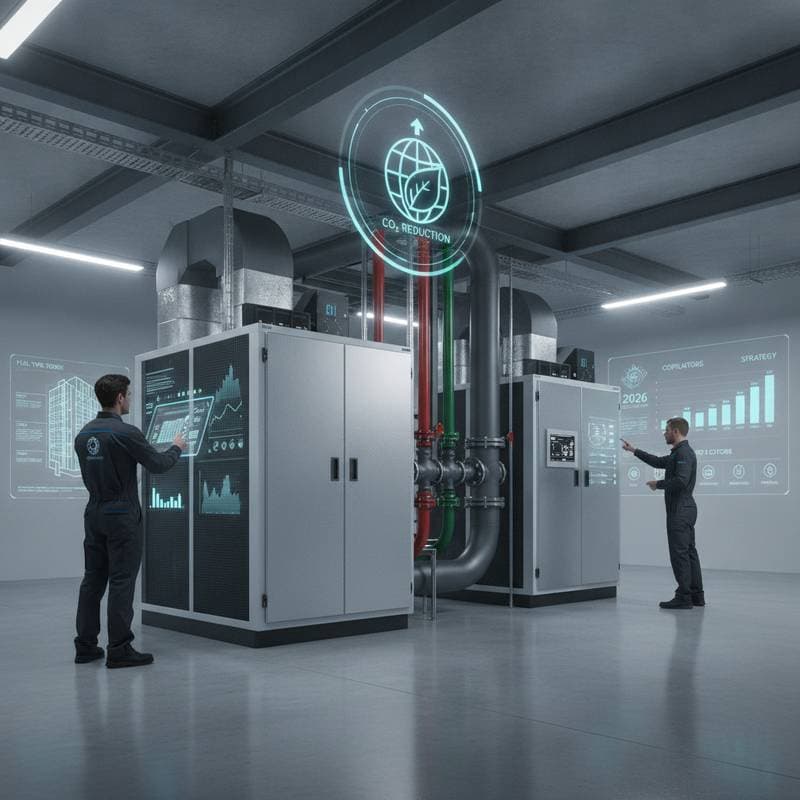
Prioritizing electric operation cuts fossil fuel reliance, potentially reducing carbon output by 40 percent compared to gas-only systems.
Optimizing Performance and Savings
To maximize hybrid benefits, monitor energy usage via smart thermostats and seal home envelopes against drafts. Pair with insulation upgrades for compounded efficiency. Schedule evaluations every few years to adapt to changing needs, ensuring sustained comfort and fiscal advantages.