Heat Pumps Now Face 45-60 dB Limits in 2025
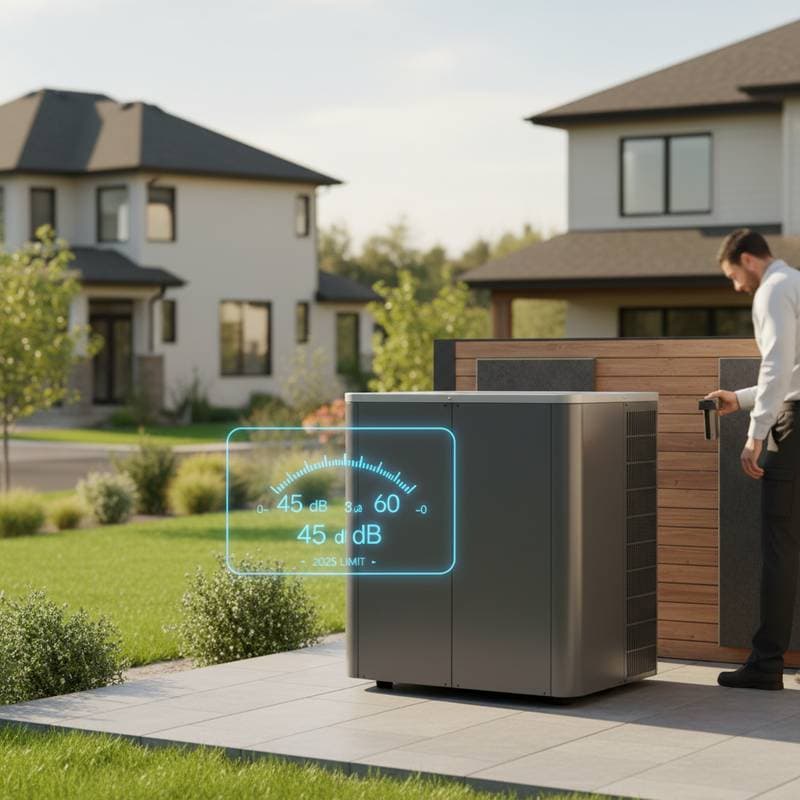
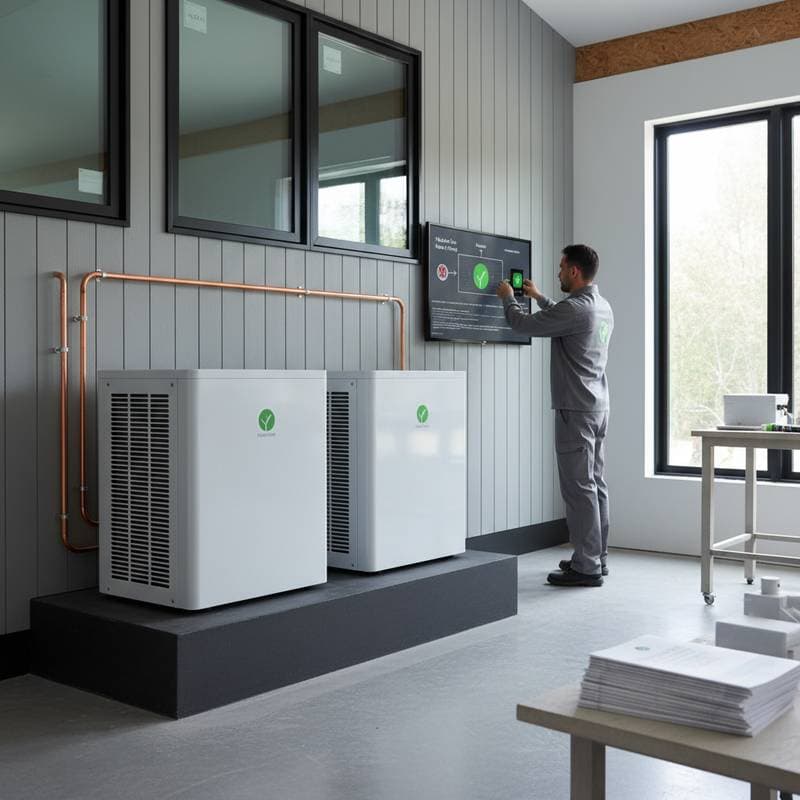
Starting in 2025, state regulations cap residential heat pump noise at 45-60 decibels to promote energy efficiency and reduce neighborhood disturbances.
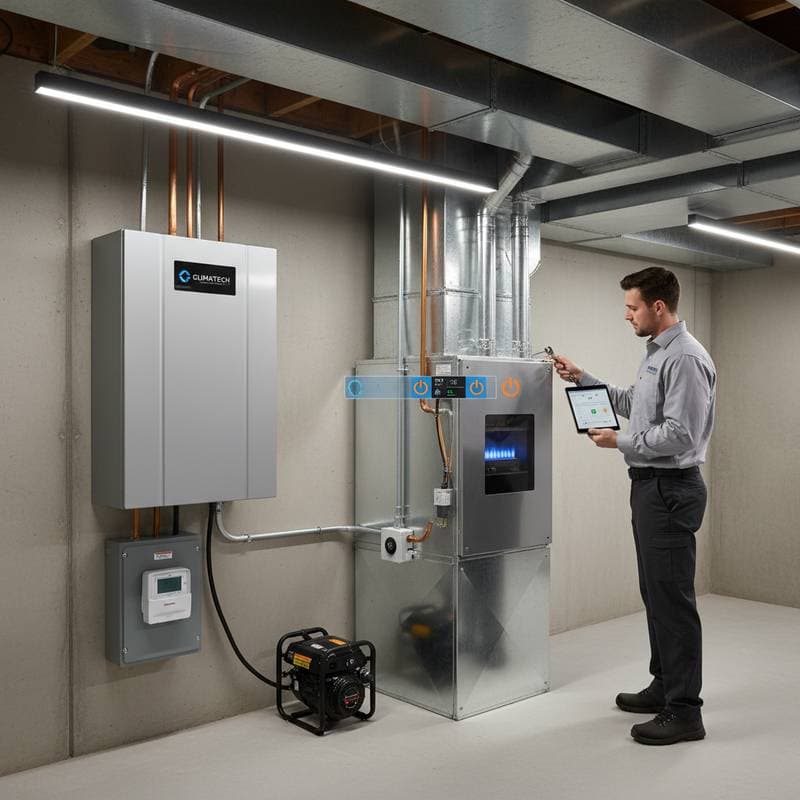
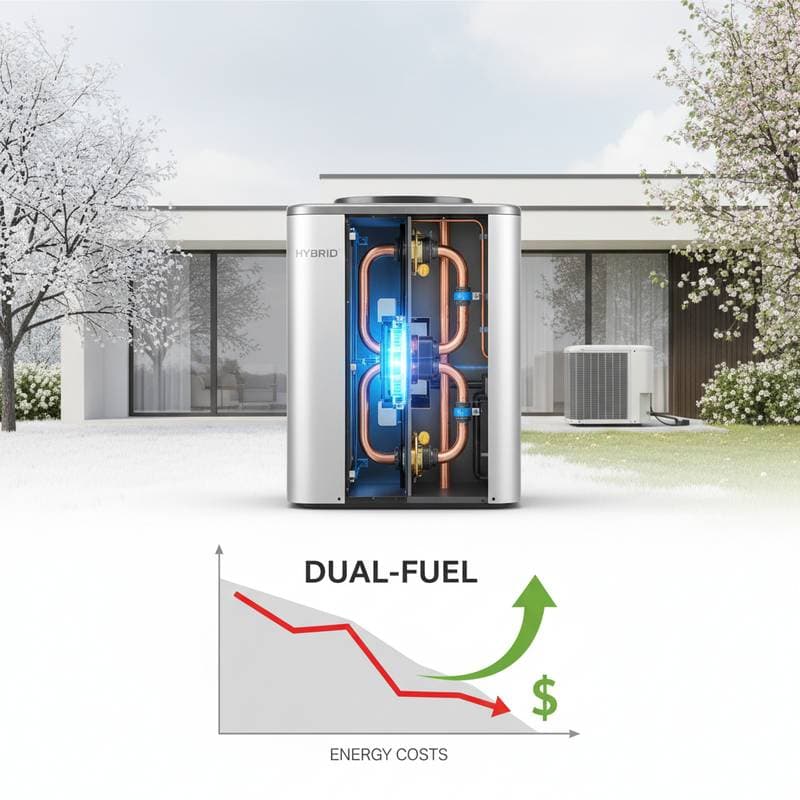
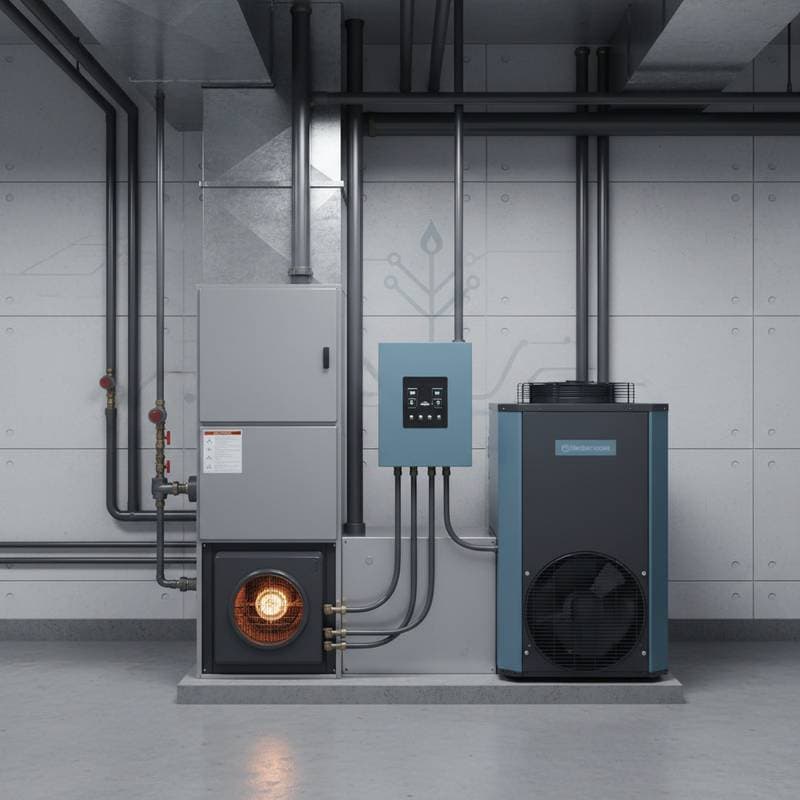
Dual-fuel HVAC systems integrate electric heat pumps with gas furnaces to provide efficient heating, cooling, and backup during power outages. This guide covers installation costs from $6,000 to $12,000, energy efficiency advantages, and essential considerations for homeowners preparing for variable weather patterns.
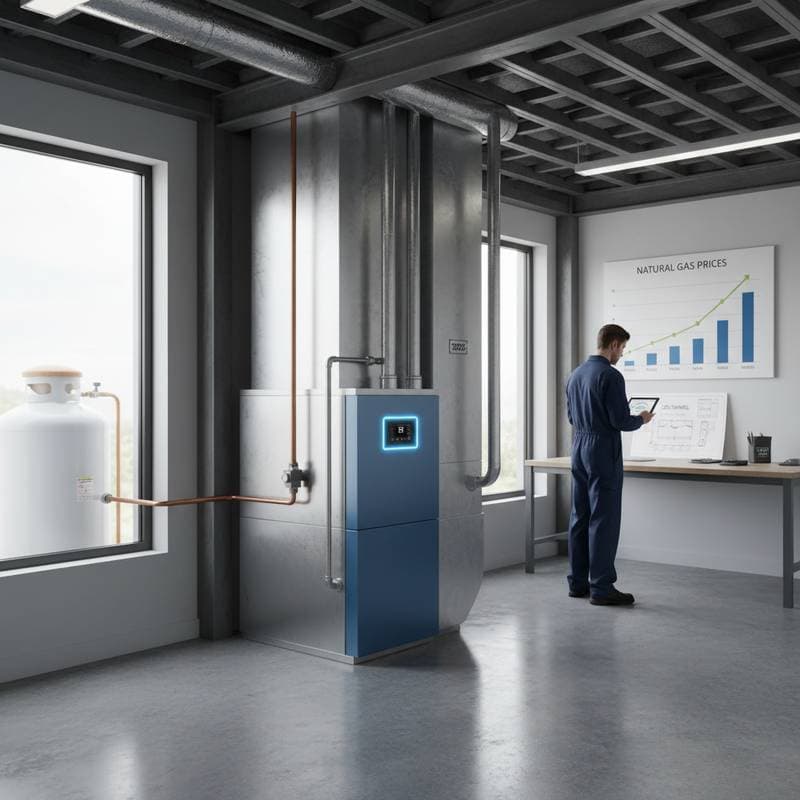
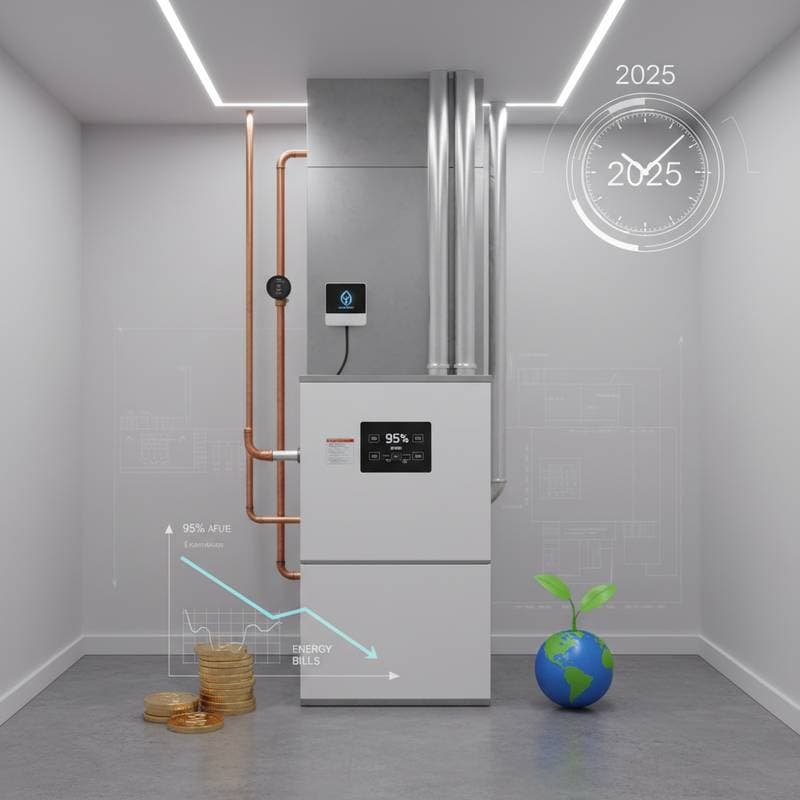
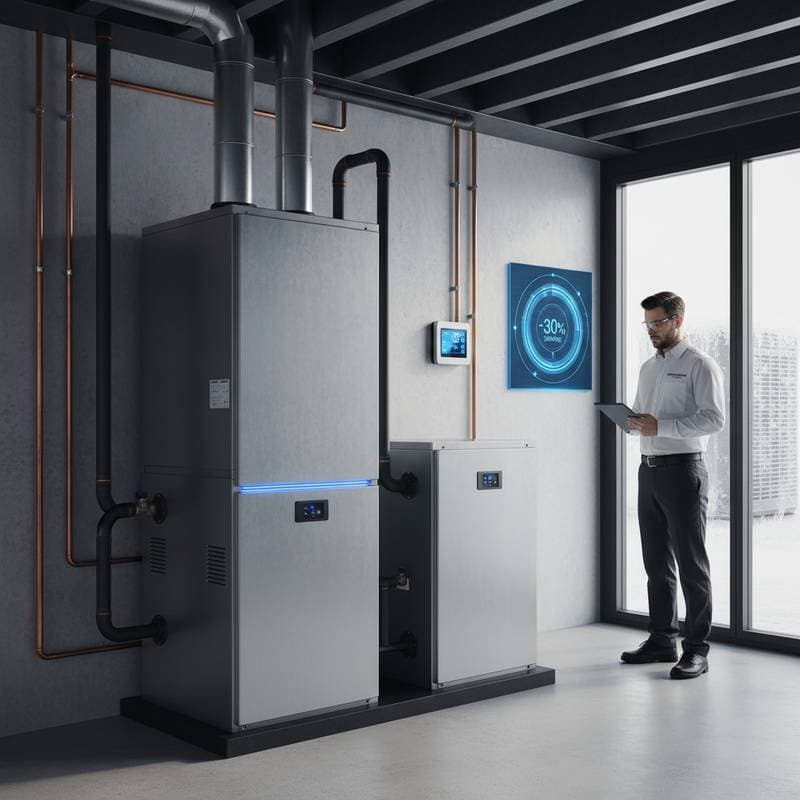
The U.S. Department of Energy requires all new residential gas furnaces to reach 95% AFUE starting in 2029. This standard promises reduced energy bills and lower emissions for homeowners, though initial costs may rise. Understand the effects on heating systems, potential savings, and essential preparation strategies.
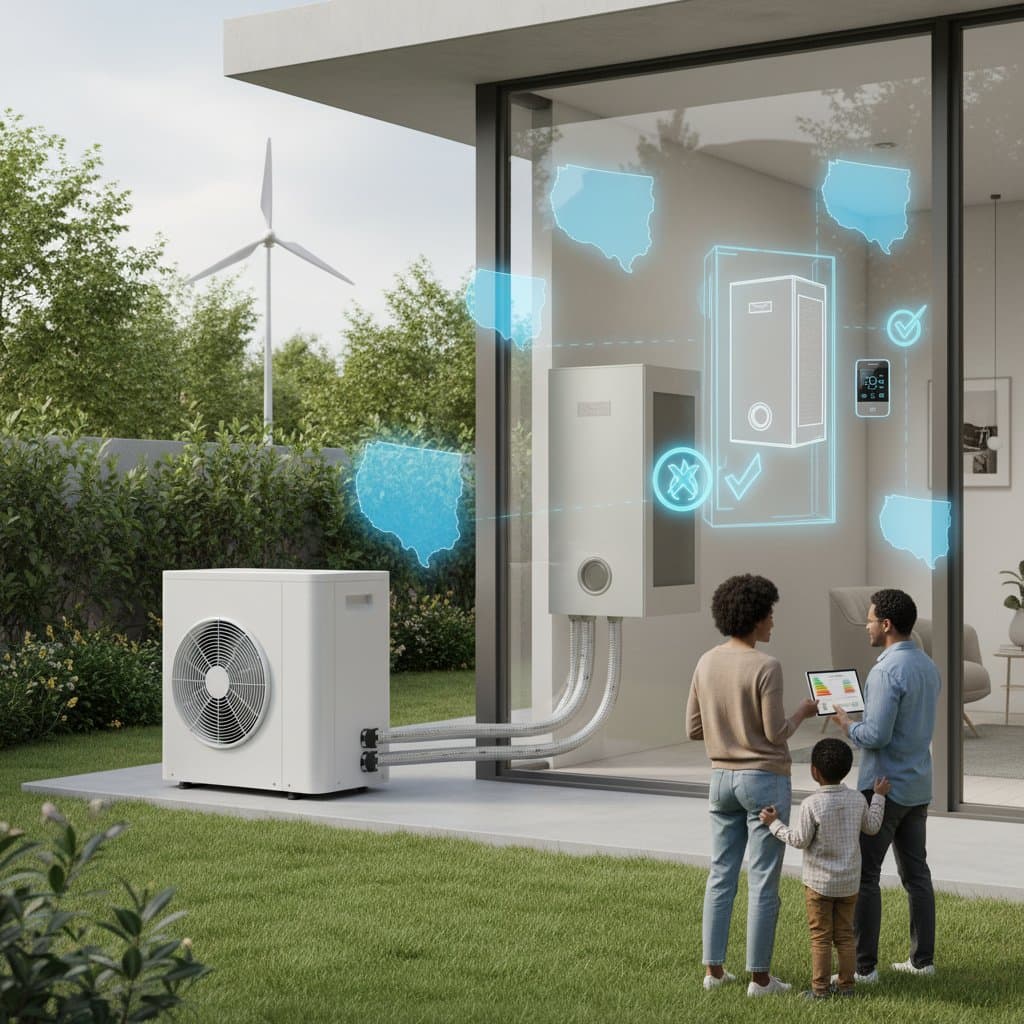
With gas bans reaching 15 cities, homeowners must consider shifts in heating and appliances. This resource details ban implications, electrification drivers, and transition tactics, including expenses, choices, and rebates for an electric-ready home.
Eight states enforce electric HVAC requirements for new homes starting in 2025, advancing cleaner energy solutions.
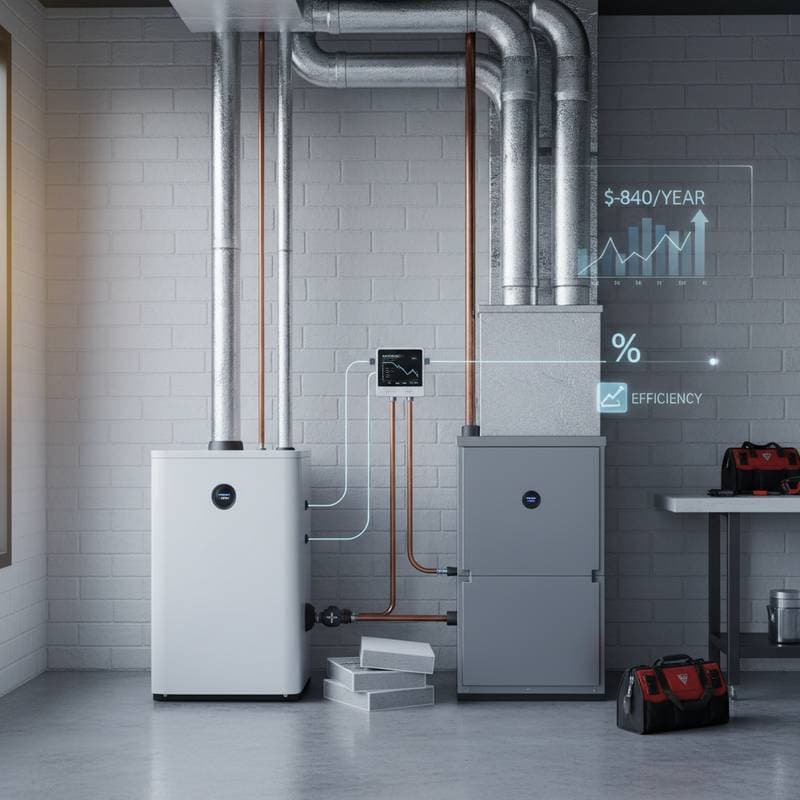
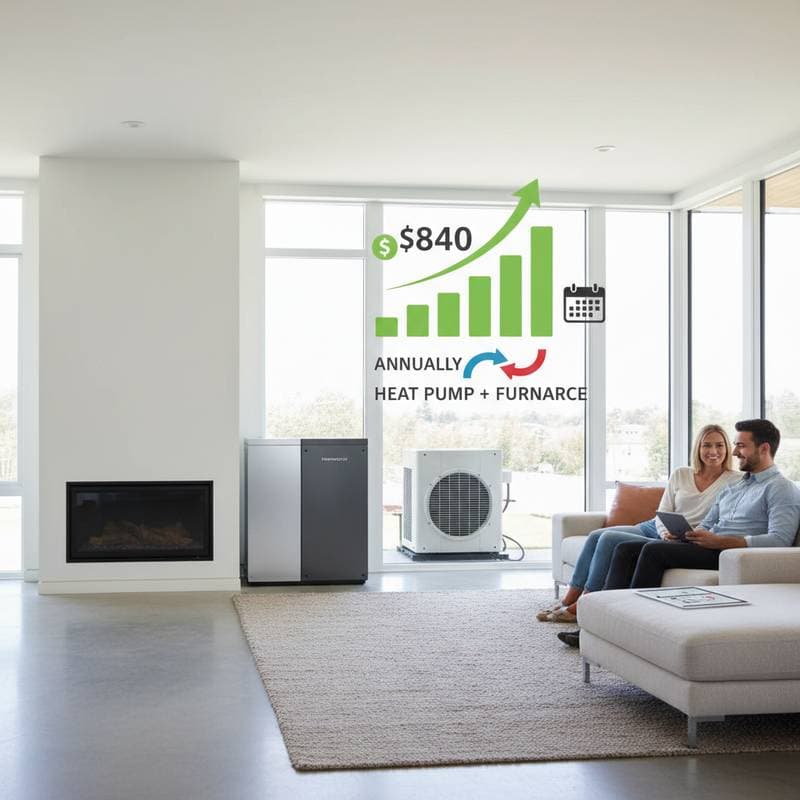
A dual-fuel heating system integrates an electric heat pump with a gas furnace to deliver efficient, cost-effective warmth. This hybrid approach can reduce annual heating expenses by as much as $840 by selecting the optimal energy source based on weather conditions. Proper setup, maintenance, and home improvements further enhance these benefits for year-round comfort.
Reduce heating expenses by up to $800 yearly with a dual-fuel system that intelligently alternates between electric heat pumps and gas furnaces. This guide covers operation, savings strategies, maintenance essentials, and professional installation to achieve year-round efficiency and comfort.
In 2025, discerning homebuyers prioritize zoned HVAC systems for intelligent comfort solutions. These systems segment homes into independent temperature zones, optimizing energy use, reducing costs, and elevating air quality. With effortless smart home compatibility and individualized control, zoning emerges as an essential upgrade that amplifies comfort, practicality, and resale appeal.
Dual-fuel HVAC systems reduce winter heating bills by up to 35 percent through intelligent hybrid operation. These systems switch between electric heat pumps and gas furnaces for optimal efficiency and comfort. This guide covers installation costs, essential features, key considerations, and strategies to maximize long-term savings.
Eight states have implemented bans on new gas furnace installations, marking a significant move toward cleaner energy. Homeowners face the need to adopt electric alternatives like heat pumps, which promise lower emissions and energy efficiency. This guide details the implications, transition process, costs involved, and long-term savings to help you prepare for an electrified home heating system.
Dual-fuel heating systems merge heat pump precision with gas furnace strength, potentially saving $840 per year. This overview covers operations, expenses, return timelines, and advantages for sustainable, comfortable living.
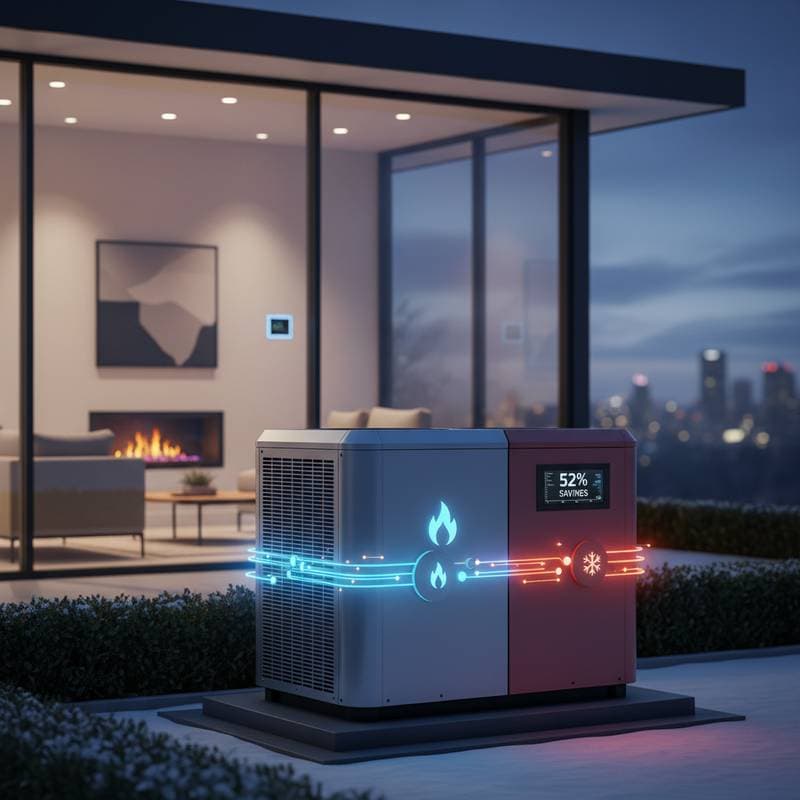
Hybrid heat pumps reduce winter heating bills by up to 52% by integrating electric and gas technologies. These systems switch fuels intelligently for optimal efficiency, comfort, and cost savings. This guide explains their operation, installation considerations, and benefits for homeowners.
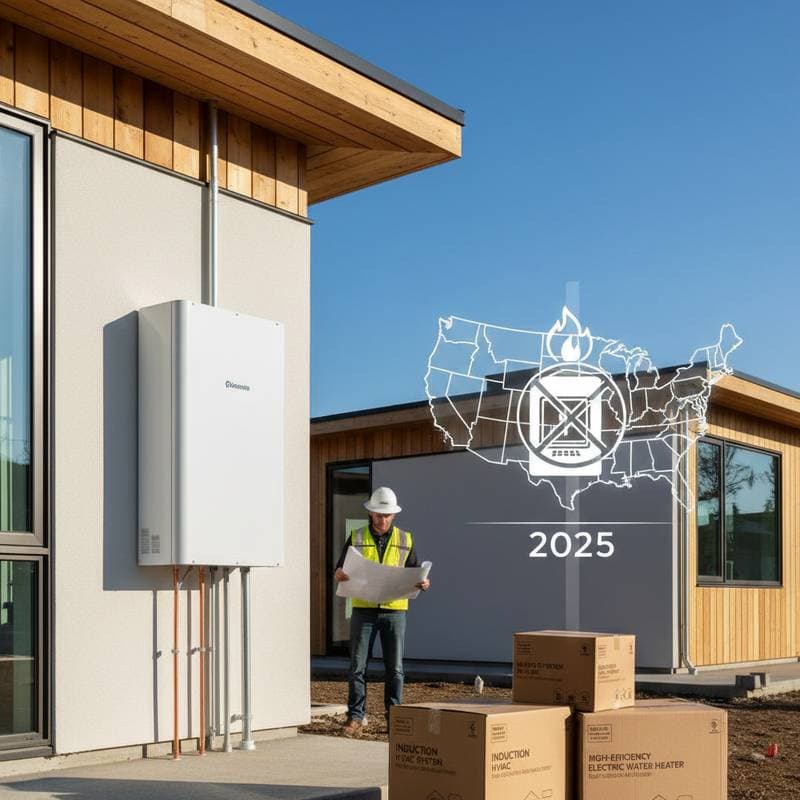
Eight states implement 2025 building codes that phase out gas furnaces in new constructions, promoting electric heat pumps for cleaner, more efficient heating. This guide covers affected states, installation impacts, cost considerations, incentives, and preparation steps for homeowners and builders.
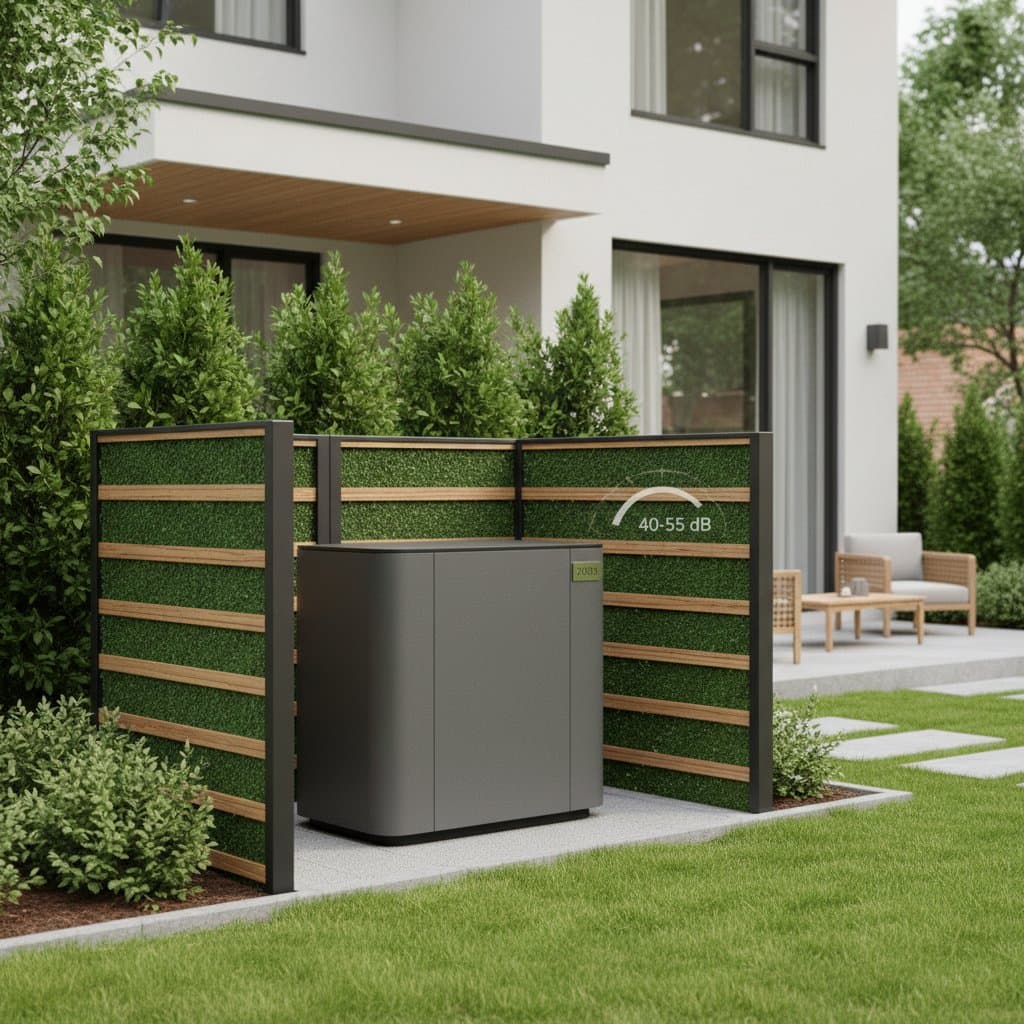
As 2025 heat pump noise regulations enforce stricter 40-55 dB limits, homeowners face new requirements for installations and upgrades. This guide details compliant equipment choices, site-specific placement strategies, and noise mitigation techniques to maintain energy efficiency and residential harmony.
Dual-fuel heating systems integrate an electric heat pump with a gas furnace to provide consistent comfort and significant savings. These systems switch automatically to the most efficient fuel source, potentially reducing energy bills by up to 30 percent. Understand the mechanics, costs, and advantages for enhanced home heating performance.
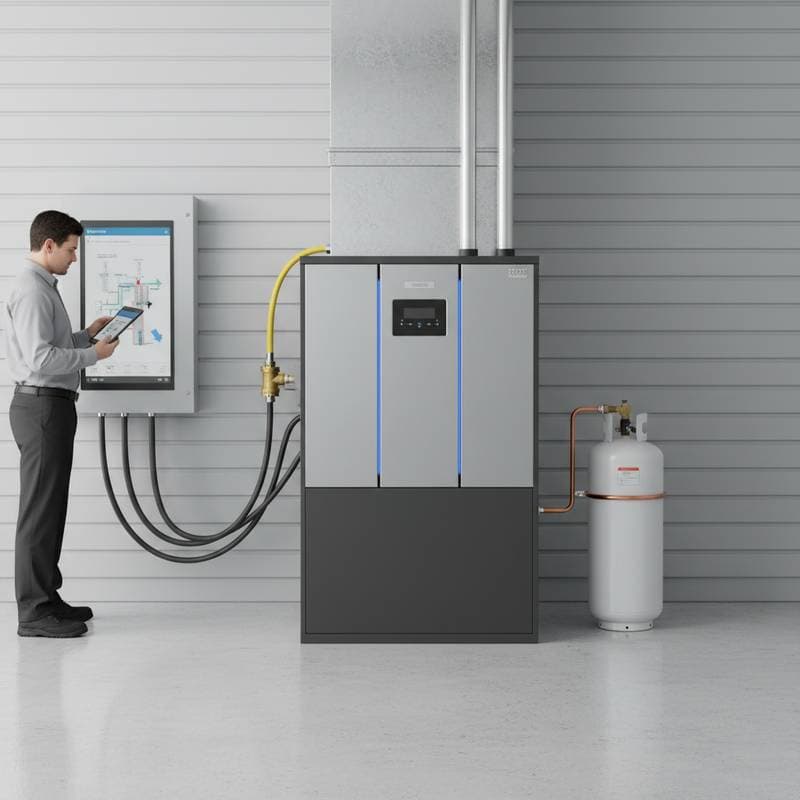
Tri-fuel HVAC systems ensure continuous comfort during power outages by seamlessly switching between electricity, natural gas, and propane. This setup provides automatic operation, energy efficiency, and dependable performance, safeguarding your home against weather-related disruptions and grid failures.
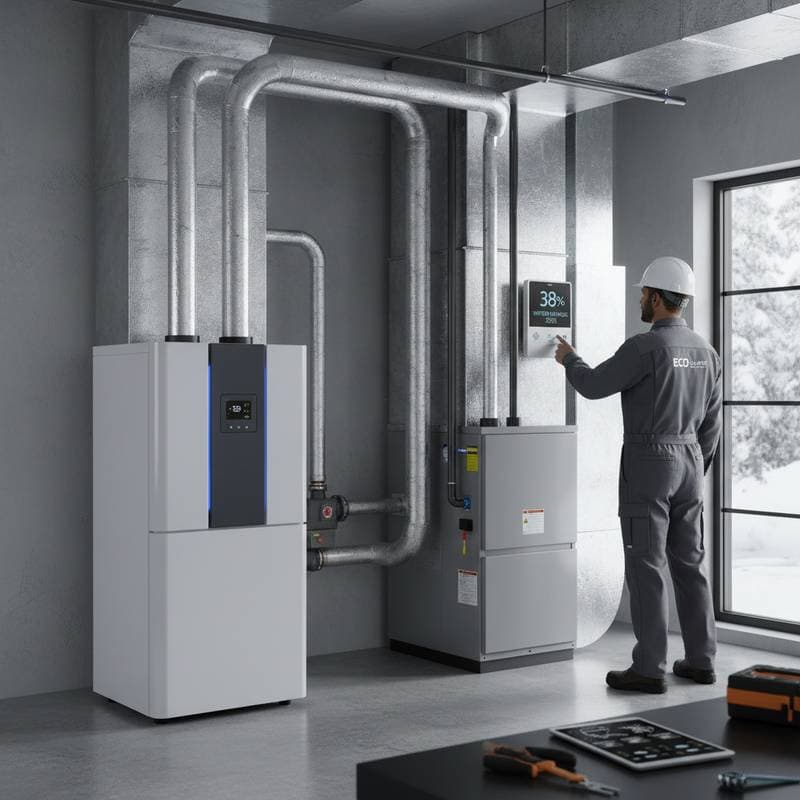
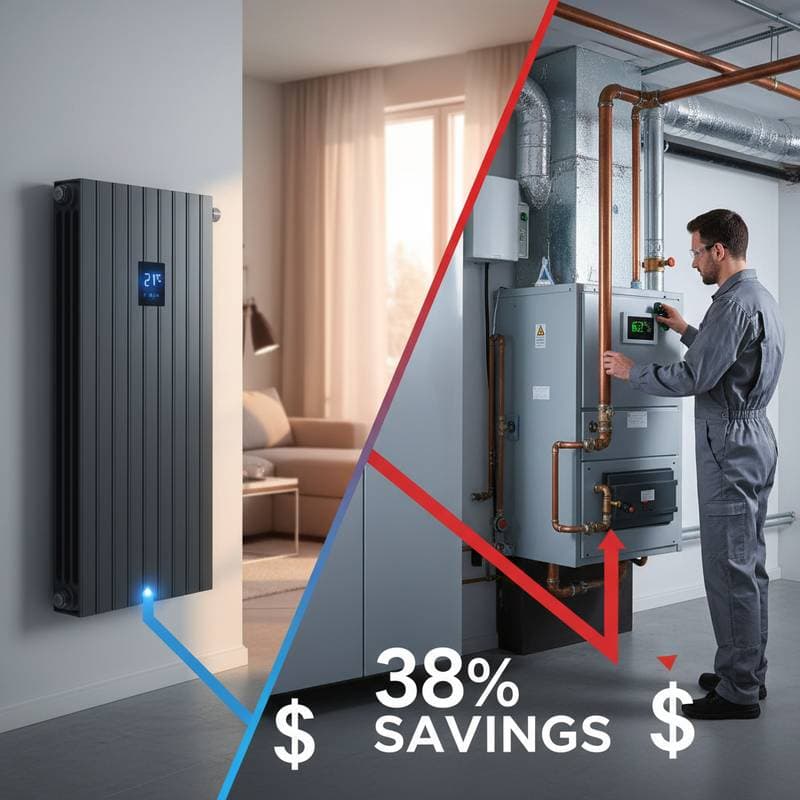
Electric radiators offer a smart alternative to gas heating, potentially cutting winter bills by up to 38%. This guide covers their near-perfect efficiency, zoned control options, and smart features that deliver savings, minimal upkeep, and sustainable warmth. Delve into practical installation advice, real-world savings examples, and why they enhance home comfort.
Dual-fuel heating systems pair electric heat pumps with gas furnaces to cut energy costs by up to 35%. This guide covers smart operation, cost factors, installation tips, maintenance essentials, and FAQs to help homeowners decide if this hybrid solution fits their needs.
Hybrid heating systems merge electric heat pumps and gas furnaces for seamless, efficient operation that cuts bills and extends equipment life. Automatic switching optimizes fuel use, reduces waste, and minimizes environmental effects while ensuring reliable indoor temperatures. Determine if this upgrade suits your residence.
Furnace repair calls increased 89% this winter due to harsh weather, outdated equipment, and overlooked upkeep. Homeowners dealt with repair expenses averaging $300 to $1,200. Discover the root causes, early detection methods, and essential maintenance routines to avert future heating disruptions.