Gas Bans Expand to 15 Cities: Essential Insights for Homeowners
Gas bans now affect 15 cities, raising concerns among homeowners about their heating and appliance systems. If your residence relies on a gas furnace, stove, or water heater, these regulations may influence future replacements and upgrades. This article clarifies the nature of gas bans, the reasons behind the shift to electrification, and practical measures to transition your home effectively.
Understanding Gas Bans
A gas ban represents a municipal policy that prohibits or limits the extension of natural gas infrastructure to new buildings and significant renovations. These measures form part of a larger initiative to promote electric alternatives over gas-based systems. The primary objectives include lowering carbon emissions and enhancing indoor air quality.
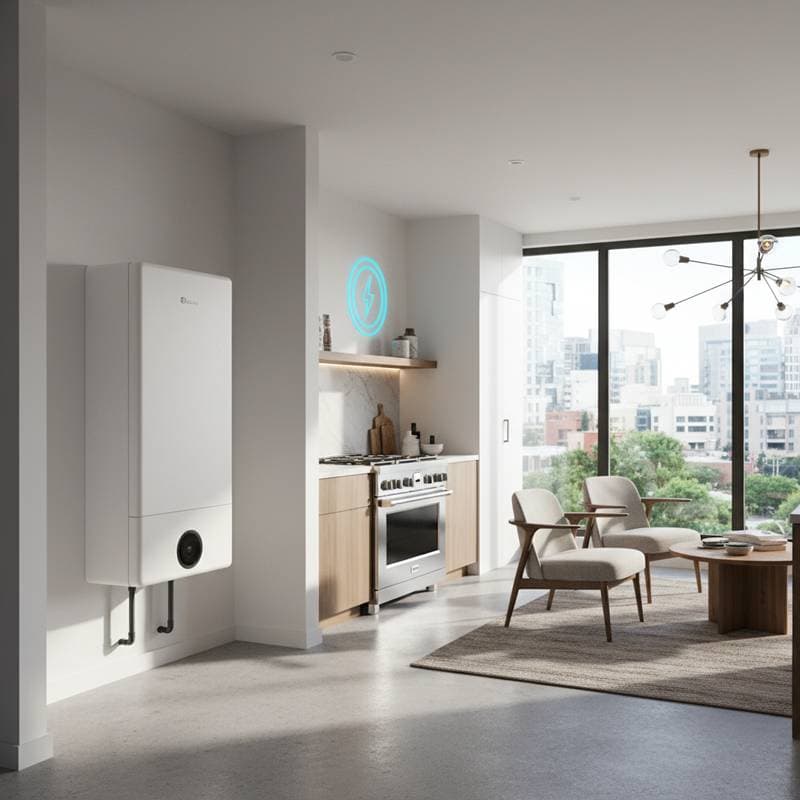
Under such a ban, fresh constructions and substantial remodels require electric solutions for heating, cooking, and hot water production. Current gas installations generally continue operating without interruption, though substitutions or additions face constraints. Homeowners benefit from early awareness to avoid unexpected disruptions.
Reasons for the Electrification Push
Residential energy consumption significantly contributes to atmospheric carbon levels, with natural gas playing a central role. Municipalities adopting these policies seek to phase out fossil fuels in favor of electricity sourced from renewables. Advocates highlight advantages in public health, reduced fire risks, and superior long-term efficiency.
The transition may appear daunting for households accustomed to gas reliance. Options exist to maintain comfort while meeting requirements. Proactive planning ensures compliance and sustained performance.
Impacts on Furnace and Heating Systems
Homeowners with gas furnaces face no immediate mandate for removal. Regulations primarily target new setups. When an existing unit fails in a restricted area, replacement must involve an electric counterpart.
Electric Heating Alternatives
- Electric Furnaces: These devices employ resistance coils to warm air, which circulates via current duct systems.
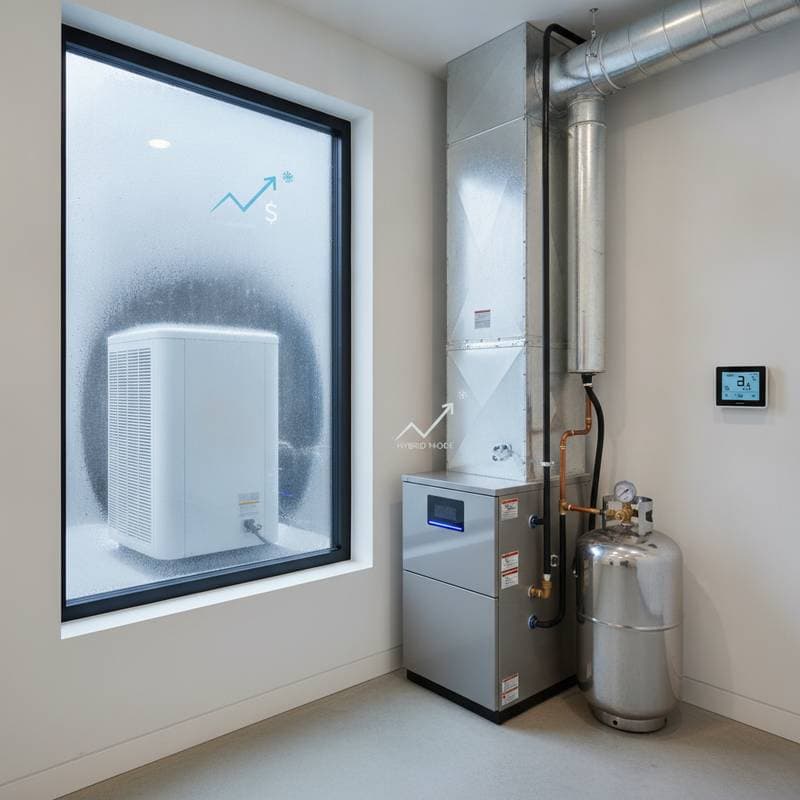
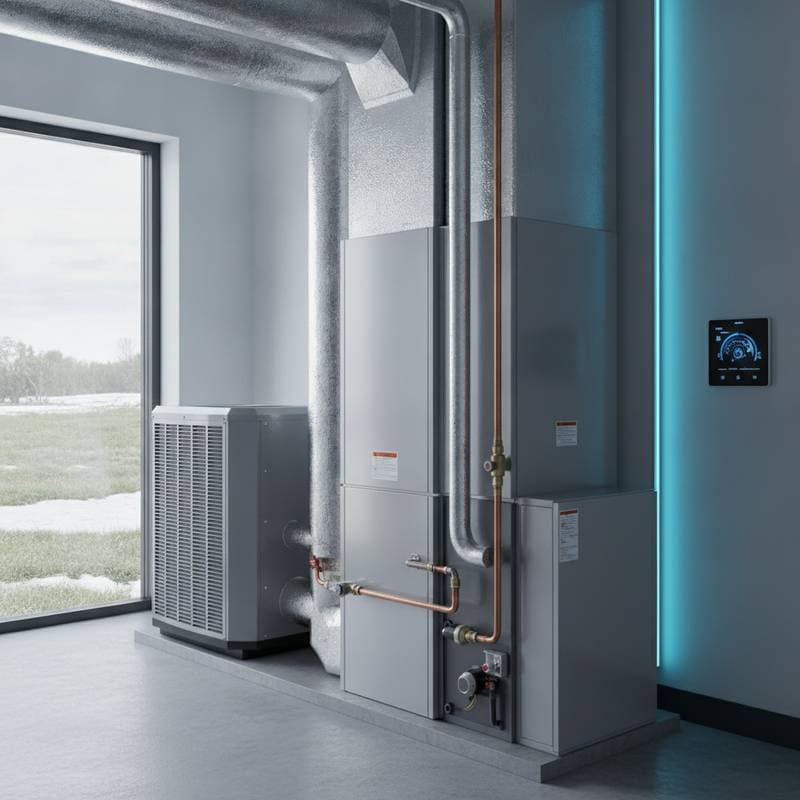
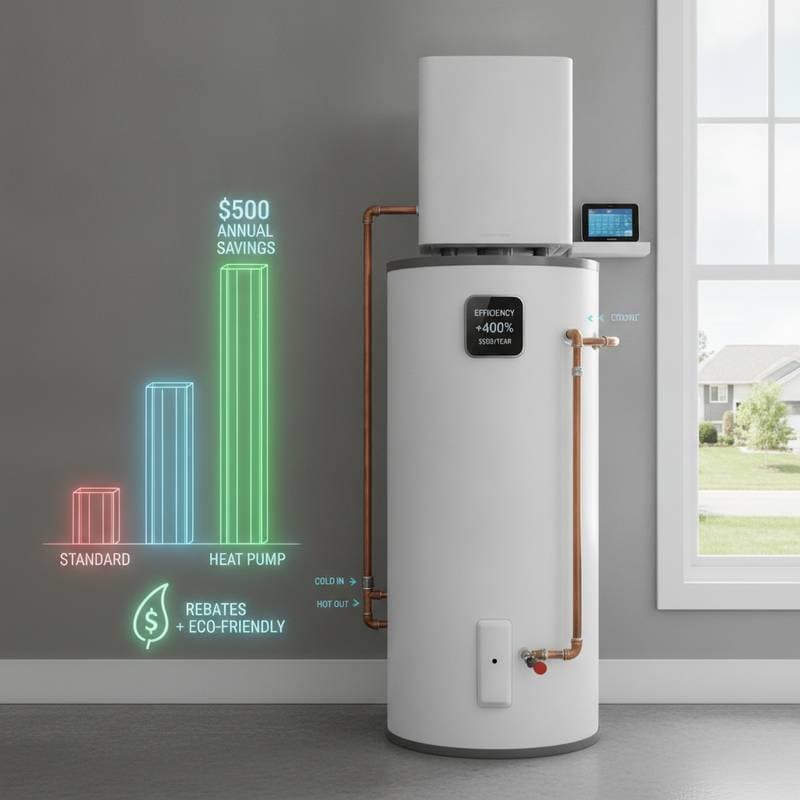
- Heat Pumps: Such units move heat from external to internal spaces, delivering both heating and cooling capabilities with notable efficiency.
- Ductless Mini-Splits: Suitable for properties lacking central ducts, these offer targeted climate control and energy savings.
Installation varies by option, as do initial expenses and operational efficiency. Consult a certified HVAC specialist to evaluate your property and select an optimal solution.
Factors Affecting Conversion Expenses
Transitioning from gas to electric heating involves multiple cost determinants:
- Equipment Selection: Heat pumps command higher initial prices than electric furnaces yet frequently yield reduced monthly energy expenses.
- Electrical Infrastructure: Aging residences might require service panel enhancements to support increased power demands.
- Property Dimensions and Configuration: Expansive homes necessitate robust units and supplementary components.
- Setup Intricacies: Converting gas piping to electrical conduits or modifying ducts elevates labor charges.
- Regional Support Programs: Certain locales and energy providers extend rebates for efficient electric installations.
Budgeting requires a comprehensive assessment. Factor in potential savings from incentives to offset upfront investments.
DIY Approaches Versus Professional Services
Attempting a do-it-yourself conversion poses substantial risks, including electrical hazards and code violations. Gas-to-electric shifts demand expertise in wiring, ventilation, and system calibration to ensure safety and performance.
Professionals possess the tools and knowledge to comply with local standards. They also identify efficiency opportunities that amateurs might overlook. Investing in expert installation safeguards your home and maximizes return on expenditure.
Frequently Asked Questions
Can existing gas furnaces operate under a gas ban?
Yes, the majority of bans permit ongoing use of installed systems until natural replacement becomes necessary. Limitations apply primarily to new or upgraded installations.
Does electric heating raise utility costs?
Outcomes vary based on regional electricity pricing and system efficiency. Heat pumps typically reduce expenses relative to aging gas units.
Do electric furnaces match gas performance?
Contemporary models deliver comparable heating effectiveness, although initial warmup may require additional time. Accurate sizing guarantees reliable comfort.
What support exists for electrification?
Utilities and local governments frequently provide rebates or credits for efficient electric systems. Verify eligibility through your area provider.
Steps to Prepare Your Residence
Begin by auditing your current systems to gauge their remaining lifespan. Research local regulations and incentive programs to inform decisions.
Schedule a professional energy audit to pinpoint upgrades like insulation improvements, which enhance electric system efficiency. Explore financing options if costs concern you.
These preparations position your home for seamless adaptation, yielding lower emissions, improved air quality, and potential savings over time.