Dual-Fuel HVAC Systems for Uninterrupted Comfort in Extreme Weather
Core Components of Dual-Fuel HVAC Systems
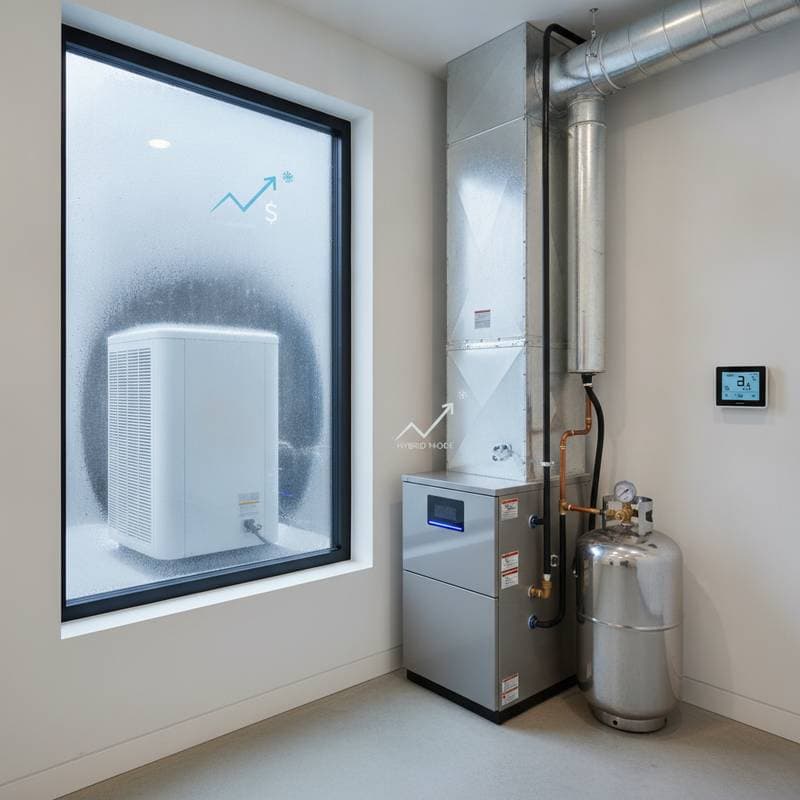
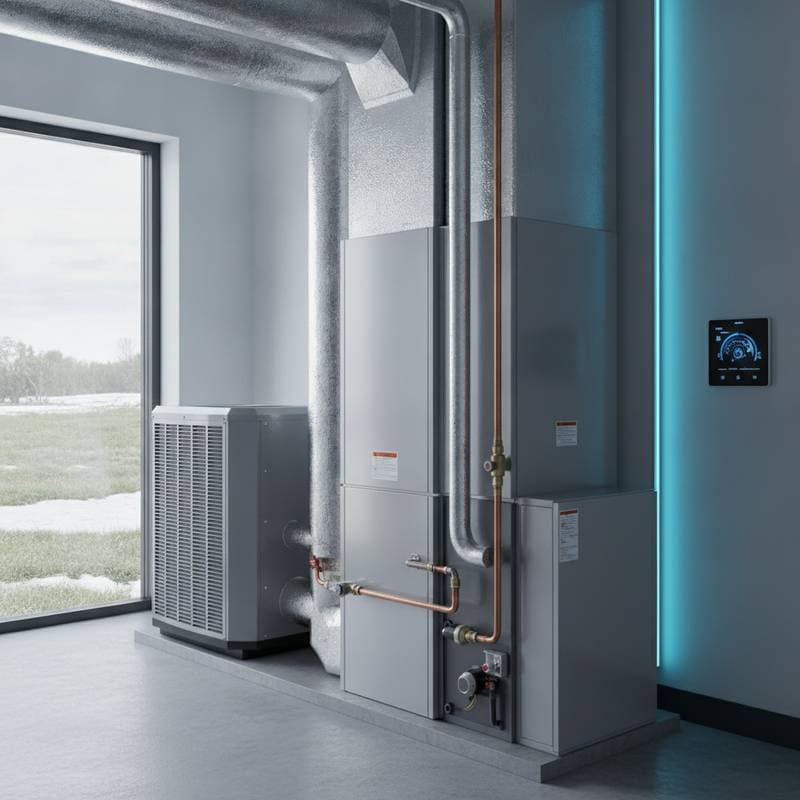
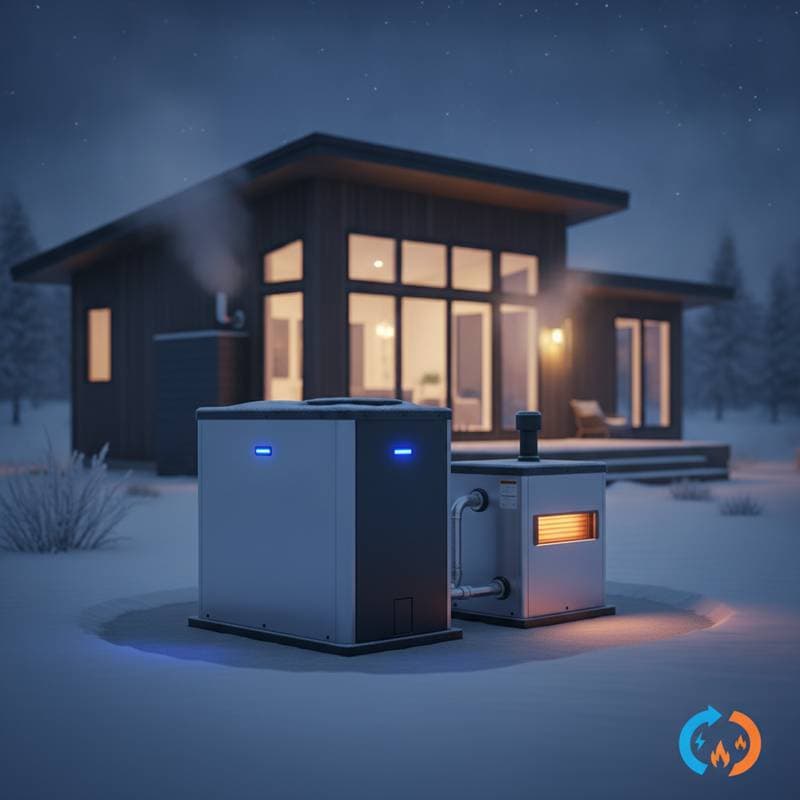
A dual-fuel HVAC system pairs an electric heat pump with a gas furnace to deliver versatile heating and cooling. The heat pump operates efficiently in mild conditions, while the furnace activates during severe cold to ensure steady warmth. Installation costs typically fall between $6,000 and $12,000, influenced by home size, equipment quality, and local labor rates.
This combination suits homes in regions with variable climates, where temperatures fluctuate between moderate and freezing. Homeowners gain flexibility without sacrificing performance. Professional assessment determines the optimal setup for specific needs, balancing initial investment with long-term reliability.
Installation Costs Based on Home Size
System capacity, measured in tons for cooling or BTUs for heating, scales with square footage to avoid inefficiency.
| Home Size | System Size | Average Installed Cost |
|---|---|---|
| Up to 1,500 sq. ft. | 2-2.5 tons | $6,000-$8,000 |
| 1,500-2,500 sq. ft. | 3-4 tons | $8,000-$10,000 |
| Over 2,500 sq. ft. | 4-5 tons | $10,000-$12,000 |
Larger spaces demand robust units to distribute air evenly. Consult an HVAC specialist for a Manual J load calculation, which evaluates insulation, windows, and occupancy to prevent costly errors like short cycling.
Factors Influencing Dual-Fuel System Expenses
Multiple elements shape the final price, allowing informed budgeting.
Efficiency Specifications
Select units with superior ratings to maximize returns. Prioritize SEER2 above 16 for cooling, HSPF2 exceeding 9 for heat pump heating, and AFUE over 95 percent for the furnace. These metrics reduce operational costs by 20-30 percent annually in mixed climates.
Installation Challenges
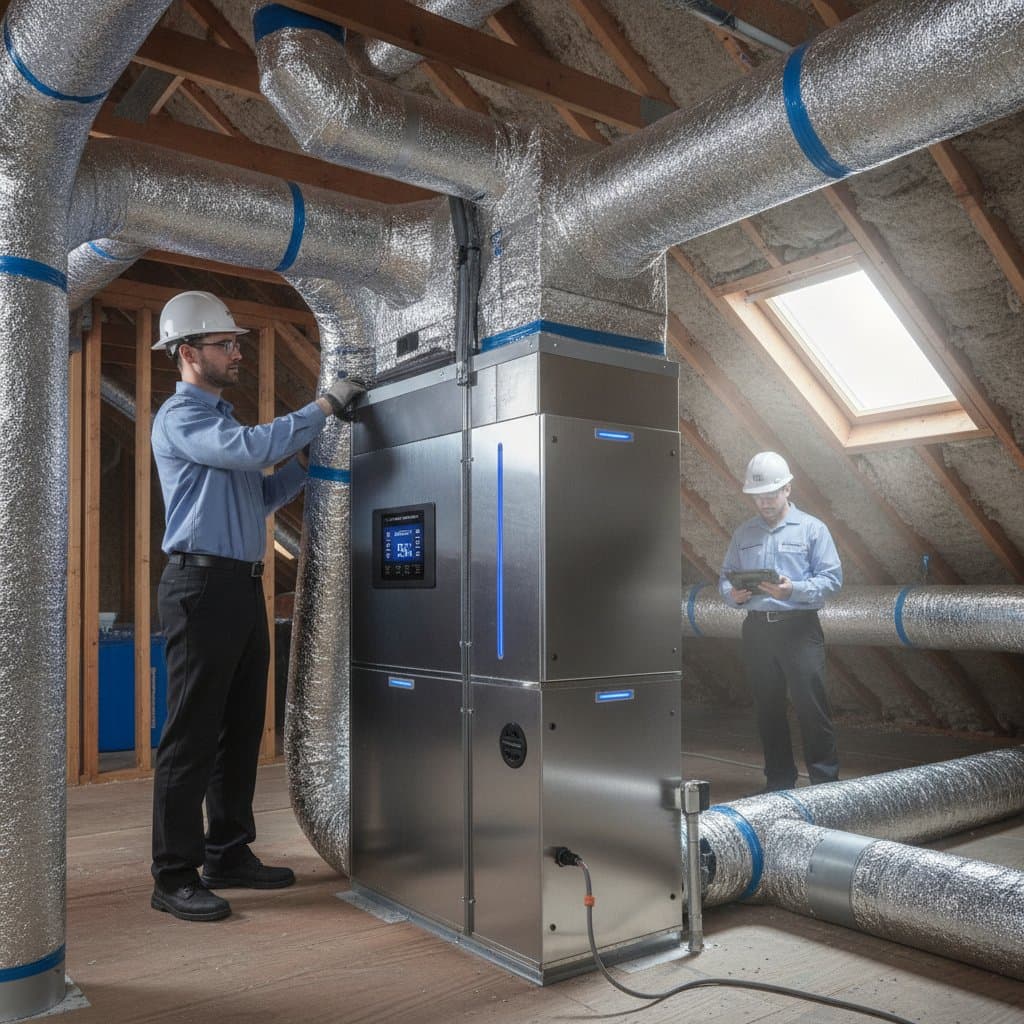
Labor varies with site conditions. Evaluate duct integrity, gas line proximity, and electrical upgrades. Retrofitting older structures often adds $1,000-$2,000 due to modifications for seamless integration.
Brand and Feature Choices
Established manufacturers like Carrier or Trane offer durable models with variable-speed compressors for quiet operation. Entry-level options start lower, but premium selections include zoning capabilities for targeted temperature control.
Financial Incentives
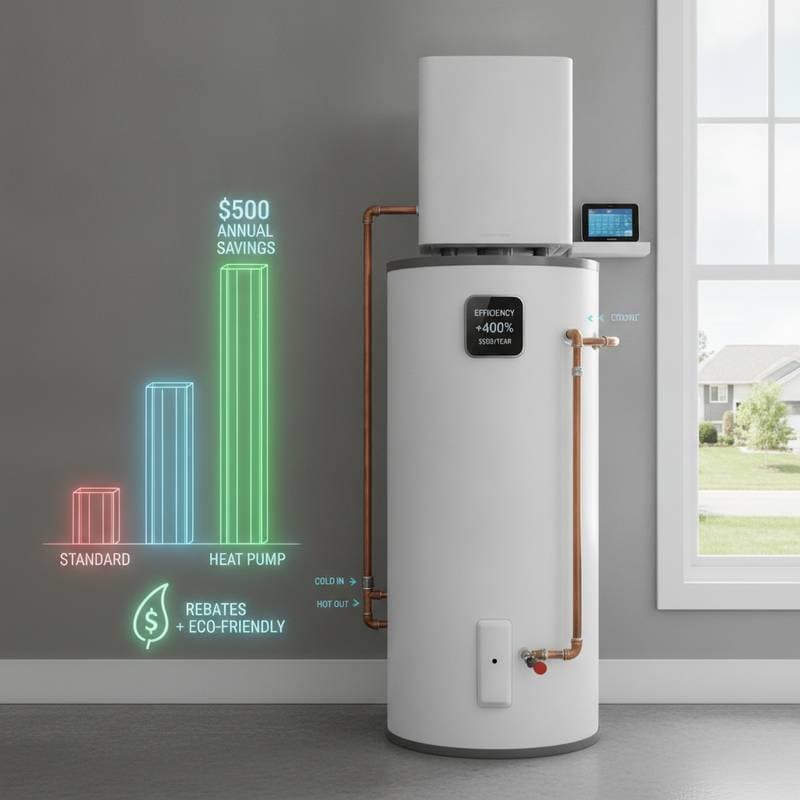
Utility providers and federal programs, such as the Inflation Reduction Act, provide rebates up to $2,000 for high-efficiency hybrids. Verify eligibility through Energy Star certifications to offset upfront expenses.
Optional Enhancements
Incorporate Wi-Fi-enabled thermostats for remote adjustments, UV air purifiers for better indoor quality, or dehumidifiers for humidity regulation. These features add $500-$1,500 but enhance usability and air health.
Key Advantages of Dual-Fuel Configurations
Hybrid systems excel in efficiency, durability, and adaptability.
Optimized Energy Use
The system automatically selects the heat pump for temperatures above 30 degrees Fahrenheit, reserving gas for colder spells. This strategy cuts heating bills by 25-40 percent compared to standalone furnaces.
Outage Resilience
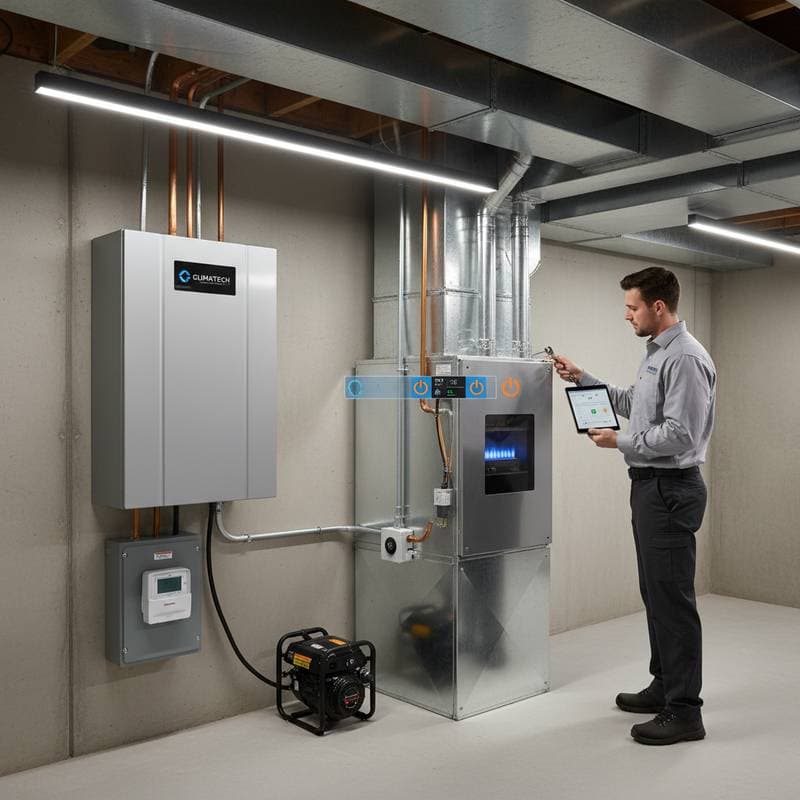
During blackouts, the gas furnace maintains heat if paired with a standby generator for the blower motor. Natural gas lines ensure fuel availability, unlike propane-dependent alternatives that require tank refills.
Prolonged Equipment Durability
Alternating components halves runtime stress, extending lifespan to 20 years or more. Annual savings on repairs often exceed $300, justifying the hybrid approach.
Consistent Seasonal Performance
Heat pumps manage summer cooling and shoulder-season heating, while furnaces handle winter peaks. This setup eliminates hot or cold spots, promoting even distribution.
Reduced Environmental Impact
Electricity powers most operations, minimizing gas consumption and emissions. Homeowners contribute to sustainability goals without compromising warmth.
Common Questions About Dual-Fuel HVAC Systems
What Is the Expected Lifespan of a Dual-Fuel System?
Units endure 15-20 years under regular care. Heat pumps may last 12-15 years in humid areas, while furnaces reach 20 years in dry conditions. Schedule biannual inspections to catch issues early.
Does a Dual-Fuel System Function Without Electricity?
The furnace operates on gas during outages, provided a generator supplies power to the fan. The heat pump requires grid electricity, but the backup ensures safety in subzero weather.
Is a Hybrid System Suitable for My Residence?
Ideal for homes with natural gas access and temperature swings over 40 degrees. Conduct an energy audit to confirm compatibility and projected savings.
Do Dual-Fuel Installations Exceed Standard HVAC Costs?
Initial outlay surpasses single-unit systems by 30-50 percent. Energy reductions and incentives recover the difference within 5-7 years.
What Maintenance Routine Applies to Hybrid Systems?
Service the heat pump before summer and the furnace before winter. Replace filters quarterly and clean coils annually to sustain peak efficiency.
Steps to Secure Dual-Fuel HVAC Estimates
Engage licensed contractors for personalized evaluations. They assess layout, energy patterns, and code compliance to tailor recommendations.
Essential Inquiries for Contractors
- What capacity matches my home's heating and cooling load?
- How does the automatic switchover function between modes?
- Which rebates apply to this installation?
- What minimum efficiency standards do you recommend?
- Can existing ducts support the new system?
- What warranties cover labor and parts?
- How many days does setup require?
- Is generator compatibility standard?
- What ongoing maintenance do you suggest?
- What annual bill reductions can I anticipate?
Sustaining Performance in Your Dual-Fuel Setup
Routine upkeep preserves efficiency and prevents breakdowns. Monitor thermostat settings to favor the heat pump, and test generator links seasonally. Track utility statements to verify savings, adjusting habits for optimal results. This investment secures comfort and resilience for years ahead.